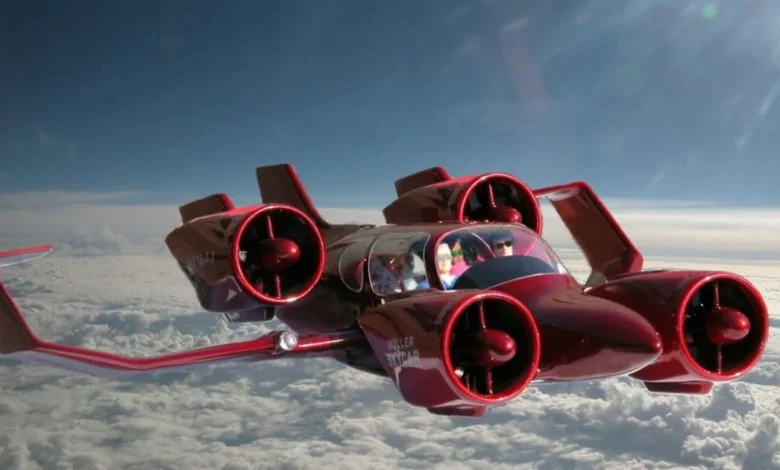
The dream of the flying car has captivated inventors, engineers, and the general public for over a century, representing the ultimate intersection of automotive convenience and aviation freedom. While modern headlines are dominated by electric vertical takeoff and landing (eVTOL) aircraft and tech-giant investments, the journey toward this elusive goal began long before the digital age. From the pioneering efforts of the early 20th century to the harrowing technical failures that grounded ambitious prototypes, the history of the "roadable aircraft" is a chronicle of audacity, engineering brilliance, and the unforgiving laws of physics.
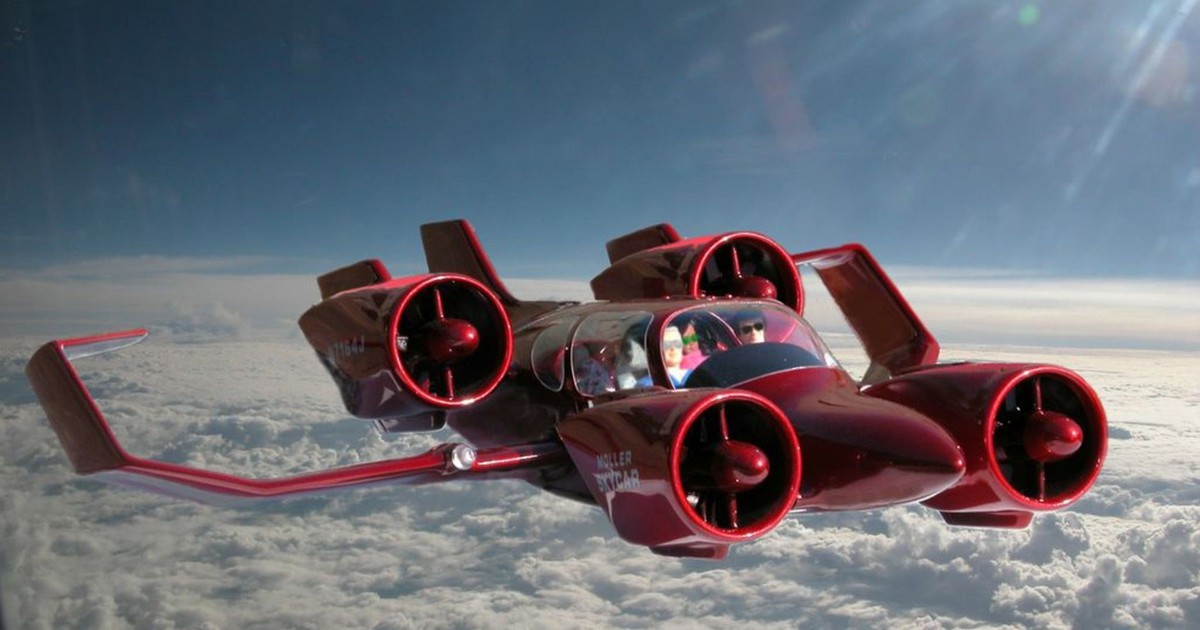
The Dawn of the Roadable Aircraft Era
The concept of a hybrid vehicle capable of both terrestrial navigation and aerial transit traces its roots to the early days of aviation. As the internal combustion engine revolutionized transportation, visionaries sought to eliminate the "last mile" problem—the gap between a rural airstrip and a final urban destination.
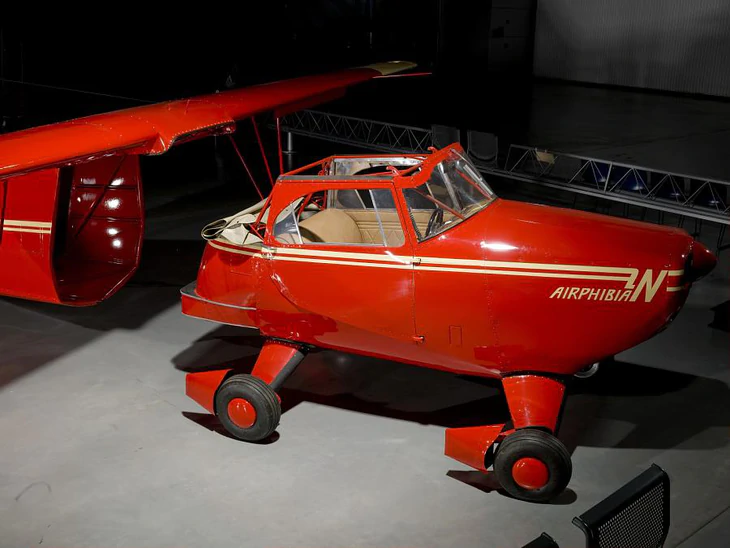
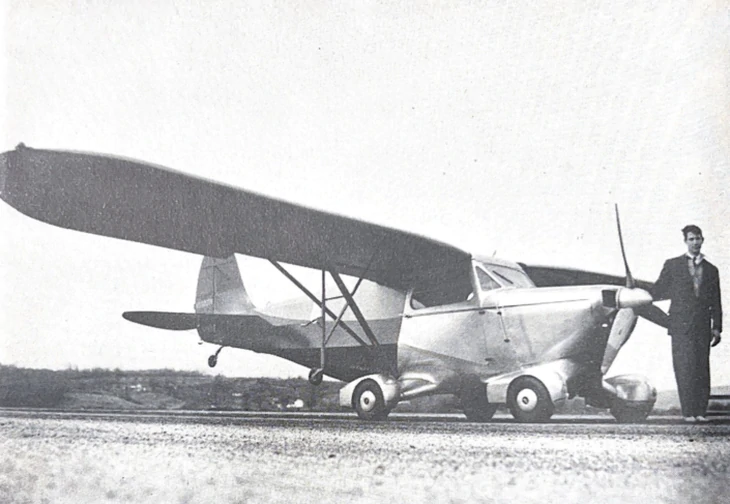
In the mid-20th century, inventors such as Robert Fulton Jr. sought to bridge this divide. His most significant contribution, the Airphibian, remains a landmark in the evolution of dual-purpose transit. Designed in 1950, the Airphibian was a triumph of modular engineering. It functioned as a conventional aircraft capable of flying to a municipal airport, where the wings, tail, and propeller could be detached in a matter of minutes, leaving behind a fully functional automobile. The Federal Civil Aeronautics Administration (CAA), the predecessor to the modern Federal Aviation Administration (FAA), officially certified the Airphibian on December 21, 1950, marking the first time a roadable aircraft had received such recognition.
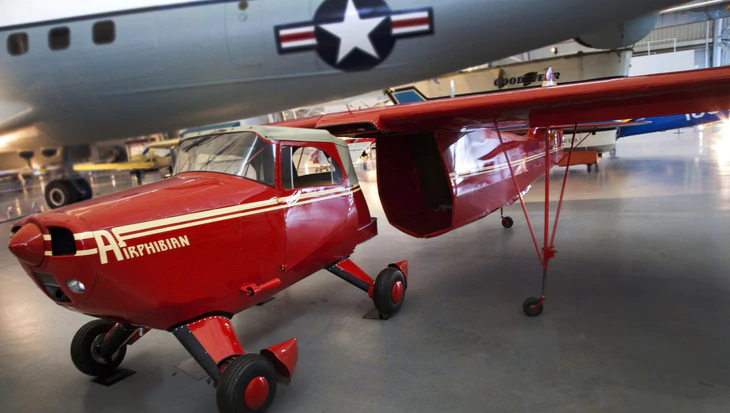
Fulton’s vision was not merely academic. He famously flew the Airphibian to Washington National Airport (now Ronald Reagan Washington National Airport) and drove the vehicle directly to the Civil Aeronautics Administration headquarters. There, he received the airworthiness certificate directly from the administrator, Donald W. Nyrop. Despite its technical success, the Airphibian faced the insurmountable obstacle of production costs. Fulton built only four units, and the dream of mass-market personal flight remained locked in the museum archives.
The Tri-Phibian and the Cost of Innovation
Before the relative success of the Airphibian, the industry saw a wave of experimental designs that pushed the boundaries of aeronautical engineering. Among the most ambitious was the Tri-Phibian, an invention that aimed for total mobility—capable of operating on air, land, and water.
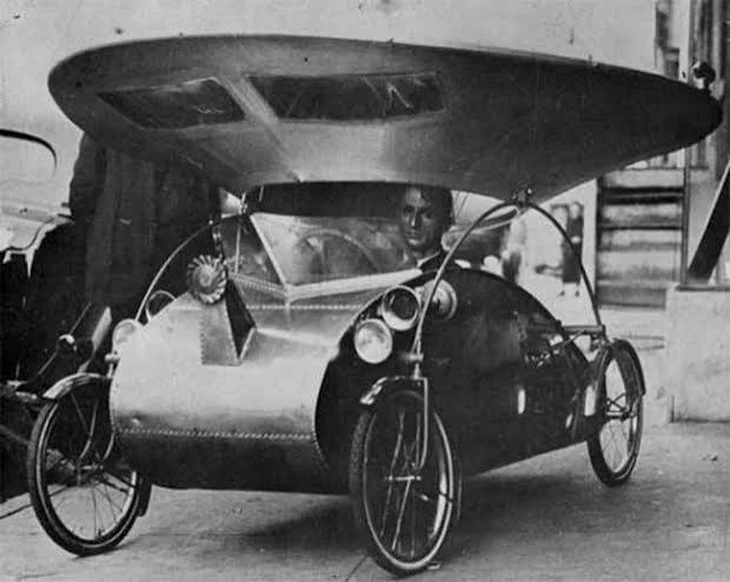
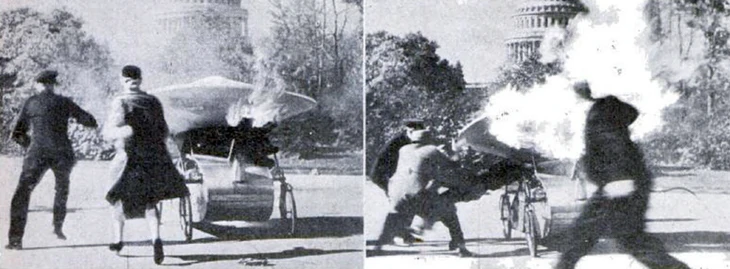
On October 25, 1935, a demonstration of the Tri-Phibian at the Capitol grounds in Washington, D.C., turned from a public spectacle into a cautionary tale. Developed by inventors Constantinos H. Vlachos and Edward L. Rice, the vehicle featured a distinctive, boat-like fuselage. As the press and a large crowd gathered to witness the future of transport, the demonstration took a tragic turn. According to accounts recorded by The Washington Post, as the engine roared to life for a takeoff sequence, a catastrophic fire erupted, trapping Vlachos inside the cockpit. The incident was a grim reminder of the volatile nature of early aviation fuel systems and the inherent dangers of combining complex machinery in a confined, lightweight frame.
Thanks to the swift intervention of a local police officer, J.E. Baker, Vlachos was pulled from the burning wreckage. Despite suffering severe injuries that required months of hospitalization, Vlachos remained undeterred, even claiming he would eventually sell millions of his machines. However, the Tri-Phibian never progressed beyond the prototype stage, serving as a stark example of the high stakes involved in pioneering "impossible" technologies.
The Aerocar and the Evolution of Design
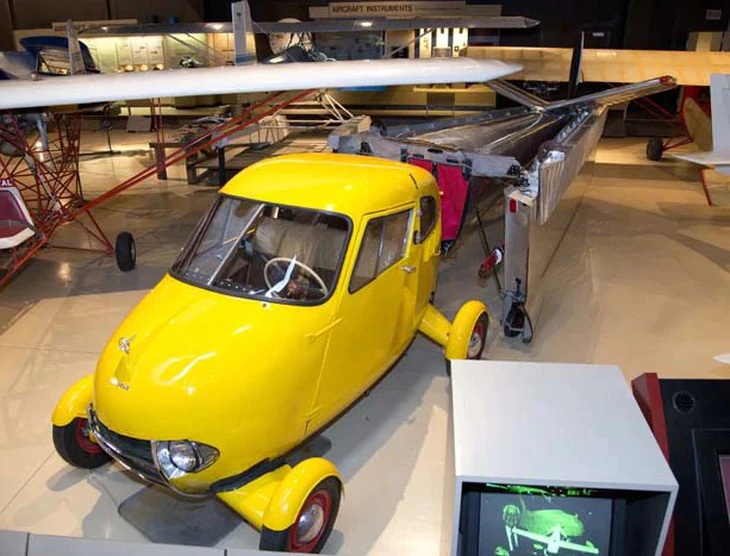
Following the post-war era, the industry saw the emergence of the Aerocar, created by Moulton (Molt) Taylor. Taylor, who had been inspired by seeing Robert Fulton’s Airphibian during a trip to Delaware, identified a fundamental flaw in the detachable-wing model: the pilot was required to leave the wings at the airport.
Taylor’s Aerocar, completed in 1949, offered a more elegant solution. Its wings could be folded along the sides of the fuselage and towed behind the vehicle like a small trailer. This allowed the pilot to arrive at an airport, fold the wings in minutes, and drive away without needing to return to the point of departure. The Aerocar represented a massive step toward the "commuter aircraft" ideal. It featured a Lycoming O-320 engine capable of producing 150 horsepower, a cruising speed of 161 km/h, and a maximum range of 480 kilometers.
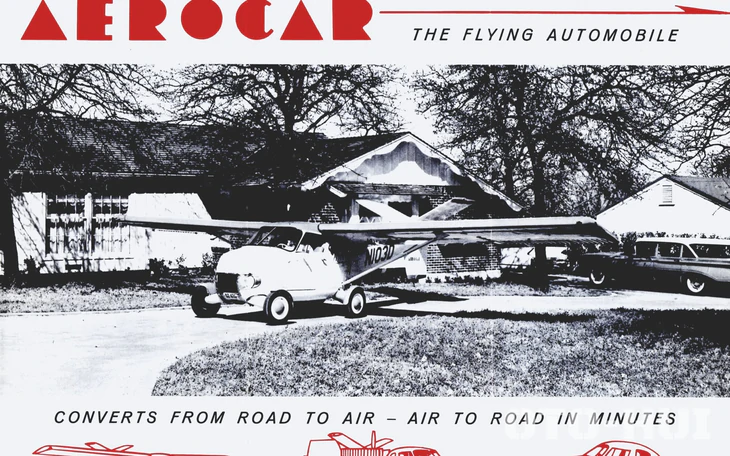
Despite the brilliance of its design, the Aerocar suffered the same fate as its predecessors. Although Taylor manufactured four units and engaged in extensive promotional tours, the capital requirements for mass production proved unsustainable. The project was eventually abandoned, and like the Airphibian, the Aerocar found its final home in the National Air and Space Museum.
A Legacy of Technical Hurdles
The historical failure of these projects to reach the mass market was rarely due to a lack of ingenuity. Rather, the primary obstacles were economic, regulatory, and mechanical.
- Economic Viability: Producing a vehicle that meets both Federal Motor Vehicle Safety Standards and FAA airworthiness requirements is astronomically expensive. The lightweight materials required for flight often conflict with the crash-safety requirements for automobiles.
- Operational Complexity: Operating a flying car requires the driver to hold both a driver’s license and a pilot’s certificate. This significantly limits the potential user base to those with the time and financial resources to maintain both sets of qualifications.
- Infrastructure: The lack of dedicated "vertiports" or urban landing zones has historically prevented these vehicles from providing the point-to-point convenience that defined the inventors’ original vision.
The Lessons of the 1970s: The Mizar Tragedy
The risks inherent in the field were highlighted again in 1973 with the AVE Mizar project. Engineer Henry Smolinski attempted to create a flying car by combining a Ford Pinto with the wings and tail of a Cessna Skymaster. The experiment ended in a fatal crash in California during a test flight, claiming the lives of both Smolinski and his business partner, Harold Blake. The investigation revealed a structural failure in the wing attachment point, serving as a sobering reminder that the integration of disparate vehicle systems requires rigorous, uncompromising engineering standards.
Modern Implications and Future Outlook
As we approach the late 2020s, the dream of the flying car has been rebranded as "Urban Air Mobility" (UAM). Companies are moving away from the "car that flies" model and toward the "electric air taxi" model, which relies on automated flight control systems to solve the pilot qualification barrier.
The influence of early pioneers like Robert Fulton and Molt Taylor is still evident in contemporary designs. The focus on modularity, lightweight composites, and high-efficiency powerplants—all pioneered in the 1940s and 50s—remains the foundation of modern aerospace innovation. However, the industry has shifted from trying to build a vehicle that works on the road to building a vehicle that bypasses the road entirely.
The historical trajectory of the flying car suggests that while the human desire to transcend ground-based traffic is constant, the technical and regulatory framework required to support it is decades in the making. The shift toward electrification, autonomous flight, and smart-city infrastructure represents the most promising era for this technology to date.
As the aviation industry looks toward 2028 and beyond, the focus is no longer on simply making a car fly, but on creating an integrated, multi-modal transportation network. The dream that started with a modified airplane in 1950 has evolved into a multi-billion-dollar effort to reshape the urban landscape. While the path remains fraught with challenges, the history of these early innovators provides the essential data and inspiration for the next generation of aerospace engineers, ensuring that the dream of personal aerial mobility remains a central goal of human technological advancement.