Spain’s Luis de la Fuente Rules Out Man-Marking Lionel Messi in World Cup 2026 Final

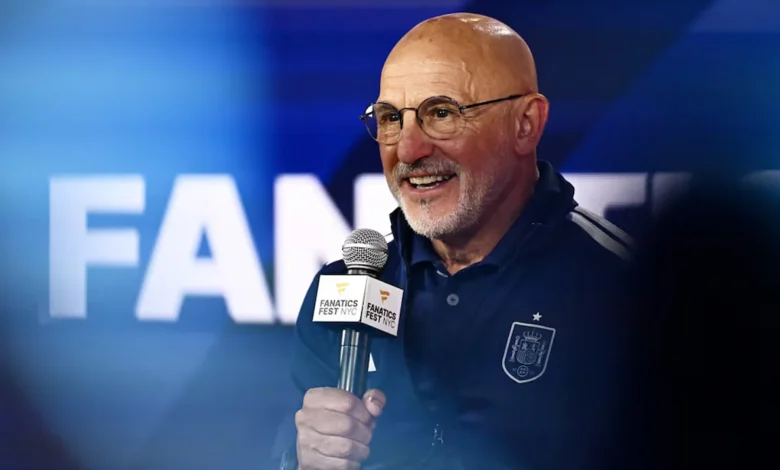
New York, USA – July 18, 2026 – As the football world braces for the monumental clash between Spain and Argentina in the FIFA World Cup 2026 final, Spanish national team coach Luis de la Fuente has firmly stated his tactical approach regarding Argentina’s talisman, Lionel Messi. De la Fuente confirmed that Spain will not assign a dedicated man-marker to Messi, a decision rooted in a past lesson from his coaching career and a belief in collective defense. The highly anticipated final is scheduled for July 19, 2026, marking the culmination of a thrilling tournament hosted across North America.
Messi’s Dominance and Argentina’s Path to the Final
Lionel Messi has been the undeniable lynchpin of Argentina’s sensational journey to the World Cup 2026 final. His individual brilliance has seen him net an astonishing eight goals and provide four assists, making him the tournament’s leading scorer and creator. Beyond these raw statistics, Messi has also topped numerous crucial attacking metrics, including chances created, successful dribbles, and accurate passes in the final third. His consistent, match-winning performances have positioned him as the clear frontrunner for the Golden Ball award, cementing his status as perhaps the greatest player of all time.
Argentina’s path to the final has been characterized by moments of dazzling skill and an unyielding competitive spirit. They navigated a challenging group stage, showcasing both their attacking prowess and defensive resilience. In the knockout rounds, they overcame formidable opponents, often relying on Messi’s individual genius to unlock defenses or provide crucial interventions. The team, under the guidance of coach Lionel Scaloni, has demonstrated a blend of tactical flexibility and passionate intensity, which some observers have characterized as bordering on aggressive, sometimes pushing the limits of fair play.
De la Fuente’s Tactical Philosophy: A Lesson from the Past
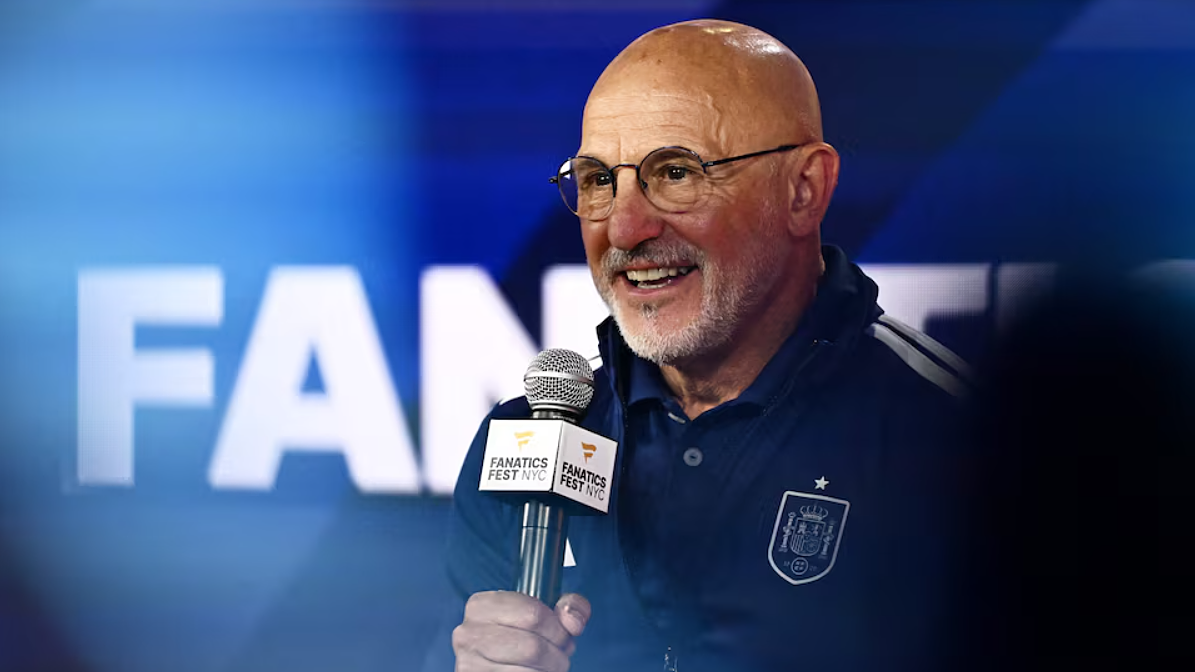
During a pre-match press conference held in New York on July 17, 2026, De la Fuente elaborated on his decision to eschew a man-marking strategy for Messi. He recounted a pivotal experience from his tenure as a youth coach at Sevilla between 2001 and 2005. "On that occasion, we tried to assign a player to mark Messi. After that player was substituted due to exhaustion, Messi went on to score four more goals," De la Fuente recalled, illustrating the futility and potential counterproductiveness of such a direct approach against a player of Messi’s caliber.
"This time, we will not assign a specific man-marker," the Spanish coach asserted. "However, we will certainly dedicate special attention to Messi." This statement underscores a philosophy that prioritizes a collective defensive effort, where multiple players are aware of Messi’s positioning and movements, rather than burdening a single player with an impossible task. This nuanced approach aims to limit Messi’s influence through zonal marking, pressing triggers, and cutting off supply lines, rather than attempting to nullify him entirely with one-on-one coverage. De la Fuente’s strategy suggests a respect for Messi’s unparalleled ability to escape tight marking and exploit the spaces created when a defender is solely focused on him.
Addressing the Intensity of the Albiceleste
Responding to media suggestions that Argentina’s playing style has been overly aggressive, occasionally "crossing the line" during their World Cup campaign, De la Fuente dismissed such criticisms. "I respect all opinions, but I do not agree. Every team will use their footballing weapons, but this is still a game of football," he stated. His comments reflect a desire to keep the focus on the sporting contest and to avoid pre-match narratives that might inflame tensions.
He further expressed admiration for the Argentine squad, acknowledging their historic achievements and the leadership of his former protégé. "I greatly admire the Argentine team. They have made history and are led by an old friend of mine," he remarked, referring to Lionel Scaloni. This personal connection adds an intriguing layer to the final, setting up a master-vs-apprentice narrative between the two coaches who share a common footballing background.
Spain’s Road to the Final and Shared Qualities
Spain’s journey to the World Cup final has been a testament to their renowned possession-based football, coupled with a renewed defensive solidity under De la Fuente. They showcased their characteristic intricate passing and fluid movement throughout the tournament, overcoming strong contenders in their knockout matches. Their team, a blend of experienced veterans and exciting young talents, has demonstrated exceptional cohesion and tactical discipline.
De la Fuente drew parallels between the two finalists, suggesting a shared commitment to quality football. "Spain and Argentina have many similarities in terms of squad quality and playing style," he observed. He believes that the final will ultimately be decided by the individual talent of the players on the pitch, rather than external factors or tactical ploys. "This will be a high-level contest between two excellent teams," the 65-year-old coach affirmed. "Each team wants to play the game in a way that benefits them, but I believe this will be a match where talent speaks loudest."
The Role of Officiating and Sportsmanship
In light of the discussions surrounding Argentina’s physicality, De la Fuente also touched upon the role of the referees. "The referees have a duty to ensure the match is exciting, and we will support them by playing with true sportsmanship," he stated. This emphasis on fair play aligns with the broader message that despite the high stakes, the integrity and spirit of the game should prevail. It also subtly reinforces the idea that Spain intends to win through skill and adherence to the rules, rather than engaging in any contentious tactics.
De la Fuente’s Illustrious Coaching Career and the Pursuit of a Sixth Title
Luis de la Fuente’s career as a coach has been marked by unparalleled success within the Spanish national team system. He has already secured an impressive five titles across various youth levels, a feat unmatched by any other Spanish coach. His achievements include triumphs at the UEFA European Under-19 Championship, the UEFA European Under-21 Championship, and an Olympic silver medal with the U23 team. These successes underscore his deep understanding of Spanish football’s development pathways and his ability to nurture talent.
Now, the 65-year-old tactician stands on the precipice of his sixth major title, aiming to guide Spain to World Cup glory against Argentina on July 19. A victory would not only cement his legacy but also see him emulate the legendary Vicente del Bosque, who led Spain to their first-ever World Cup triumph in 2010, followed by the UEFA European Championship in 2012. For De la Fuente, this final represents the pinnacle of his coaching journey, a chance to translate his success at the youth level to the senior global stage.
The Secret to Success: Diligence and Teamwork
When asked about the secret behind Spain’s consistent success, De la Fuente humbly attributed it to diligent work rather than any extraordinary formula. "There is no special formula other than diligence," he emphasized. He acknowledged that reaching the World Cup 2026 final is already a source of immense pride, but reiterated that Spain’s ultimate objective remains to lift the coveted trophy.
His calm demeanor was evident when pressed about the pressure associated with a World Cup final. With a lighthearted touch, De la Fuente quipped, "What worries me most is the traffic getting to the hotel. The final itself does not worry me. I am very calm and just want to enjoy this moment." This response not only showcased his composed personality but also conveyed a confidence rooted in thorough preparation and belief in his team.
As the press conference concluded, De la Fuente left the audience with a profound quote from the Roman Emperor Marcus Aurelius, highlighting the importance of collective effort: "The important thing is the whole beehive, not just one bee. In football, teamwork is always the most important factor." This philosophical statement perfectly encapsulates De la Fuente’s core belief in the power of the collective over individual brilliance, a principle he hopes will guide Spain to victory against an Argentina side heavily reliant on its extraordinary "bee," Lionel Messi.
Broader Implications and Legacy
The World Cup 2026 final between Spain and Argentina is more than just a football match; it is a battle of tactical philosophies, a clash of footballing cultures, and a contest with significant implications for the legacies of all involved. For Spain, a victory would mark their second World Cup title, solidifying their position as a perennial footballing powerhouse and validating De la Fuente’s ascension from youth coach to senior national team leader. It would be a testament to the enduring quality of Spanish football and its continuous production of world-class talent.
For Argentina, a win would secure back-to-back World Cup titles, an achievement that would elevate Lionel Messi to an almost mythical status, definitively answering any lingering debates about his place in football history. It would also be a triumph for Lionel Scaloni, who would further cement his reputation as one of the game’s most astute young coaches, having built a formidable team around his former captain.
The match promises to be a captivating spectacle, where the tactical battle between two highly respected coaches will be as compelling as the individual duels on the pitch. De la Fuente’s commitment to collective strength against Messi’s individual wizardry sets the stage for a truly unforgettable final. The world watches, eager to witness which philosophy will prevail and which nation will etch its name into the annals of footballing history.