The Hidden Risks of Traditional Breakfasts and the Science of Glycemic Control in Diabetes Management

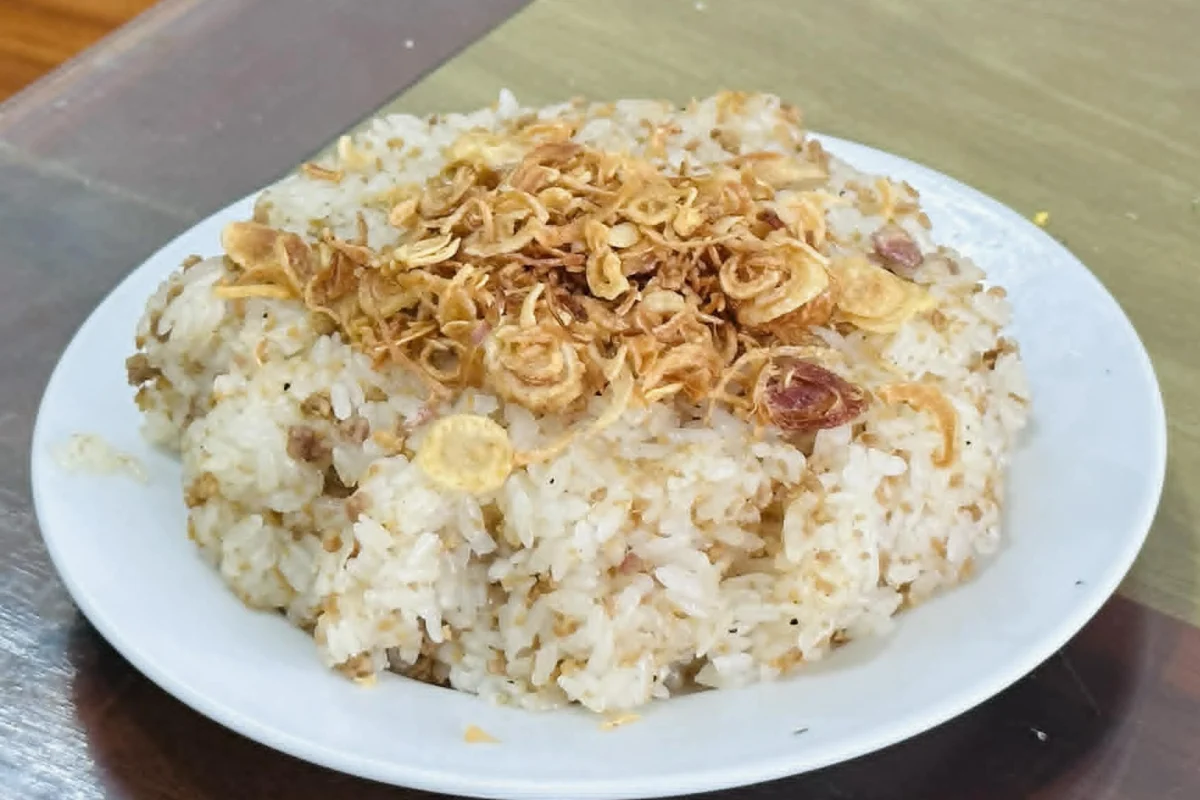
The clinical case of a patient identified as Mr. Chu has recently drawn significant attention to the complexities of dietary management for individuals living with diabetes or pre-diabetes. During a routine medical consultation, Mr. Chu expressed frustration over his inability to stabilize his blood glucose levels despite avoiding sugary snacks and traditional desserts. Upon a detailed review of his dietary habits, his physician identified a critical factor: the patient’s consistent consumption of glutinous rice dishes for breakfast. This revelation highlights a widespread misunderstanding regarding the relationship between a food’s flavor profile and its metabolic impact, underscoring the necessity for deeper nutritional literacy in public health.
The diagnostic process for Mr. Chu began when his glycemic readings showed persistent postprandial (after-meal) spikes that exceeded the targets set by his healthcare team. While Mr. Chu believed he was making healthy choices by opting for "savory" breakfast items rather than sweetened cereals or pastries, he was inadvertently consuming foods with an exceptionally high Glycemic Index (GI). This scenario is far from unique; many patients operate under the fallacy that if a food does not taste "sweet," it does not pose a threat to blood sugar levels. However, medical science dictates that the blood sugar response is not determined by the presence of table sugar alone but by the rate at which carbohydrates are converted into glucose during the digestive process.
The Myth of the Sweetness-Glucose Correlation
A fundamental challenge in diabetes education is debunking the "sweetness myth." In the minds of many consumers, the danger of a food item is proportional to its sweetness. This perception leads to a false sense of security when consuming starches like glutinous rice, white bread, or certain tubers. The biological reality is that complex carbohydrates are essentially long chains of glucose molecules. Once these chains are broken down by digestive enzymes, such as salivary and pancreatic amylase, they enter the bloodstream as simple sugars.
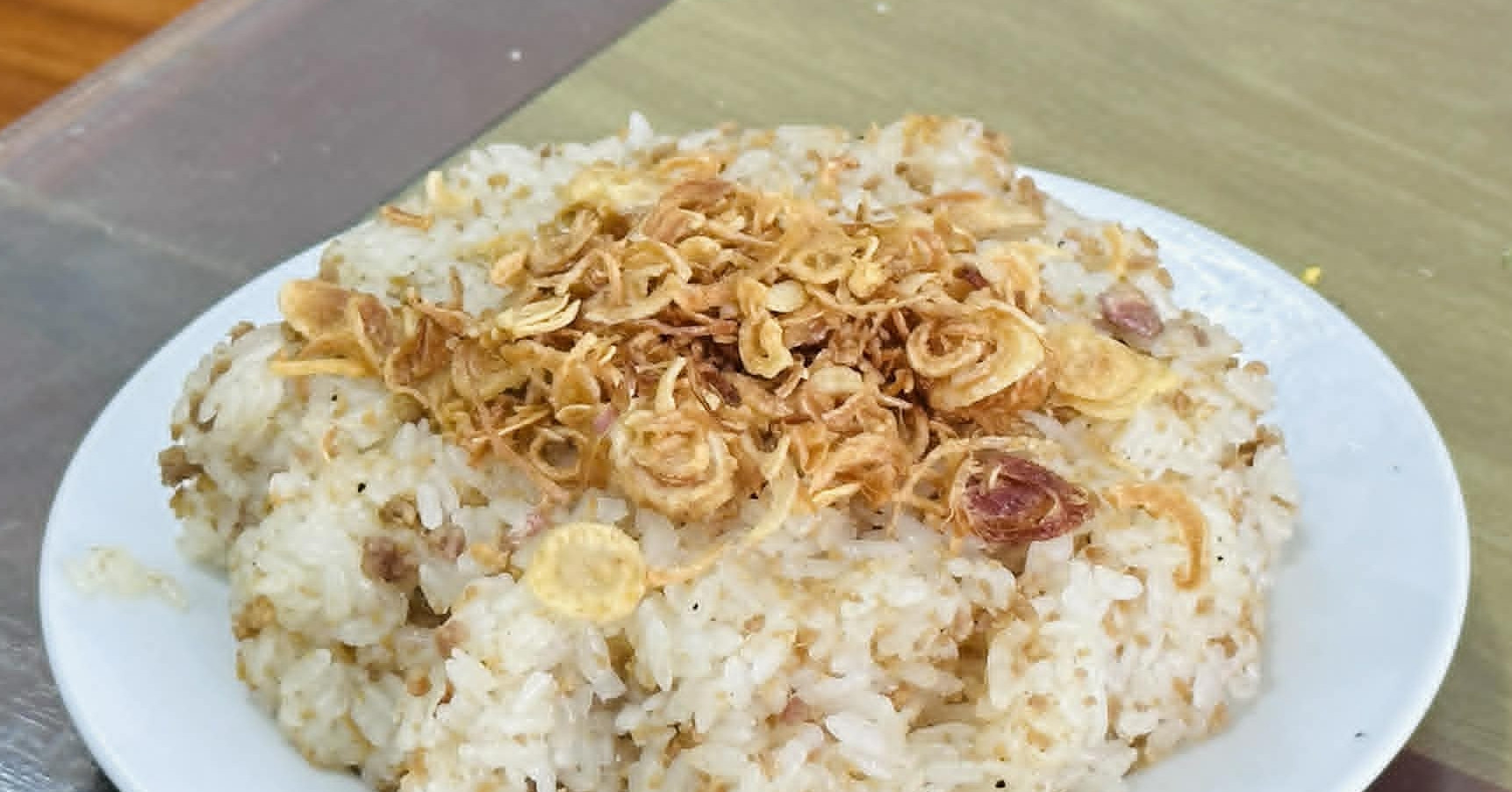
The speed of this conversion is the primary driver of glycemic spikes. A food item can be entirely devoid of sugar and still cause a sharper rise in blood glucose than a piece of fruit, depending on its molecular structure and how it has been processed. In the case of glutinous rice—a staple in many Asian cuisines and a favorite for breakfast in the form of "xôi" or rice cakes—the starch composition makes it one of the most challenging foods for diabetic patients to manage.
Understanding GI and GL: The Metrics of Metabolism
To provide patients like Mr. Chu with better tools for management, nutritionists emphasize two key metrics: the Glycemic Index (GI) and the Glycemic Load (GL). These figures offer a more scientific approach to understanding how food affects the body than flavor-based intuition.
The Glycemic Index is a ranking system from 0 to 100 that indicates how quickly a carbohydrate-containing food raises blood glucose levels. Foods with a high GI (70 or above) are rapidly digested and absorbed, resulting in a quick spike and subsequent fall in blood sugar. Conversely, low-GI foods (55 or less) are digested more slowly, providing a gradual release of energy.
However, the GI alone can be misleading because it does not account for the amount of food typically consumed. This is where the Glycemic Load (GL) becomes essential. The GL takes the GI value and multiplies it by the number of carbohydrates in a standard serving. For instance, while a food might have a moderate GI, if a person consumes a large portion of it, the total GL will be high, placing a significant burden on the body’s insulin response. In Mr. Chu’s case, his breakfast was high in both GI and GL, as glutinous rice is dense in carbohydrates and exceptionally fast to digest.
The Molecular Science of Glutinous Rice
The reason glutinous rice (also known as sticky rice) is particularly problematic for blood sugar management lies in its starch profile. Most rice varieties contain two types of starch: amylose and amylopectin. Regular long-grain white rice contains a higher proportion of amylose, which has a linear structure that is relatively difficult for enzymes to break down, resulting in a slower release of glucose.
Glutinous rice, however, consists almost entirely of amylopectin. Amylopectin has a highly branched molecular structure, providing a larger surface area for digestive enzymes to attack. When glutinous rice is cooked, these branches become even more accessible. Consequently, the body can convert amylopectin into glucose with remarkable speed. Research, including nutritional surveys conducted in Japan and other parts of East Asia, has consistently shown that glutinous rice products often have a GI value exceeding 90—higher than that of standard white rice and even some types of pure sugar.
Furthermore, the physical texture of glutinous rice contributes to overconsumption. Its soft, chewy, and "sticky" nature makes it easy to eat quickly and in large quantities. This high palatability often leads to a higher Glycemic Load, as individuals may consume more than a standard serving size without realizing the caloric and metabolic density of the meal.
The Physiological Consequences of Frequent Glycemic Spikes
The impact of regularly consuming high-GI foods like glutinous rice extends far beyond a temporary rise in blood sugar. For patients with impaired insulin sensitivity, these frequent spikes trigger a cascade of negative physiological effects.
First, the pancreas is forced to work overtime to produce large amounts of insulin to counteract the glucose surge. Over years of chronic stimulation, the beta cells in the pancreas can become exhausted, leading to a permanent decline in the body’s ability to regulate blood sugar naturally. This progression is a hallmark of Type 2 diabetes.
Second, high blood sugar levels cause significant stress on the vascular system. Glucose in high concentrations can damage the endothelium, the inner lining of the blood vessels. This damage increases the risk of atherosclerosis, hypertension, and other cardiovascular diseases. Furthermore, the rapid "crash" that often follows a high-GI spike can trigger intense hunger and cravings, leading to a cycle of overeating and weight gain, which further exacerbates insulin resistance.
Long-term complications of poorly managed blood sugar are severe, affecting almost every organ system. Chronic hyperglycemia is the leading cause of diabetic retinopathy (vision loss), nephropathy (kidney failure), and neuropathy (nerve damage). By identifying the role of glutinous rice in Mr. Chu’s diet, his physician was not just adjusting a meal plan; they were intervening to prevent a trajectory toward these life-altering complications.

Strategic Nutrition: Balancing the Plate
Healthcare professionals stress that managing diabetes does not necessarily require the total elimination of carbohydrates, but rather a strategic approach to how they are consumed. The goal is to achieve "glycemic stability," avoiding the peaks and valleys that cause cellular damage.
One of the most effective strategies is the "Plate Method," which emphasizes the combination of food groups to slow down digestion. When a carbohydrate is eaten in isolation—such as a bowl of plain sticky rice—it hits the bloodstream almost immediately. However, when that same carbohydrate is paired with significant amounts of fiber (from vegetables) and protein (from meat, fish, or legumes), the overall digestion process is slowed. Fiber acts as a physical barrier, while protein and healthy fats trigger hormones that delay gastric emptying.
For individuals who enjoy rice, experts recommend several modifications:
- Substitution: Replacing glutinous rice with whole grains, such as brown rice, quinoa, or oats, which have higher fiber content and a lower GI.
- Portion Control: Using standardized measuring tools to ensure that carbohydrate intake remains within a safe range, rather than relying on "feeling full."
- Order of Consumption: Some studies suggest that eating vegetables and protein before the starch can significantly blunt the post-meal glucose spike.
- Preparation Methods: Avoiding overcooking grains. When rice or pasta is cooked until it is very soft, the starch is "pre-digested" by the heat, making it even faster for the body to absorb.
Broader Public Health Implications and Nutritional Literacy
The case of Mr. Chu serves as a microcosm of a larger public health challenge facing many nations. As traditional diets—often heavy in refined starches—meet modern, sedentary lifestyles, the prevalence of metabolic disorders is skyrocketing. In many cultures, white rice and glutinous rice are symbols of prosperity and comfort, making it difficult to convince the public to limit their intake.
Public health officials argue that more robust labeling and education are needed. The "sugar-free" label on many processed foods can be deceptive, as these products may still be loaded with high-GI starches that have the same metabolic effect as sugar. Increased transparency regarding the GI and GL of common staples could empower consumers to make more informed choices.

The story of a man in China who successfully lost 10 kilograms and lowered his blood sugar while still eating white rice serves as an important counterpoint. His success was not due to the rice itself, but to a rigorous adherence to portion control, the inclusion of massive amounts of leafy greens, and regular physical activity. This demonstrates that the "villainization" of a single food is less effective than a holistic understanding of how that food fits into a broader lifestyle.
Ultimately, the journey to stable blood sugar is one of continuous monitoring and adjustment. For patients like Mr. Chu, the path forward involves a more nuanced understanding of "sweetness" and a commitment to viewing food through the lens of its chemical impact on the body. By replacing the convenience of traditional high-starch breakfasts with balanced, fiber-rich alternatives, individuals can take control of their metabolic health and significantly reduce the risk of long-term diabetic complications. The physician’s advice remains clear: blood sugar control is not about deprivation, but about the informed and balanced management of the fuel we provide to our bodies.