Datura Metel and the Dangerous Intersection of Traditional Medicine and Toxic Botanical Hazards in Rural Vietnam

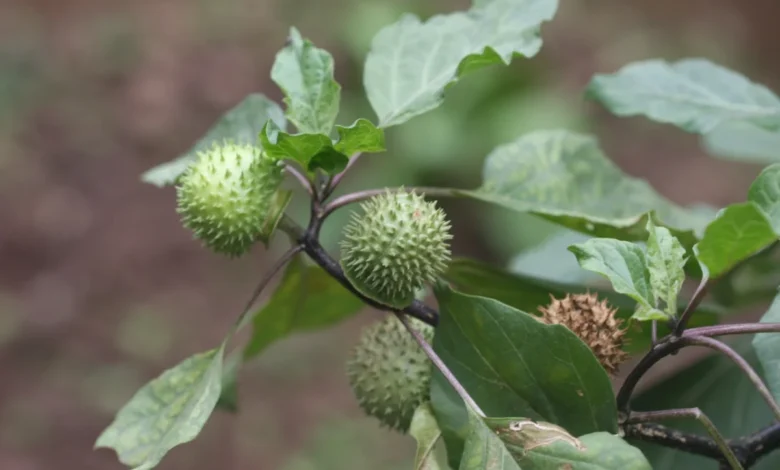
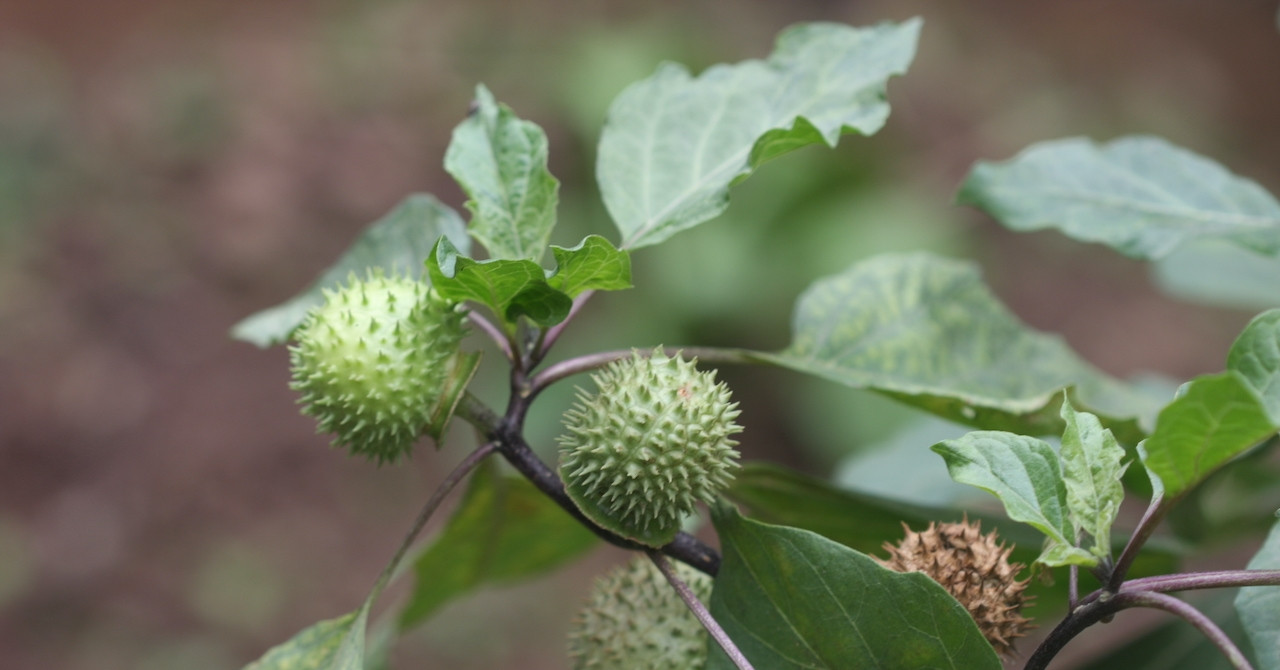
Datura metel, known colloquially in Vietnam as "Cà độc dược," is a plant species that occupies a paradoxical space in the nation’s landscape, serving as both a potent pharmaceutical resource and a lethal environmental hazard. Frequently found growing wild in rural provinces and along the peripheries of agricultural land, the plant has recently garnered renewed public attention due to the unique morphology of its fruit. The spiky, spherical seed pods of Datura metel bear a striking, albeit coincidental, resemblance to the structural models of the Coronavirus (SARS-CoV-2), a visual quirk that has led to widespread curiosity and, in some cases, dangerous experimentation. However, beneath this "strange" exterior lies a complex chemical profile that requires extreme caution, as the line between a therapeutic dose and a fatal overdose is exceptionally thin.
In a detailed discussion with reporters from VietNamNet, Dr. Ngo Duc Phuong, Director of the Institute of Southern Medicinal Sciences, underscored the high-stakes nature of this plant. He classified Datura metel within "Group A" of the toxic medicinal registry—a category reserved for substances with high toxicity levels that demand rigorous clinical control and professional oversight. While traditional Vietnamese medicine (Thuoc Nam) has utilized various parts of the plant—including the leaves, flowers, and seeds—for centuries, Dr. Phuong emphasized that these applications are only safe when administered in minute, precisely measured quantities by trained practitioners.
The Botanical and Chemical Profile of the "Devil’s Snare"
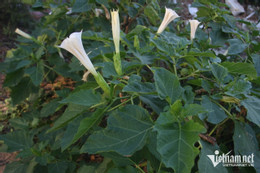
Datura metel belongs to the Solanaceae family, the same botanical group that includes potatoes, tomatoes, and bell peppers, as well as more notorious relatives like belladonna (deadly nightshade) and henbane. In Vietnam, it is characterized by its large, trumpet-shaped white or violet flowers and its distinctive prickly fruit. The plant’s resilience allows it to thrive in diverse climates, making it a common sight from the northern highlands to the Mekong Delta.
The primary concern for health officials lies in the plant’s high concentration of tropane alkaloids, specifically atropine, scopolamine (also known as hyoscine), and hyoscyamine. These compounds are powerful anticholinergics that act directly on the human nervous system. From a pharmacological standpoint, these alkaloids are highly valued; they are used in modern medicine to treat a variety of conditions, ranging from motion sickness and gastrointestinal spasms to organophosphate poisoning. However, when the plant is consumed or utilized in its raw form without chemical standardization, these same properties can trigger severe systemic failure.
Historical and Traditional Applications in Vietnamese Medicine
Despite its inherent dangers, Datura metel has a storied history in folk medicine. Traditional practitioners have long recognized its ability to act as a bronchodilator. In decades past, it was common for individuals suffering from chronic asthma to smoke the dried leaves or flowers of the plant. The smoke, containing trace amounts of alkaloids, would theoretically relax the smooth muscles of the bronchi, providing temporary relief from respiratory distress. However, this method is now considered obsolete and highly dangerous due to the inability to control the dosage of toxins inhaled.
Beyond respiratory issues, the plant has been utilized in the following capacities:
- Pain Management: Low-dose preparations have been used as sedatives or to alleviate chronic pain.
- Topical Treatments: Infusions of the plant are sometimes applied externally to treat rheumatism, joint pain, and inflammation.
- Gastrointestinal Relief: In certain folk traditions, Datura leaves are soaked in alcohol and administered drop-by-drop to treat severe stomach aches or to prevent motion sickness.
Dr. Phuong notes that while these "folk remedies" exist, they are relics of a time when modern pharmaceutical alternatives were unavailable. The modern medical consensus is that the risks of using raw Datura far outweigh any potential benefits.
The Scientific Basis of Toxicity and Therapeutic Action
The therapeutic effects of Datura metel are rooted in the ability of its alkaloids to inhibit the parasympathetic nervous system. Specifically, these chemicals block acetylcholine, a neurotransmitter responsible for involuntary muscle movements and various bodily secretions.
According to Dr. Phuong, "This is the scientific basis for using the plant to support the treatment of asthma and reduce nerve pain. By inhibiting the parasympathetic system, the alkaloids help relax smooth muscle contractions and reduce the secretion of fluids."
However, the "anticholinergic syndrome" that occurs during an overdose is a harrowing medical emergency. When the dosage exceeds the narrow therapeutic window, the body’s systems begin to accelerate or shut down in a disorganized fashion. The clinical progression of Datura poisoning typically follows a predictable but terrifying chronology:
- Initial Phase: Rapid onset of dry mouth, intense thirst, and blurred vision due to dilated pupils (mydriasis).
- Intermediate Phase: Tachycardia (rapid heart rate), hot and flushed skin, and a significant rise in body temperature.
- Advanced Phase: Severe mental confusion, agitation, and the onset of vivid, often terrifying hallucinations.
- Critical Phase: Seizures, loss of consciousness, coma, and eventually death due to respiratory failure or cardiac arrest.
A Broader Context: The Culture of Foraging for Medicine
The situation surrounding Datura metel is emblematic of a broader trend in Vietnam, where rural populations often rely on "wild" medicinal plants (cay moc hoang) for primary healthcare. While this tradition preserves valuable ethnobotanical knowledge, it also exposes the public to significant risks when toxic species are misidentified or misused.
To provide a comparative perspective, health experts often point to other common wild plants that are frequently used in traditional medicine but carry far lower risk profiles than Datura:
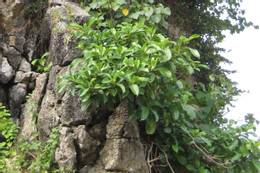
- Trâu cổ (Ficus pumila): A climbing vine often found on old walls or trees. It is used to support male physiological health and treat inflammation. Unlike Datura, it lacks high-potency alkaloids and is generally considered safe for consumption in traditional preparations.
- Thòng bong (Lygodium japonicum): A species of fern common in hilly areas. It is used as a diuretic and to support the treatment of small kidney stones. Its mechanism is far gentler than the systemic impact of Datura.
- Cúc tần (Pluchea indica): Often grown as a hedge in rural villages, this plant is a staple for treating digestive issues and joint pain. It is widely regarded as a "benign" medicinal herb.
The contrast between these plants and Datura metel is stark. While Trâu cổ or Cúc tần can be used with relative flexibility in home settings, Datura metel is a "biological weapon" in the wrong hands.
Official Warnings and Regulatory Imperatives
The Vietnamese Ministry of Health and various botanical research institutes have issued standing warnings against the self-administration of Datura-based remedies. The consensus among the medical community is clear: Datura metel should never be treated as a "nutritional supplement" or a routine herbal tea.
Dr. Phuong and his colleagues emphasize several critical prohibitions:
- Absolute Exclusion for Vulnerable Groups: Children, pregnant women, and nursing mothers must never come into contact with preparations containing Datura metel.
- No Long-term Use: Even under professional guidance, the cumulative effect of tropane alkaloids can lead to chronic toxicity.
- Mandatory Professional Consultation: Any use of "Group A" toxic herbs must be dictated by a licensed physician or a qualified traditional medicine practitioner who can calculate dosages based on the patient’s weight, age, and medical history.
The visual similarity between the Datura fruit and the Coronavirus serves as a grim metaphor for the plant’s nature: it is an invisible threat that can spread through misinformation. In the age of social media, where "miracle cures" and "natural remedies" are often promoted without scientific backing, the danger of someone attempting to treat a respiratory infection or an ache with wild Datura is a legitimate public health concern.
Conclusion: Balancing Tradition and Safety
The case of Datura metel highlights the necessity of a sophisticated approach to traditional medicine in the 21st century. As Vietnam continues to modernize its healthcare system, the integration of traditional knowledge must be tempered by rigorous scientific validation and public education.
The Institute of Southern Medicinal Sciences and other regulatory bodies continue to monitor the use of toxic flora. Their goal is not to eradicate these plants—which hold significant value for the pharmaceutical industry—but to ensure that the public respects the boundary between the forest and the pharmacy. For the residents of rural Vietnam, the "Cà độc dược" remains a testament to the power of nature: a plant that can either heal a spasming lung or stop a heart, depending entirely on the knowledge of the person holding it.
As a final recommendation, experts urge anyone who suspects they have ingested Datura or is experiencing symptoms of anticholinergic poisoning to seek immediate emergency medical care. In such cases, time is of the essence, and hospital-grade interventions, such as gastric lavage or the administration of specific antidotes like physostigmine, are the only reliable ways to prevent a fatal outcome. In the world of Vietnamese herbalism, Datura metel stands as a sentinel, reminding us that nature’s most potent gifts are often its most dangerous.