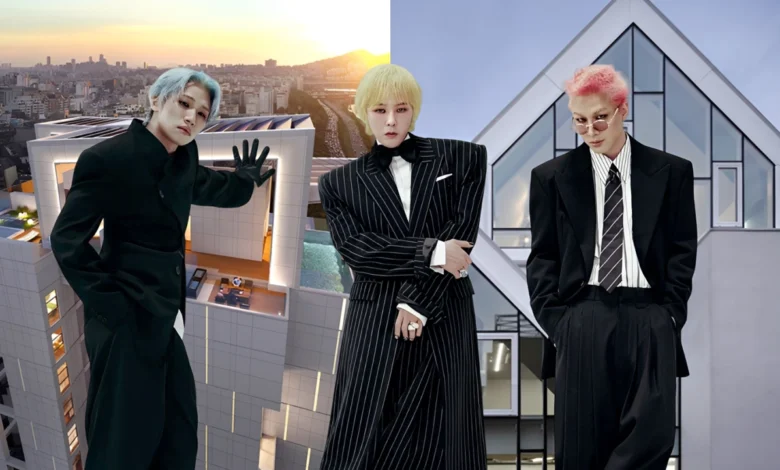
The legendary South Korean boy band BigBang, which debuted in 2006, continues to captivate global audiences as they celebrate their 20th anniversary with the highly anticipated "XX: Cosmos" world tour. While the group’s musical influence remains undisputed, the trio of remaining members—G-Dragon, Taeyang, and Daesung—has also garnered significant attention from financial analysts and real estate experts. Beyond their stage performances, the members have built massive, diversified portfolios, investing in some of the most exclusive and high-value residential and commercial properties in Seoul. Their strategic acquisitions have not only provided them with luxurious living spaces but have also seen their net worth grow exponentially due to the rapid appreciation of South Korea’s prime real estate market.
A Legacy of Success: The "XX: Cosmos" Milestone
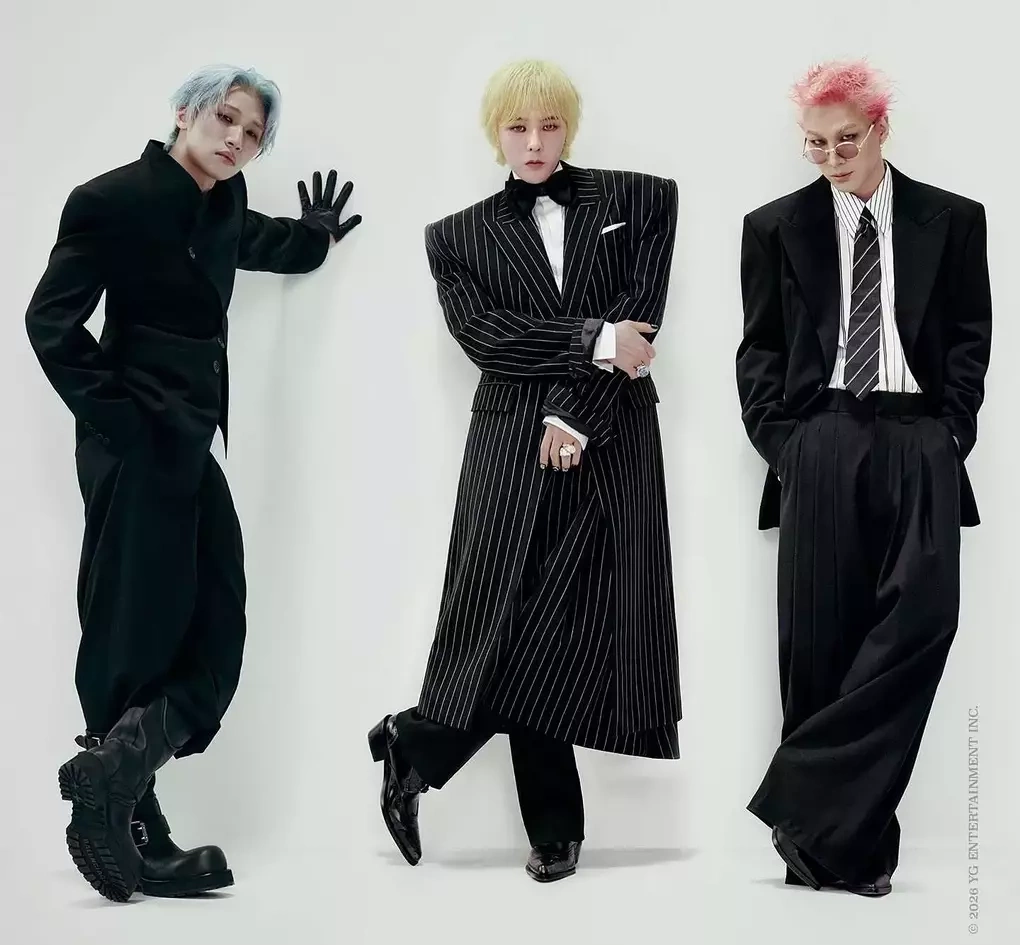
As BigBang prepares for their back-to-back performances at the My Dinh National Stadium in Hanoi on October 24–25, 2026, the global K-pop community is reflecting on the group’s two-decade journey. "XX: Cosmos" serves as more than just a tour; it is a commemorative celebration of the members’ resilience and enduring popularity. Since the departure of other members, the remaining core—G-Dragon, Taeyang, and Daesung—has successfully navigated the industry’s evolution, balancing their artistic output with savvy investment strategies that have solidified their status as some of the wealthiest entertainers in South Korea.

G-Dragon: The Visionary Collector of Prime Real Estate
Kwon Ji-yong, better known as G-Dragon, has long been recognized for his trendsetting aesthetic, a trait that extends clearly into his real estate investment philosophy. His portfolio includes some of the most sought-after addresses in Seoul, specifically in the affluent districts of Hannam-dong, Seongsu-dong, and Cheongdam-dong.
In 2022, G-Dragon made headlines by acquiring a luxurious penthouse in the "Nine One Hannam" complex in Yongsan district for approximately 16.4 billion won (approximately $12.3 million). Spanning 244 square meters, the residence is located in one of the most prestigious neighborhoods in the capital. Nine One Hannam, which was completed in 2019, is known for its high-security, low-density living, housing only 341 units across nine buildings.
Further diversifying his assets, G-Dragon purchased a unit in the "Galleria Forêt" project in Seongsu-dong in 2013 for 3.03 billion won. The appreciation of this asset has been staggering; similar units in the same development were transacted for as much as 8.75 billion won by 2025.
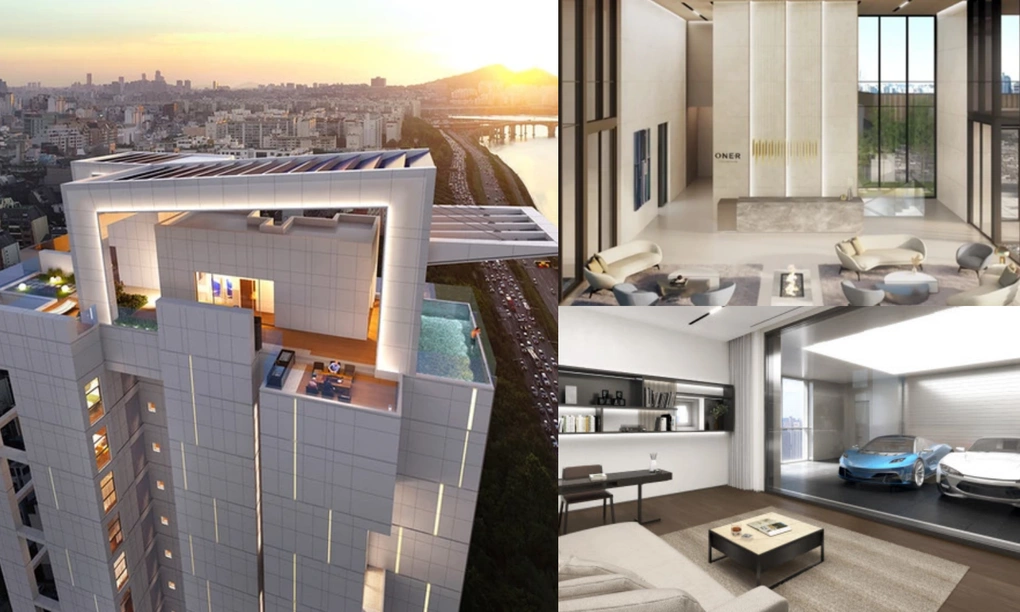
Perhaps his most ambitious residential acquisition to date is his unit at the "Warner Cheongdam," purchased in 2022 for an estimated 18 billion won. Expected to be a landmark in residential design upon its final completion in late 2025, the building features 20 floors above ground and four basement levels. A standout feature of the project is its "sky garage" system, which allows residents to transport their vehicles directly to their floors using specialized elevator technology, replacing traditional subterranean parking with a seamless, high-tech experience.
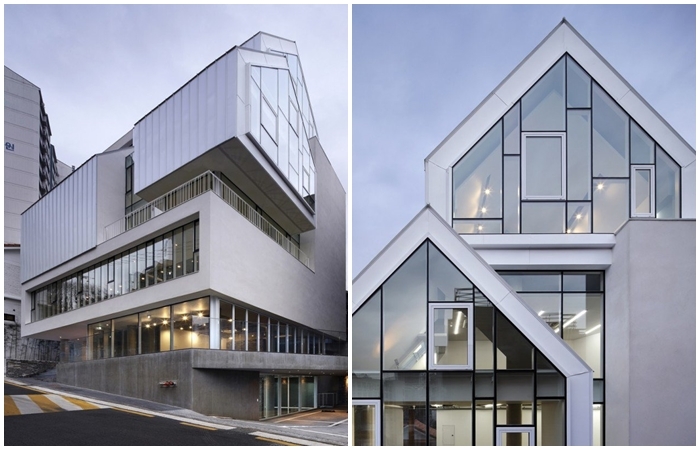
Beyond residential units, G-Dragon is a major player in commercial real estate. In November 2017, he purchased a building in the heart of the Cheongdam-dong fashion district for 8.85 billion won. The property is widely acclaimed for its architectural innovation, having earned prestigious design awards from the Gangnam district office.
Taeyang: Strategic Family Investments and Passive Income
Dong Young-bae, professionally known as Taeyang, has approached real estate with a focus on stability and high-end residential comfort. In late 2020, following his marriage to actress Min Hyo-rin, Taeyang purchased a penthouse in the "Janghak Paarc Hannam" complex, located in the elite UN Village area of Hannam-dong.
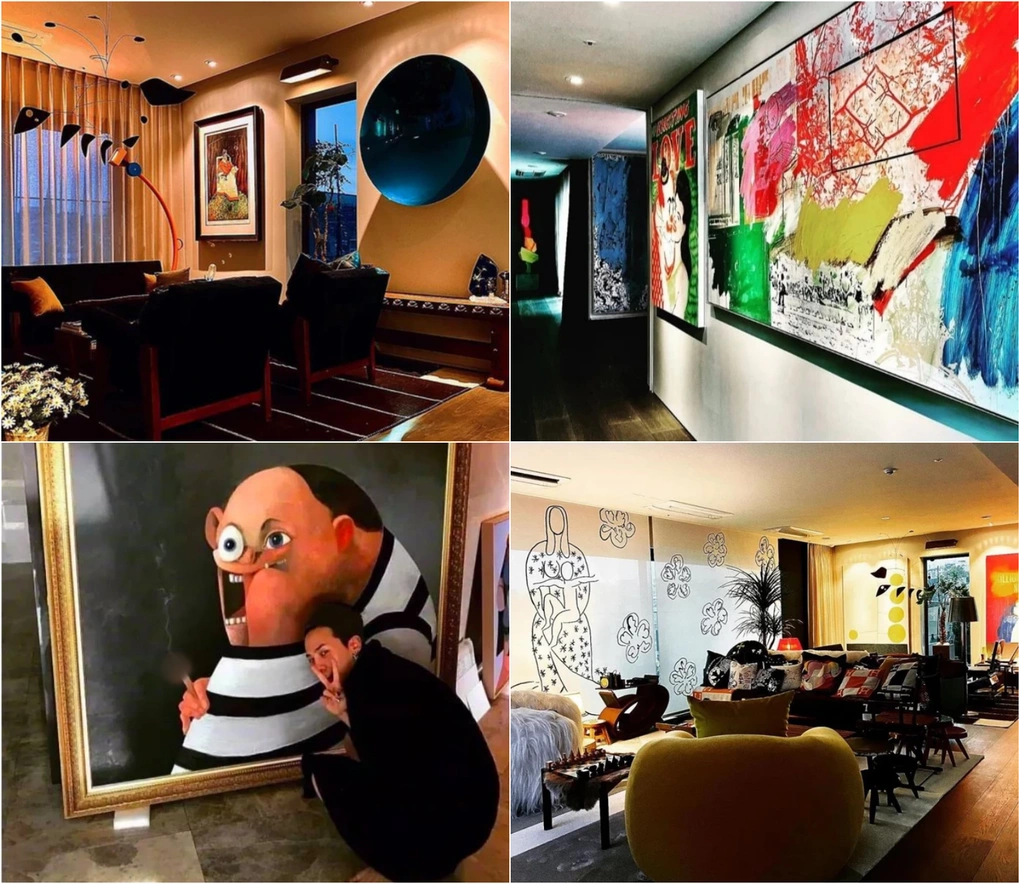
The property, which cost the couple 13.2 billion won (approximately $9.9 million), is a testament to architectural grandeur. The building, completed in 2020, houses only 17 units, with 15 of them featuring a dramatic duplex design that maximizes the view of the Han River. The residence offers five bedrooms and five bathrooms, providing an expansive space for the couple and their family. Financial records indicate a split ownership structure, with 94% held by Taeyang and 6% by Min Hyo-rin.
Taeyang’s real estate history also reflects an ability to time the market perfectly. In 2014, he acquired a 231-square-meter villa in the UN Village for $3.75 million, an asset he eventually sold for a significant profit. Furthermore, his commercial portfolio is robust; he purchased a seven-story building in Hannam-dong in 2016 for 7.75 billion won. The property has become a reliable source of passive income, reportedly generating roughly $26,800 in monthly rental revenue as of recent market assessments.
Daesung: The Commercial Real Estate Mogul
Kang Dae-sung, known as Daesung, has arguably the most aggressive commercial real estate portfolio among the trio. His total real estate holdings are estimated to be valued well over 100 billion won (approximately $75 million).
Daesung’s residential base, acquired in 2015 for 1.45 billion won, is the "Heukseok Mark Hills" in the Dongjak district. This exclusive 18-unit apartment complex is famous for its panoramic views of the Han River and its proximity to major cultural landmarks, including the site of the annual Seoul International Fireworks Festival. The value of this specific apartment has surged alongside the market, currently estimated at nearly 10 billion won—a nearly seven-fold increase in just over a decade.
However, Daesung’s primary wealth driver is his commercial building located on Dosan-daero in Nonhyeon-dong, Gangnam. Purchased in 2017 for 31 billion won, the building sits on a 909-square-meter plot near key transit hubs like Apgujeong Rodeo and the Gangnam-gu Office. Its strategic location and the rapid development of the surrounding commercial district have pushed its current valuation past 90 billion won, effectively tripling his original investment.
Broader Economic Implications and Market Impact
The property investments of the BigBang members mirror a broader trend among South Korea’s high-net-worth individuals, who favor "trophy assets" in the prime "Gold Triangle" of Seoul (Gangnam, Seocho, and Yongsan districts). These districts have consistently outperformed the national average in terms of capital appreciation, driven by limited supply and high demand from the nation’s elite.
Financial analysts note that the members’ portfolios serve as a hedge against inflation and market volatility. By shifting capital from liquid assets (like music royalties and appearance fees) into tangible, high-value real estate, the artists have secured long-term financial independence. Furthermore, the high visibility of their properties—often featured in design magazines or on their personal social media accounts—has inadvertently boosted the prestige of the complexes they inhabit, potentially increasing the market value of these buildings through "celebrity influence."
As BigBang continues their 20th-anniversary tour, their financial success provides a fascinating contrast to their artistic lives. While they remain icons of the K-pop stage, their roles as shrewd investors have cemented their status as fixtures in the upper echelons of South Korean society. The stability provided by these massive portfolios likely grants the members the creative freedom to pursue their artistic projects, such as the "XX: Cosmos" tour, on their own terms, free from the immediate pressures of industry-driven commercial output.
As of late 2026, the combined value of the real estate holdings discussed underscores not just the personal wealth of the BigBang members, but also the enduring allure of Seoul’s most exclusive zip codes. For G-Dragon, Taeyang, and Daesung, the future appears as solid as the foundations of the buildings they own.