Innovative Smart Helmet Buckle Leverages NFC Technology to Revolutionize Emergency Medical Response for Cyclists and Motorcyclists

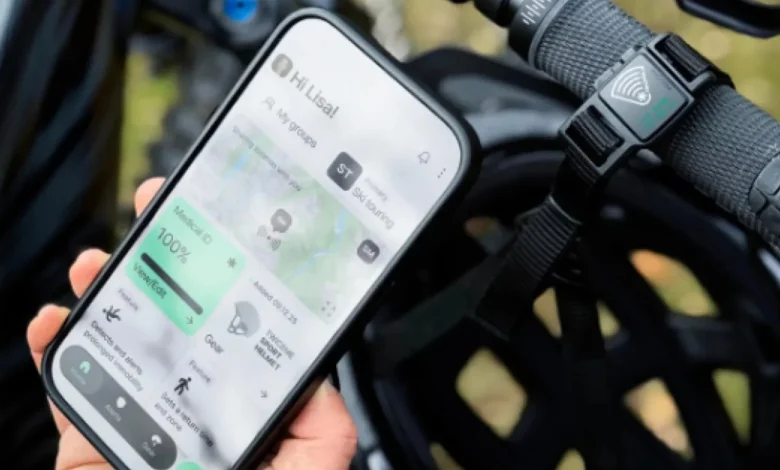
The landscape of personal protective equipment is undergoing a digital transformation as manufacturers prioritize not just physical impact protection, but the critical minutes following an accident. In a landmark collaboration between German fastener specialist Fidlock and Swedish safety-tech innovator Twiceme, a new smart helmet buckle dubbed "Snap" has been unveiled. This device integrates Near Field Communication (NFC) technology directly into the helmet’s fastening system, allowing emergency responders to access life-saving medical data and contact information instantaneously, even if the wearer is unconscious. Unlike previous iterations of smart headgear, this technology requires no internal batteries and operates independently of cellular networks, ensuring reliability in the most remote or high-stakes environments.
The Evolution of the Golden Hour in Trauma Care
In the field of emergency medicine, the "Golden Hour" refers to the period immediately following a traumatic injury during which there is the highest likelihood that prompt medical and surgical treatment will prevent death. For motorcyclists and cyclists, who are among the most vulnerable road users, the first few minutes of this hour are often spent in a state of confusion or unconsciousness. Identifying a victim’s blood type, existing allergies, or pre-existing medical conditions like diabetes or heart disease is a significant challenge for first responders arriving at a crash scene.
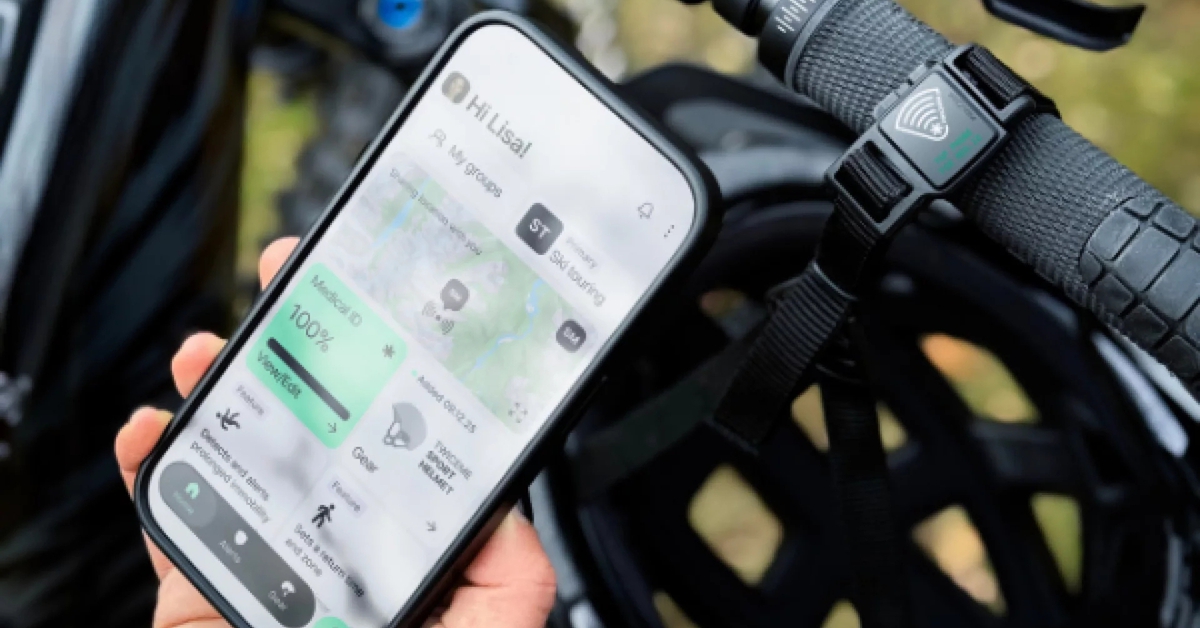
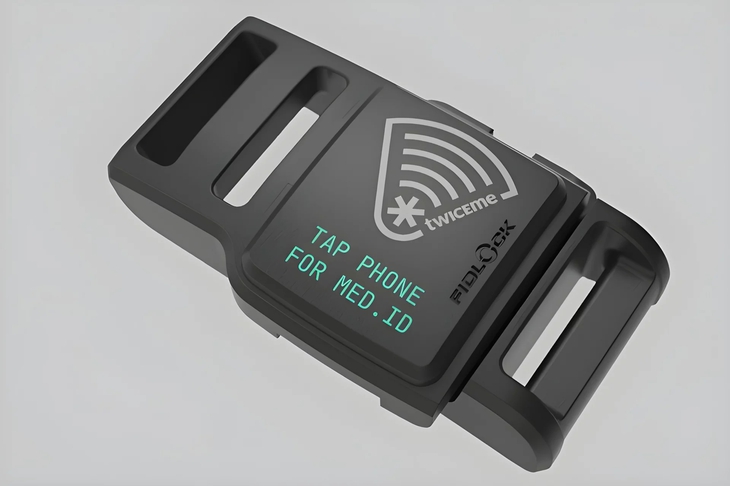
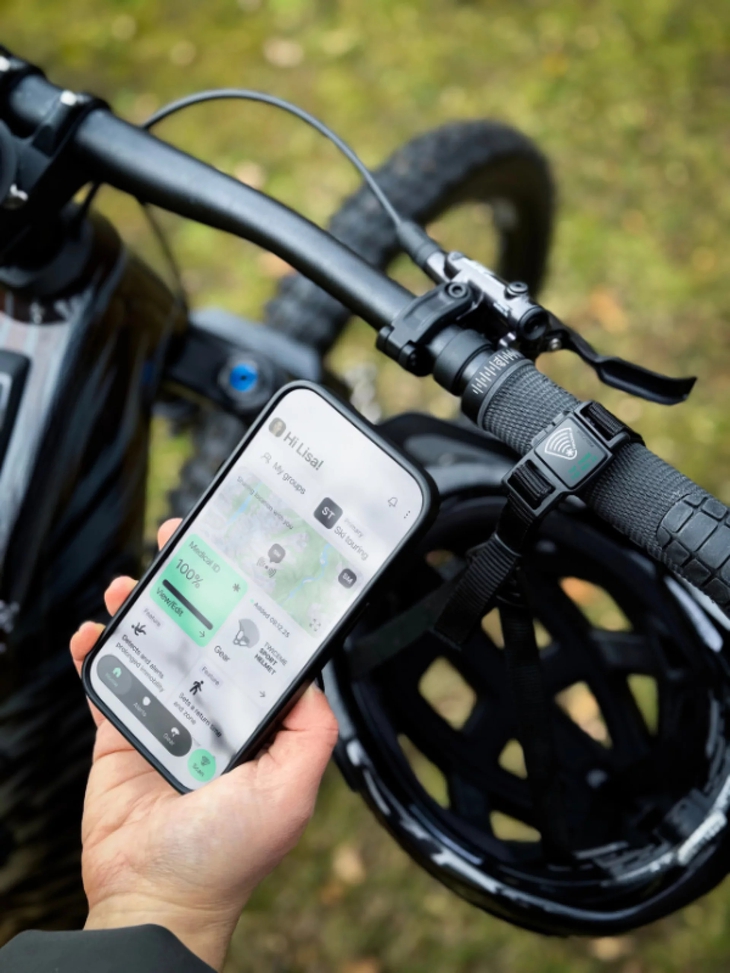
Traditional methods of carrying medical information, such as "In Case of Emergency" (ICE) cards in wallets or medical alert bracelets, are often overlooked or damaged during high-speed impacts. The Snap buckle addresses this by placing the information exactly where a rescuer’s hands are likely to go when securing a victim: the helmet. By utilizing a passive NFC chip, the device provides a digital "medical ID" that can be read by any modern smartphone equipped with an NFC reader and the corresponding application.
Technical Specifications: Merging Magnetics with Connectivity
The Snap buckle is built upon Fidlock’s proprietary magnetic-mechanical technology. Known for their high-end fasteners used in the outdoor, cycling, and tactical industries, Fidlock has engineered a buckle that combines the security of a mechanical lock with the ease of a magnetic closure. The design allows for effortless one-handed operation, which is a crucial ergonomic benefit for riders wearing gloves or those who may have limited mobility in one hand following a minor spill.
The technological core of the device is provided by Twiceme. Their integrated NFC solution is a "passive" system, meaning it does not have a power source of its own. It draws a tiny amount of energy from the scanning smartphone to transmit the stored data. This is a significant advantage over "active" smart helmets that require frequent charging. A safety device that fails because the user forgot to plug it in is a liability; the Snap buckle is designed to be "always on" and ready for the lifetime of the helmet.

How the System Works in an Emergency Scenario
When a first responder arrives at the scene of a motorcycle or bicycle accident, their primary goal is to stabilize the patient. If the rider is non-responsive, the rescuer can look for the Twiceme symbol on the helmet buckle. By tapping their smartphone against the buckle, the rescuer gains access to a profile previously set up by the user. This profile can include:
- Full name and date of birth.
- Emergency contact numbers (Next of Kin).
- Blood type.
- Allergies (e.g., to penicillin or latex).
- Current medications.
- Insurance information.
- Precise GPS coordinates of where the data was last uploaded (if applicable).
Because the data is stored locally on the chip, it does not require an active internet connection to be read. This is particularly vital for mountain bikers or long-distance touring motorcyclists who frequently travel through areas with poor or non-existent signal coverage.
Global Context: The Rising Need for Smart PPE
The development of the Snap buckle comes at a time when road safety statistics remain a global concern. According to the World Health Organization (WHO), approximately 1.3 million people die each year as a result of road traffic crashes, and more than half of all road traffic deaths are among vulnerable road users: pedestrians, cyclists, and motorcyclists. In Southeast Asian nations, where two-wheeled transport is the primary mode of commuting, the density of traffic significantly increases the risk of collisions.

The industry is seeing a shift toward "Smart PPE" (Personal Protective Equipment). While helmets have traditionally focused on structural integrity and rotational force reduction (such as MIPS technology), the integration of digital tools is the next frontier. The Fidlock and Twiceme partnership is unique because it focuses on a component—the buckle—that can be adopted by a wide variety of helmet brands rather than requiring a consumer to buy one specific, often expensive, smart helmet model.
Chronology and Market Roadmap
The partnership between Fidlock and Twiceme was formalized after several years of independent research into how to make safety gear more communicative. Fidlock had already mastered the ergonomics of the buckle, while Twiceme had successfully integrated NFC technology into ski helmets and construction hard hats.
According to the official project timeline, Fidlock intends to begin supplying the Snap buckle to original equipment manufacturers (OEMs) in the motorcycle and cycling sectors starting in the second half of 2026. Following the initial rollout in the motorcycling world, the technology will be expanded to a broader range of sports helmets, including those for skiing, climbing, and high-altitude mountaineering, by the end of that year.
Currently, there is no confirmed information regarding a retail "retrofit" kit. This suggests that, at least initially, the technology will be available only on new premium helmet models from brands that choose to partner with Fidlock. However, the modular nature of the Snap design suggests that a consumer-facing aftermarket version could be a logical next step for the company.
Data Privacy and User Control
One of the primary concerns with any digital medical ID is data privacy. Twiceme has addressed this by ensuring that the user has complete control over what information is uploaded to the chip. The data is encrypted and is only accessible via a physical "tap" of a smartphone, preventing remote "skimming" of personal information. Furthermore, the system is designed to be GDPR compliant, ensuring that personal health information is handled with the highest standards of digital security. Users can update their medical information at any time via the Twiceme app, ensuring that their profile remains accurate as their health status or emergency contacts change.
Analysis of Implications for the Safety Industry
The introduction of the Snap buckle could have far-reaching implications beyond just immediate medical care. Insurance companies have long looked for ways to incentivize safety among riders. It is possible that in the future, riders using helmets equipped with verified digital medical IDs could see a reduction in their insurance premiums, similar to how "black box" telematics are used in cars.
Moreover, for professional rescue services, the standardization of such technology would be a major boon. If every helmet buckle became a potential source of information, it would change the standard operating procedure for paramedics globally. Instead of searching through bags for a phone or a wallet—which might be thrown several meters from the victim during a crash—the information is physically attached to the most protected part of the victim: their head.
Conclusion: A New Standard for Rider Safety
The Fidlock and Twiceme Snap buckle represents a subtle but profound shift in safety philosophy. It acknowledges that while we cannot prevent every accident, we can significantly improve the quality of care provided in the aftermath. By removing the barriers of batteries, internet connectivity, and the need for a victim to be conscious, the Snap buckle provides a silent sentinel for riders. As we move toward 2026, the industry will be watching closely to see which major helmet manufacturers adopt this standard, potentially making the "dumb" buckle a thing of the past. For the millions of people who rely on two-wheeled transport, this innovation offers more than just a secure fit—it offers a vital link to survival when every second counts.
Related posts: