Vietnam Heralded as Innovation Beacon by WIPO, Driving National Development Through Intellectual Property

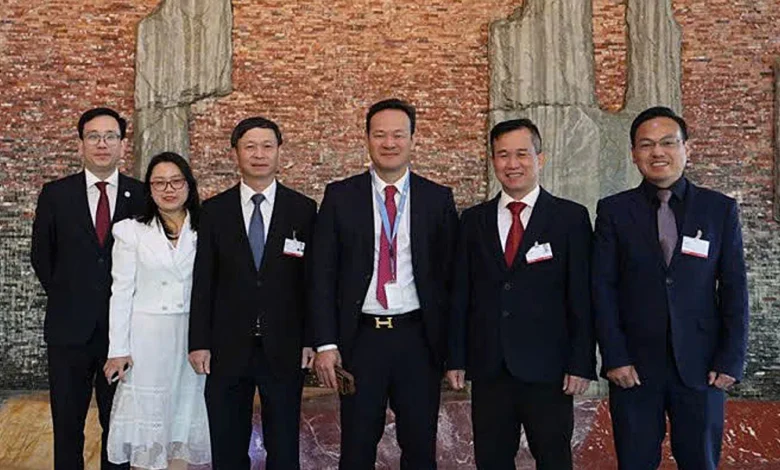
At the 67th session of the World Intellectual Property Organization (WIPO) General Assembly in Geneva on April 21st, Vietnam was lauded by WIPO Director General Daren Tang as a shining example of innovation for emerging economies that the global community can learn from. This recognition underscores Vietnam’s significant strides in leveraging intellectual property (IP) as a critical engine for its national development strategy, fostering an environment conducive to creativity and technological advancement.
Strategic Commitment to Innovation and IP
The commendation from Director General Tang highlights Vietnam’s "strong political commitment" to integrating science, technology, and innovation into its national development blueprints. This commitment is not merely rhetorical; it is manifesting in concrete policy actions and strategic initiatives. Tang further emphasized the pivotal role of intellectual property, stating, "IP is not just a legal shield; it is a tool to drive innovation and foster a knowledge-based economy." This sentiment resonates deeply with Vietnam’s current trajectory, where intangible assets are increasingly recognized as crucial drivers of economic growth and competitiveness in the 21st century.
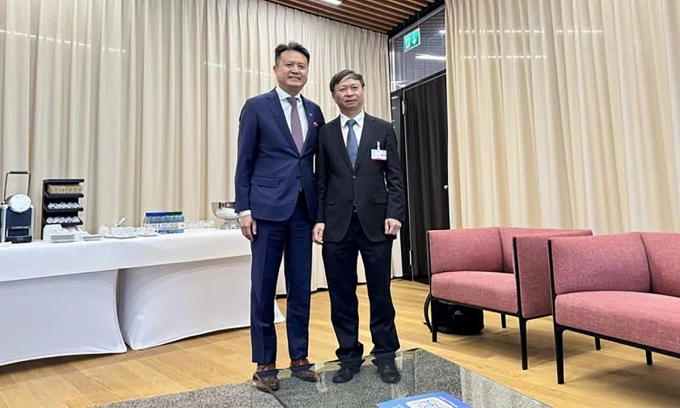
The Director General’s remarks were made during a bilateral meeting with Vietnamese Minister of Science and Technology Hoang Minh, a significant event that signifies the deepening cooperation between Vietnam and WIPO. This high-level dialogue underscores the mutual recognition of the importance of intellectual property in shaping national economies and fostering global progress.
Vietnam’s Position in the Global Innovation Index (GII)
Further substantiating this praise, the Global Innovation Index (GII) report, released in September 2025, placed Vietnam at an impressive 44th position, maintaining its standing from the previous year. This consistent performance within the top half of global economies is a testament to Vietnam’s sustained efforts in building a robust innovation ecosystem.
The GII rankings, compiled annually by WIPO, Cornell University, and the European Institute of Business Administration (INSEAD), assess the innovation capabilities and outputs of economies worldwide. Vietnam’s consistent upward mobility in this prestigious index reflects its successful implementation of policies aimed at enhancing its innovative capacity, research and development (R&D) infrastructure, and the overall business environment for creative industries.
Key Innovation Pillars and Drivers
The GII report also sheds light on specific areas where Vietnam is demonstrating leadership. Notably, the country is leading globally in three sub-pillars. One of these is the high-tech import penetration rate, standing at an impressive 29.4%. This figure, on par with Hong Kong (China) and ahead of Malaysia and the Philippines (ranking third and fourth respectively), indicates Vietnam’s significant reliance on and integration of advanced technologies into its economy. While this highlights the nation’s capacity to absorb cutting-edge innovations, it also underscores the imperative for deepening domestic R&D capabilities and fostering greater integration into global value chains.
The strategic importance of intellectual property as a driver of innovation and economic development was a central theme in the discussions. Minister Hoang Minh articulated this sentiment, emphasizing that intellectual property is a crucial catalyst for innovation, economic growth, and sustainable development. He further highlighted the central role of science, technology, and digital transformation in Vietnam’s national development strategy for the period 2026-2031. Vietnam’s reaffirmation of its commitment to supporting WIPO’s development agenda and continuing its collaboration aims to build a comprehensive, inclusive, and sustainable global IP ecosystem.
Strategic IP Initiatives Driving Progress
Vietnam’s proactive approach to IP is evident in its development of the Global Innovation Index (GII) national innovation indicators and the National Intellectual Property Strategy. These initiatives serve as vital frameworks for coordinating government efforts and aligning them with international best practices. The development of the "GII-based innovation support system" and the "National Innovation Policy (PII)" are designed to foster greater synergy between government policies and IP protection, ultimately accelerating innovation and economic growth.
The establishment of these systems signifies a sophisticated understanding of the interconnectedness between IP rights, innovation, and economic competitiveness. By creating a more robust and streamlined IP framework, Vietnam aims to incentivize R&D, attract foreign investment, and empower its domestic businesses to thrive in the global marketplace.
Strengthening International Cooperation and Capacity Building
The bilateral meeting between Minister Hoang Minh and Director General Daren Tang also served as a platform to discuss enhanced cooperation between Vietnam and WIPO. Key areas of focus included:
- Technical Assistance: Strengthening technical assistance in refining the legal framework for IP protection. This involves ensuring that Vietnam’s IP laws are up-to-date, comprehensive, and effectively enforced to provide a secure environment for innovators and investors.
- Capacity Building and Training: Developing specialized training programs to enhance the expertise of IP enforcement officials and to equip businesses with the knowledge and skills to effectively leverage IP for commercial advantage. This includes fostering a culture of IP awareness and utilization among entrepreneurs and businesses.
- Commercialization and Monetization: Developing platforms and services to support businesses in exploiting and commercializing their intellectual property assets. This involves providing guidance on licensing, technology transfer, and other mechanisms for generating revenue from innovations.
- Fostering Innovation Ecosystems: Promoting innovation and entrepreneurship, particularly in the fields of technology and creative industries. This includes creating supportive environments for startups, SMEs, and research institutions to develop and commercialize their innovations.
The discussions also encompassed the progress in cooperation on patents and geographical indications. Both parties acknowledged the positive developments in information exchange and experience sharing in the management and enforcement of these IP rights, underscoring the practical benefits of their collaborative efforts.
Vietnam’s Role in Global IP Governance
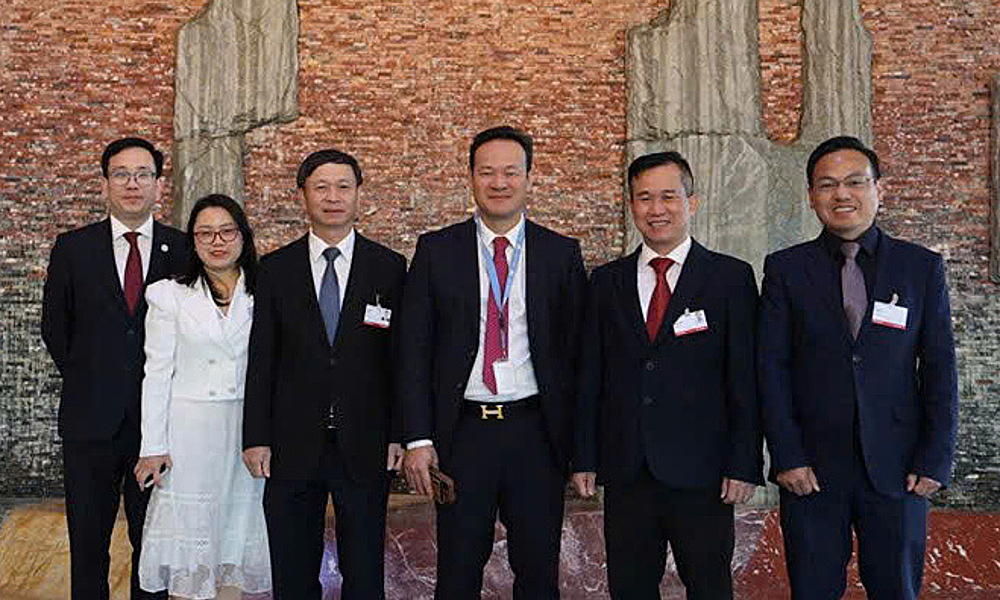
Beyond bilateral engagements, Vietnam’s active participation in WIPO’s governance mechanisms was highlighted. The Vietnamese delegation participated in the election of the Director General for a second term (2026-2032). This involvement is a critical aspect of Vietnam’s commitment to global IP governance, allowing it to contribute to shaping the future direction of WIPO and to ensure that the organization’s priorities align with the needs of its member states, particularly developing economies. The election process itself is a fundamental requirement for member states, fostering dialogue and consensus on high-level WIPO matters.
Director General Daren Tang’s re-election for a second term, commencing October 1, 2026, and concluding September 30, 2032, signals a period of continuity and potential for deepening WIPO’s impact globally. Vietnam’s engagement in this process demonstrates its commitment to contributing to the organization’s strategic objectives and to the advancement of intellectual property worldwide.
Broader Implications for National Development
Vietnam’s proactive stance on intellectual property and innovation has far-reaching implications for its national development. By embracing IP as a strategic asset, the country is not only fostering a more dynamic and competitive economy but also laying the groundwork for sustainable growth. The recognition by WIPO serves as a powerful endorsement of Vietnam’s progress and a catalyst for further investment and collaboration.
The emphasis on knowledge-based economic development positions Vietnam to capitalize on the opportunities presented by the Fourth Industrial Revolution. By strengthening its IP framework, nurturing its innovation ecosystem, and fostering a culture of creativity, Vietnam is charting a course towards becoming a leading innovation hub in the region and a significant player on the global economic stage. The ongoing collaboration with WIPO will undoubtedly be instrumental in realizing this ambitious vision.
The successful integration of science, technology, and innovation into national development strategies, coupled with a robust IP framework, is crucial for any nation seeking to thrive in the modern global economy. Vietnam’s journey serves as an inspiring case study, demonstrating how strategic policy, international cooperation, and a clear vision can transform a nation’s innovative potential into tangible economic and social progress. The country’s commitment to intellectual property is not merely about protecting existing creations; it is about cultivating a future where innovation is a perpetual engine of prosperity and well-being for its citizens and a positive contributor to global advancement.
Related posts: