Ho Chi Minh City Task Force Clears Path for Over 33,000 Commercial Housing Pink Books After Intensive Review

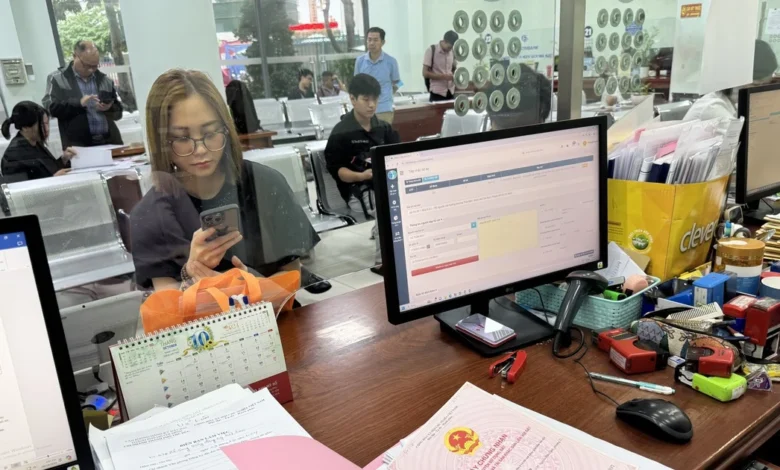
Ho Chi Minh City, Vietnam – A dedicated task force established by the Ho Chi Minh City People’s Committee has significantly accelerated the issuance of "pink books," or certificates of land use rights and house ownership, for thousands of commercial housing units, marking a crucial step towards resolving long-standing property registration issues in the bustling metropolis. According to a recent report from the Department of Natural Resources and Environment (DONRE) of Ho Chi Minh City, following the formation of the task force (officially designated Task Force 1645) to address bottlenecks in granting these essential property titles for commercial housing projects, the unit has convened over 60 meetings. These intensive sessions were aimed at dissecting and untangling the complex administrative and legal hurdles faced by 251 specific projects across the city. The concerted efforts have yielded substantial results, with 219 of these projects now meeting the stringent conditions for pink book issuance, collectively encompassing a remarkable 33,035 apartments and houses.
A Landmark Achievement in Property Title Resolution
The announcement by the Ho Chi Minh City DONRE highlights a pivotal moment for both the city’s real estate sector and its homeowners. Of the 251 commercial housing projects that were under scrutiny by Task Force 1645, a substantial 219 have been deemed compliant with the necessary legal and financial requirements. This compliance paves the way for the official granting of property ownership certificates to the occupants of 33,035 residential units. Furthermore, the task force’s diligent work has involved the meticulous processing of 9,705 related files, which have subsequently been transferred to the relevant tax authorities for the fulfillment of financial obligations, a prerequisite for the final issuance of pink books. This extensive review and resolution process underscores the city’s commitment to enhancing transparency, bolstering legal certainty for property owners, and revitalizing the real estate market.
The "pink book" is more than just a piece of paper; it is the fundamental legal document that certifies an individual’s or entity’s land use rights and ownership of houses or other land-attached assets in Vietnam. Its absence can lead to numerous complications, including the inability to legally sell, mortgage, or transfer property, thereby diminishing asset value and creating significant financial and legal insecurity for homeowners. For years, the delay in issuing these certificates for commercial housing projects has been a contentious issue in Ho Chi Minh City, affecting tens of thousands of residents and hindering the healthy development of the real estate market. The recent progress signifies a significant shift in addressing these systemic challenges, offering a tangible solution to a problem that has long frustrated property owners and investors alike.
The Genesis of Task Force 1645: Addressing Systemic Hurdles
The establishment of Task Force 1645 by the Ho Chi Minh City People’s Committee was a direct response to a burgeoning crisis in property title issuance that had plagued the city for several years. Mr. Nguyen Toan Thang, Director of the Department of Natural Resources and Environment and Head of Task Force 1645, acknowledged that the process of issuing pink books for commercial housing projects had experienced significant delays. These delays, he explained, were primarily attributed to six distinct groups of obstacles that had been identified by DONRE and subsequently reported to the Ho Chi Minh City People’s Committee for resolution.
While the specific details of these six obstacle groups were not fully enumerated in the initial report, common systemic issues that have historically contributed to delays in property title issuance in Vietnam, and particularly in HCMC, often include categories such as:
- Inconsistencies in Land Use Fees and Financial Obligations: Discrepancies between initially calculated land use fees and revised assessments, or developers failing to fully pay these fees to the state budget, often due to changes in project scale, land use purpose, or incomplete financial settlements with the state. This often leads to prolonged disputes between developers and state agencies.
- Violations of Construction Permits and Planning: Instances where developers constructed buildings that deviated from approved permits, exceeded designated floor areas, altered land use plans without proper authorization, or encroached on public land. Such violations necessitate complex rectification processes, including fines and retrospective approvals, which can take years.
- Legal and Regulatory Overlaps and Gaps: The Vietnamese legal framework governing real estate, while evolving, sometimes presents conflicting regulations between different laws (e.g., Land Law, Housing Law, Investment Law, Construction Law). These overlaps or gaps create bureaucratic impasses, requiring inter-ministerial guidance, central government intervention, or specific local resolutions, thereby slowing down the administrative machinery.
- Changes in Master Planning and Project Adjustments: Subsequent revisions to the city’s master plan or detailed planning for specific areas often impact existing projects. These changes necessitate re-evaluation and approval processes for previously sanctioned developments, which can be lengthy and complex, especially if they require compensation or alterations to project scope.
- Disputes and Developer Non-Compliance: Issues such as developer bankruptcy, internal disputes among project investors, or failure to meet commitments to buyers or the state. These problems can involve multiple investors, changes in project ownership, or protracted legal battles, all of which halt the pink book issuance process.
- Lack of Inter-Agency Coordination: Insufficient communication, data sharing, and coordinated action among various government departments involved in property management (e.g., DONRE, Department of Construction, Department of Planning and Investment, Tax Department). This siloed approach often leads to delays as documents move slowly between agencies, each requiring separate reviews and approvals.
These multifaceted challenges created a complex web of administrative and legal quagmires, leaving many homeowners in limbo and significantly impacting the liquidity and confidence in HCMC’s real estate market. The formation of a dedicated task force, with a clear mandate to identify, analyze, and propose solutions for these specific obstacles, represented a concerted effort to cut through the red tape and streamline the process. The task force’s establishment marked a strategic shift from a reactive approach to a proactive, problem-solving one, with high-level backing from the municipal government. Its mandate included not only identifying the problems but also facilitating inter-agency cooperation to implement solutions effectively.
Strategic Approach and Operational Efficiency
The operational strategy adopted by Task Force 1645 has been characterized by its consistent and focused approach. Mr. Thang highlighted that the task force convenes weekly, dedicating each session to resolving issues for approximately 5 to 6 projects. This disciplined rhythm allows for in-depth analysis of each case, bringing together relevant departmental representatives to make swift, coordinated decisions. The projects under review encompass a wide spectrum, from those that have been mired in bureaucratic delays for decades – some dating back to the early days of the city’s economic liberalization in the 1990s – to newer developments that have recently been put into use but are still awaiting their crucial pink books. This comprehensive approach ensures that both legacy issues and contemporary challenges are addressed systematically, preventing new backlogs from accumulating while tackling historical ones.
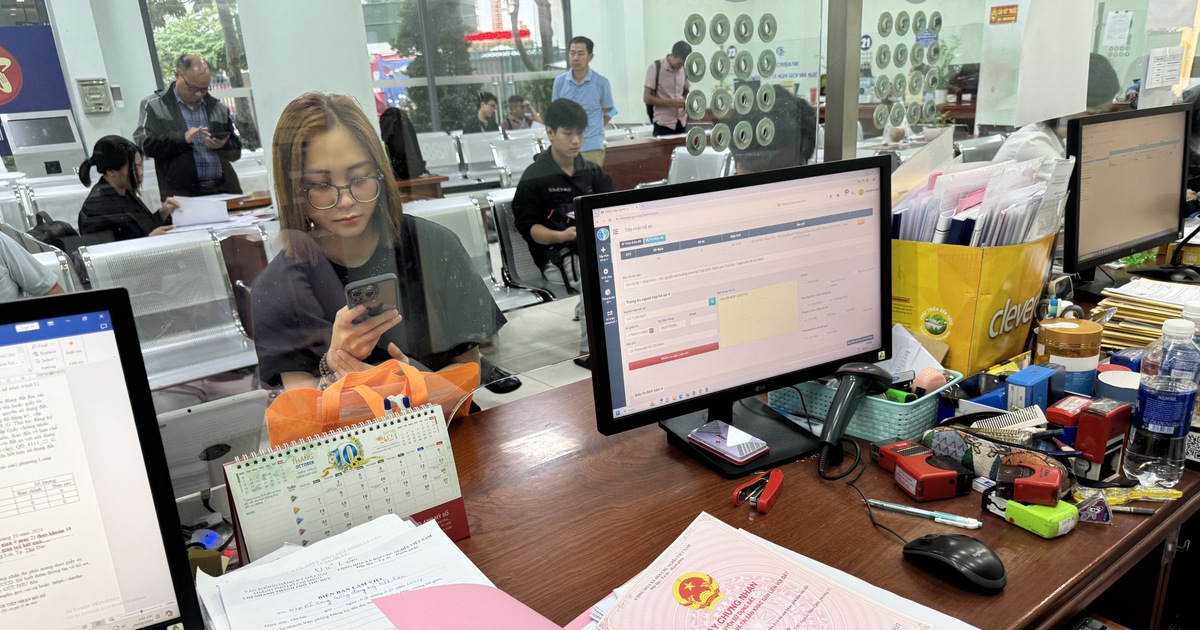
A particularly impactful reform highlighted by Mr. Thang is the revision of the application process for pink books. Previously, the responsibility for submitting documentation for property title issuance lay solely with the project investor. This often created a dependency that could stall the entire process if the developer faced financial difficulties, legal disputes, or simply failed to prioritize the final administrative steps. Such a system placed homebuyers at a significant disadvantage, often leaving them with completed homes but without the essential legal documentation. The current, more "open" regulations now permit individual homebuyers to directly submit their applications for pink books. This policy change empowers property owners, removing a significant bottleneck and reducing their vulnerability to developer-related delays. The ability for homebuyers to directly engage with the authorities has been instrumental in clearing the path for tens of thousands of apartments and houses in commercial housing projects to finally receive their legal documentation. This direct submission channel not only speeds up the process but also increases accountability and transparency, as homeowners can directly track the progress of their applications, thereby fostering greater trust in the administrative system.
Unlocking Value: Financial and Economic Implications
The success of Task Force 1645 and the broader efforts to streamline property registration extend beyond merely issuing documents; they have significant financial and economic implications for Ho Chi Minh City. Data from the Ho Chi Minh City Land Registration Office for the first three months of 2026 reveals the scale of these operations. During this period, a total of 204,528 property files of various types were processed and resolved for organizations, households, and individuals across the city. Crucially, 10,312 pink books were issued specifically to homebuyers within commercial housing projects, directly benefiting thousands of families and stabilizing their property ownership.
Beyond initial issuance, the improved efficiency in property registration has stimulated substantial economic activity. The Land Registration Office also processed approximately 113,847 files related to property transfers, mortgages, pre-sale taxes, and individual income taxes. The resolution of these files generated a significant 5,727 billion VND for the Ho Chi Minh City budget, contributing vital revenue for public services, urban infrastructure development, and social welfare programs. This substantial inflow demonstrates how efficient administrative processes can directly translate into tangible economic benefits for the local government, bolstering its financial capacity.
Furthermore, the facilitation of transfers and mortgages has unlocked immense capital within the real estate market. The value generated from mortgages and the transfer of land use rights and land-attached assets amounted to an astounding 613,487 billion VND. This represents a massive injection of liquidity into the economy, enabling property owners to leverage their assets for investment, business expansion, or personal consumption. For the real estate sector, this increased capital flow is critical, allowing for new investments, project developments, and supporting overall economic growth. It reflects a healthier, more dynamic property market where assets are liquid and can be effectively utilized as collateral or traded, fostering greater confidence among investors and homebuyers alike. This flow of capital is crucial for an economy heavily reliant on real estate and construction as drivers of growth.
Expert Insights and Future Outlook
The proactive measures taken by the Ho Chi Minh City People’s Committee and the diligent work of Task Force 1645 have been widely lauded as a positive development for the city’s real estate landscape. Industry experts and real estate associations have long advocated for such decisive action to address the pervasive issue of delayed pink book issuance, which has been a major impediment to market growth and investor confidence. Mr. Nguyen Toan Thang’s reiteration of the removal of the six groups of obstacles signifies a deep understanding of the systemic problems and a determined effort to provide practical solutions. This signals a more stable and predictable regulatory environment for both developers and consumers, fostering a healthier and more sustainable real estate market. The consistency of weekly meetings and the direct engagement with complex cases highlight a commitment to ongoing problem-solving, rather than a one-off effort.
Enhancing Homeowner Confidence and Market Transparency
For individual homeowners, receiving a pink book provides invaluable legal security. It protects their investment, clarifies ownership rights, and facilitates future transactions such as sales, inheritances, or gifting. This newfound certainty can significantly boost homeowner confidence, encouraging long-term investment in property and fostering a sense of stability within communities. Moreover, a transparent and efficient title issuance process reduces opportunities for fraud and disputes, contributing to a more orderly and trustworthy real estate market. With clearer titles, the secondary market for apartments and houses becomes more liquid and attractive, benefiting both buyers and sellers by streamlining due diligence and reducing transactional risks. This legal clarity is a cornerstone of a mature property market.
A Model for Administrative Reform
The success of Task Force 1645 serves as a compelling model for administrative reform within Ho Chi Minh City and potentially for other localities grappling with similar bureaucratic challenges. The ability to convene multiple departments, analyze complex cases, and implement targeted solutions on a regular basis demonstrates effective governance and a commitment to public service. The strategic shift to allow direct applications from homebuyers exemplifies a citizen-centric approach to administration, reducing reliance on intermediaries and empowering individuals. This integrated and agile problem-solving mechanism not only resolves immediate issues but also sets a precedent for how future administrative bottlenecks can be tackled efficiently. The sustained effort to clear backlogs and streamline processes is crucial for maintaining Ho Chi Minh City’s status as a leading economic hub in Southeast Asia, ensuring that its urban development keeps pace with its economic ambitions and the needs of its growing population. While significant progress has been made, the continuous monitoring and adaptation of policies will be essential to address emerging challenges and ensure that the property market remains fair, transparent, and accessible to all. The momentum generated by Task Force 1645 is expected to continue, building a stronger foundation for HCMC’s future urban landscape and reinforcing its position as a dynamic and well-governed metropolis.
Related posts: