Tăng Thanh Hà Surprised with Intimate Birthday Party While Vietnamese Artists Share Highlights of the Week

The Vietnamese entertainment landscape has once again captured public attention with a series of heartwarming milestones, surprising celebrations, and notable personal achievements from some of the country’s most beloved public figures. From milestone birthdays celebrated among lifelong friends to academic pursuits and musical collaborations across generations, the latest updates from Vietnam’s celebrity circle highlight a vibrant mix of personal dedication and enduring camaraderie.
A Two-Decade Friendship Marked by a Surprise Birthday Celebration for Tăng Thanh Hà
The Vietnamese entertainment scene was recently reminded of the power of enduring friendships when actress Tăng Thanh Hà was taken completely by surprise during an intimate birthday gathering organized by her close inner circle. Renowned stylist and close confidant Quang Tuyến took to his personal social media channels to share a heartwarming video documenting the elaborate setup, capturing the genuine shock and subsequent joy of the acclaimed actress.
According to the shared footage, Quang Tuyến, alongside fellow actor Quốc Cường and a mutual friend of actress Thân Thuý Hà, orchestrated a plan to lure Tăng Thanh Hà to a private residence under the guise of a casual gathering, only to unveil a carefully prepared birthday celebration.
The bond between Quang Tuyến and Tăng Thanh Hà spans nearly twenty years, a rare longevity in the fast-paced and often transient environment of the Vietnamese entertainment industry. Their professional relationship initially blossomed through collaborative work projects before transitioning into a management partnership and, ultimately, a deeply rooted personal friendship. Reflecting on their shared history, the veteran stylist expressed profound gratitude for their journey together.
"We have walked alongside one another through countless shifting tides of life," Quang Tuyến shared in a heartfelt social media post. "And now, after twenty years, we still sit here together, recounting old stories and laughing loudly during our rare reunions. That is the greatest happiness and achievement at this stage of my life. True happiness lies in knowing that surrounding me are trusted siblings to confide in, and older brothers and sisters who continually shower me with love."
The touching display quickly resonated with fans and industry peers alike, serving as a testament to the value of maintaining authentic connections amidst the pressures of public life. For Tăng Thanh Hà, who stepped back from intensive acting projects to focus on her family and business ventures, the celebration underscored the unwavering support system that has accompanied her throughout her career.
Generational Harmony: NSƯT Chí Trung and Singer Trường Tấn Deliver a Musical Surprise
In another notable highlight from the Vietnamese arts community, Meritorious Artist (NSƯT) Chí Trung delighted audiences by releasing a video featuring an intimate musical collaboration with rising singer Trường Tấn. The cross-generational performance brought together veteran theatrical talent and contemporary musical artistry, creating a memorable moment for fans of Vietnamese arts.
The video captures an acoustic session featuring Trường Tấn alongside his wife, Thanh Hoa, performing alongside NSƯT Chí Trung and his partner, Ý Lan. The informal gathering reached its emotional peak when Trường Tấn and Chí Trung picked up guitars to deliver a harmonious duet of Nắng ấm quê hương (Warm Sunlight of the Homeland), a legendary composition by the acclaimed late musician Vĩnh An. They were subsequently joined by Thanh Hoa and Ý Lan, whose harmonious backing vocals enriched the emotional depth of the performance.
Despite not being a professional vocalist by trade, NSƯT Chí Trung demonstrated remarkable vocal control, pitch accuracy, and artistic flair during the duet. Observers and fans alike praised the veteran artist for holding his own alongside professional singers, seamlessly matching Trường Tấn’s vocal delivery without missing a beat. The collaboration highlighted the deep-rooted camaraderie within the Vietnamese artistic community, bridging the gap between traditional theatre and contemporary vocal performance.
Academic Dedication: NSND Trịnh Kim Chi Shines in the Examination Room
Beyond social gatherings and artistic collaborations, members of Vietnam’s artistic elite continue to pursue academic and professional growth. Meritorious and People’s Artists alike are increasingly turning their focus toward advanced education, setting a powerful example for younger generations in the industry.
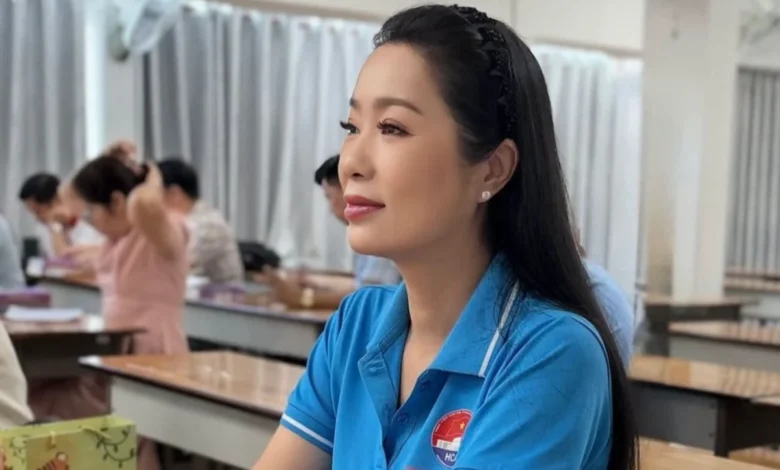
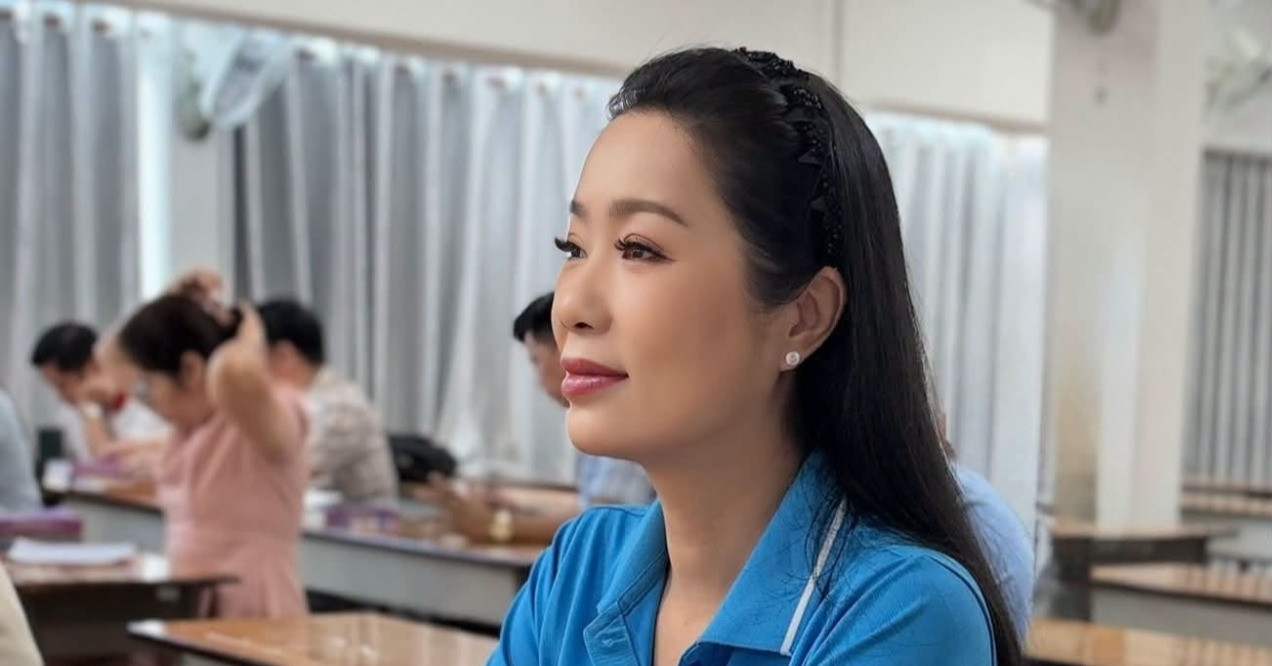
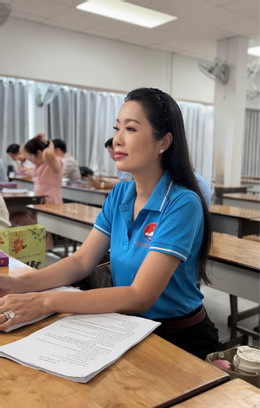
People’s Artist (NSND) Trịnh Kim Chi recently drew widespread admiration from fans and colleagues after sharing photos of herself radiating confidence and focus inside an examination room in Hanoi. The esteemed actress and theatre manager is currently undertaking a rigorous doctoral research training program, balancing her extensive administrative and artistic commitments with advanced academic pursuits.
Industry analysts note that the active participation of high-profile artists in higher education reflects a broader shift toward professionalization and theoretical grounding within the Vietnamese performing arts sector. By pursuing advanced degrees, veteran figures like Trịnh Kim Chi not only elevate their own expertise but also contribute significantly to the academic discourse surrounding modern Vietnamese theatre and cultural management.
Navigating Public Scrutiny and Personal Milestones Across the Industry
The broader Vietnamese entertainment sphere over the past week has also been marked by significant updates regarding other prominent public figures. Renowned actress Nhã Phương captured attention by experimenting with a fresh, youthful fashion style, defying expectations as a mother of three and continuing to set style trends for her demographic. Similarly, acclaimed vocalists Uyên Linh and Ngọc Anh attracted praise for their striking visual transformations and confident appearances, maintaining their strong influence in the contemporary music scene.
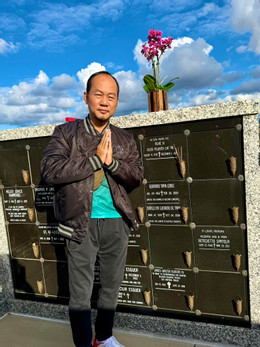
On a more solemn note, the artistic community continues to honor the legacy of fallen colleagues. Actor Long Đẹp Trai recently paid his respects at the final resting place of the late comedian Chí Tài in the United States, offering a touching reminder of the deep bonds forged on comedy stages and the lasting grief felt by peers and fans following the legendary artist’s passing.
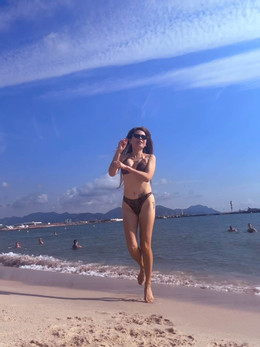
Meanwhile, Miss Universe Vietnam H’Hen Niê shared glimpses of her peaceful and fulfilling daily life, emphasizing personal contentment and authenticity over the relentless pursuit of industry spotlight. Her grounded approach continues to earn her widespread respect as a role model for young women across the country.
In parallel developments, personal updates from other high-profile figures, such as Miss Hương Giang addressing her single status during a recent livestream—prompting widespread fan speculation and engagement regarding her personal life—demonstrate the enduring public fascination with the romantic lives of Vietnam’s top-tier celebrities.
Broader Implications and Cultural Impact
The convergence of these diverse events—ranging from milestone personal celebrations and intergenerational artistic collaborations to rigorous academic pursuits—illustrates the multifaceted nature of the modern Vietnamese entertainment industry. As public figures increasingly balance demanding public careers with personal growth, philanthropy, and continuous education, the nature of celebrity culture in Vietnam is evolving.
Audiences today demand more than just surface-level glamour; they resonate deeply with authenticity, loyalty in long-term friendships, intellectual dedication, and genuine artistic passion. Whether through a twenty-year friendship celebrated in private or a spontaneous guitar duet bridging theatrical legends and young musicians, these moments provide a reassuring glimpse into the human side of Vietnam’s most recognizable stars, reinforcing the cultural values that bind the artistic community together.