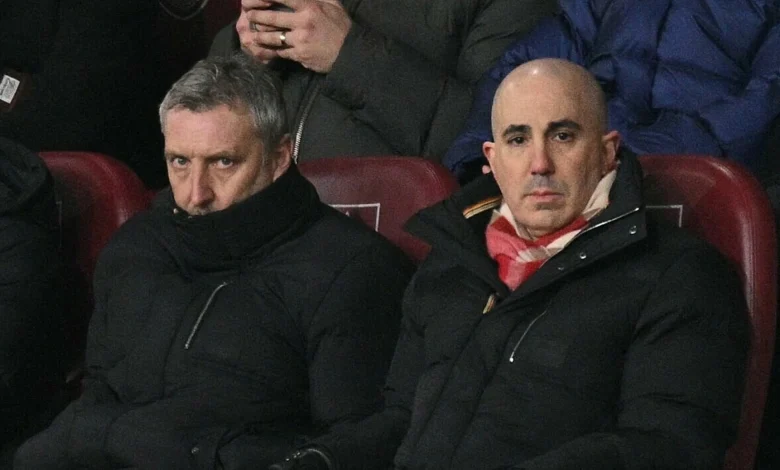
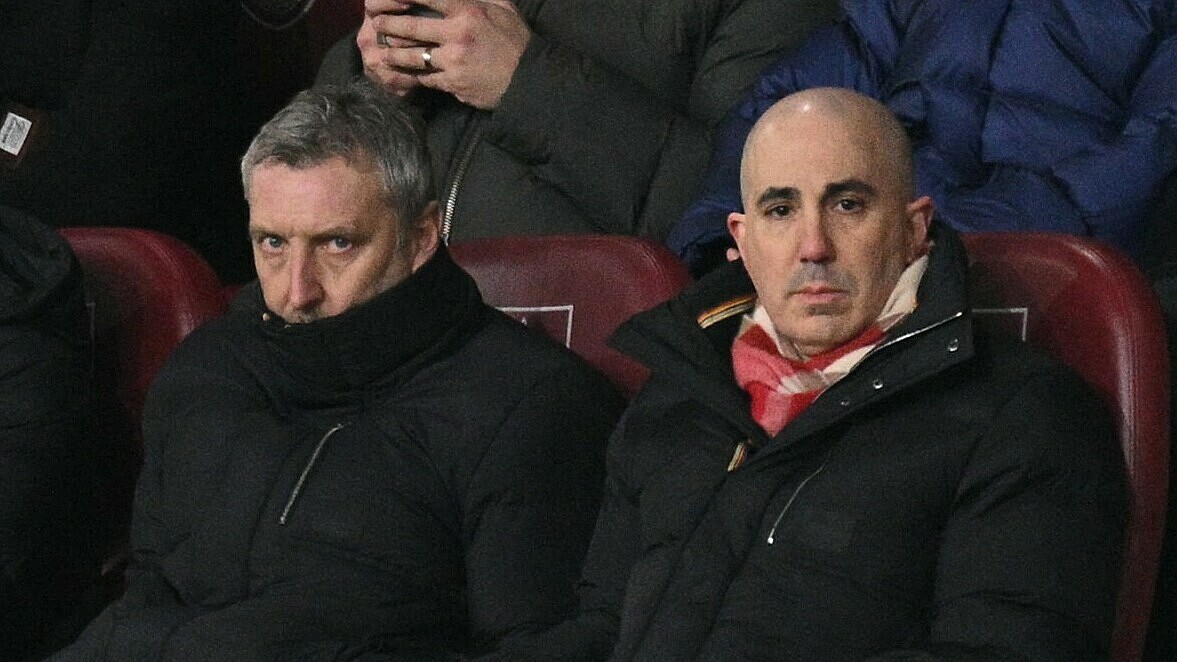
The atmosphere at Old Trafford has reached a critical boiling point as Manchester United finds itself languishing in 18th place in the Premier League table. With just a single victory secured across ten league fixtures, the historic club is staring at an unprecedented crisis that threatens to define the 2026-2027 campaign. Despite the plummeting results and intense pressure from the supporter base, ownership under Sir Jim Ratcliffe remains steadfast in its backing of Sporting Director Jason Wilcox and CEO Omar Berrada, both of whom are currently tasked with navigating the precarious future of head coach Michael Carrick.
A Leadership Under Siege
While the managerial seat is undoubtedly the most immediate concern for the Manchester United hierarchy, the institutional stability provided by the current executive team is being tested as never before. According to reports from the Telegraph, Wilcox and Berrada intend to remain in their respective roles despite the mounting scrutiny regarding the recruitment strategies and operational decisions made since the INEOS group took over partial control of football operations from the Glazer family.
Sir Jim Ratcliffe has yet to signal any intention to replace the two senior figures he personally appointed to steer the club toward a new era. The executive duo is scheduled to meet with Ratcliffe in Monaco this week to discuss high-level strategic matters. While this meeting was pre-scheduled to address long-term corporate governance within the INEOS sporting portfolio, the rapid deterioration of results at Old Trafford has elevated the urgency of these discussions. Any potential decision regarding Michael Carrick’s future will require the collective approval of the executive board, alongside the final sign-off from the Glazer family.
The Carrick Conundrum: A Chronology of Decline
Michael Carrick was installed as the caretaker manager on January 13, 2026, following the high-profile dismissal of Ruben Amorim. Initially, the appointment was hailed as a stabilizing force. Carrick’s early tenure saw a remarkable string of positive results, including high-profile victories against Manchester City, Arsenal, Chelsea, and Liverpool. Under his guidance, the team lost only two of their first 17 matches, earning him a two-year contract extension in May 2026.
However, the trajectory has shifted dramatically since the beginning of the 2026-2027 season. The club’s current form is statistically one of the worst in its modern history. With only one win—against Ipswich Town on August 30—the team has struggled to find any rhythm or defensive coherence. The recent 4-4 draw against Aston Villa at Old Trafford served as a microcosm of the current malaise: a side capable of scoring but consistently unable to close out matches, having conceded two-goal leads on multiple occasions.
Statistical Breakdown of the Crisis
The numbers paint a bleak picture for the supporters. Since the turn of the calendar year, Manchester United has conceded 15 goals in its last ten appearances across all competitions. In the Premier League specifically, the team is currently one point shy of the bottom of the table.
This slump stands in stark contrast to the previous campaign, where the club managed to secure a third-place finish and a return to the UEFA Champions League. The current squad, which was expected to build upon that momentum, has instead seen its defensive metrics collapse. The lack of tactical identity has been compounded by individual errors, leading to a loss of confidence that is visible on the pitch. Even the rare successes, such as the 3-2 comeback win against Roma in the Champions League, have been overshadowed by the team’s inability to maintain defensive discipline over 90 minutes.
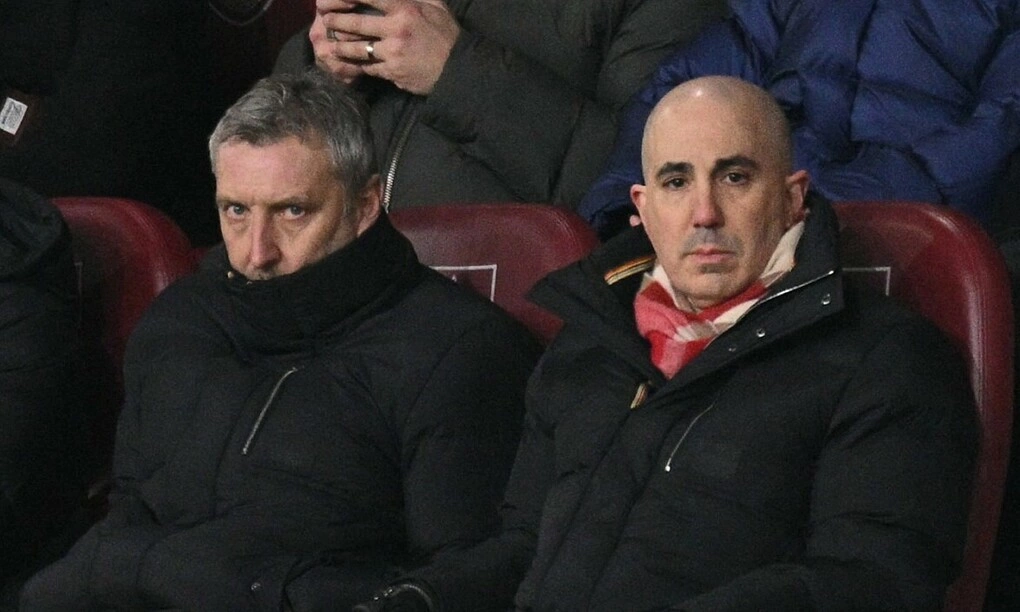
Internal Dynamics and Executive Responsibility
The decision-making process at Old Trafford has become increasingly complex. Wilcox and Berrada, both recruited for their pedigree in high-performance environments—specifically their previous roles within the Manchester City hierarchy—are now facing the reality of the immense expectations at a club of United’s stature.
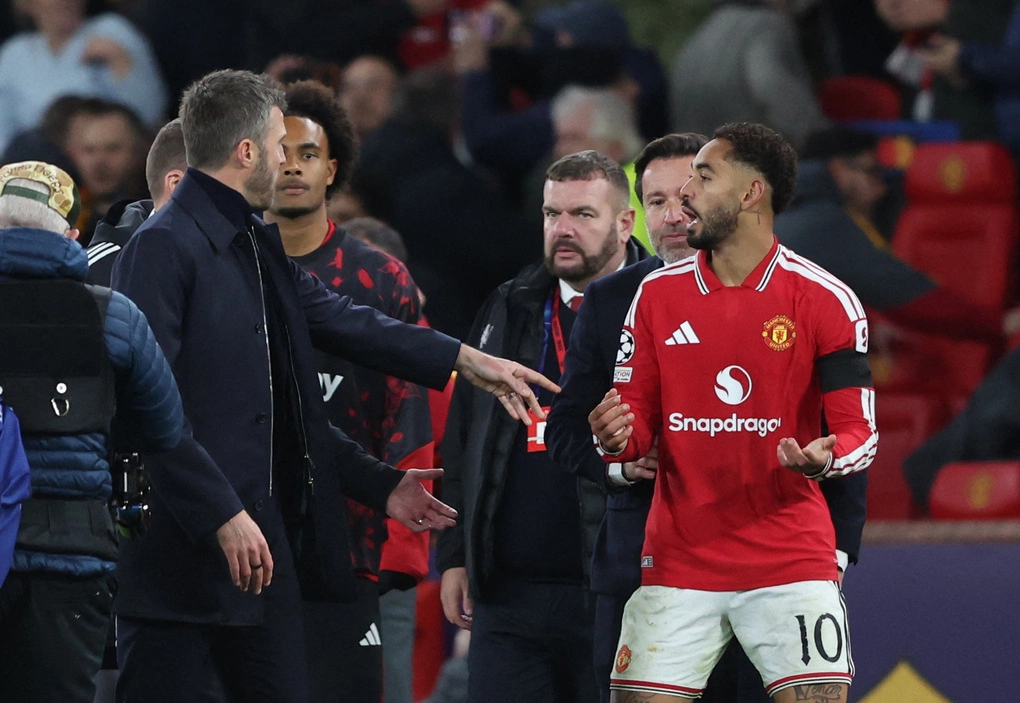
The tension between the executive team and the playing staff has occasionally bubbled over. In October, central defender Lisandro Martinez publicly questioned the club’s direction following a disappointing 0-2 loss to Atletico Madrid. While the player was subsequently disciplined and forced to offer a public apology, the incident highlighted a growing disconnect within the dressing room. Furthermore, reports suggest that former manager Ruben Amorim had previously clashed with Wilcox regarding the separation of powers between the coaching staff and the sporting director’s office, a friction point that has continued to haunt the club’s internal culture.
Potential Successors and the Search for Solutions
As the international break looms in mid-November, the board is reportedly considering whether a change in leadership is necessary before the high-stakes away fixture against Liverpool on November 22. If the decision is made to part ways with Carrick, the list of potential successors is already being scrutinized.
Mauricio Pochettino has emerged as a frontrunner for the position. The Argentine manager, currently leading the United States national team, has deep experience in the Premier League from his stints at Tottenham Hotspur and Chelsea. His contract with the U.S. Soccer Federation reportedly contains a release clause, valued at approximately $10 million, which would make a transition feasible.
Other names being discussed include Julian Nagelsmann, whose tactical acumen is highly regarded in Europe, and Eddie Howe, who has been a free agent since departing Newcastle United in July. Antonio Conte, a serial winner who has been out of work since leaving Napoli in June, remains an external candidate often linked to clubs in distress. However, the club’s leadership remains cautious about repeating the cycle of short-term fixes that have characterized the post-Ferguson era.
The Broader Impact: A Club at a Crossroads
For Sir Jim Ratcliffe and the INEOS group, the current crisis is a significant test of their long-term project. The goal upon arrival was to overhaul the club’s infrastructure, modernize its recruitment, and restore its status as a title contender. Instead, they find themselves fighting a battle against relegation.
The frustration among the fanbase is palpable. During recent home games, protests have erupted outside Old Trafford, with supporters calling for greater transparency and accountability from the ownership. The visual of banners protesting both the Glazer family and the current INEOS management underscores the depth of the disillusionment.
As the team prepares for the upcoming period, the primary challenge for Wilcox and Berrada is to prove that their long-term vision remains viable despite the short-term catastrophe. Whether they choose to stick with Carrick in hopes of a turnaround or pivot to a new manager, the decision will be viewed as a definitive statement on the effectiveness of the current management structure. For a club with 148 years of history, the upcoming weeks will likely be recorded as one of the most critical junctures in its modern existence. The path forward requires not just a tactical adjustment on the pitch, but a fundamental realignment of the club’s operational strategy to stop the slide and restore the confidence of a global fan base.
Related posts: