Ho Chi Minh City is currently positioning culture as a crucial driver for its future economic trajectory, aiming to significantly expand its cultural industries over the next decade. During a high-level working session led by senior party officials on the afternoon of September 17, municipal authorities unveiled comprehensive strategies to harness the economic potential of the cultural sector in alignment with the guidelines of the 14th National Party Congress.
The meeting brought together key stakeholders to evaluate the current landscape of Ho Chi Minh City’s cultural economy, highlighting remarkable growth figures, ongoing infrastructure developments, and systemic hurdles that require immediate legislative and administrative intervention.
Economic Footprint and Growth Trajectory of Cultural Industries
Ho Chi Minh City boasts a substantial competitive advantage in the scale and capacity of its cultural industries. According to Tran Thanh Thuan, Director of the Ho Chi Minh City Department of Culture and Sports, the southern metropolis currently harbors nearly 18,000 enterprises operating within the cultural sector, employing a workforce of approximately 100,000 individuals.
The economic contribution of cultural industries to the city’s Gross Regional Domestic Product (GRDP) has demonstrated a steady upward trend. The sector’s contribution rose from 3.54% in 2020 to an estimated 5.7% by 2025, maintaining an impressive average annual growth rate of 14%. Furthermore, investment patterns within the sector are evolving, with investors increasingly prioritizing the creation of sustainable ecosystems and comprehensive long-term value chains rather than isolated projects.
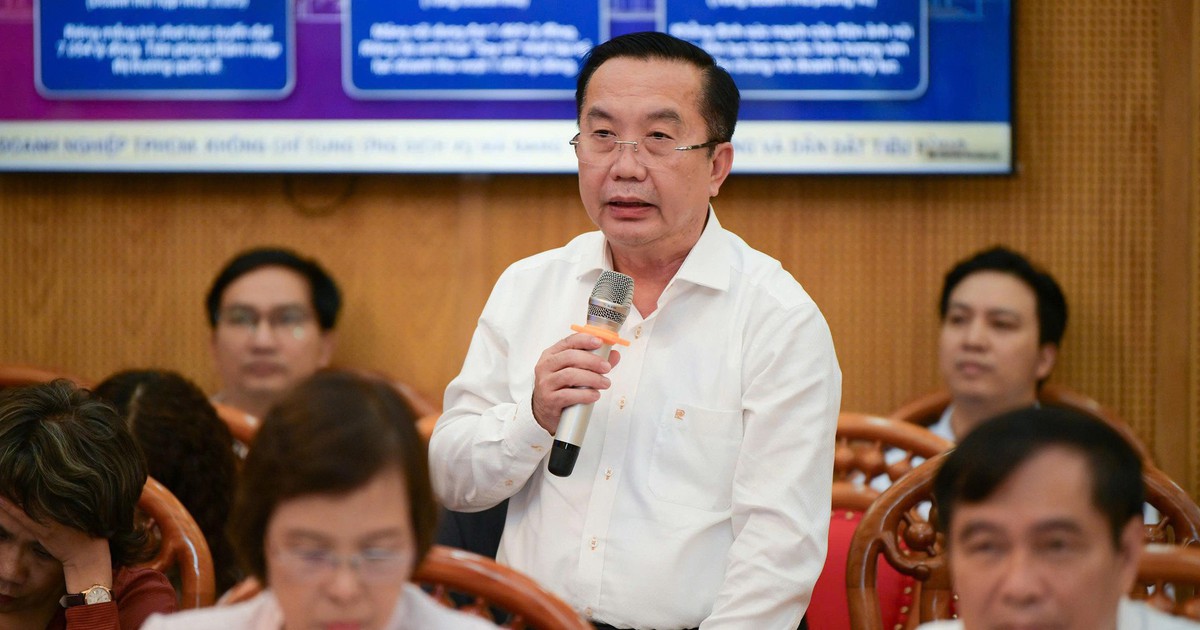
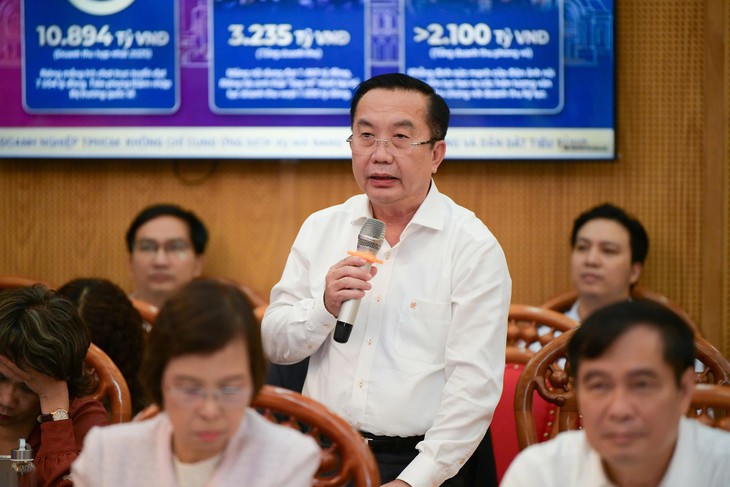
Financial metrics from major sector players underscore this commercial vitality. In 2025, tech and digital media giant VNG recorded revenues of 10.894 trillion VND, while DatVietVAC achieved 3.235 trillion VND. In the cinematic arts, films produced by prominent local directors surpassed 2.100 trillion VND in domestic box office earnings. Additionally, the city hosts roughly 50 major public events annually, including hallmark gatherings such as the Ho Chi Minh City River Festival, the Ao Dai Festival, and various water sports extravaganzas, which collectively draw massive domestic and international crowds.
Legislative Catalysts and Financial Incentives
The growth of Ho Chi Minh City’s cultural economy has been significantly bolstered by recent national legislative developments. Director Tran Thanh Thuan emphasized that the enactment of Resolution 28 by the National Assembly regarding the development of Vietnamese culture, followed by Government Decree 282, has provided vital tools for sector expansion. Notably, these policies include a reduction in Value Added Tax (VAT) from 10% to 5% for cultural investments, a move that has been warmly received by local enterprises eager to inject fresh momentum into their operations.
To complement national initiatives, the municipal Department of Culture and Sports has been actively advising the City People’s Council on localized mechanisms and policies. These proposals aim to facilitate easier access to capital, such as offering preferential loan caps of up to 200 billion VND per cultural project, and establishing creative guarantee packages tailored for young artists and independent filmmakers.
Despite these advancements, municipal leadership remains candid about existing structural bottlenecks. Director Thuan pointed out three primary challenges: a fragmented value chain, persistent difficulties for enterprises in accessing capital, and the absence of a unified, standardized statistical reporting system for the cultural economy.
Strategic Roadmap and Vision for 2030
Looking ahead, Ho Chi Minh City has set ambitious benchmarks for 2030. The city aims for cultural industries to account for approximately 7.2% of its GRDP, driven by an annual growth rate of roughly 12%. A key objective is the establishment of at least five highly effective national brands across five core domains: cinema, performing arts, advertising, cultural tourism, and creative design.
The city has prioritized six specific sub-sectors. Cinema, performing arts, and cultural tourism have been designated as the primary groups responsible for brand building and market outreach, while advertising, creative design, and publishing are identified as fast-growing, export-oriented sectors.
To establish market-leading growth engines and shape a robust industrial ecosystem, the Department of Culture and Sports is collaborating with relevant authorities to formulate exploitation plans across three strategic regional hubs:
- The Binh Duong Inter-municipal Cultural and Sports Complex: Located in Bau Bang district, this hub is envisioned as a regional center for cinema, culture, and entertainment.
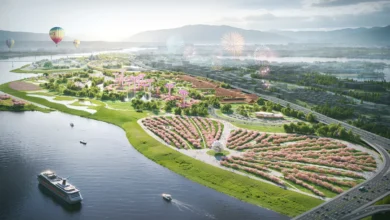
- The National History and Culture Park: Situated within Ho Chi Minh City, this area will be developed into a focal point for creative culture and immersive visitor experiences.
- Phuoc Thang Ward (Ba Ria – Vung Tau): Designed as a coastal cultural industry ecosystem leveraging scenic maritime landscapes. Plans for this area include a multi-functional cinematic complex and outdoor performance spaces capable of hosting national and international music festivals and live shows.
Preliminary surveys indicate that one of these strategic zones spans up to 500 hectares of cleared land, while the other two encompass approximately 300 to 350 hectares each. Concurrently, the city is prioritizing three catalyst projects to jump-start the market: a traditional arts and performing circus entertainment ecosystem, the establishment of Ho Chi Minh City as a premier hub for cinema and lighting festivals, and its elevation into a recognized center for international music and major events.
Comprehensive Solutions and Future Outlook
To successfully realize these strategic goals, the Department of Culture and Sports has outlined a multi-faceted action plan. With the Urban Development Law taking effect in October, the municipal government is actively preparing for its immediate implementation. The department is currently drafting 15 resolutions for the People’s Council and three decisions for the People’s Committee to effectively operationalize Article 26 of the law, directly addressing the longstanding hurdles faced by the cultural and creative industries.
Key institutional reforms include:
- Establishment of a Culture and Arts Venture Capital Fund: Modeled after venture capital structures, this fund will provide seed money and equity investments for innovative cultural projects.
- Procurement and Commissioning Mechanisms: Introducing transparent frameworks for state-ordered tasks, public bidding for creative works, and direct acquisition of high-value artistic creations using public budgets.
- Creation of a Cultural Industry Development Center: Envisioned as a primary coordinating body to support the cultural ecosystem, foster value chains, and expand domestic and international market reach for Vietnamese cultural goods.
Furthermore, municipal leadership has strongly advocated for the expedited enactment of a dedicated Law on Cultural Industries, the prompt rollout of standardized statistical criteria for the sector, and the construction of a unified, synchronized database system linking central and local governing bodies. Through these coordinated administrative, financial, and infrastructural measures, Ho Chi Minh City aims to transform its rich cultural heritage into a powerhouse of sustainable economic growth.