15 Years of the Footprints to Dreams Scholarship: Transforming Impoverished Youth into Engineers, Doctors, and Community Pillars


Fifteen years ago, a quiet yet profound educational movement took root in the central coastal province of Quảng Ngãi, Vietnam. Conceived as a lifeline for underprivileged youth, the "Footprints to Dreams" (Chân trời ước mơ) scholarship program embarked on a mission to support impoverished students who possessed exceptional academic drive and unwavering resilience. Designed to guide disadvantaged teenagers through the notoriously difficult high school years, this initiative has since evolved into a remarkable journey of compassion, persistence, and generational transformation.
Over the past decade and a half, the program has grown beyond its original mandate. Many of the students who once relied on these critical stipends to finish their secondary education successfully transitioned to higher education, often receiving subsequent backing from Tuổi Trẻ newspaper’s prestigious "Aiding Schoolchildren to Class" (Tiếp sức đến trường) scholarship. Today, these once-struggling children have graduated to become respected engineers, dedicated medical doctors, and vital contributors to society.

A Moving Reunion of Success Stories in Quảng Ngãi
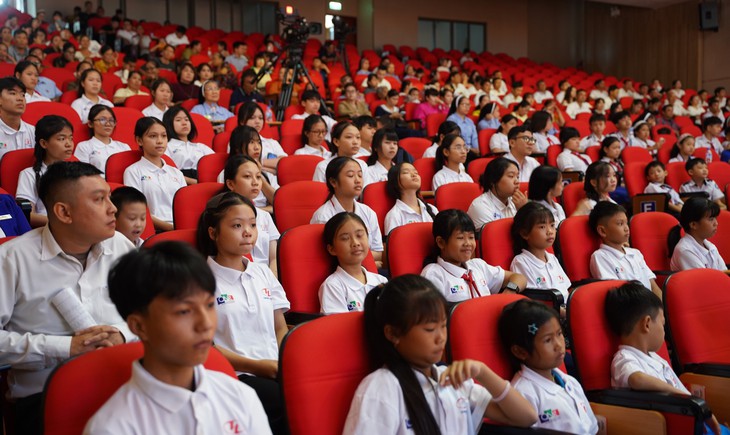
The profound long-term impact of these educational initiatives was brought into sharp focus during a commemorative event marking the 15th anniversary of the "Footprints to Dreams" scholarship in Quảng Ngãi province. Among the attendees were numerous familiar faces—individuals whose lives had been altered by early philanthropic intervention and who returned not as beneficiaries, but as accomplished professionals giving back to their communities.
The gathering served as a living testament to the efficacy of sustained educational support. Organizers and attendees alike marveled at the convergence of alumni from both the "Footprints to Dreams" and "Aiding Schoolchildren to Class" programs. For years, these parallel philanthropic efforts have operated as seamless stepping stones for students navigating extreme economic hardship.
Among those sharing their journeys was Dr. Lê Thanh Truyền, a prominent figure whose path from poverty to medicine mirrors that of many scholarship recipients. Reflecting on his formative years, Dr. Truyền noted how financial interventions at critical junctures allowed him to pursue higher education without the constant threat of dropping out. Today, as a medical doctor, he serves as a beacon of inspiration for a new generation of students facing similar adversity.

Overcoming Adversity: The Journey of Nguyễn Tấn Thành
One of the most compelling narratives highlighted during the anniversary event is that of Nguyễn Tấn Thành, a young man whose early life was defined by compounding family hardships. Growing up in a household where his mother battled Parkinson’s disease and both parents suffered from severe mental health struggles, Thành’s path to the classroom was exceptionally precarious.
The "Footprints to Dreams" scholarship provided the vital financial cushion Thành needed to complete his twelfth-grade education. Subsequently, the "Aiding Schoolchildren to Class" program bridged the gap to higher education, enabling him to enroll at the university level in 2018. Beyond these formal scholarship frameworks, Thành also received crucial supplementary assistance from various benefactors moved by his filial piety and determination.
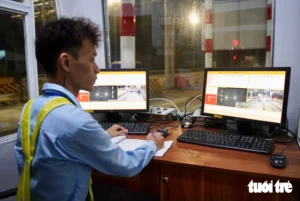
Today, the once-destitute engineering student is employed as a professional engineer at Hòa Phát Dung Quất Steel Joint Stock Company. In his newly built home—constructed with pooled family savings and community assistance—two distinct certificates of scholarship hang side by side on the wall. For Thành, these framed documents represent more than financial aid; they are literal milestones that mapped his journey through life’s most formidable phases.
Similarly, Lê Đức Hiệu, a scholarship recipient from 2021 and the subject of a widely read profile titled "The Brilliant Child of a Mentally Ill Parent," represents another triumph of resilience. Currently completing his final year at the University of Economics Ho Chi Minh City, Hiệu’s academic trajectory underscores how targeted support can liberate intellectual potential from the constraints of poverty.
A Philosophy of Sustained Philanthropy
The 15-year milestone of the "Footprints to Dreams" program highlights a broader discussion regarding the most effective models for charitable educational support. Funded and sustained through the dedication of corporate partners and civic leaders, the initiative has disbursed over 18 billion VND (approximately $730,000 USD) to 169 orphaned, impoverished, and resilient students across the region.
Mr. Huỳnh Kim Lập, Chairman of the Board of Directors of Thiên Tân Group and a core architect of the scholarship fund, articulated the philosophy underpinning the program’s longevity. "If we only help once, we might help these children overcome immediate difficulties, but what about tomorrow, next month, or next year?" Mr. Lập remarked. "If we want these children to study with peace of mind and confidently pursue their dreams, we must walk alongside them along the long road until they reach their destination."

This philosophy of long-term commitment has transformed the donor-recipient dynamic into a mentorship ecosystem. Mr. Lập expressed that the greatest reward of the past fifteen years is not merely seeing impoverished children achieve professional success, but witnessing those same individuals begin to assist others in need, thereby perpetuating a continuous cycle of benevolence.
Official Recognition and Broader Implications
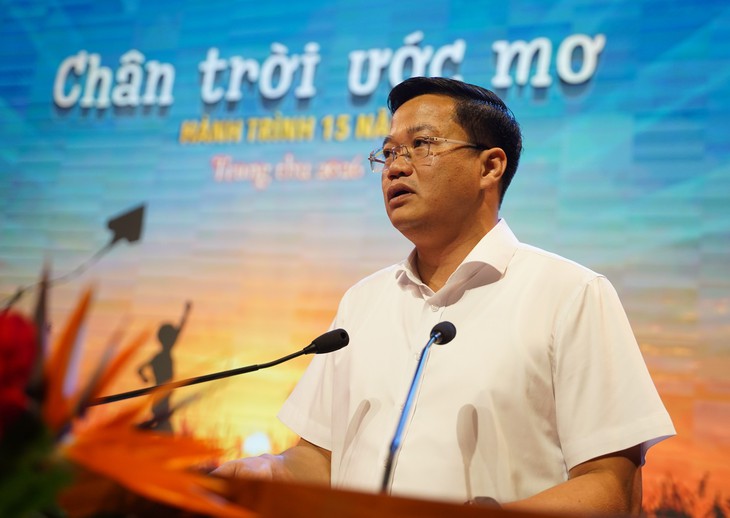
The systemic success of the scholarship program has not gone unnoticed by local governance. Mr. Nguyễn Đức Tâm, Chairman of the Quảng Ngãi Provincial People’s Committee, praised the initiative for its profound social impact, characterizing it as a model of public-private synergy in addressing educational inequality.
"I am deeply grateful that for 15 years, quiet individuals have been doing work that local authorities, despite our best intentions, would find difficult to replicate," Mr. Tâm stated during the commemoration. "They have opened doors and guided children year after year until those children reached maturity and achieved self-sufficiency."
From a socioeconomic perspective, initiatives like "Footprints to Dreams" address the root causes of generational poverty by fostering human capital in economically marginalized regions. By ensuring that talent is not stifled by financial destitution, programs of this scale contribute directly to regional development, social mobility, and the reduction of economic disparity.
Looking Forward: A Continuing Legacy
As the "Footprints to Dreams" program enters its sixteenth year, its architects and alumni remain focused on expanding its reach and deepening its impact. The reunion in Quảng Ngãi served not only as a retrospective of past achievements but as a reaffirmation of a shared commitment to education as an equalizer.
For the current cohort of students holding these scholarships, the journey ahead remains challenging. However, armed with the knowledge that predecessors like Dr. Lê Thanh Truyền, Engineer Nguyễn Tấn Thành, and Engineer Lương Ngọc Thuận successfully navigated the same obstacles, today’s recipients share an enduring optimism. As Dr. Truyền advised the newer students during the event: "Accept that life is difficult, but always maintain faith in a brighter tomorrow. Persevere, and strive forward, knowing there will always be someone walking beside you toward the future."