Vaccine Interventions for Infectious Diseases May Significantly Reduce Dementia Risk and Enhance Neuro-Immunity

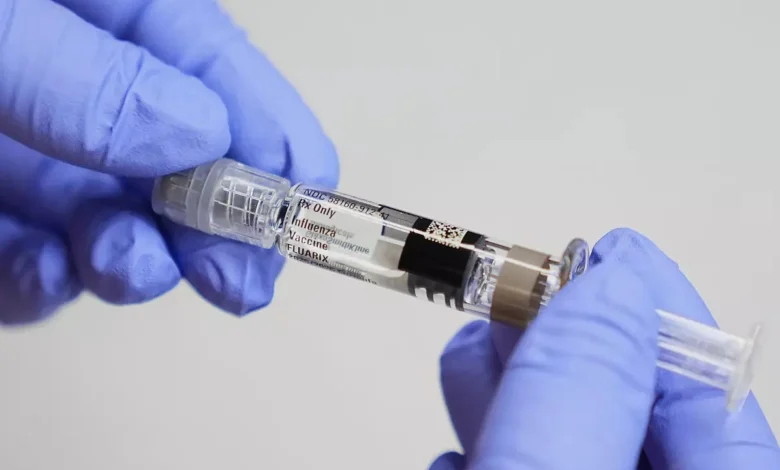
For decades, the medical community has primarily viewed vaccines through the lens of acute disease prevention, focusing on their ability to shield the body from specific pathogens such as viruses and bacteria. However, a transformative shift is occurring in the field of neurology and immunology, as a growing body of longitudinal research suggests that vaccines may play a secondary, yet equally vital, role in preserving cognitive health. Recent observational studies have consistently demonstrated that individuals who receive vaccinations for shingles, influenza, and pneumonia during middle and late adulthood exhibit a significantly lower incidence of dementia and Alzheimer’s disease compared to their unvaccinated peers. This emerging link between immunization and neuroprotection has opened new avenues for understanding how the human immune system interacts with the aging brain, suggesting that the benefits of a needle prick may extend far beyond the prevention of a seasonal flu or a painful rash.
The Paradigm Shift in Preventive Neurology
The traditional understanding of neurodegenerative diseases, particularly Alzheimer’s, has focused on the accumulation of protein aggregates—specifically amyloid-beta plaques and tau tangles—within the brain. While these remain the hallmarks of the disease, researchers are increasingly investigating the "pathogen hypothesis," which posits that chronic or latent infections may act as catalysts for the inflammatory processes that lead to cognitive decline. By preventing these infections, or by modulating the body’s systemic immune response, vaccines appear to offer a dual-layered defense mechanism for the central nervous system.
The most compelling evidence for this phenomenon has emerged from studies regarding the Herpes Zoster (shingles) vaccine. Shingles is caused by the reactivation of the Varicella-Zoster virus (VZV), the same pathogen responsible for chickenpox. After an initial infection, the virus does not leave the body; instead, it enters a state of latency, sequestering itself within the nerve tissues. As the immune system weakens with age, the virus can reactivate, leading to the painful condition known as shingles. Recent epidemiological data indicates that the vaccination against this virus is associated with a 20% to 30% reduction in the risk of dementia. This discovery has led scientists to hypothesize that the persistent presence of VZV in the nervous system may contribute to low-grade, chronic neuroinflammation, which over time erodes cognitive reserves.
Biological Mechanisms of Brain Protection
Experts in neurology, including Dr. Pascal Geldsetzer, an epidemiologist at Stanford University, suggest that the protective effects of vaccines on the brain are likely driven by two primary pathways. The first is the direct prevention of infection-induced inflammation. When the body fights a significant infection, such as pneumonia or a severe case of the flu, it undergoes a systemic inflammatory response. In older adults, this inflammation can breach the blood-brain barrier, triggering the brain’s resident immune cells—the microglia—into a hyper-reactive state. Prolonged or repeated activation of these cells can lead to the destruction of healthy neurons and the acceleration of neurodegenerative processes. By preventing the primary infection, vaccines keep systemic inflammation at a minimum, thereby shielding the brain from collateral damage.
The second pathway is more complex and involves the concept of "trained immunity." Professor Rudolph Tanzi, a renowned specialist in neurology at Harvard Medical School, has proposed that vaccines may effectively "prime" the immune system to be more efficient at waste management within the brain. Alzheimer’s disease is often characterized by the brain’s inability to clear out amyloid-beta plaques. Tanzi’s research suggests that a systemic immune response, such as that triggered by a vaccine, can stimulate peripheral white blood cells to migrate into the brain. Once there, these cells may assist the microglia in "mopping up" toxic protein aggregates. In studies involving genetically modified mice that mimic Alzheimer’s pathology, researchers observed that activating the peripheral immune system led to a visible reduction in amyloid plaques and an improvement in cognitive function.

A Chronology of Discovery and Supporting Data
The link between infections and cognitive decline is not a new concept, but the data supporting it has reached a critical mass in the last five years. Historically, conditions such as syphilis and Lyme disease have been known to cause dementia-like symptoms if left untreated. More recently, chronic periodontal disease (gum disease) and certain strains of the influenza virus have been implicated in the development of Parkinson’s disease and Alzheimer’s.
In 2022, a major study conducted by the University of Texas Health Science Center at Houston analyzed a massive database of patients aged 65 and older. The researchers found that people who received at least one influenza vaccine were 40% less likely to develop Alzheimer’s disease over a four-year follow-up period than their unvaccinated counterparts. Similarly, a study published in the Journal of Alzheimer’s Disease found that the pneumococcal vaccine, often administered to prevent streptococcus pneumoniae, was associated with a 25% to 30% reduction in Alzheimer’s risk among those without a specific genetic risk factor (the APOE4 gene).
These findings are bolstered by the timeline of Alzheimer’s development. Professor Tanzi notes that Alzheimer’s is a "silent" disease that begins decades before symptoms appear. The process of plaque accumulation can take 20 years or more to reach a symptomatic threshold. Therefore, the observation that vaccines administered in a person’s 50s and 60s can alter the trajectory of a disease that manifests in their 80s suggests that the immune system’s state during mid-life is a critical determinant of late-life brain health.
Expert Reactions and the Global Health Perspective
The scientific community has reacted to these findings with a mixture of cautious optimism and a call for a re-evaluation of public health priorities. While observational studies show a strong correlation, they do not yet prove a direct cause-and-effect relationship—though the biological plausibility is increasingly difficult to ignore.
Professor Paresh Malhotra, a consultant neurologist at Imperial College London, argues that the evidence is now strong enough to warrant a discussion about the timing of adult immunizations. Currently, many countries recommend shingles and pneumonia vaccines only for those aged 65 or 70 and older. Malhotra suggests that if these vaccines are indeed protecting the brain from early-stage neurodegeneration, it may be more effective to administer them to individuals in their 40s or 50s. "By the time someone reaches 70, the pathological processes of dementia may already be too far advanced for a vaccine to provide significant preventative benefit," Malhotra noted in a recent commentary.
Furthermore, global health organizations are beginning to view adult vaccination as a key component of "healthy aging" initiatives. With the global prevalence of dementia expected to triple to 150 million people by 2050, the economic and social burden on healthcare systems will be staggering. If a low-cost intervention like a flu or shingles shot can delay the onset of dementia by even two or three years, it could result in billions of dollars in savings and significantly improve the quality of life for millions of elderly citizens.

Broader Implications for Public Health Policy
The implications of this research extend into the realm of public policy and healthcare infrastructure. If vaccines are recognized as neuroprotective agents, the messaging surrounding immunization campaigns may need to evolve. Rather than focusing solely on the risk of death or hospitalization from an acute infection, public health officials could emphasize the long-term cognitive benefits of staying up-to-date with vaccinations.
This shift could be particularly impactful in addressing "vaccine hesitancy" among the middle-aged population. While pediatric vaccination rates remain high in many regions, adult uptake for non-mandatory vaccines like the flu shot often lags. Framing vaccination as a "brain health" strategy might resonate more deeply with an aging population that cites the loss of cognitive independence as one of their greatest fears.
Moreover, the research highlights the necessity of a multidisciplinary approach to medicine. The siloed nature of healthcare—where infectious disease specialists rarely consult with neurologists—must be bridged to fully exploit these findings. Integrating vaccination records into neurological assessments could provide clinicians with a more holistic view of a patient’s risk profile for cognitive decline.
Future Research and Concluding Thoughts
While the current data is promising, several questions remain. Researchers are still working to determine which specific components of vaccines trigger the most beneficial immune responses. Is it the antigen itself, or the adjuvants—substances added to vaccines to boost the immune response—that are doing the heavy lifting in terms of brain protection? Some scientists suspect that the "general" stimulation of the immune system provided by adjuvants like those in the newer shingles vaccines might be particularly effective at "waking up" the brain’s waste-clearance systems.
As clinical trials continue, the goal is to move beyond observational data to randomized controlled trials that can definitively prove the neuroprotective effects of various vaccines. In the meantime, the advice from the medical community is clear: maintaining a rigorous vaccination schedule is a low-risk, high-reward strategy for overall health.
Vaccines have already revolutionized human history by nearly eradicating diseases like polio and smallpox. Now, they stand at the threshold of a new era, potentially offering a shield against the slow, silent erosion of the mind. By protecting the body from the ravages of infection, we may inadvertently be giving the brain the tools it needs to stay resilient, sharp, and healthy well into the twilight years of life. The needle, once seen only as a tool for the present, is increasingly being recognized as a safeguard for our future memories.