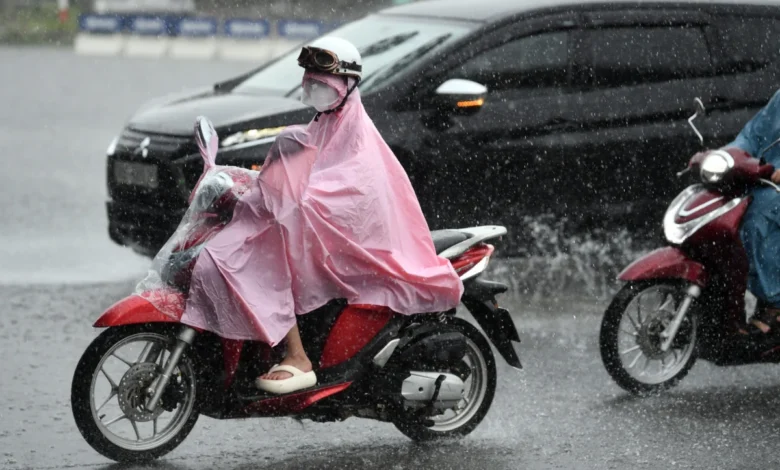
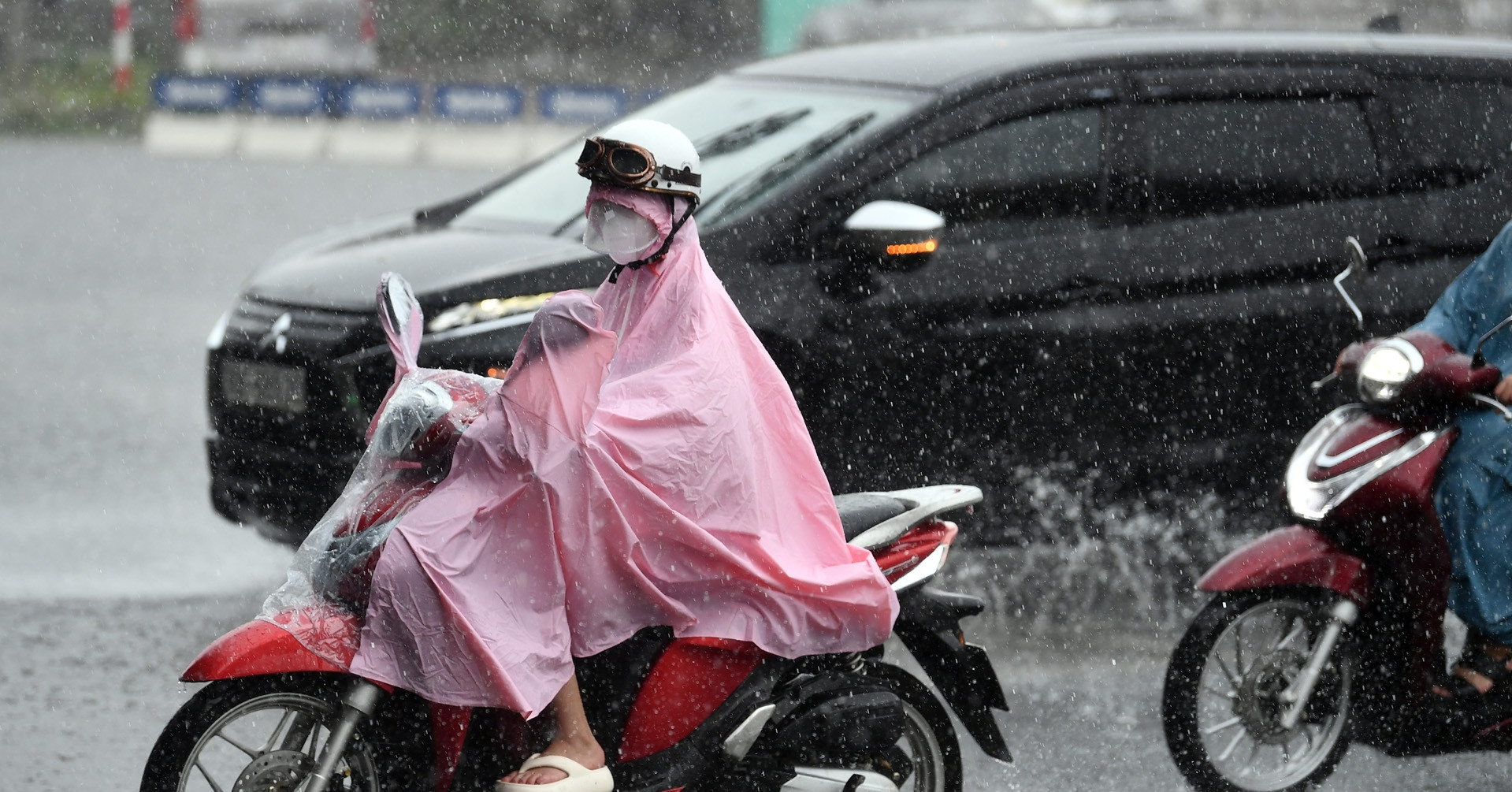
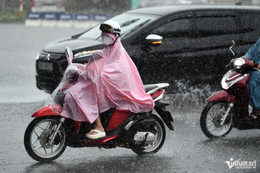
The National Center for Hydro-Meteorological Forecasting has issued a severe weather alert for northern Vietnam, warning of widespread moderate to heavy rainfall from July 18-19. Certain areas, particularly in the midland regions, are expected to experience torrential downpours, with rainfall potentially exceeding 100mm in localized areas and even surpassing 200mm in isolated spots. The center has cautioned that rainfall exceeding 100mm within a three-hour period is a significant concern.
Beyond the immediate threat of heavy rain, the forecast indicates a continuation of challenging weather conditions across the country. On July 18th, thunderstorms are anticipated in the northernmost provinces, accompanied by intense, localized downpours. Hanoi, the capital city, is also bracing for the impact of these storms, with reports of thunder and lightning alongside intermittent heavy rain. The highest temperature in Hanoi is expected to reach between 33-35 degrees Celsius.
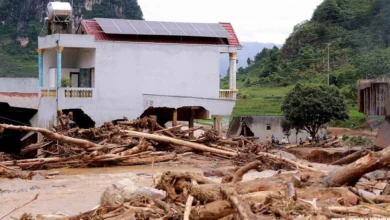
The meteorological agency further predicts that the heavy rainfall in the northern midlands will persist through July 19th and into July 20th. During this period, rainfall amounts are expected to range from 20-50mm, with some areas experiencing downpours exceeding 100mm. The intensity of these storms raises concerns about flash floods, landslides, and mudslides, particularly in low-lying areas.
In stark contrast to the deluge expected in the north, southern Vietnam is forecast to experience prolonged periods of intense heat. From July 18th to 19th, provinces from Quang Ngai to Dak Lak, located in the southern central region, will be subjected to scorching temperatures, with highs ranging from 35-37 degrees Celsius, and some areas even exceeding this threshold. Humidity levels are expected to hover between 50-55%, with the hottest periods occurring between 12:00 PM and 4:00 PM. This heatwave is projected to continue until around July 23rd, with a gradual decline expected from July 24th onwards.
Detailed Weather Forecast for July 18, 2026
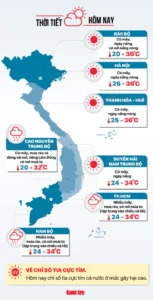
Hanoi:
The capital city is forecast to experience cloudy skies with intermittent rain, including periods of thunderstorms and lightning. The city is also expected to be warm. The lowest temperature is predicted to be between 27-29 degrees Celsius, while the highest temperature will likely range from 33-35 degrees Celsius.
Northern Vietnam (General):
Across the northern region, cloudy skies are anticipated with moderate to heavy rain and thunderstorms. Some areas are expected to experience very heavy downpours. The forecast also warns of the potential for flash floods, landslides, and strong winds accompanying these storms. Minimum temperatures are expected to range from 23-26 degrees Celsius, with western northern regions experiencing slightly cooler temperatures between 22-24 degrees Celsius, and isolated areas dipping below 22 degrees Celsius. Maximum temperatures will likely be between 31-34 degrees Celsius, with western northern regions seeing slightly cooler highs of 26-29 degrees Celsius, and isolated areas reaching up to 29 degrees Celsius.
Northeastern Vietnam:
This region will also see cloudy conditions with moderate to heavy rainfall, particularly in the midland areas where very heavy downpours are expected. Coastal areas are forecast to experience thunderstorms with lightning and warm conditions. The forecast highlights the risk of flash floods, landslides, and strong winds during these rain events. Minimum temperatures are expected to range from 26-29 degrees Celsius, with midland areas experiencing cooler temperatures between 24-26 degrees Celsius, and isolated areas dropping to 22 degrees Celsius. Maximum temperatures are predicted to be between 31-34 degrees Celsius, with coastal areas experiencing slightly warmer highs of 33-35 degrees Celsius.
Thanh Hoa to Hue:
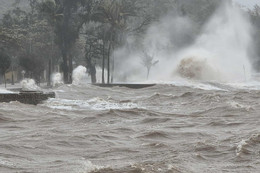
Expect cloudy skies with warm and humid conditions. The provinces of Nghe An and Thua Thien Hue are forecast to experience heatwaves, with some areas experiencing particularly intense heat. Thunderstorms with lightning are also anticipated, especially in the afternoon. The region is at risk of flash floods, landslides, and strong winds. Minimum temperatures are expected to range from 26-29 degrees Celsius. Maximum temperatures are predicted to be between 34-37 degrees Celsius, with some areas potentially exceeding 37 degrees Celsius. Winds are expected to be from the east-southeast at level 2-3.
South Central Coast:
Cloudy skies are forecast, with thunderstorms and lightning expected, particularly in the afternoons. The northern part of the South Central Coast is anticipated to experience heatwaves, with some areas seeing particularly intense heat. The region faces a risk of flash floods, landslides, and strong winds. Minimum temperatures are expected to range from 25-28 degrees Celsius. Maximum temperatures will likely be between 32-35 degrees Celsius, with the northern areas reaching 34-37 degrees Celsius, and isolated spots exceeding 37 degrees Celsius. Winds are expected to be from the east-southeast at level 2-3.
Central Highlands:
The Central Highlands will experience cloudy skies with thunderstorms and lightning. In the afternoons, scattered showers are expected, with some areas experiencing light rain. The region is susceptible to flash floods, landslides, and strong winds. Minimum temperatures are predicted to be between 20-23 degrees Celsius. Maximum temperatures are expected to range from 27-30 degrees Celsius, with some areas potentially reaching 30 degrees Celsius. Winds are expected to be from the east-southeast at level 2-3.
Southern Vietnam:
Southern Vietnam is forecast to have cloudy skies with thunderstorms and lightning. Scattered showers are expected in the afternoons, with some areas experiencing light rain. The region is at risk of flash floods, landslides, and strong winds. Minimum temperatures are expected to range from 24-27 degrees Celsius. Maximum temperatures will likely be between 32-35 degrees Celsius. Winds are expected to be from the east-southeast at level 2-3.
Ho Chi Minh City:
The bustling metropolis of Ho Chi Minh City will also experience cloudy skies with thunderstorms and lightning. Scattered showers are anticipated in the afternoons, with some areas seeing light rain. The city faces a risk of flash floods, landslides, and strong winds. Minimum temperatures are expected to range from 24-26 degrees Celsius. Maximum temperatures are forecast to be between 32-35 degrees Celsius. Winds are expected to be from the east-southeast at level 2-3.
Context and Broader Implications
The current weather patterns underscore the dynamic and often extreme nature of Vietnam’s climate, particularly during the monsoon season. The convergence of heavy rainfall in the north and intense heat in the south creates a challenging meteorological landscape for the country.
The northern region’s anticipated heavy downpours are consistent with the broader patterns observed during this time of year, often exacerbated by tropical depressions or monsoon troughs. The National Center for Hydro-Meteorological Forecasting’s warnings about flash floods and landslides are particularly pertinent, given the mountainous terrain and densely populated river valleys in the north. These events can lead to significant loss of life, displacement of communities, and extensive damage to infrastructure and agricultural land. Historical data from previous years shows that rainfall exceeding 100mm in a short period can overwhelm drainage systems and cause rapid inundation, disrupting transportation and daily life.
Simultaneously, the prevailing heatwaves in the southern and central regions highlight the increasing frequency and intensity of extreme heat events, a phenomenon often linked to global climate change. High temperatures, coupled with high humidity, can pose serious health risks, including heatstroke and dehydration, particularly for vulnerable populations such as the elderly and young children. The prolonged duration of the heatwave, projected to last for nearly a week, necessitates proactive public health measures and water conservation efforts.

The intertwined weather systems across Vietnam are also influenced by larger climatic phenomena. The National Center for Hydro-Meteorological Forecasting’s reports suggest that the influence of El Niño, which typically peaks towards the end of the year, could contribute to unusual weather patterns. El Niño events are known to disrupt global weather systems, leading to increased rainfall in some regions and drought in others. For Vietnam, this can translate into a higher likelihood of extreme weather events, including more intense storms and prolonged heatwaves or droughts. Recent articles from the Vietnamnet news agency have highlighted the potential for El Niño to bring about unusual and unpredictable storm activity from August 2026 through January 2027, with an 81% probability of significant impacts.
The National Center for Hydro-Meteorological Forecasting plays a crucial role in disseminating timely and accurate weather information to the public and relevant authorities. Their detailed forecasts and warnings are essential for disaster preparedness and mitigation efforts. The agency’s consistent monitoring and reporting are vital for enabling local governments to issue evacuation orders, prepare emergency response teams, and advise citizens on safety precautions. The references to past flood disasters in Son La and Lai Chau, where devastating floods have resulted in significant loss of life and destruction, serve as a stark reminder of the importance of heeding these warnings.
In addition to the immediate weather concerns, these recurring extreme events underscore the long-term challenges posed by climate change. Vietnam, with its extensive coastline and agricultural dependence, remains highly vulnerable to the impacts of rising global temperatures, including sea-level rise, altered precipitation patterns, and increased frequency of extreme weather. Therefore, investing in climate resilience, sustainable infrastructure, and effective disaster management strategies is paramount for the nation’s future security and prosperity. The public’s awareness and adherence to weather advisories are also critical components of a comprehensive disaster preparedness strategy.