Vietnam’s Logistics Infrastructure poised for Transformation under New Postal Network Development Plan


Vietnam has unveiled a comprehensive national postal network development plan, signaling a strategic shift towards a modern, integrated infrastructure that is expected to drive digital transformation and unlock new avenues for socio-economic growth. This ambitious blueprint aims to create a robust, efficient, and sustainable postal system, laying the groundwork for a more connected and prosperous nation. The plan underscores the critical role of the postal network as a vital component of Vietnam’s national infrastructure, essential for the country’s burgeoning digital economy and overall societal advancement. As part of a broader national development strategy, the implementation of this postal infrastructure plan is recognized as pivotal for the holistic development of Vietnam’s economy and society.
This in-depth analysis delves into the intricacies of Vietnam’s postal network development, exploring its potential to catalyze national digital transformation, bolster logistics capabilities, and foster a more competitive economic landscape. The accompanying series of articles from VietNamNet offers a detailed look at the evolving postal infrastructure and its profound implications for the nation’s future.
Series Overview:
- Article 1: Postal Infrastructure Development to Drive National Digital Transformation
- Article 2: Vietnam Aims for Top 10 in Asia for Domain Name Registration
- Article 3: Postal Infrastructure Development Focuses on Digital Infrastructure Advancement
- Article 4: Expanding Postal Services to Meet the Demands of Modern Logistics
- Article 5: Cultivating a "Make in Vietnam" Digital Ecosystem
Expanding Postal Services to Meet the Demands of Modern Logistics
The postal and telecommunications infrastructure, encompassing the postal network as a crucial sub-sector, plays an increasingly significant role in Vietnam’s national socio-economic development strategy. Rapid advancements in technology are driving substantial changes in this infrastructure, with the postal network becoming more deeply integrated into the emerging realm of digital express logistics.

While Vietnam has established a nationwide postal service network, boasting over 21,600 service points as of 2020, with a service radius exceeding global averages, a significant challenge remains: the postal network has not yet fully adapted to serve the burgeoning logistics sector. Postal enterprises are independently developing their own infrastructure, often focusing on their specific needs, which can lead to fragmentation and inefficiencies across the broader logistics ecosystem.
The current landscape of the postal sector up to 2020 indicates a lack of seamless integration between the postal network and the wider business community. For the logistics sector in Vietnam, this nascent connectivity primarily translates into business cooperation and partnerships, particularly with international freight companies, to reduce costs. However, a clear strategic direction for inter-network connectivity remains underdeveloped.
The Postal Network as a Key Pillar of Digital Infrastructure
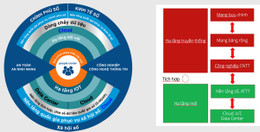
Within the framework of the postal infrastructure development plan, the postal network is identified as one of the five key components essential for ensuring the smooth flow of goods and information in the digital age.
The plan addresses existing shortcomings in the development of Vietnam’s postal network. In the new phase, the postal network is poised to play a crucial role in ensuring stability and connectivity for the flow of goods. It is being designed with the objective of expanding its service reach to encompass modern digital express logistics, thereby becoming a vital infrastructure of the national economy.
According to the Postal Infrastructure Development Plan’s drafting committee, the core objective is to develop the postal network in a comprehensive and modern manner, connecting the world with the digital space and transforming it into an indispensable infrastructure for the national economy and society. The postal network plan is designed to be proactive, ensuring supply chain stability and preventing disruptions amidst potential resource shortages.
Optimizing Postal Services for Competitive Pricing
Beyond its integration with other components of the postal and telecommunications infrastructure, the postal network in the new phase maintains the efficiency of its commodity flow, extending beyond the movement of goods to include the flow of information, thereby establishing a strong link with the transportation and logistics infrastructure.
In alignment with the Postal Development Strategy until 2025 and with a vision towards 2030, the postal infrastructure plan sets ambitious targets for the development of the postal network, including both the express postal network and the public postal network.
The Ministry of Information and Communications’ Institute of Telecommunications Technology Strategy emphasizes the need for thorough research and analysis of current postal network conditions, both domestically and internationally. Representatives from the Institute of Telecommunications Technology Strategy also highlight that the development goals and requirements for the postal network are aimed at creating a vibrant service space and opening up new avenues for operation. Specifically, it is crucial to ensure that all citizens across the country have the right to access stable, quality postal services at reasonable prices.
Strategic Development of a Comprehensive Postal Network
The postal network development plan is being meticulously crafted to ensure high feasibility and scientific rigor. The drafting process involves close collaboration between the Ministry of Information and Communications and various postal enterprises, including major players like Vietnam Post and Viettel Post.
"The draft plan’s content, including the ambitious goals and development orientation, has been carefully considered and is being rigorously reviewed," stated a representative from the Institute of Telecommunications Technology Strategy.

The plan aims to create a robust postal network that is not only efficient but also technologically advanced. This includes leveraging modern technologies such as Big Data, Artificial Intelligence, and the Internet of Things (IoT) to optimize operations, reduce costs, and enhance efficiency.
Key Postal Network Development Targets by 2025:
- Increased Handling Capacity: Achieve a daily handling capacity of 93,000 postal items, with inter-provincial delivery times within major centers averaging 5 days and intra-provincial delivery times averaging 2 days.
- Establishment of Regional Postal Hubs: Develop 3 regional postal hubs with an average daily handling capacity exceeding 11,000 postal items, serving an average radius of 350 km.
- Development of Provincial Postal Centers: Establish 14 provincial postal centers with an average daily handling capacity exceeding 4,500 postal items, serving an average radius of 115 km.
This strategic development aims to create a postal network that is capable of supporting the nation’s digital transformation initiatives, driving economic growth, and improving the quality of life for its citizens. By ensuring universal access to affordable and high-quality postal services, Vietnam is positioning itself for a more connected and prosperous future.
The plan also emphasizes the development of a comprehensive digital ecosystem, fostering a "Make in Vietnam" approach to technology and services. This involves encouraging domestic innovation and production of digital infrastructure components and solutions, thereby reducing reliance on foreign technology and strengthening national technological sovereignty.
The Ministry of Information and Communications has been actively promoting digital transformation across various sectors, recognizing its potential to unlock new economic opportunities and enhance competitiveness. The development of a robust postal infrastructure is seen as a critical enabler of this broader digital agenda.

Implications for the Logistics Sector:
The enhanced postal network is expected to have a profound impact on Vietnam’s logistics sector. By providing more efficient and cost-effective delivery services, it will support the growth of e-commerce, facilitate trade, and improve the overall competitiveness of Vietnamese businesses in the global market. The integration of advanced technologies will enable real-time tracking, optimized routing, and personalized delivery options, meeting the evolving demands of consumers and businesses alike.
Furthermore, the development of a strong domestic postal network can contribute to reducing logistics costs, a significant factor in the competitiveness of Vietnamese exports. As Vietnam continues to integrate into the global economy, a modern and efficient logistics infrastructure will be crucial for sustaining its growth trajectory.
The government’s commitment to investing in and developing the postal infrastructure underscores its recognition of the sector’s strategic importance. This forward-looking approach is expected to yield significant socio-economic benefits, driving digital innovation, creating new employment opportunities, and ultimately contributing to Vietnam’s long-term development goals. The series of articles by VietNamNet serves as a vital resource for understanding the ongoing transformation and its far-reaching implications.