BIM Land officially breaks ground on high-end luxury resort project in Vinh Hy to redefine coastal tourism in Khanh Hoa

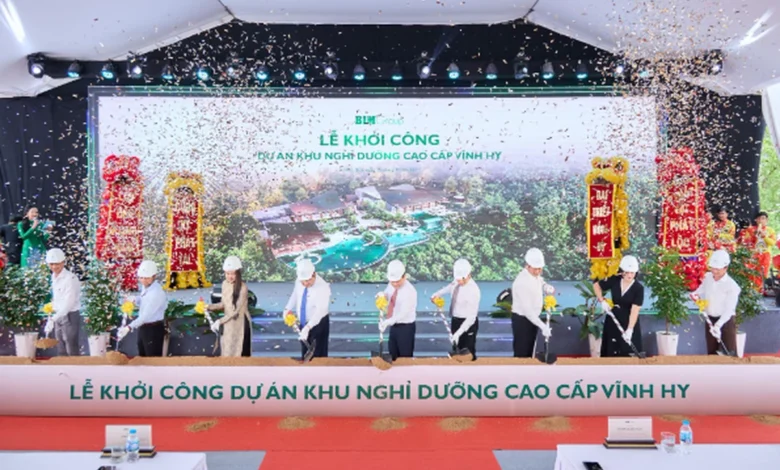
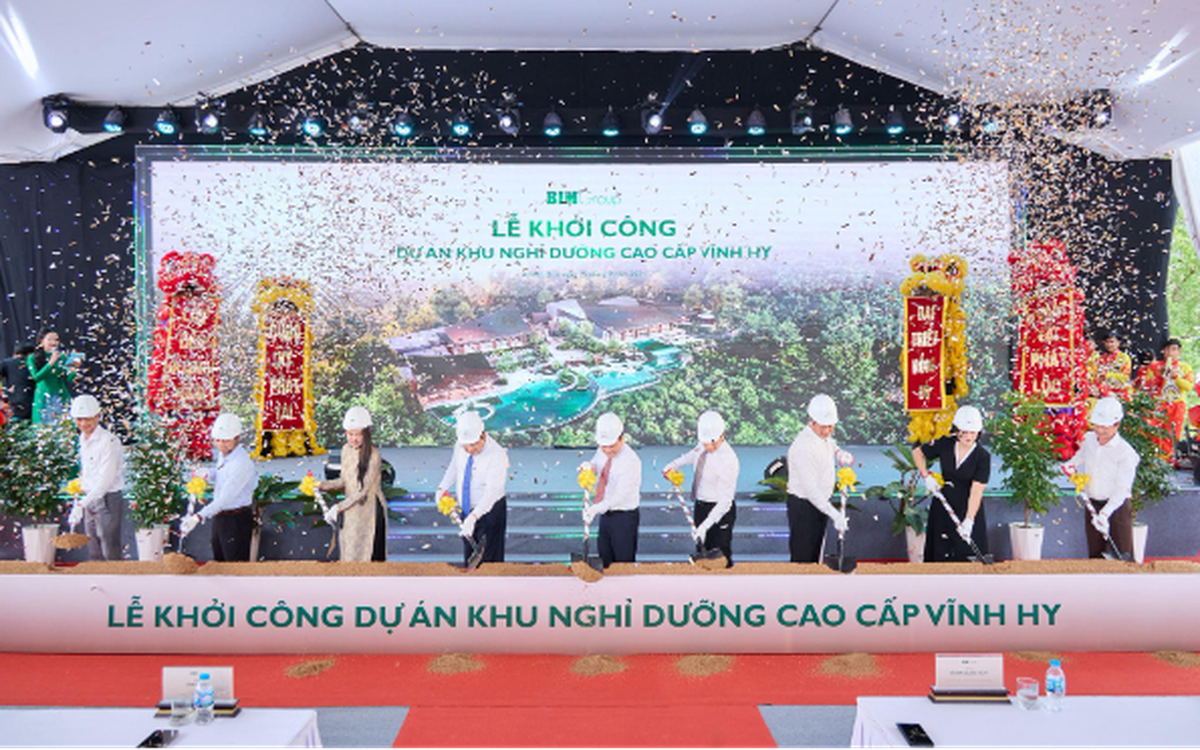
On the morning of September 25, Syrena Vietnam Investment and Development Joint Stock Company, a prominent subsidiary of BIM Group, officially held the groundbreaking ceremony for the Vinh Hy Luxury Resort project. This strategic development marks a significant milestone in the evolution of the hospitality landscape in the Vĩnh Hải commune of Ninh Thuận—a region now under the administration of Khánh Hòa province—signaling a shift toward sustainable, high-end tourism that prioritizes the preservation of unique ecological assets.
The project, conceptualized and developed by BIM Land, represents a continuation of the group’s two-decade legacy of investment in the region. From its early ventures in the Quán Thẻ salt fields to its expansive portfolio of renewable energy projects, BIM Group has consistently sought to catalyze regional economic growth. The Vinh Hy Luxury Resort is positioned as the next chapter in this journey, promising to elevate the standards of luxury travel while maintaining a symbiotic relationship with the natural surroundings.
A Masterclass in Landscape-Integrated Design
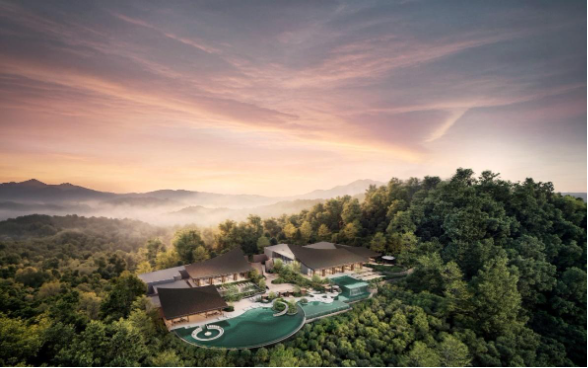
The architectural philosophy behind the Vinh Hy project is rooted in the "site-responsive" approach. The landscape of Vinh Hy is defined by a rare convergence of rugged mountains, dense forests, and pristine coastline. Recognizing the fragility and beauty of this terrain, BIM Land has engaged world-class planning and architectural firms to ensure that the resort’s physical footprint is minimal.
In the preliminary design schematics, the resort is envisioned as an immersive journey. It begins at the mountain valley, follows the natural contours of the hillside, and descends toward the vast panoramic vistas of the ocean. The design utilizes curved lines and organic shapes to soften the visual impact of the structures, ensuring that the buildings appear to emerge from the landscape rather than dominate it. This approach allows for multiple viewing angles, maximizing the sensory experience for guests while preserving the integrity of the natural topography.
The development team is working under a mandate to avoid "cookie-cutter" architectural templates. Instead, the design team is crafting a bespoke environment that mirrors the local culture and terrain. By integrating local materials and traditional design cues with modern, sustainable building technologies, BIM Land aims to create a destination that feels authentic to its location—a crucial requirement for the modern, high-end traveler who prioritizes cultural immersion over generic luxury.
Contextualizing BIM Land’s Hospitality Portfolio
BIM Land has established itself as a formidable force in the premium hospitality sector, both in Vietnam and the broader Southeast Asian region. Its strategy involves partnering with industry leaders to manage its properties, ensuring that each project meets international benchmarks for service, comfort, and sustainability.
The company’s current portfolio includes a diverse range of high-end brands, such as Park Hyatt, Regent, InterContinental, and Fraser Suites. Notable projects include:
- Park Hyatt Phu Quoc: A flagship project scheduled for operation in the fourth quarter of 2026.
- Regent Phu Quoc: A benchmark for ultra-luxury experiences in the region.
- InterContinental Phu Quoc Long Beach Resort: A testament to the company’s ability to manage large-scale, high-density luxury operations.
- InterContinental Halong Bay Resort: A project showcasing the firm’s expertise in coastal development.
- Crowne Plaza Vientiane and Holiday Inn & Suites Vientiane: Demonstrating the group’s regional influence in Laos.
The choice of Vinh Hy as the next destination is strategic. While destinations like Phu Quoc and Ha Long Bay have already seen significant development, Vinh Hy offers a "hidden gem" quality that appeals to high-net-worth individuals seeking privacy, exclusivity, and proximity to nature.
Official Perspectives on Sustainable Development
Speaking at the groundbreaking ceremony, Ms. Nguyen Thu Huong, Deputy General Director of BIM Group, emphasized the responsibility that comes with developing in such a ecologically significant area. "The greatest value of Vinh Hy lies in its landscape and the identity of the land itself," Huong noted. "A construction project takes only a few years to build, but a landscape requires generations to protect and cultivate. Our approach is to research the planning and architecture in strict alignment with the natural terrain and the local cultural heritage, creating long-term value that transcends the lifecycle of the resort itself."
This sentiment was echoed by local government officials. Mr. Nguyen Van Que, Chairman of the People’s Committee of Vinh Hai Commune, acknowledged the dual nature of the development. "Vinh Hai possesses a unique advantage regarding natural resources, scenery, and culture. However, sustainable tourism is only possible when these values are preserved and promoted with great responsibility," he said.
The local administration has committed to collaborating with all relevant agencies to ensure that the project adheres to all investment, construction, and environmental protection regulations. The government expects that the project will contribute significantly to the local economy by diversifying tourism products, creating jobs, and providing new opportunities for local suppliers and small businesses.
Broader Economic and Tourism Implications
The development of the Vinh Hy Luxury Resort is expected to trigger a ripple effect in the local economy. Beyond the direct employment generated during the construction phase, the long-term operation of the resort will require a skilled workforce, necessitating vocational training and education for local residents.
Furthermore, the project is likely to serve as a catalyst for infrastructure improvements in the area. High-end resorts typically require stable energy grids, reliable waste management, and improved access roads—all of which benefit the broader community.
From a macro-tourism perspective, the project addresses a growing demand for "experiential" travel. As international tourists increasingly turn away from mass-market tourism in favor of personalized, nature-centric experiences, the Vinh Hy project is well-positioned to capture this market share. By integrating elements such as local gastronomy, wellness programs, and community-led exploration tours, BIM Land is attempting to bridge the gap between luxury and authenticity.
Analytical Outlook: Challenges and Opportunities
While the project promises significant benefits, its success will depend on several key factors:
- Environmental Stewardship: The primary challenge for any developer in a pristine area is the "tragedy of the commons." Maintaining the ecological balance while accommodating guests requires rigorous waste management and energy efficiency protocols. BIM Land’s track record with international brands suggests a commitment to high ESG (Environmental, Social, and Governance) standards, which will be tested as the construction progresses.
- Community Integration: The success of the project is tethered to its relationship with the local population. If the resort succeeds in incorporating local culture without commodifying it, it will create a sustainable model for the region. However, this requires continuous dialogue and transparent communication between the developer and the community.
- Market Resilience: The luxury hospitality market is highly sensitive to global economic conditions. While the project is set to launch in an era where "post-pandemic" travel demand remains high, the company will need to remain agile to compete with emerging destinations in Southeast Asia.
A Timeline of Growth
The trajectory of BIM Land in this region can be viewed as a long-term commitment to regional development:
- 2000s: Initial investments in salt production and salt-related infrastructure in the region, laying the foundation for logistical and land development knowledge.
- 2010s: Transition toward real estate and renewable energy, marked by the development of large-scale solar and wind projects in Ninh Thuan/Khanh Hoa, demonstrating a shift toward sustainable industrial assets.
- 2024-2025: Strategic pivot toward high-end hospitality, leveraging the accumulated land and resource knowledge to develop the Vinh Hy project.
- 2026 and Beyond: Targeted operational phases for the new resort, coinciding with the broader expansion of the company’s hospitality footprint across Vietnam and Indochina.
Conclusion
The groundbreaking of the Vinh Hy Luxury Resort is more than just the commencement of a construction project; it is a statement of intent from BIM Land. By attempting to marry international luxury standards with the delicate, raw beauty of the Vinh Hy coast, the developer is aiming to create a new benchmark for tourism in Vietnam. If executed with the precision and respect for the environment that the stakeholders have promised, the project could become a cornerstone for sustainable economic development in Khanh Hoa, setting a template for how high-end tourism can contribute to, rather than diminish, the natural and cultural heritage of a region. As the project moves into the construction phase, the industry will be watching closely to see if this ambitious vision can indeed be translated into reality.