TP.HCM ghi nhận hơn 42.000 ca tay chân miệng, vượt ngưỡng trung bình 5 năm – ảnh 2

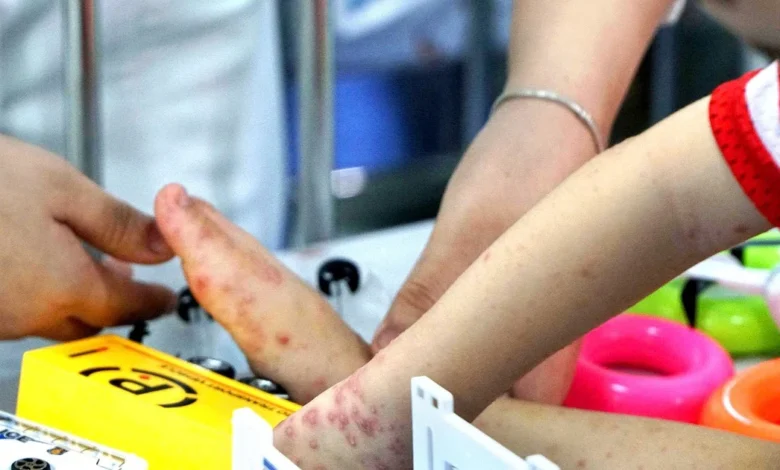
Ho Chi Minh City has recorded a staggering surge in hand, foot, and mouth disease (HFMD), surpassing its five-year historical average and triggering heightened public health concerns as virulent viral strains circulate within the community. According to the Ho Chi Minh City Center for Disease Control (HCDC), cumulative data through mid-October 2026 reveals a severe escalation in epidemiological transmission, prompting local health authorities to implement aggressive containment protocols, intensify surveillance, and urge widespread preventative measures across schools and households.
The epidemiological landscape across Vietnam has deteriorated significantly over the first nine months of 2026. National health surveillance systems have logged nearly 100,000 cases of hand, foot, and mouth disease nationwide. This figure represents a dramatic 2.5-fold increase compared to the corresponding period in 2025. Vulnerable pediatric populations continue to bear the brunt of the outbreak, with children under the age of five accounting for an overwhelming 87.3% of all documented infections.
Geographic distribution mapping over the four weeks leading up to late October highlights critical transmission hotspots. Alongside Ho Chi Minh City, provinces and municipalities such as Dong Nai, Dong Thap, Tay Ninh, Lam Dong, Da Nang, and Hanoi have reported the highest concentrations of new infections. Public health forecasters warn that without stringent community-wide interventions, transmission rates could continue their upward trajectory as seasonal conditions favor viral persistence.
Escalation Timeline and Surge Metrics in Ho Chi Minh City
The epidemic curve within Ho Chi Minh City demonstrates a sharp and alarming upward inflection during the late third quarter. As of October 18, 2026, corresponding to epidemiological week 42, the city’s cumulative HFMD caseload reached 42,315. This metrics marks a 64.5% increase compared to the 25,723 cases recorded during the same timeframe in the previous year.
Detailed temporal analysis indicates that the outbreak shifted into an aggressive phase beginning in week 37, which commenced on September 7. During this week, weekly case numbers persistently breached the 1,400 threshold. HCDC noted that the municipality has experienced four consecutive weeks of abnormal case surges, pushing transmission rates well beyond the established five-year historical average for this period.
The intensification of the outbreak is closely linked to the circulation of high-risk viral pathogens. Comprehensive laboratory surveillance conducted by municipal health agencies from the beginning of the year through October 18 identified 60 clinical samples testing positive for Enterovirus 71 (EV71). EV71 is widely recognized by infectious disease specialists as a particularly virulent pathogen notorious for causing severe neurological complications, systemic deterioration, and, in critical cases, fatalities. With children returning to concentrated environments such as kindergartens and daycare centers following seasonal breaks, the vector for rapid interpersonal transmission has expanded significantly.
Transmission Dynamics and Pathogen Characteristics
Hand, foot, and mouth disease is primarily transmitted via the fecal-oral route and through direct contact with an infected individual’s bodily fluids, including saliva, respiratory droplets, blister fluid, or feces. Common behavioral interactions among young children—such as handshaking, hugging, and sharing toys—facilitate rapid community spread.
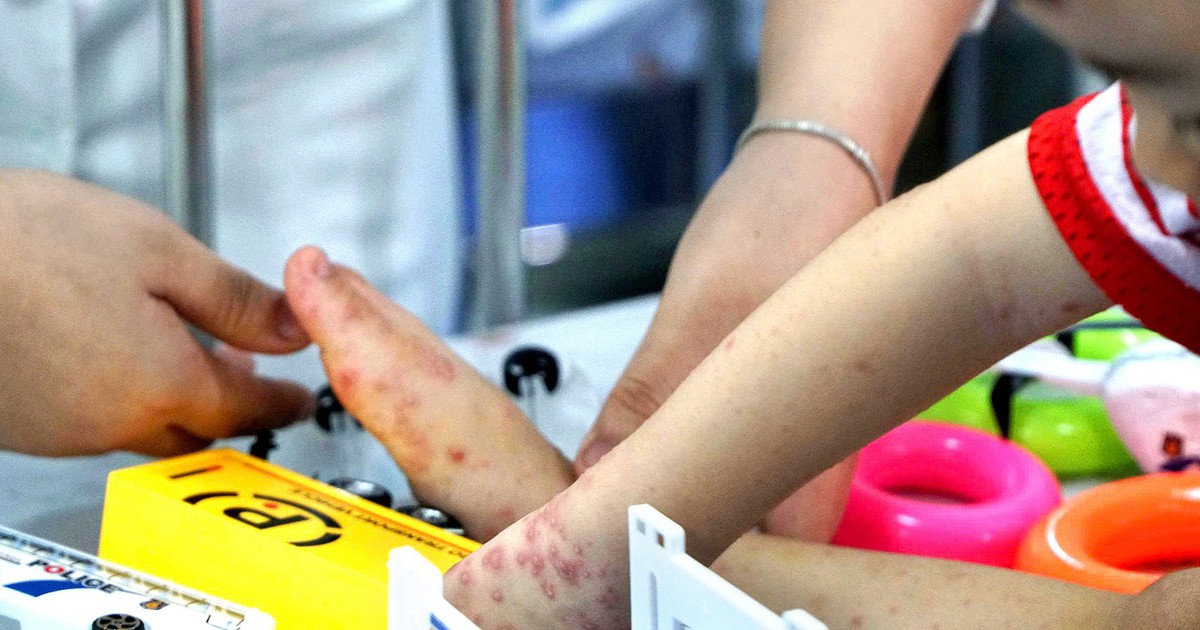
Epidemiological investigations underscore the remarkable environmental stability of the enteroviruses responsible for HFMD. These pathogens are capable of surviving for extended periods on inanimate surfaces, classroom furniture, doorknobs, educational tools, and daily household items. Consequently, communal settings with high contact frequencies, particularly preschools and primary education facilities, act as primary amplifiers for community outbreaks.
Public health experts emphasize that asymptomatic carriers and children in the early prodromal stages of infection play a substantial role in silent transmission. Because the virus can be shed before classic dermatological symptoms appear, containment relies heavily on rigorous environmental hygiene and the immediate isolation of symptomatic individuals.
Implementation of the Three Cleans Prevention Framework
In response to the escalating crisis, HCDC has aggressively promoted the "Three Cleans" (Ba sạch) prevention framework, a standardized hygiene protocol designed to disrupt transmission chains in both domestic and educational environments:
- Clean Eating: Emphasizing the consumption of thoroughly cooked foods and safe, potable water. Utensils, cups, bowls, and chopsticks must be strictly individualized; under no circumstances should young children share eating implements or drinking vessels.
- Clean Living Environments: Mandating the routine cleaning and disinfection of frequently touched surfaces and shared objects using soap or standard household detergents. This includes toys, study desks, door handles, stair railings, table surfaces, and flooring.
- Clean Hands: Requiring both children and caregivers to practice rigorous hand hygiene using soap and clean running water. Critical handwashing milestones include before food preparation, before eating or feeding children, before administering medication, after using the restroom, and following diaper changes or sanitary cleanups.
Clinical Management and Exclusion Protocols for Schools
Health authorities stress that active monitoring must be maintained both at home and upon arrival at educational institutions. Children displaying prodromal or clinical signs of HFMD—such as persistent fever, oral ulcerations, and characteristic vesicular rashes on the palms, soles, knees, or buttocks—must be immediately removed from group settings, kept at home, and brought to a qualified medical facility for formal clinical evaluation.
To prevent institutional clusters, infected children are mandated to observe a minimum isolation period of 10 days from disease onset, or until all oral ulcers and vesicular lesions have completely resolved and dried. Specifically, guidelines prohibit children from attending nursery schools, kindergartens, or group play settings during the first 7 to 10 days of illness, when viral shedding is at its peak. Furthermore, fluid from ruptured blisters must be handled and disposed of with strict sanitary precautions to prevent environmental contamination.
Vaccination and Institutional Responsibilities
A critical development in modern HFMD management is the availability of targeted vaccination against Enterovirus 71, the specific viral strain associated with severe neurological manifestations and high mortality risks. Current medical recommendations advise administering the EV71 vaccine to children between the ages of 6 months and 5 years, utilizing a two-dose primary series administered at least one month apart. Parents are strongly encouraged to consult authorized vaccination centers to establish an appropriate immunization schedule for their children.
Concurrently, educational institutions have been instructed to proactively implement infection control guidelines issued by the Ministry of Health. Schools and preschool administrators are tasked with conducting robust communication campaigns targeting parents and teachers regarding early recognition signs and prevention strategies. Facilities must ensure adequate environmental sanitation, maintain well-ventilated and well-lit classrooms, execute routine surface disinfection in accordance with medical standards, and enforce morning health screenings alongside an assured supply of soap and clean water.