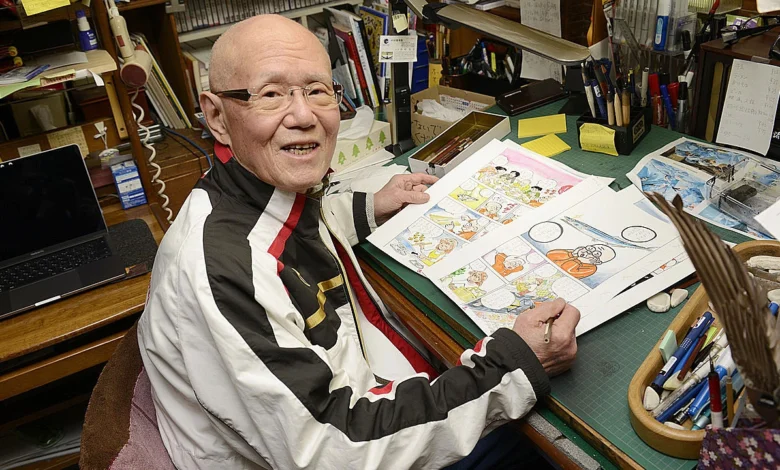
The Japanese manga industry and the global literary community are in mourning following the announcement that legendary manga artist Tetsuya Chiba, the creative force behind iconic works such as Ashita no Joe (Tomorrow’s Joe) and Ore wa Teppei (The Great Teppei), has passed away at the age of 87. According to a formal statement released by his long-time publisher, Kodansha Ltd., the artist died in a Tokyo hospital on October 22. While no official cause of death has been disclosed, the news marks the end of an era for a medium that he helped define and elevate to a global cultural phenomenon.
A Legacy Spanning Seven Decades
Tetsuya Chiba’s career was not merely a job but a profound exploration of the human condition, resilience, and the relentless pursuit of dreams. Spanning more than 70 years, his body of work left an indelible mark on the manga landscape. From his debut in 1956, initially targeting young female audiences, to his pivot toward the shonen (boys’ manga) genre in the early 1960s, Chiba demonstrated an unparalleled versatility.
Born in Tokyo in 1939, Chiba’s early childhood was defined by the turbulent realities of World War II. He spent his formative years in northeastern China during the period of Japanese occupation. This experience of displacement, poverty, and the harsh realities of a post-war society provided the emotional bedrock for his storytelling. His narratives often centered on protagonists who, despite being marginalized or impoverished, possessed a burning desire to transcend their circumstances.
The Phenomenon of Ashita no Joe
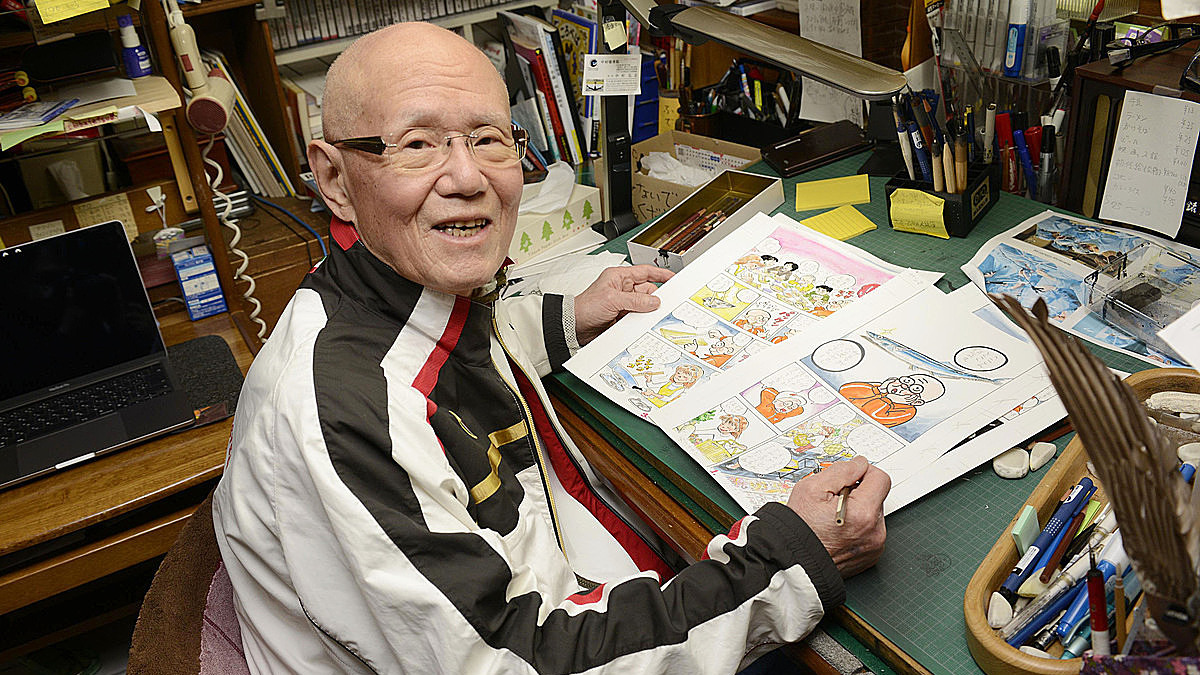
In 1968, Chiba reached the zenith of his career with the publication of Ashita no Joe, a collaboration with writer Asao Takamori (Ikki Kajiwara). The story of Joe Yabuki—a penniless, combative orphan from the slums of Tokyo who finds purpose and catharsis through professional boxing—became a cultural touchstone.
Ashita no Joe was more than a sports manga; it was a gritty, visceral reflection of Japan’s post-war social and economic anxieties. At its peak, the series sold over 20 million copies, a staggering figure for the era. The impact of the work was so profound that when the character Toru Rikiishi, Joe’s primary rival, died in the narrative, thousands of readers attended an actual funeral service held for the fictional character in Tokyo. This unprecedented reaction underscored the deep emotional connection readers felt toward Chiba’s realistic, empathetic, and deeply human characterizations.
Expanding the Sports Manga Genre
Before Ashita no Joe solidified his reputation, Chiba had already begun to revolutionize the sports genre. His 1961 work Chikai no Makyu (The Magic Ball), serialized in a major magazine, is widely considered the blueprint for the modern sports manga genre in Japan. By integrating high-stakes action with character-driven development, he paved the way for decades of successors.
His later work, Ore wa Teppei—known as Siêu quậy Teppei in Vietnam—further showcased his ability to blend humor with the discipline of martial arts, specifically Kendo. Throughout the 1980s and 90s, Teppei became a staple for children across Asia, shaping the childhoods of generations who identified with the protagonist’s mischievous yet determined spirit. Even today, the work remains a vital piece of international pop culture, having been published in numerous languages and formats.
Chronology of a Remarkable Career
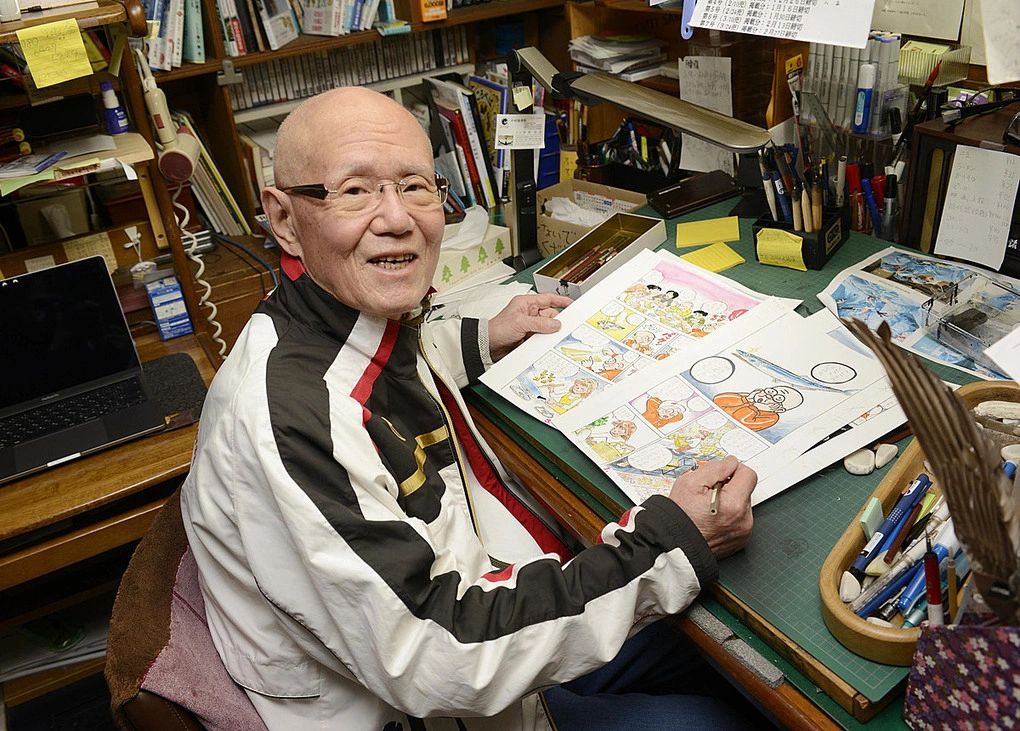
- 1939: Born in Tokyo.
- 1956: Official debut as a professional manga artist.
- 1961: Published Chikai no Makyu, pioneering the sports manga genre.
- 1968: Began serialization of Ashita no Joe, which became a cultural sensation.
- 2014: Honored as a Person of Cultural Merit by the Japanese government.
- 2022: Inducted as a member of the Japan Art Academy.
- 2024: Became the first manga artist to receive the prestigious Order of Culture, the highest honor in Japanese arts.
- 2025: Launched the autobiographical manga Hinemosu Notari Nikki (A Lazy Life Diary), chronicling his early life in China and his subsequent journey as an artist.
- 2026: Passed away on October 22.
Broader Impact and Industry Recognition
The influence of Tetsuya Chiba extended far beyond his drawing desk. He served as the chairman of the Japan Cartoonists Association and held a professorship at the Bunsei University of Art, where he mentored the next generation of creators. His commitment to the craft was recognized by the highest tiers of Japanese society. In 2024, his receipt of the Order of Culture served as a national acknowledgment of manga’s status as a legitimate and respected form of high art.
Colleagues and industry insiders have described his artistic style as "meticulous and grounded." Unlike many contemporaries who relied on hyper-stylized action, Chiba’s characters were defined by their "grit, passion, and training." As one fan noted on a memorial thread, "He did not give his characters superpowers; he gave them the power of human endurance. That is why his stories remain timeless."
A Final Chapter
Even in his final years, Chiba remained active. His latest project, Hinemosu Notari Nikki, provided a poignant look back at his life, documenting the struggles and joys of his youth in China and his eventual return to Japan to pursue his passion. The series was paused in September 2026 due to his declining health, serving as his final creative contribution to a medium he spent seven decades nurturing.
The loss of Tetsuya Chiba is not merely the loss of an artist, but the loss of a bridge to a formative era of Japanese history. Through his characters—the defiant boxers, the spirited schoolboys, and the survivors of war—he told the story of a nation rebuilding itself, one frame at a time. His legacy will continue to resonate through the countless artists he inspired and the millions of readers who found solace and strength in his pages. As the manga industry pauses to reflect on his contributions, the consensus remains clear: Tetsuya Chiba was the architect of modern manga, and his work will continue to speak to the human spirit for generations to come.