Manchester United Finally Secures Carlos Baleba from Brighton in 70 Million Pound Deal After Long Pursuit

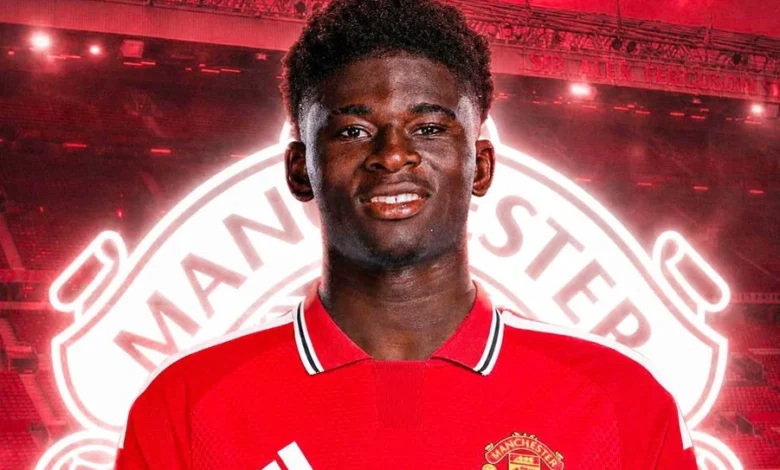
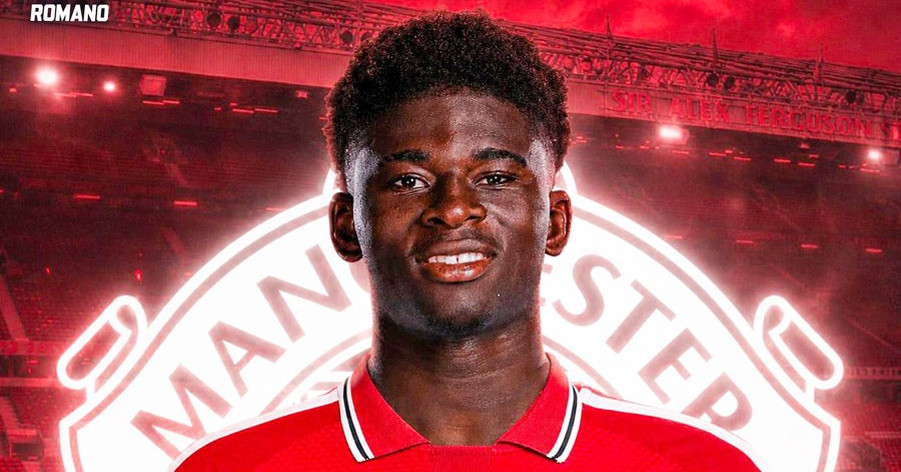
Manchester United has successfully broken through in their protracted pursuit of Brighton & Hove Albion midfielder Carlos Baleba, reaching a definitive agreement for a package worth 70 million pounds. The 22-year-old Cameroon international, who has remained a primary target on the recruitment board at Old Trafford for multiple transfer windows, is poised to become one of the cornerstone signings for the club as they prepare for the demands of the current competitive cycle.
Financial Breakdown of the Agreement
The financial structure of the transfer reflects a major diplomatic victory for the Old Trafford hierarchy, who have spent substantial time negotiating terms with their Brighton counterparts. According to the latest disclosures from sources close to the negotiations, Manchester United submitted a second formal bid consisting of a guaranteed 65 million pounds upfront, supplemented by 5 million pounds in performance-related add-ons.
This total valuation of 70 million pounds marks a dramatic reduction from the figures quoted during previous inquiries. Last summer, when Manchester United initially tested the waters for the young midfielder, Brighton valued their prized asset at an astronomical 120 million pounds, effectively warding off prospective buyers. By maintaining patience and strategically timing their renewed approach, the Red Devils have effectively saved approximately 50 million pounds compared to Brighton’s initial valuation from the previous year. Furthermore, the agreement reportedly includes a sell-on clause, ensuring that Brighton will secure a percentage of any future transfer fee should Manchester United opt to sell the player down the line.
Medical Examinations and Contractual Terms
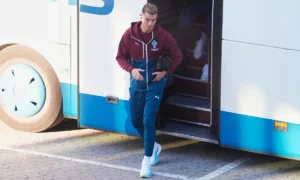
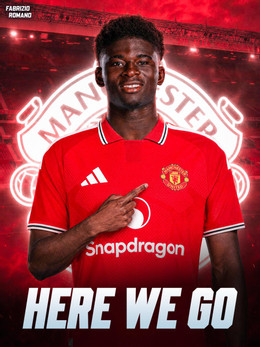
Carlos Baleba arrived in Manchester on Friday, August 21, to undergo the mandatory two-part medical examinations required to finalize his high-profile switch. Upon the successful conclusion of these assessments, the young midfielder is scheduled to put pen to paper on a five-year contract that will bind him to Old Trafford until the summer of 2031, with an option included in the agreement to extend the stay by an additional twelve months.
The medical evaluation process carried a minor hurdle due to an existing knee injury that Baleba picked up during a pre-season friendly fixture between Brighton and French outfit Strasbourg. Initial reports surrounding the severity of the knock caused transient anxiety among the Manchester United recruitment team, prompting a brief pause in negotiations as both clubs awaited clarity from medical specialists. However, subsequent scans and diagnostic reviews revealed that the injury was significantly less severe than initially feared. Medical staff confirmed that the damage is manageable, and the player is projected to complete his rehabilitation and return to full competitive action by late September.
The Chronology of Interest and Player Desires
The acquisition of Baleba represents the culmination of a long-term strategic plan by Manchester United’s technical department. The club’s interest in the midfielder dates back well over a year, driven by his stellar progression in the English Premier League following his arrival from French football.
Throughout the prolonged courtship, Baleba himself made no secret of his personal ambition to make the switch to Old Trafford. Despite the heavy price tag and Brighton’s firm initial stance, the player’s camp maintained open lines of communication with interested parties, signaling a clear preference for a move to the Northwest. When Manchester United returned with an improved and realistic financial proposal this summer, all parties involved found common ground quickly, culminating in the player traveling to Manchester to seal the arrangement.
Tactical Implications and Squad Integration
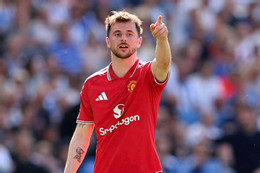
Once he completes his rehabilitation program and achieves full match fitness, Carlos Baleba will step into an intensely competitive environment in the heart of Manchester United’s midfield. The club has been proactive in reinforcing its central areas, bringing in additional reinforcements such as Andrey Santos and Youri Tielemans.
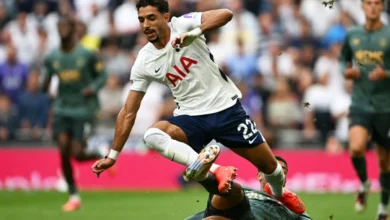
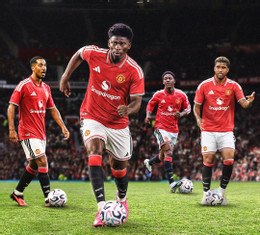
Baleba will compete for a starting berth alongside these new additions, as well as established figures within the squad, including England international Kobbie Mainoo and club captain Bruno Fernandes. Tactical analysts suggest that Baleba’s dynamic profile—characterized by high-intensity ball-winning capabilities, physical robustness, and progressive ball-carrying from deep positions—will offer the coaching staff immense tactical flexibility. His presence is expected to provide much-needed defensive stability and athletic dynamism, addressing structural vulnerabilities that plagued the team during previous campaigns.
Broader Context of Manchester United’s Summer Strategy
The acquisition of Carlos Baleba underscores a calculated, value-driven approach by Manchester United’s executive leadership during the current transfer window. While the club has encountered obstacles in other negotiations—such as the breakdown of talks regarding Ederson due to excessive demands from representatives, as detailed by Sporting Director Jason Wilcox—the successful closing of the Baleba file highlights improved discipline in recruitment valuations.
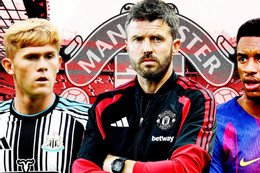
As the club navigates a demanding fixture schedule across domestic and European competitions, the integration of a player of Baleba’s caliber is viewed as a vital step in bridging the gap with elite rivals. With the squad simultaneously welcoming players like Benjamin Šeskó and Karl Darlow, while evaluating defensive reinforcements such as Barcelona’s Alejandro Balde, Manchester United’s overarching strategy centers on blending youthful upside with immediate readiness.
For now, all eyes remain on Baleba’s recovery timeline. If his rehabilitation proceeds without setbacks, the Cameroon midfielder could make his eagerly anticipated debut for the Red Devils shortly after the conclusion of the September international break, offering a fresh dimension to an evolving squad under Old Trafford’s tactical leadership.