Philippines Secures Crucial Victory Over Iran, Keeping Quarter-Final Hopes Alive at AFC Women’s Asian Cup 2026

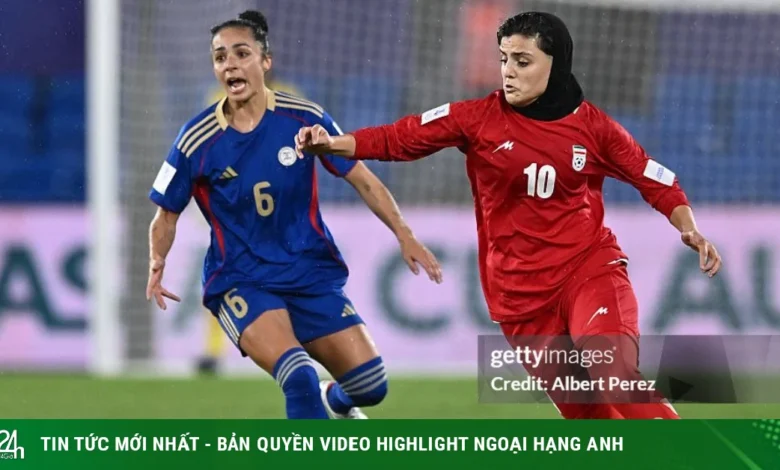
The Philippine women’s national football team, reigning Southeast Asian Games champions, demonstrated their growing prowess on the continental stage with a decisive 2-0 victory over Iran in their final Group A match of the AFC Women’s Asian Cup 2026. The win, secured on Sunday, March 8, 2026, at 6:37 PM (GMT+7), propelled the Filipinas to third place in their group and significantly boosted their chances of advancing to the quarter-finals as one of the two best third-placed teams in the tournament. This hard-fought triumph underscored the team’s resilience and strategic acumen, particularly after facing two earlier defeats in the group stage.
High Stakes in a Must-Win Encounter
The encounter between Iran and the Philippines was laden with immense pressure for both sides. Entering the final group stage fixture, both nations found themselves in precarious positions, having suffered consecutive losses in their opening two matches. For the Philippines, a formidable contender from Southeast Asia, the tournament had thus far presented a steep learning curve, challenging their tactical discipline and mental fortitude against more established Asian powerhouses. Iran, representing West Asia, also sought to leave a positive mark on the competition, hoping to showcase the progress of women’s football in their region. A victory was not merely about pride; it was the sole pathway to keeping their qualification aspirations alive, albeit dependent on results from other groups for a ‘lucky ticket’ into the knockout stages. The AFC Women’s Asian Cup, a prestigious quadrennial tournament, serves not only as the primary continental championship but also as a crucial qualifier for the FIFA Women’s World Cup, elevating the stakes for every participating nation. The format, which allows the two best third-placed teams from the group stage to advance, provided a glimmer of hope for teams unable to secure a top-two finish.
First Half Dominance and a Timely Breakthrough
From the opening whistle, the Philippine squad exhibited a clear intent to dominate proceedings. Their tactical setup, likely orchestrated by their experienced coaching staff, focused on controlling the midfield and exploiting spaces in Iran’s defensive lines. The Filipinas, known for their disciplined approach and improving technical skills, pressed high, limiting Iran’s ability to build attacks from the back. Their early efforts translated into sustained periods of possession and several probing runs into the final third. While Iran defended resolutely in the initial exchanges, the relentless pressure from the Southeast Asian champions eventually paid dividends.

The breakthrough arrived in the 29th minute, a moment of jubilation for the Philippine contingent. It was Sara Eggesvik, the talented midfielder with roots in Norwegian youth football, who etched her name onto the scoresheet. Eggesvik, a pivotal figure in the Philippine midfield, capitalized on a well-worked offensive play, displaying composure and precision to beat the Iranian goalkeeper. Her goal was a testament to the team’s collective effort and her individual quality, providing a much-needed morale boost and a tangible lead. The goal not only put the Philippines ahead but also validated their proactive approach in the first half, affirming their tactical superiority during the initial period of the match. Iran, despite falling behind, attempted to regroup, but the Filipinas maintained their defensive shape, thwarting any serious attempts at an equalizer before the half-time whistle.
Second Half: Sustained Pressure Seals the Victory
Returning for the second half, the Philippines refused to rest on their one-goal advantage. Understanding the critical importance of goal difference in the complex ‘best third-placed’ qualification scenario, they continued to push forward with renewed vigor. The intensity of their offensive play noticeably increased, creating a palpable sense of urgency around the Iranian penalty area. The West Asian representatives, while displaying commendable defensive resolve, found themselves increasingly pinned back, struggling to launch meaningful counter-attacks or relieve the sustained pressure. The Filipinas’ midfield continued to win crucial battles, dictating the tempo and ensuring a steady supply of possession to their attacking players.
The decisive moment arrived in the 82nd minute, effectively sealing the victory for the Philippines. Chandler McDaniel, another prominent figure in the Philippine attack, delivered the crucial second goal. Her clinical finish underscored the team’s attacking depth and their ability to convert chances under pressure. McDaniel’s goal extinguished any lingering hopes for an Iranian comeback and provided a comfortable two-goal cushion, a significant factor for potential tie-breaking scenarios. The 2-0 scoreline reflected the Philippines’ overall dominance throughout the match, particularly their ability to maintain focus and intensity for the full 90 minutes. The final whistle confirmed a well-deserved victory for the Filipinas, a moment of relief and triumph after their challenging start to the tournament.
Tactical Nuances and Key Player Contributions
The Philippines’ victory was a result of a well-executed game plan that highlighted their strengths and exploited Iran’s vulnerabilities. Coach Alen Stajcic, renowned for his strategic acumen, likely emphasized a balanced approach, combining disciplined defense with fluid attacking transitions. The team’s ability to maintain possession, particularly in the midfield, allowed them to control the pace of the game and dictate where play unfolded. The performances of Sara Eggesvik and Chandler McDaniel were instrumental, their goals providing the tangible outcomes of the team’s efforts. Eggesvik’s composure and vision in midfield were crucial for linking defense to attack, while McDaniel’s predatory instincts in front of goal proved decisive. Beyond the goal-scorers, the defensive unit, led by players like Hali Long and Olivia McDaniel (Chandler’s sister, potentially the goalkeeper, though not explicitly stated in the provided lineup context), displayed unwavering commitment, limiting Iran to minimal clear-cut opportunities. The team’s collective fitness and tactical discipline were evident, allowing them to sustain high-intensity play throughout the match.

Iran, on the other hand, struggled to impose their game. While they exhibited moments of individual skill and defensive solidity, they ultimately lacked the collective cohesion and attacking penetration required to challenge the determined Philippine defense. Their campaign in the tournament, though ending without a win, will nonetheless serve as valuable experience for the development of women’s football in their region, highlighting areas for strategic improvement and player development.
The Tense Wait: Best Third-Placed Teams Qualification
With their 2-0 victory, the Philippines concluded their Group A campaign in third position, accumulating 3 points from 3 matches with a goal difference of -2. Their fate now hinges on the results of other groups, particularly the performances of other third-placed teams. The AFC Women’s Asian Cup format grants two quarter-final spots to the best third-placed teams across all groups, adding an extra layer of drama and calculation to the final group stage fixtures.
As it stands, the Philippines temporarily holds the top spot among third-placed teams. However, the competition is fierce, and their position is far from secure. Their current standing places them ahead of Uzbekistan, who currently have 0 points and a goal difference of -6 from 2 matches. More critically, Vietnam, another strong contender from Southeast Asia, presents a significant challenge. Vietnam currently sits on 3 points with a superior goal difference of 0 from their 2 matches played. Their final Group C match against footballing giants Japan will be pivotal. If Vietnam can secure a draw or even a narrow defeat, especially one that doesn’t drastically worsen their goal difference, they could potentially leapfrog the Philippines. The outcome of that match will be meticulously watched by the Philippine camp, as it holds the key to their quarter-final aspirations. The tight margins emphasize the importance of every goal scored and conceded, turning the final group stage matches into a high-stakes mathematical puzzle.
The Ascent of the Filipinas: A Legacy in the Making
The Philippine women’s national team’s journey over recent years has been nothing short of remarkable. Their status as SEA Games champions is a testament to the significant strides they have made in regional football. This continental victory against Iran is another milestone in their progressive trajectory, showcasing their capability to compete and succeed against diverse opponents from across Asia. The team’s success is often attributed to a combination of factors, including strategic investments in player development, the recruitment of talented Filipino diaspora players, and the tactical guidance of experienced coaching staff. This victory at the AFC Women’s Asian Cup, regardless of their final qualification outcome, further solidifies their growing reputation and inspires a new generation of female footballers in the Philippines. Their consistent improvement on the international stage is a beacon for women’s football development in Southeast Asia, demonstrating that with dedication and proper support, teams can rise to continental prominence.
Iran’s Campaign: Lessons and Future Prospects
For the Iranian women’s national team, the AFC Women’s Asian Cup 2026 campaign concludes with valuable experience but without the desired results. Despite their efforts, they were unable to secure a victory in a challenging group. Their participation, however, is significant in itself, highlighting the increasing participation and development of women’s football in West Asia. Competing against teams like the Philippines, with their diverse playing styles and higher levels of international exposure, offers crucial learning opportunities. The technical and tactical gaps identified during this tournament will undoubtedly inform future development strategies for Iranian women’s football, focusing on improving infrastructure, expanding grassroots programs, and providing more international exposure for their players. The experience gained by players and coaching staff at this level is invaluable for long-term growth.
Looking Ahead: Quarter-Finals and Beyond
Should the Philippines successfully navigate the ‘best third-placed’ qualification scenario and secure a spot in the quarter-finals, they will face an even tougher challenge against one of Asia’s top-tier teams. The knockout stages of the AFC Women’s Asian Cup demand peak performance, tactical flexibility, and mental fortitude. Regardless of their quarter-final opponent, reaching this stage would be a significant achievement, further validating their position as a rising force in Asian women’s football. For Southeast Asian football as a whole, the strong performances of both the Philippines and Vietnam (should they also qualify) underscore the region’s growing competitiveness and potential to challenge the traditional powerhouses of Asian women’s football. The tournament continues to serve as a vital platform for showcasing talent, fostering development, and driving the overall growth of the women’s game across the continent.
The Philippines’ 2-0 victory over Iran was more than just three points; it was a powerful statement of intent, a demonstration of their continued evolution, and a testament to the unwavering spirit of the Filipinas. As the AFC Women’s Asian Cup 2026 progresses, the footballing world will watch with keen interest to see if their ‘lucky ticket’ dream becomes a quarter-final reality.
Related posts: