Director Tran Tu reveals his vision for the Miss Vietnam 2026 finale stage as a fusion of economics and high-end performing arts

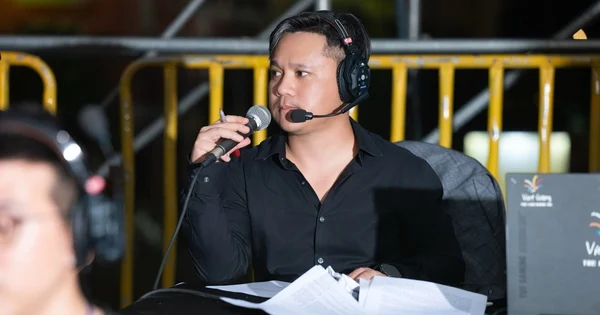
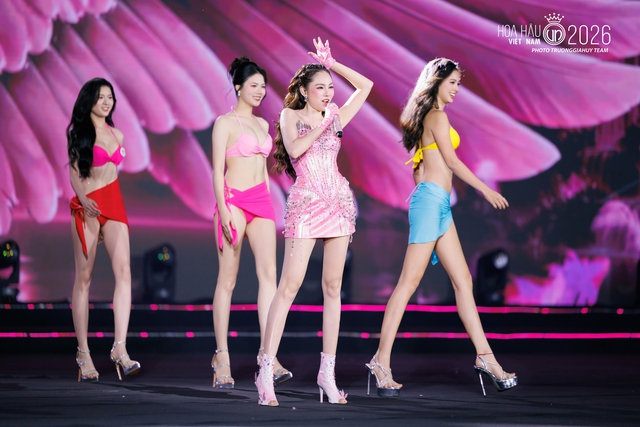
The upcoming Miss Vietnam 2026 finale is poised to be a departure from traditional beauty pageant production, as director Tran Tu—who holds a PhD in Economics—integrates his analytical background into the narrative structure of the event. Tasked with orchestrating the grand finale, Tu has promised a stage design that prioritizes emotional resonance and storytelling, moving away from static visuals to create a more dynamic experience for the audience.
A Career Path Rooted in Analytical Rigor
The transition from a career in academia and economic research to the high-pressure world of entertainment directing is an unconventional trajectory. Before becoming a prominent figure in Vietnamese stage production, Tran Tu spent years building his professional reputation in economic consulting and university teaching. This background has heavily influenced his approach to directing; he treats each show as a complex project that requires systematic planning, resource allocation, and a deep understanding of audience psychology.
Tu’s entry into the entertainment industry was not immediate. He spent years working in the background of various productions, learning the mechanics of stagecraft, lighting, and technical execution. This apprenticeship period was marked by the same challenges that define any nascent career—doubt, the struggle for recognition, and the need to prove his worth in a creative field that often prioritizes intuition over empirical data. However, Tu views these early hurdles as essential training, noting that his ability to manage large-scale events stems from his comfort with technical complexity and strategic organization.
The Miss Vietnam 2026 Vision: Integrating Cultural Identity
Miss Vietnam is arguably the most historic and prestigious beauty pageant in the country. Since its inception, it has sought to define the contemporary standard of the "modern Vietnamese woman"—one who embodies physical beauty, intellectual depth, and a commitment to societal contribution.
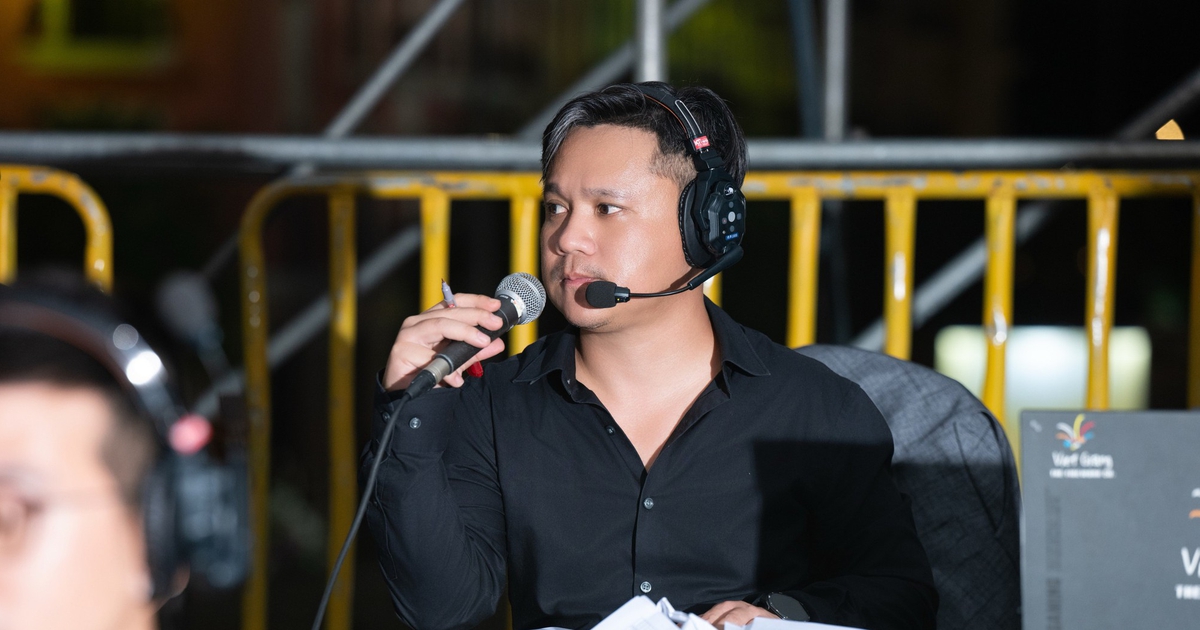
For the 2026 iteration, hosted in the port city of Haiphong, the production team has placed a heavy emphasis on regional heritage. Director Tran Tu has explicitly stated that he does not want cultural elements to appear as mere "window dressing" or superficial interludes. Instead, his team is working to weave indigenous narratives, local geography, and the history of Haiphong directly into the choreography and the visual language of the show.
"My goal is to move beyond the aesthetic of a standard competition," Tu explained in a recent press briefing. "The stage should function as a living space where the contestants’ personal journeys—their growth, their challenges, and their transformations—are highlighted through light, sound, and spatial movement."
Chronology of Production and Planning
The production phase for the 2026 finale began over twelve months ago, with the team focusing on several key milestones:
- Early 2026: Initial concept development focusing on the "Nhan Ai" (Compassion) and "Tri Tue" (Intellect) pillars of the pageant.
- Mid-2026: Finalization of the Haiphong venue, chosen for its industrial growth and historical significance, which aligns with the director’s vision of blending modern progress with traditional values.
- October 2026: Final rehearsals for the top 25 contestants, during which the director shifted focus from mere performance to psychological coaching, ensuring that each candidate could express her own "unique heartbeat" on stage.
- November 2026: Technical dress rehearsals and the integration of the film-style introductory sequences, which profile each contestant against the backdrop of Vietnam’s natural and cultural landmarks.
Data-Driven Production: A New Standard for Pageants
One of the most notable aspects of Tran Tu’s leadership is his emphasis on the "sustainability of performance." In the context of large-scale events, this refers to ensuring that every minute of screen time serves a purpose—whether to advance the competition’s narrative, provide historical context, or showcase the contestants’ capabilities.
His production philosophy relies on what he calls "meaningful presence." By analyzing historical audience engagement data from previous pageants, Tu and his team have identified that viewers often experience "event fatigue" during long, repetitive segments. To combat this, the 2026 finale will feature a more concise structure, utilizing high-quality documentary-style short films to introduce the contestants. These films are intended to bridge the gap between the audience and the individuals, providing context to the beauty standards typically presented in a vacuum.
Perspectives on the Contestant Experience
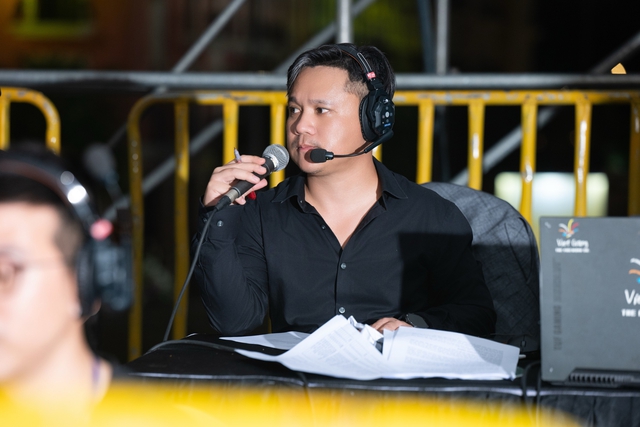
The Top 25 contestants for 2026 have been under the tutelage of Tu for several months. According to the director, the current cohort is defined by a higher degree of academic and social awareness than previous years.
"These are not just models," Tu noted. "They are young women with diverse backgrounds in technology, law, and social work. The role of the director is to provide a platform that allows their individuality to shine rather than forcing them into a rigid, singular mold. We want the audience to see the ‘how’ and ‘why’ of their evolution throughout the competition."
This approach has garnered positive feedback from the pageant’s organizing committee, who note that the shift toward a more narrative-driven competition helps bolster the relevance of the brand in an era where digital content is fragmented.
Implications for the Future of Vietnamese Pageantry
The decision to bring in a director with a background in economic science to lead a major cultural event reflects a broader trend in the Vietnamese entertainment industry: the professionalization of creative leadership. By prioritizing strategic planning, audience analytics, and thematic depth, Tran Tu is attempting to elevate the status of Miss Vietnam from a commercial event to a significant cultural milestone.
The broader implication is a move toward more "prestige-focused" production values. If the 2026 finale successfully balances the traditional expectations of the pageant with the director’s artistic and structural innovations, it could set a new benchmark for live television production in Vietnam. The use of Haiphong as a thematic anchor also signals a shift toward decentralization, highlighting the economic and cultural importance of secondary cities in national branding efforts.
The Balancing Act: Fairness and Artistry
A significant challenge in any competitive pageant is maintaining the perception of fairness while delivering a high-quality entertainment product. Tu acknowledges this tension, noting that the integrity of the results is the primary foundation of the show.
"A beautiful stage is worthless if the audience does not trust the outcome," he said. "The technical aspects—the lighting, the music, the flow of the show—are designed to support the competition, not to distract from it. Every transition and every piece of music is chosen to elevate the dignity of the candidates."
As the event approaches, the industry is watching closely to see if this marriage of economic discipline and creative vision will translate into a successful live broadcast. For Tran Tu, the ultimate success will be measured not by the complexity of the stage, but by the resonance of the final message: that beauty in the modern age is a composite of intellect, character, and a deep connection to one’s heritage.
With the final preparations underway, the focus remains on delivering a production that honors the history of the pageant while signaling a sophisticated, forward-looking evolution in how Vietnamese culture is showcased on the global stage.
Related posts: