Fatal Accident on Hanoi BRT Lane Prompts Traffic Police Warning Over Persistent Violations

The tragic death of a female motorcyclist on a dedicated Bus Rapid Transit (BRT) lane in Hanoi has reignited a national conversation regarding the perilous state of traffic safety and the deeply ingrained habits of "chaotic" driving that characterize urban mobility in Vietnam. Occurring during the busy morning hours on one of the capital’s most congested arteries, the incident has prompted the Traffic Police Department to issue a stern warning to the public, highlighting the life-threatening consequences of ignoring lane regulations and the flawed psychological perception of road priority among two-wheeled vehicle operators.
Detailed Chronology of the Incident
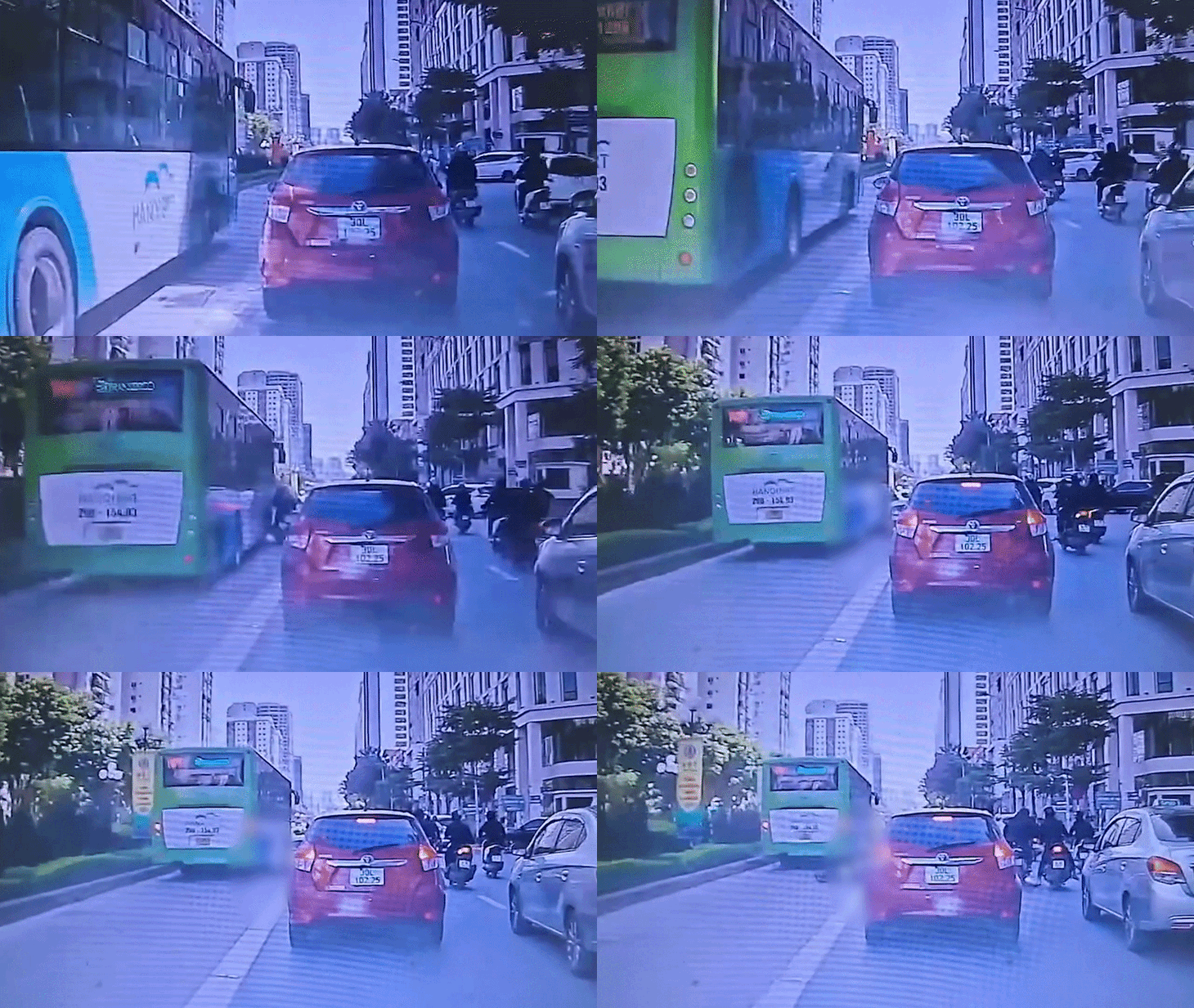
The accident took place at approximately 9:35 AM on July 18, along the Le Van Luong thoroughfare in the Thanh Xuan District of Hanoi. This particular road is one of the primary corridors for the city’s first BRT line, which connects Kim Ma to Yen Nghia. According to eyewitness reports and preliminary findings by the authorities, a woman identified by her motorcycle license plate 29V1-552.XX was traveling in the general traffic lane.
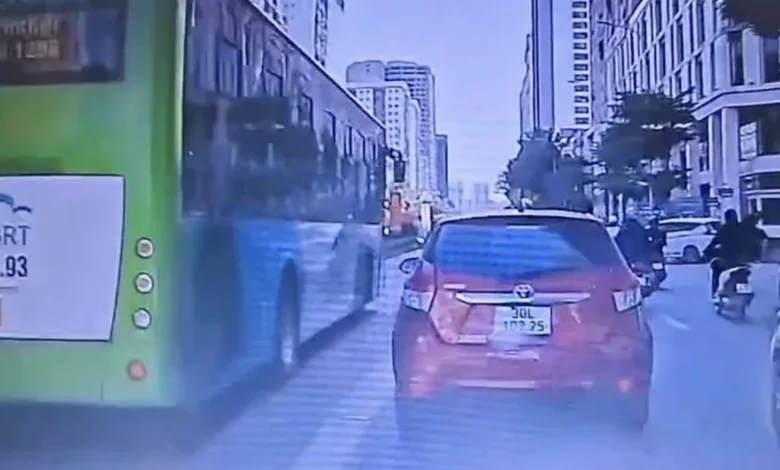
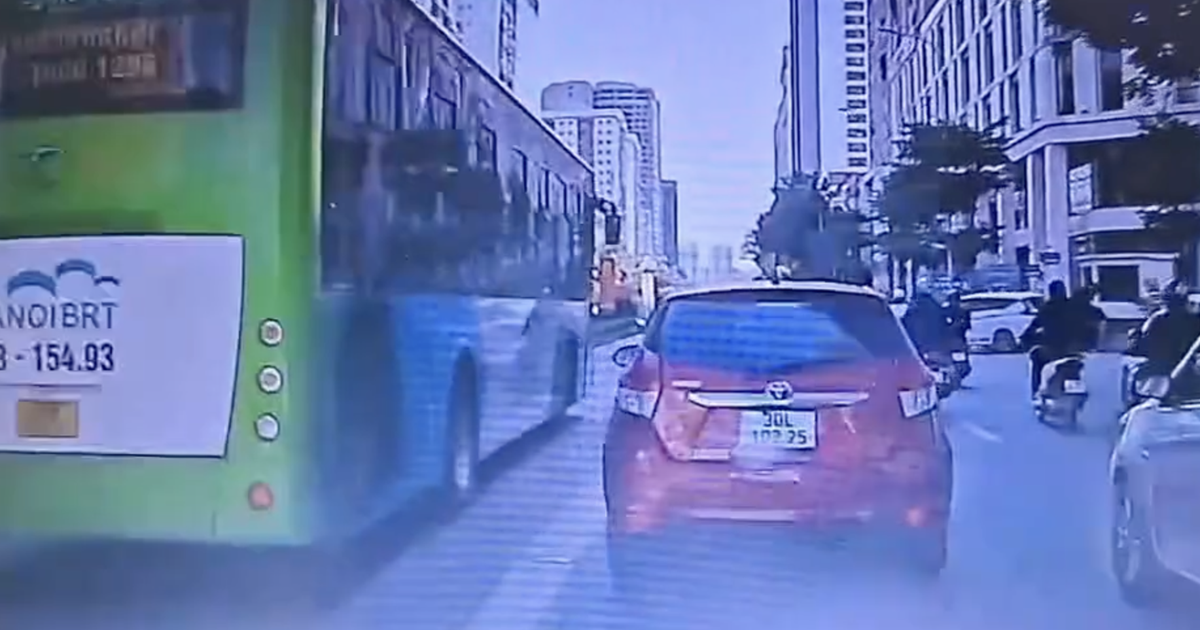
Seeking to bypass the heavy congestion typical of the morning commute, the motorcyclist made a sudden decision to swerve into the dedicated lane reserved exclusively for BRT buses. At that precise moment, a BRT bus with license plate 29B-154.XX was approaching from behind in its designated lane. The investigation revealed that the bus driver’s visibility was significantly obscured by another car traveling in the adjacent general lane, which created a blind spot at the moment the motorcycle crossed the lane divider.
The collision was unavoidable. The BRT bus struck the motorcycle and subsequently ran over the rider. Emergency services were called to the scene immediately, but the victim had sustained fatal injuries and was pronounced dead at the location. The scene was quickly cordoned off, causing significant traffic tailbacks for several hours as forensic teams and traffic police conducted their investigation.
Background and Context: The BRT Controversy in Hanoi
To understand the context of this tragedy, one must look at the history and current state of the Le Van Luong corridor. Launched in late 2016, the Hanoi BRT was envisioned as a modern solution to the city’s chronic traffic jams, intended to encourage citizens to move away from private vehicles toward public transit. However, since its inception, the system has faced significant criticism and operational challenges.
The most contentious aspect of the BRT system is the allocation of a dedicated lane on roads that were already operating at over-capacity. On Le Van Luong Street, where thousands of apartments have been built in recent years, the volume of traffic far exceeds the road’s design. This leads to extreme frustration among commuters who see a relatively empty BRT lane while they are stuck in gridlock. Consequently, lane encroachment has become a daily occurrence rather than an exception. Despite clear signage and the threat of fines, motorcycles and even private cars frequently "borrow" the BRT lane, creating a high-risk environment for both the bus drivers and the encroaching motorists.
Analysis of Traffic Violations and Public Psychology
Following the July 18 accident, the Traffic Police Department (under the Ministry of Public Security) provided a candid assessment of the behavior of motorcyclists in major cities. Officials described the current state of traffic as "lộn xộn" (chaotic), noting that a large segment of the population treats traffic laws as optional suggestions rather than mandatory safety requirements.
The Department identified several common and dangerous behaviors:
- Lane Encroachment: Motorcyclists frequently occupy lanes intended for automobiles or specialized vehicles like the BRT.
- Right-Side Discipline: There is a widespread failure to stay to the right-hand side of the road, which is the designated space for slower-moving two-wheeled vehicles.
- The "Big Vehicle" Fallacy: One of the most significant points raised by the police is the psychological phenomenon where small vehicle operators believe they have an inherent right to be shielded by larger vehicles. There is a persistent, albeit incorrect, belief that in the event of a collision, the "big vehicle" is automatically at fault and must pay compensation to the "small vehicle," regardless of who actually violated the law.
The Traffic Police Department emphasized that this mindset encourages reckless behavior. When a motorcyclist assumes the bus will always stop or swerve for them, they take risks that the laws of physics—and the limits of human reaction time—cannot always accommodate. In the case of the July 18 accident, the police categorized the collision as an "unforeseen event" for the bus driver, noting that he was not legally obligated to anticipate a sudden, illegal lane change from a blind spot.
Supporting Data and Statistical Overview
Traffic safety remains a critical issue in Vietnam. According to data from the National Traffic Safety Committee, while the number of accidents and fatalities has seen a gradual decline over the last decade due to stricter enforcement and better infrastructure, the figures remain high. In 2023 alone, the country recorded thousands of fatalities, with nearly 70% of accidents involving motorcycles.
Urban centers like Hanoi and Ho Chi Minh City are the epicenters of these issues. Statistics from the Hanoi Transport and Services Corporation (Transerco) indicate that BRT buses encounter lane violations hundreds of times per day. Surveillance cameras installed along the BRT routes have recorded thousands of instances of encroachment, yet the sheer volume of violators makes individual enforcement a daunting task for the authorities.
Furthermore, the Le Van Luong – To Huu route is often cited as the most "pressured" road in Hanoi. With a density of high-rise buildings that is among the highest in Southeast Asia, the infrastructure is simply unable to support the population density. This structural imbalance serves as a catalyst for the "chaotic" behavior described by the police, as commuters prioritize speed and personal convenience over safety protocols.
Official Responses and Infrastructure Concerns
In the wake of the fatality, representatives from the Traffic Police Department acknowledged that while driver behavior is a primary cause, the organization of traffic in Hanoi also contributes to the danger. They pointed out that many intersections and turn-off points are not scientifically designed, leading to frequent "conflict points" where vehicles turning left must cut across the path of the straight-moving BRT bus.
"Traffic organization at some nodes is not yet optimal," a police representative stated. "There are lack of solutions to prevent conflicts between vehicles turning and the flow of vehicles going straight. This creates high-risk zones where even a minor error in judgment can lead to a catastrophic accident."
Hanoi authorities are currently under pressure to review the efficiency of the BRT system. There have been proposals to allow other public transport vehicles, such as school buses or regular city buses, to share the BRT lane to maximize space utility. However, safety experts warn that increasing the variety of vehicles in that lane could lead to even more confusion and accidents if not managed with precision.
Broader Impact and the Path Forward
The July 18 accident serves as a somber reminder of the cost of convenience. For the family of the victim, it is a personal tragedy; for the city, it is a systemic failure. The legal implications for the bus driver are also a point of interest. In previous years, public sentiment and legal practice often penalized the larger vehicle by default. However, recent trends in Vietnamese jurisprudence, supported by the stance of the Traffic Police, suggest a shift toward "fault-based" liability. If a driver is operating their vehicle legally within their lane and a collision occurs due to an illegal maneuver by another party, the law is increasingly protecting the compliant driver.
To prevent future tragedies, the Traffic Police Department has proposed several measures:
- Stricter "Cold Fines": Increasing the use of camera surveillance to send fines directly to the homes of violators who encroach on dedicated lanes.
- Physical Barriers: Installing more robust physical separators to make it more difficult for motorcycles to swerve in and out of the BRT lane.
- Public Education: Launching campaigns to dismantle the "big vehicle pays" myth and educate riders on the fatal risks of blind spots.
- Infrastructure Reform: Re-evaluating the timing of traffic lights and the placement of u-turn points along the BRT corridor to reduce conflict.
As Hanoi continues to grow, the tension between its aging infrastructure and its burgeoning population of private vehicles will only intensify. The death of the motorcyclist on Le Van Luong Street is not just an isolated accident; it is a symptom of an urban environment where the rules of the road are frequently ignored in the desperate rush of daily life. Only through a combination of stricter enforcement, better urban planning, and a fundamental shift in the "traffic culture" of the citizenry can such senseless losses of life be averted in the future.