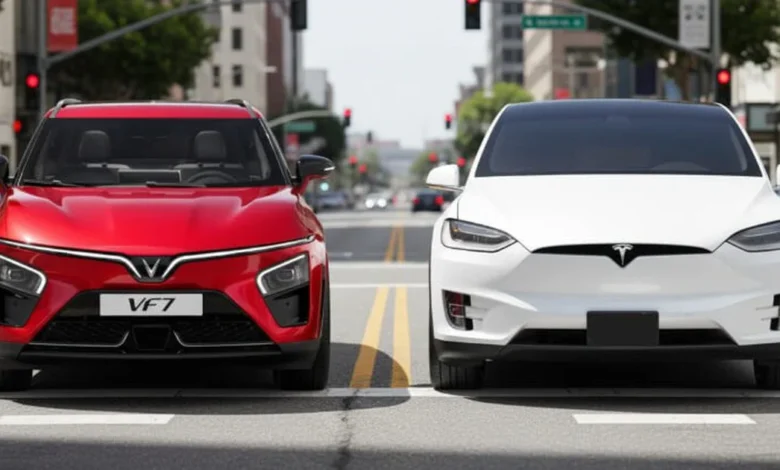
The Vietnamese electric vehicle (EV) market, currently the fastest-growing in Southeast Asia, is preparing for a significant shift as global electric vehicle giant Tesla begins aggressive recruitment efforts within the country. After establishing a legal entity in Ho Chi Minh City, Tesla has initiated a strategic hiring drive, specifically targeting roles in sales, customer support, and charging infrastructure development. This move signals an impending entry into a market where domestic manufacturer VinFast maintains an overwhelming dominance.
The Landscape of the Vietnamese EV Market
According to data from the International Energy Agency (IEA), Vietnam emerged as the most dynamic electric vehicle market in Southeast Asia throughout 2025. Electric vehicle sales in the country more than doubled compared to the previous year, with EVs accounting for nearly 40% of all new passenger vehicles sold. This rapid electrification is supported by a growing middle class, rising urbanization, and favorable government policies, including a waiver on registration fees for electric vehicles that has been extended until 2030.
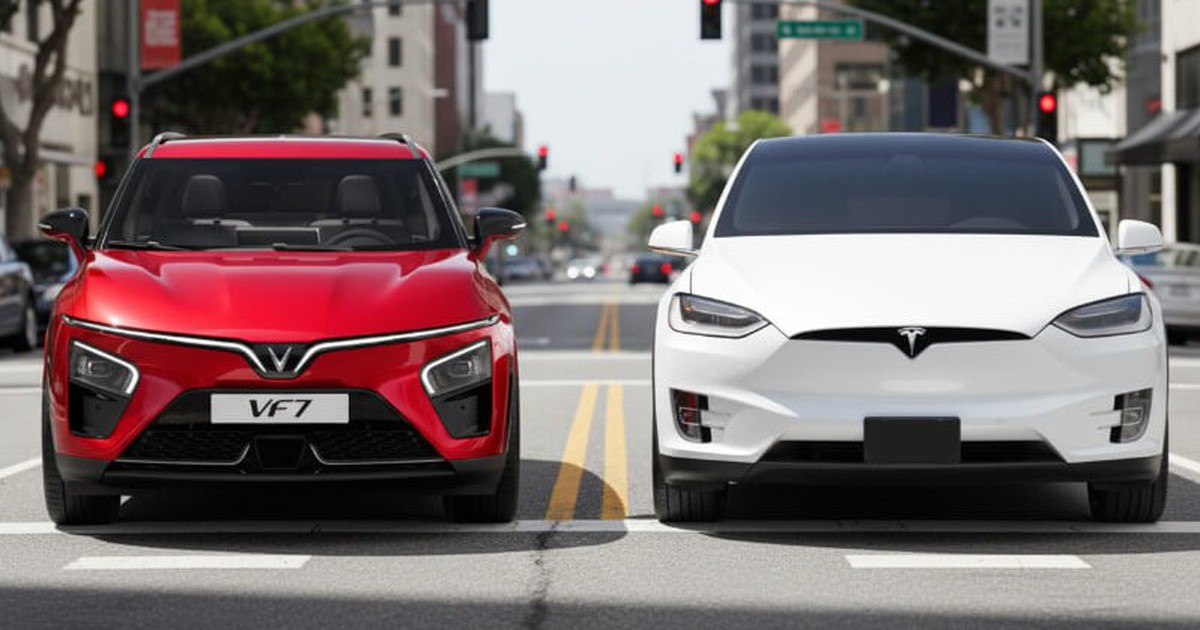
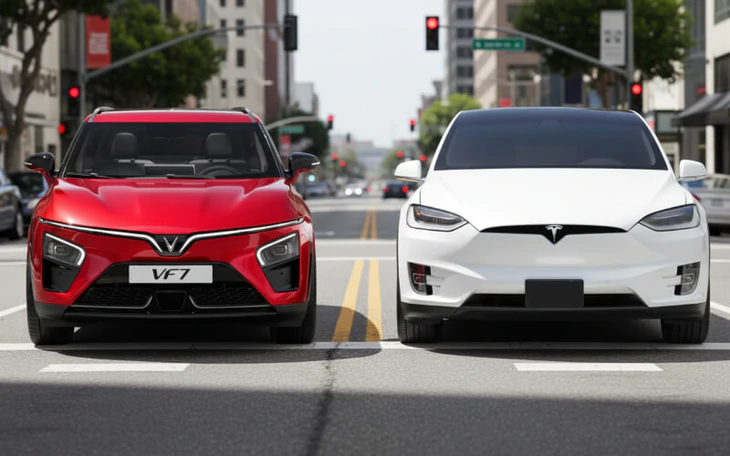
However, the market is currently defined by the presence of VinFast. According to research from HSC, the Vietnamese manufacturer commands approximately 92% of the local EV market share. Beyond the electric sector, VinFast has also established itself as a dominant force in the broader automotive industry. In the first nine months of 2026, the company sold 177,697 vehicles, representing roughly 36% of all new automobile sales in Vietnam. To put this scale into perspective, the combined sales of five major international brands—Toyota, Hyundai, Mitsubishi, Ford, and Kia—reached only 175,136 vehicles during the same period, trailing behind the performance of the domestic champion.
Strategic Advantages of the Domestic Incumbent
Industry analysts suggest that VinFast’s moat is built on more than just product variety. Koketso Tsoai, a senior automotive analyst at BMI (a unit of Fitch Solutions), notes that the company benefits from profound brand recognition, the expansive ecosystem of the Vingroup conglomerate, and the omnipresent reach of the Xanh SM electric taxi network.
The integration of post-sales service systems and a proprietary charging station network has significantly lowered the barriers to entry for consumers, mitigating the "range anxiety" that often hinders EV adoption in emerging markets. By providing a comprehensive ownership experience, VinFast has effectively normalized the transition to electric mobility for the average Vietnamese driver.
The Infrastructure Hurdle for New Entrants
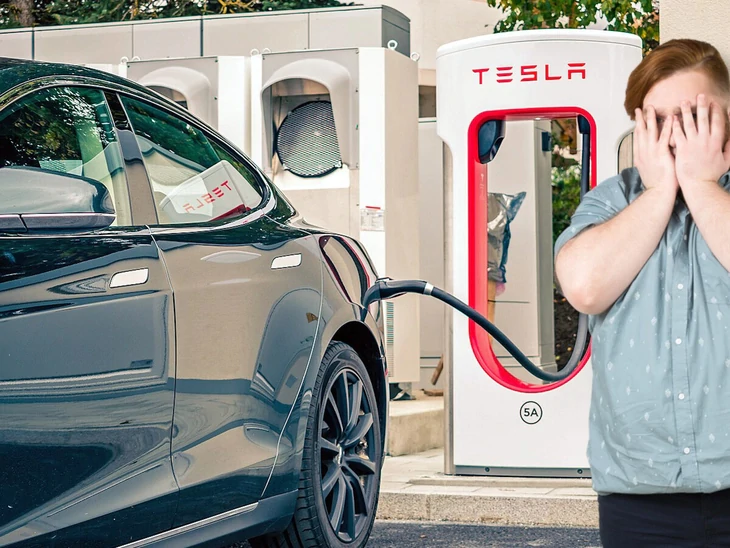
For Tesla, the primary barrier to entry is not merely the product, but the infrastructure. Supparoek Sawangwong, an ASEAN market analyst at Mobility Global, points out that VinFast has deployed a network of over 150,000 charging ports specifically designed for its vehicles. In contrast, the network of third-party charging stations in Vietnam remains limited and fragmented.
This disparity in infrastructure is likely the reason why, among the five recruitment roles recently advertised by Ricky Ip, Tesla’s head of recruitment for the Asia-Pacific region, there is a specific requirement for a project development specialist in charging infrastructure. This is widely viewed as a clear indicator that Tesla is preparing to build its proprietary Supercharger network in Vietnam. The company understands that without a reliable and widespread charging experience, its premium vehicles would face a significant adoption hurdle in a market already accustomed to the convenience of the VinFast network.
Pricing Pressures and Import Logistics
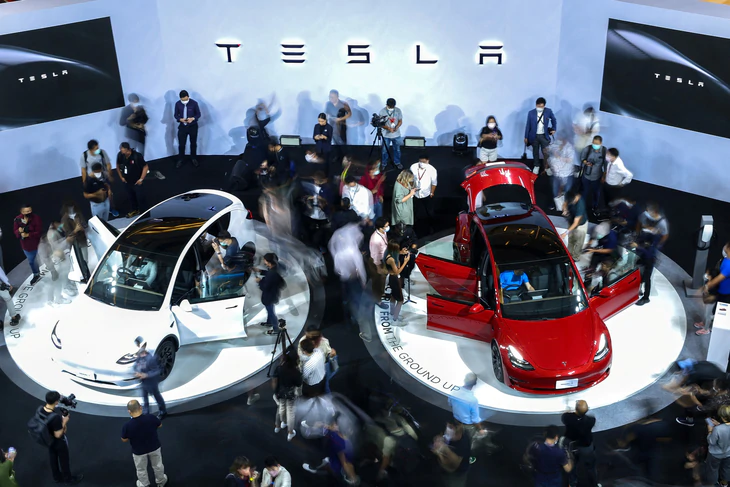
Beyond infrastructure, Tesla faces a complex mathematical equation regarding pricing. VinFast benefits from domestic manufacturing at its Hai Phong facility, which allows for competitive pricing and localized supply chain efficiencies. Tesla, conversely, will likely rely on importing vehicles from its Giga Shanghai factory.
Vietnam maintains relatively high import tariffs on automobiles, which could significantly impact Tesla’s ability to compete on price. While the policy of waiving registration fees for EVs is applicable to imported models, the base cost of a Tesla, when adjusted for tariffs and logistics, may place it in a much higher bracket than the mass-market offerings from VinFast.
However, there are positive tailwinds. Data from CNBC indicates that EV sales in Vietnam during the second quarter of 2026 grew by 89% compared to the same period in the previous year. As household incomes continue to rise, the pool of potential customers capable of purchasing luxury or premium vehicles is expanding, potentially creating a "sweet spot" for Tesla’s entry.
Market Positioning: Model 3 and Model Y
Industry experts frequently point to the Model 3 and Model Y as the most logical choices for Tesla’s initial rollout in the region. Rather than attempting to compete directly with VinFast in the entry-level or mid-range segments, the American automaker is expected to target high-income demographics who prioritize brand cachet and advanced software integration.
Peter Richardson, Vice President and Director of Research at Counterpoint Research, argues that Tesla’s global brand, superior software, and advanced autonomous driving technology are its greatest assets. These factors are highly attractive to tech-savvy, affluent consumers who view their vehicle as a high-tech lifestyle asset rather than just a utility.
"Tesla doesn’t need to create the demand for EVs in Vietnam from scratch," says Tsoai. "The market is already primed. The challenge for Tesla is persuading consumers that their brand, their proprietary technology, and the specific ownership experience they offer are worth the premium compared to the well-established local alternatives."
Future Outlook and Strategic Implications
As of November 2026, Tesla has yet to announce official details regarding its sales points, full product lineup, pricing, or the location of its first showroom in Vietnam. Nevertheless, the simultaneous recruitment of sales, service, and charging infrastructure personnel suggests that the company is preparing for a full-scale distribution operation rather than a limited legal presence.
The entry of a global giant like Tesla will undoubtedly test the maturity of the Vietnamese automotive sector. While VinFast remains the dominant player with a deep-rooted advantage in infrastructure and local sentiment, the introduction of a new competitor is likely to accelerate the overall development of the EV ecosystem.
For the Vietnamese consumer, this competition is expected to drive further innovation in services, charging convenience, and product offerings. As the market continues to evolve, the clash between the local giant and the global pioneer will serve as a bellwether for the future of the Southeast Asian automotive industry. Whether Tesla can replicate its global success in a market so thoroughly captured by a domestic powerhouse remains the central question for industry observers in the coming years.
By focusing on the high-end segment, Tesla may avoid the immediate "David versus Goliath" struggle in the mass market, instead opting for a strategy that leverages its reputation as a global leader in automotive technology. This deliberate segmentation, coupled with the inevitable expansion of the national charging infrastructure, will determine whether Tesla can secure a sustainable foothold in what is rapidly becoming one of the most critical automotive markets in the world.