Hard Rock Stadium: A Model for American Sports Venue Business and Diversified Revenue

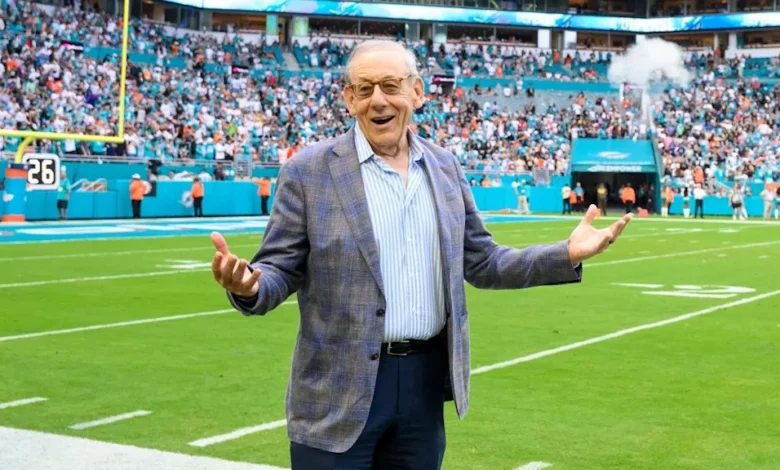
Miami, Florida – July 18, 2026 – While not the largest or most technologically advanced, Hard Rock Stadium, the jewel in real estate magnate Stephen Ross’s portfolio, stands as a premier example of the modern American sports and entertainment business model. Today, Friday, July 18, 2026, at 00:10 GMT+7 (Thursday evening, US time), the stadium, temporarily rebranded as Miami Stadium in adherence to FIFA regulations, will host the World Cup 2026 third-place playoff between England and France, marking another significant event in its increasingly diverse calendar.
The selection of Hard Rock Stadium as one of the eleven venues across the United States for the month-long World Cup tournament underscores its strategic importance, not just for football, but as a multi-faceted entertainment complex. FIFA’s strict rules regarding corporate sponsorship necessitate the temporary renaming to "Miami Stadium" to prevent conflicts with official World Cup partners, a common practice at host venues globally. Despite this temporary moniker, the stadium’s enduring commercial success and innovative operational strategy remain synonymous with its primary brand and the vision of its owner.
The Visionary Behind the Transformation: Stephen Ross
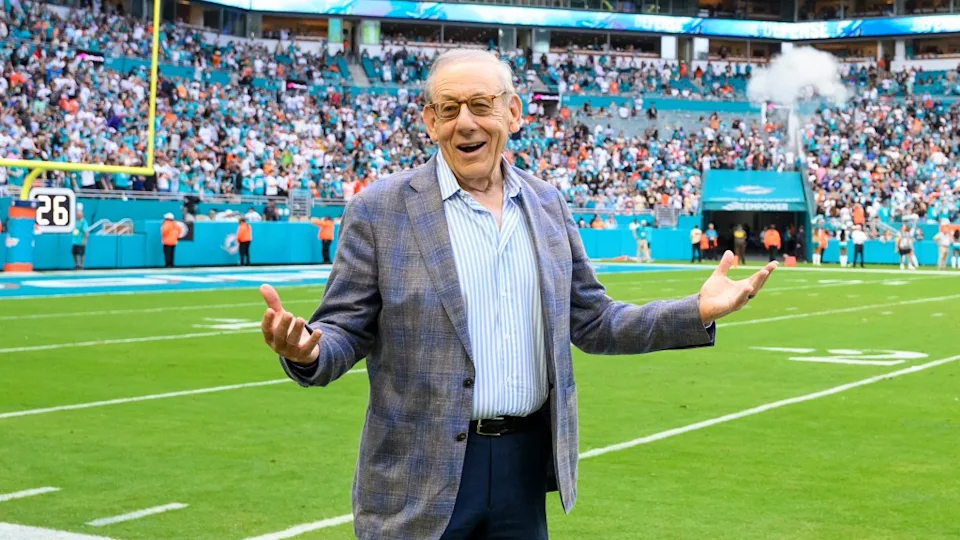
The journey of Hard Rock Stadium from a traditional sports arena to a global entertainment hub began in earnest with Stephen Ross, the influential real estate developer. Ross’s involvement commenced in 2008 when he acquired a 50% stake in the Miami Dolphins, the NFL team that calls the stadium home. This initial investment was not merely in a sports franchise but crucially included the commercial rights to the stadium and its surrounding land. A year later, Ross solidified his control by increasing his ownership to 95%, effectively taking the reins of both the team and its venue.
According to Forbes, Ross is currently ranked the 165th wealthiest individual globally, boasting an estimated net worth of $17 billion. His considerable financial muscle and entrepreneurial acumen were immediately put to use, as he embarked on an ambitious strategy to overhaul the aging stadium. Tom Garfinkel, the CEO of both the Miami Dolphins and Hard Rock Stadium, recalls his initial impressions upon meeting Ross in 2013. "When I came here in 2013 to talk with Ross, we just had a 30-year-old stadium and huge empty parking lots," Garfinkel recounted. However, Ross’s ambition was clear: to transform the site into a premier destination for global entertainment events. "When we started the stadium renovation, that was the ultimate goal we were aiming for," Garfinkel added, highlighting the long-term vision that guided subsequent investments.
A Chronology of Strategic Investments and Diversification
Early Foundations (1985-2007):
The stadium’s history dates back to 1985 when construction began, with its grand opening occurring two years later in 1987. Initially named Joe Robbie Stadium, it honored the founder of the Miami Dolphins, reflecting a common practice in American sports where venues are intrinsically linked to their primary tenants. For decades, it served primarily as the home for the Dolphins, occasionally hosting other local sporting events and concerts, but its full commercial potential remained largely untapped.
Ross’s Transformative Renovation (2016):
A pivotal moment arrived in 2016 with the completion of a massive $350 million renovation project, funded entirely by Stephen Ross. This wasn’t a typical expansion aimed at increasing capacity; instead, Ross made the unconventional decision to reduce the stadium’s seating by 10,000, bringing it down to just over 65,000 seats. This move was strategic, freeing up valuable space for enhanced service areas, premium hospitality suites, luxury boxes, and a wider array of restaurants. The objective was clear: to cater to a higher-spending demographic and attract large corporate clients, thereby increasing revenue per attendee rather than simply maximizing crowd size. This shift marked a deliberate move towards creating a more exclusive and comfortable fan experience, aligning with luxury trends seen across other major entertainment venues.
The Hard Rock Naming Rights Deal (2016):
Concurrent with the renovation, a significant commercial agreement was forged with Hard Rock International, a global conglomerate known for its hotels, casinos, and restaurants. Hard Rock secured the naming rights for the stadium in an 18-year deal valued at an estimated $250 million, translating to approximately $14 million annually. This substantial partnership not only provided a steady stream of revenue but also cemented the stadium’s identity with a globally recognized entertainment brand, further boosting its appeal as a destination. The name change from the previous Sun Life Stadium to Hard Rock Stadium was emblematic of the venue’s renewed focus on entertainment beyond traditional sports.
Entry into Formula 1 Racing (2018-2022):
Stephen Ross’s foresight continued in 2018 when he identified a burgeoning opportunity in Formula 1 racing. With Liberty Media, the owner of F1, seeking to expand its presence in the lucrative U.S. market following the success of the Circuit of the Americas in Austin, Texas, Ross proposed an innovative solution. Instead of constructing an entirely new racing complex, he suggested utilizing the vast 140-hectare (approximately 346 acres) expanse of land surrounding Hard Rock Stadium to create a temporary street circuit. This land, previously underutilized and primarily serving as parking lots for about 10 Dolphins games a year, presented an ideal canvas.
After more than two years of persistent pursuit and significant investment, the inaugural Miami Grand Prix roared to life in May 2022. The 5-kilometer (over 3-mile) circuit wound its way through the stadium grounds, transforming the area into a high-octane spectacle. Ross later shared on CNBC that the three-day F1 event attracted more visitors to Hard Rock Stadium than an entire season of Dolphins football, highlighting the immense draw and revenue potential of this new venture. The Miami Grand Prix quickly established itself as a major highlight in the F1 calendar and a significant milestone in the stadium’s strategy to become a year-round sports and entertainment destination. A dedicated, state-of-the-art paddock area, costing $80 million, was constructed for the F1 event. This facility, designed with multi-functional capabilities, can be reconfigured to host various events, from corporate gatherings to premium spectator experiences for other sports, making it a flexible asset.
Hosting the Miami Open Tennis Tournament (2019):
Further diversifying its offerings, Hard Rock Stadium became the new home of the Miami Open tennis tournament in March 2019. This prestigious event is one of only nine ATP Masters 1000 tournaments on the global tennis circuit, attracting top-ranked players and a dedicated international audience. To accommodate this world-class tournament, Stephen Ross invested over $70 million to construct approximately 30 tennis courts, including a magnificent center court within the stadium itself, along with numerous practice courts. This investment transformed the venue into a dual-sport complex, capable of hosting major football and tennis events simultaneously or consecutively, maximizing asset utilization.
Multifaceted Revenue Streams and Economic Impact
The relentless pursuit of diversification has transformed Hard Rock Stadium into a bustling complex that generates revenue from every conceivable angle. Beyond the core NFL and now World Cup football, Formula 1, and ATP tennis, the venue is a magnet for large-scale concerts and cultural events. High-profile artists like the 16-time Grammy winner Bruno Mars are scheduled to perform two shows in mid-September, while R&B superstars Usher Raymond and Chris Brown are slated for concerts in early December. These musical events significantly contribute to the stadium’s overall revenue, drawing diverse audiences and filling gaps in the sporting calendar.
Even seemingly mundane assets like parking lots are optimized for profit. The complex boasts over 23,000 parking spaces. At an average price of $40 per vehicle, a full NFL game can generate nearly $1 million in parking revenue alone. This meticulous approach to monetization, where every square meter within the Hard Rock Stadium complex is designed to generate income, exemplifies Ross’s commercial genius.
According to Tom Garfinkel, the CEO, South Florida Stadium LLC—the entity that owns the complex—has witnessed a significant increase in profitability over the past decade, a direct result of these substantial and strategic investments. However, Garfinkel also emphasizes that Stephen Ross is not solely driven by the profits generated by this specific organization. Ross’s motivation extends beyond immediate financial returns, focusing on long-term value creation and community impact. The stadium’s year-round activity also provides a continuous boost to the local economy, supporting jobs in hospitality, retail, and transportation, and drawing tourism to the South Florida region.
Analysis and Broader Implications
Hard Rock Stadium stands as a powerful case study in the evolution of sports venue economics. It represents a paradigm shift from single-purpose arenas to dynamic, multi-event entertainment destinations. This model mitigates the financial risks associated with seasonal sports by diversifying revenue streams and ensuring year-round utilization. By reducing seating capacity for premium experiences, investing in specialized infrastructure for F1 and tennis, and actively courting major concert tours, Ross has created a blueprint for maximizing asset value in a competitive market.
The strategic foresight demonstrated by Ross in identifying and capitalizing on emerging trends, such as the growth of F1 in the U.S. and the demand for premium spectator experiences, has been instrumental. This approach not only enhances the value of the Miami Dolphins franchise but also establishes the stadium as a standalone economic powerhouse. The temporary rebranding for the World Cup, while a minor inconvenience, also highlights the stadium’s flexibility and capability to adapt to diverse global event requirements, further cementing its international appeal. The meticulous planning, from infrastructure development to event programming, ensures that the complex remains at the forefront of the global entertainment industry.
Future Outlook
Stephen Ross remains committed to the continuous evolution of Hard Rock Stadium. In early May, he indicated that further upgrades were under consideration for various aspects of the venue. "I want Hard Rock Stadium to always feel like a new stadium," Ross shared with NBC Sports, articulating his philosophy of perpetual investment to enhance the fan experience. This ongoing commitment ensures that Hard Rock Stadium will continue to adapt, innovate, and thrive, solidifying its position as a leading model for sports and entertainment business in the 21st century. As the World Cup 2026 third-place playoff concludes, the stadium’s legacy as a versatile and commercially vibrant hub will only grow.
Related posts: