The complex relationship between Hyundai and Kia and the reality of their shared engine technology

The automotive landscape is frequently defined by strategic alliances, but few are as tightly integrated as the partnership between Hyundai Motor Company and Kia Corporation. Operating under the umbrella of the Hyundai Motor Group, these two South Korean giants have moved beyond simple badge engineering to create a sophisticated, shared ecosystem of mechanical and electrical components. For consumers, this raises a persistent question: to what extent are Hyundai and Kia vehicles identical under the hood? The answer lies in a decades-long industrial strategy designed to maximize economies of scale, reduce research and development (R&D) overhead, and maintain distinct brand identities in an increasingly competitive global market.
A Historical Foundation of Strategic Synergy
To understand why these two brands share so much technology, one must look at the historical turning point of the late 1990s. Kia, founded in 1944 as a manufacturer of bicycle parts and steel tubing, faced a catastrophic financial collapse during the 1997 Asian financial crisis. Burdened by debt and over-expansion, the company filed for bankruptcy protection. In 1998, the South Korean government facilitated an auction for the company, and Hyundai Motor—already a titan of the domestic industry—emerged as the winning bidder. By 1999, Hyundai had acquired a 51% stake in Kia, effectively absorbing the brand into what would become the Hyundai Motor Group.
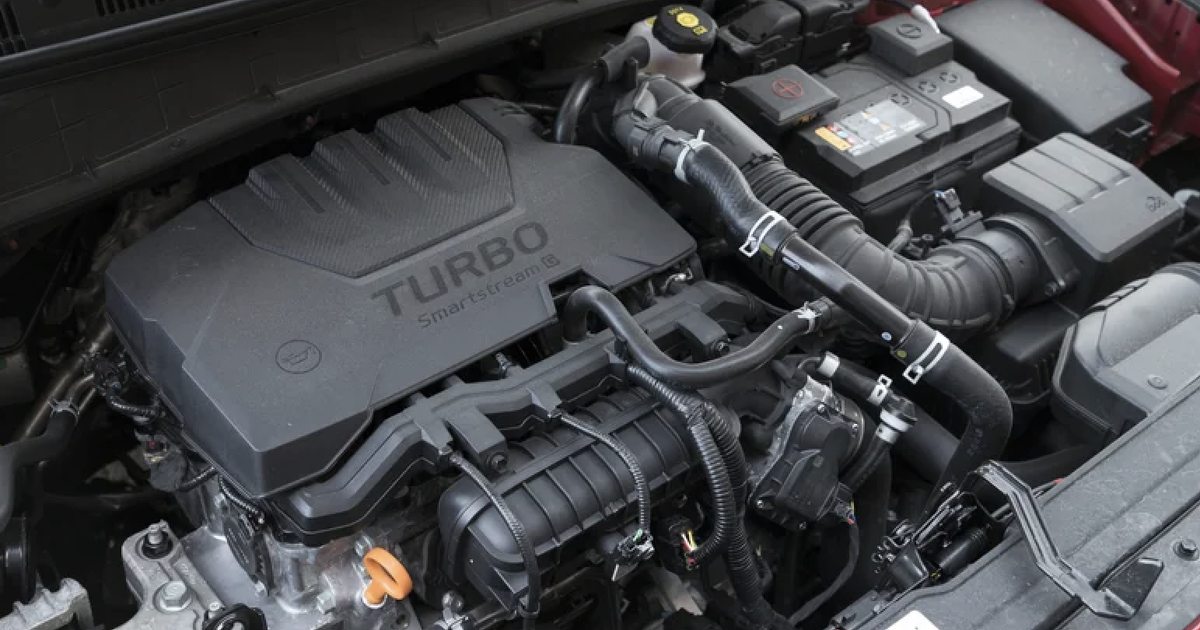
This was not a mere acquisition of assets; it was the creation of a manufacturing juggernaut. Over the following two decades, the Group implemented a strategy of platform sharing. Instead of developing separate engines, transmissions, and chassis systems for every model, the two brands began to collaborate on a unified engineering core. This synergy allowed the Group to consolidate its supply chain, leverage collective bargaining power with parts suppliers, and significantly shorten the lead time for bringing new models to market.
The Mechanics of Shared Powertrains
The sharing of internal combustion engines between Hyundai and Kia is widespread, spanning from compact sedans to full-size SUVs. Perhaps the most prominent example is the 2.2-liter CRDi diesel engine. This power plant has served as the backbone for heavy-duty applications across the group, appearing in high-volume models such as the Hyundai Santa Fe and the Kia Sorento. Depending on the specific market and the model generation, this same engine architecture has also powered the Hyundai Palisade, the Kia Carnival, and various iterations of the Hyundai Sonata.
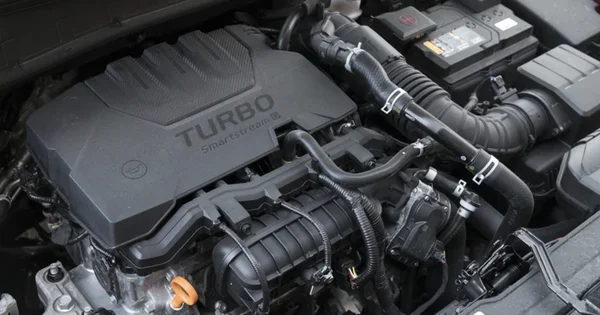
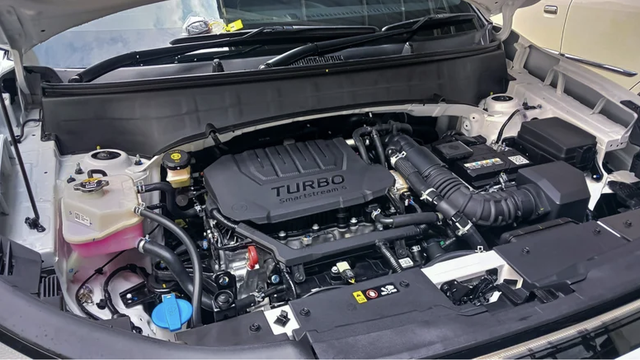
In the gasoline segment, the "Smartstream" engine family represents the pinnacle of this integration. The 2.0-liter and 2.5-liter turbocharged T-GDi engines are utilized interchangeably across premium and performance-oriented trims for both brands, including the Kia K5, the Hyundai Sonata N Line, and the Kia Sorento. By utilizing a modular engine architecture, the Hyundai Motor Group can calibrate the same engine block to produce varying levels of horsepower and torque, allowing a "sporty" Kia to feel distinct from a "luxury-focused" Hyundai, despite sharing the same core block and cylinder head.

The Challenges of Shared Architecture: A Double-Edged Sword
While the benefits of this strategy are clear in terms of cost-efficiency, the reliance on a singular technological base creates significant risks. If a specific engine family experiences a mechanical defect, the impact is magnified across millions of vehicles from both brands.
The most notorious example of this systemic vulnerability involved the Theta II and Nu engine families. Between 2011 and 2021, millions of vehicles, including the Hyundai Sonata, Tucson, and the Kia Optima and Sportage, were subject to recalls due to manufacturing defects that could lead to engine stalling or, in extreme cases, fire risks. These issues, which plagued vehicles in the United States and other global markets, forced the Hyundai Motor Group into a massive, multi-year remedial effort.
The repercussions were not just financial; they were reputational. In response to mounting pressure from regulators and consumer class-action lawsuits, the Group launched extensive settlement programs. By 2024, the companies had significantly extended warranties for affected engines to up to 15 years or 150,000 miles (approximately 240,000 kilometers). This move was seen as an essential step to restore consumer confidence in the reliability of their shared powertrains.
Evolution into the Electric Era
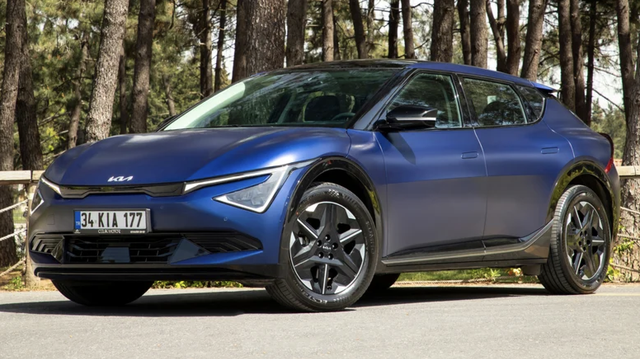
The transition to electric vehicles (EVs) has not changed this strategy; if anything, it has accelerated it. Both brands currently utilize the Electric-Global Modular Platform (E-GMP), an 800-volt architecture that allows for ultra-fast charging. The Hyundai Ioniq 5, Ioniq 9, Kia EV6, and Genesis GV60 all share this foundation, along with common battery modules and electric motor assemblies.
However, as seen with the Internal Combustion Engine (ICE) era, sharing components carries shared risks. Recent issues regarding the Integrated Charging Control Unit (ICCU) in their EV lineup have caused concerns for owners of both brands. If the ICCU fails, the vehicle can lose the ability to charge or provide power to the drivetrain, effectively rendering the vehicle immobile. Much like the ICE recalls of the previous decade, Hyundai and Kia have been forced to initiate software updates and hardware replacements across their entire fleet of shared-platform EVs, with some warranty extensions reaching up to 180,000 miles (nearly 290,000 km) to mitigate the fallout.
Brand Differentiation in a Shared World
Given the heavy reliance on identical mechanical components, observers often wonder how the two brands maintain distinct identities. The answer lies in the "tuning" and "packaging" philosophy. Hyundai Motor Group employs a strategy where the engine and platform are the "hardware," but the "software"—the engine control unit (ECU) calibration, transmission mapping, steering feel, and suspension damping—is handled by separate teams.
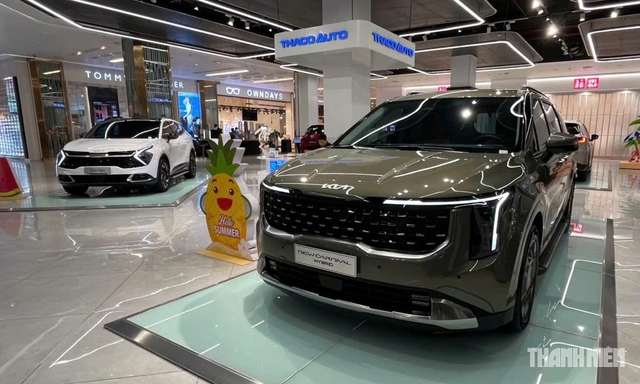
Engineers at Kia often prioritize a stiffer, more responsive suspension and a more aggressive throttle map to align with the brand’s "Movement That Inspires" marketing philosophy. Conversely, Hyundai frequently tunes its vehicles for a balance of comfort and utility, focusing on a refined, smoother driving experience.
Furthermore, the design language, interior material selection, and infotainment user interfaces are kept strictly separate. A Kia Sorento and a Hyundai Santa Fe may share the same 2.5-liter engine block, but the way that power is delivered, the weight of the steering, and the ergonomic layout of the cabin are designed to cater to different consumer demographics.
Broader Economic and Industrial Implications
The integration of Hyundai and Kia is a masterclass in modern industrial consolidation. By pooling their R&D budgets, the two companies have managed to outpace larger, legacy competitors in the adoption of new technologies, such as fuel cells, advanced driver-assistance systems (ADAS), and electrified powertrains.
However, the "shared risk" model remains a significant challenge for the Group’s leadership. Analysts note that as vehicles become more software-defined, the potential for a single glitch in a shared control module to affect a vast array of models grows. The Hyundai Motor Group is currently navigating this by increasing the redundancy in its diagnostic systems and adopting more agile, over-the-air (OTA) update capabilities.
Conclusion
The relationship between Hyundai and Kia is far more than a corporate merger; it is a fundamental alignment of engineering philosophy. For the consumer, this shared DNA provides high value, as technology developed for a premium Genesis model frequently trickles down to a mid-range Hyundai or Kia. While the history of engine recalls serves as a cautionary tale of the risks inherent in mass-platform sharing, the strategy has undeniably enabled the Hyundai Motor Group to become one of the most successful and resilient automotive manufacturers in the world. Buyers should understand that while the "heart" of their vehicle may be identical to a sibling model from the other brand, the "soul"—the driving dynamics and the brand experience—remains a deliberate choice by the manufacturer to ensure that despite shared roots, the branches grow in different directions.