A criminal court in Iraq has sentenced a butcher to 10 years in prison for the illicit sale of pork in the city of Najaf, a location of profound religious significance to the global Shiite Muslim community. The ruling, handed down on September 14, 2026, concluded a case that had captured public attention across the nation, highlighting the intersection of secular legal codes, religious sensitivity, and food safety regulations in post-conflict Iraq.
The defendant was apprehended in early September after authorities discovered that he had been selling approximately 75 kilograms of pork while mislabeling the product as beef. The deceptive practice, which had reportedly been ongoing for an indeterminate period, prompted a swift judicial response from the Najaf Criminal Court. While Islamic law strictly forbids the consumption of pork, labeling it unclean, the Iraqi penal code does not contain a specific statute banning the trade of such products in the country. Instead, the court relied upon a 1998 legal provision that criminalizes the sale of unfit or misrepresented food products, characterizing the act as a severe violation of consumer protection laws.
The Legal Framework and Judicial Precedent
The conviction of the butcher rests on a legislative framework established decades ago. Under the 1998 law, the unauthorized sale of prohibited or "unfit" meats—specifically mentioning dog, donkey, or other meats deemed unsuitable for human consumption—falls under criminal jurisdiction. Because the butcher intentionally defrauded his customers by selling pork under the guise of beef, the court classified his actions as a criminal offense against the public interest, rather than merely a religious violation.
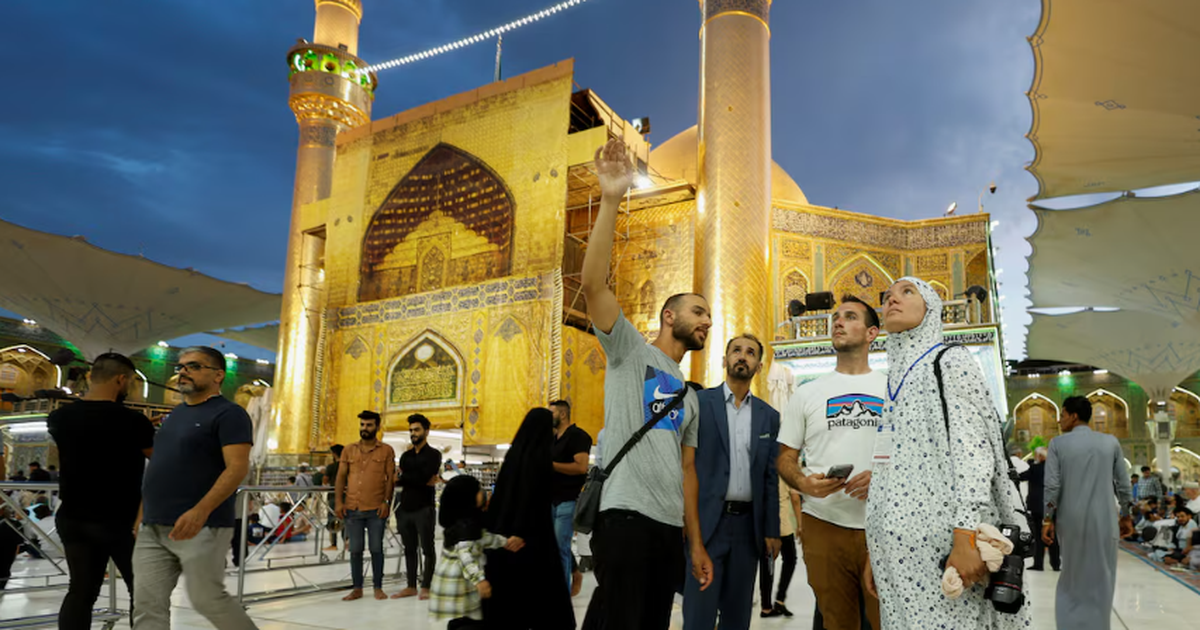
Legal analysts in Iraq suggest that the 10-year sentence reflects the judiciary’s attempt to maintain social order in a city as sensitive as Najaf. The city houses the Shrine of Imam Ali, the son-in-law of the Prophet Muhammad and the first Imam of Shiite Islam, attracting millions of pilgrims annually. Any action perceived as a desecration of the city’s sanctity often triggers a disproportionate level of administrative and legal scrutiny.
Chronology of the Investigation
The discovery of the illicit trade began with a series of complaints from local residents who had grown suspicious of the butcher’s unusually low prices. According to local reports, the butcher operated a stall that provided meat at significantly cheaper rates than neighboring vendors.
- Early September 2026: Residents in a neighborhood of Najaf reported irregularities regarding a local meat stall.
- September 10, 2026: Local authorities conducted a surprise inspection of the suspect’s facility. During the raid, inspectors confiscated approximately 75 kilograms of pork mislabeled as beef.
- September 11, 2026: The suspect was taken into custody, and images of the arrest circulated on social media platforms, sparking intense debate among Iraqi citizens.
- September 14, 2026: The Najaf Criminal Court delivered the verdict, sentencing the individual to a decade of imprisonment.
Public Reaction and Social Media Impact
The incident triggered a polarized reaction on social media. While many users condemned the butcher for his deception, a significant segment of the public called for stricter oversight of the national food supply chain. Critics of the government argued that the incident was a symptomatic failure of the Ministry of Health and local food safety inspectors, who they claim have not been sufficiently vigilant in monitoring meat markets.
Conversely, a segment of the population engaged in dark humor, sharing videos and memes regarding the incident. The case also brought to light the perspective of regular customers, such as Ahmad al-Mansouri, a resident of Najaf who admitted to being a frequent patron of the stall. In an interview, al-Mansouri noted that he and many others had purchased the meat specifically because of its taste and affordability, which had been superior to other local options. "I suspect I have eaten more pork than beef or lamb in the past few years," al-Mansouri told reporters, reflecting the shock felt by many who unknowingly consumed the product.
Broader Implications for Food Safety in Iraq
The case underscores a persistent challenge in Iraq: the lack of comprehensive, standardized food safety regulations across the country. In the absence of a modern, unified food safety act, courts often rely on antiquated legislation or moral statutes to address public health concerns.
The reliance on a 1998 law to address a 2026 incident highlights the legislative lag in the country. Food safety advocates argue that without a dedicated, transparent regulatory body to oversee the supply chain from slaughterhouse to retail, consumers remain vulnerable to fraud. The case of the Najaf butcher serves as a cautionary tale regarding the lack of traceability in the meat industry. Currently, small-scale butchers operate with minimal oversight, and the government’s inability to enforce stringent standards allows for the potential infiltration of illicit or unsafe food products into the market.
Furthermore, the involvement of the judiciary in what is primarily a food safety and fraud issue suggests that the state is leveraging the legal system to uphold cultural and religious norms. By criminalizing the sale of pork—even through the lens of consumer fraud—the state is effectively reinforcing the religious identity of Najaf as a "holy city."
Economic and Religious Context
Najaf is not merely a city; it is the spiritual capital of the Shiite world. The economic life of the city is inextricably linked to the millions of pilgrims who visit the Imam Ali shrine each year. The presence of illicit, non-halal meat being sold in such a center is viewed by local authorities as an economic and reputational threat.

Data regarding meat consumption in Iraq shows that while there is a significant market for red meat, supply chains are often fragmented. Illegal imports, often bypassing sanitary inspection points, have become a recurring issue in major urban centers. The government’s decision to pursue a harsh 10-year sentence is likely intended to serve as a deterrent to other vendors who might consider cutting corners by selling cheaper, prohibited, or potentially unsafe alternatives.
Looking Ahead
As Iraq continues to navigate the complexities of its post-conflict reconstruction, the incident in Najaf serves as a reminder of the fragility of consumer trust. The government faces a mounting challenge: it must harmonize its legal framework to protect consumers while simultaneously respecting the religious landscape of its various regions.
The sentencing of the butcher has set a legal precedent that may be cited in future cases of food fraud. However, legal experts warn that a decade-long prison sentence, while satisfying the public demand for justice, does not solve the structural issues. Without a robust overhaul of the veterinary and food inspection services, the market will remain susceptible to similar risks.
Moving forward, the Ministry of Health is expected to face increased pressure from the public to implement a nationwide certification program for butchers and retailers. Whether this will lead to meaningful reform or remain a localized administrative reaction remains to be seen. For now, the case remains a focal point of national discussion, symbolizing the intersection of the rule of law, religious tradition, and the everyday struggle for food security in a rapidly changing Iraqi society.