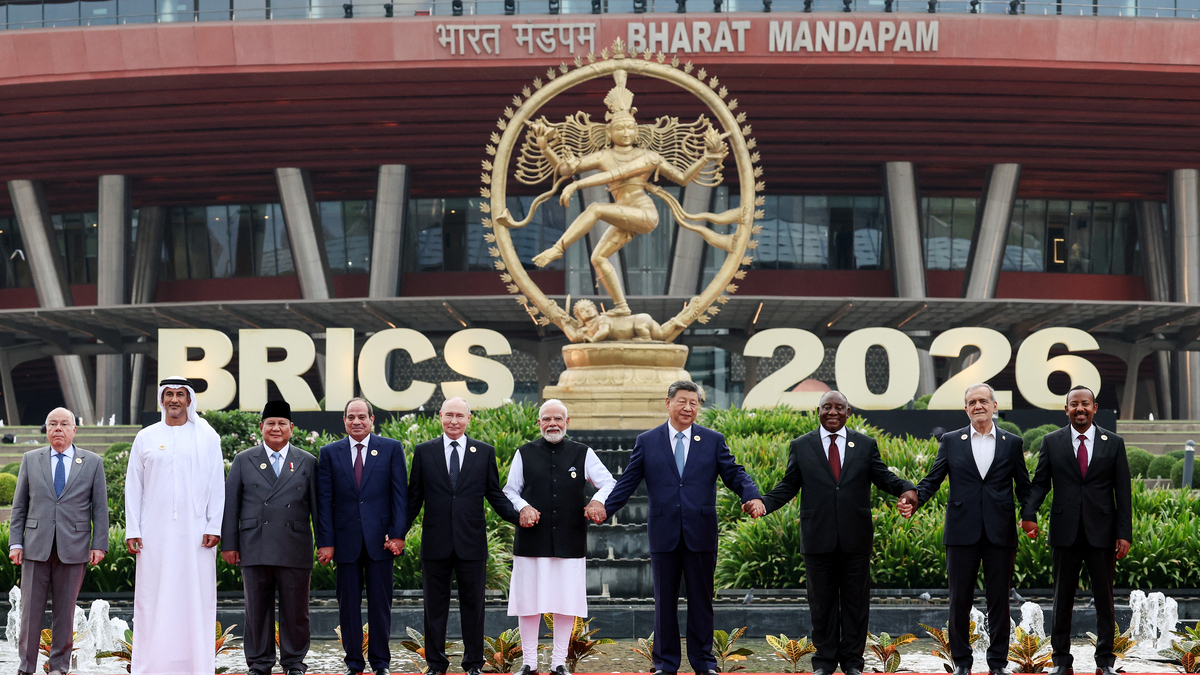
The 18th BRICS Summit, held on September 12 in New Delhi, India, concluded with the adoption of the "New Delhi Declaration," a comprehensive document that outlines a revitalized strategic framework for the expanded bloc. Under the rotating chairmanship of India, the summit marked a significant diplomatic milestone, solidifying the group’s influence as a collective voice for the Global South and setting a path for deeper cooperation across four fundamental pillars.
The New Delhi Declaration: A Blueprint for Multipolar Cooperation
The leaders of Brazil, Russia, India, China, South Africa, Egypt, Ethiopia, Iran, Saudi Arabia, and the United Arab Emirates (UAE) formally ratified the declaration following extensive deliberations. The document serves as the foundational roadmap for the bloc, aiming to address the complex geopolitical and economic challenges currently facing the international community.
According to Sudhakar Dalela, Secretary (Economic Relations) of the Indian Ministry of External Affairs, the declaration is the result of eight months of intensive diplomatic groundwork. The preparation involved over 350 meetings, both in-person and virtual, ensuring that the diverse perspectives of all eleven member nations were synthesized into a unified, actionable agenda. The four pillars of cooperation established by the declaration are as follows:
- Food and Health Security: The bloc will prioritize the enhancement of food security through the BRICS Agricultural Research Platform. This includes the implementation of the BRICS Agricultural Exchange Network and a collective focus on mental health cooperation, reflecting the group’s commitment to addressing basic human needs through regional synergy.
- Digital Public Infrastructure (DPI) and Innovation: Leveraging India’s expertise in DPI, BRICS will foster technological innovation by establishing the BRICS Research and Science Repository. Furthermore, the launch of the BRICS Innovation Startup Fund and a network of business incubators aims to stimulate a knowledge-based economy among member states.
- Economic Integration and MSMEs: The bloc will promote cooperation through a dedicated portal for Micro, Small, and Medium Enterprises (MSMEs). This initiative is designed to strengthen global value chains, enhance logistics frameworks, and preserve traditional medicine practices, thereby creating a more inclusive trade environment.
- Sustainable Development: BRICS has committed to developing smart grid technologies, energy storage solutions, and sustainable urban transport. This pillar also emphasizes the construction of climate-resilient urban infrastructure and sustainable agricultural practices to combat the long-term effects of global climate change.
Geopolitical Realignments and UN Reform
A critical achievement of the New Delhi Summit was the reaching of a strategic consensus regarding the reform of multilateral institutions. The member states expressed a collective desire to see the United Nations Security Council (UNSC) reformed to better reflect the current geopolitical reality of the 21st century.
China and Russia, both permanent members of the UNSC, reiterated their support for the aspirations of India and Brazil to play a larger, more permanent role within the UN framework. Additionally, the declaration emphasized the need to amplify the voices and representation of African nations, marking a concerted effort to move away from post-WWII power structures toward a more equitable, multipolar order.
Addressing Regional Conflicts and Diplomatic Mediation
Section 28 of the New Delhi Declaration addressed the escalating tensions in the Middle East and Western Asia. While the document did not explicitly name specific nations or ongoing conflicts, it called upon all parties to exercise restraint and avoid actions that could exacerbate the situation.
Analysts view the consensus on this delicate issue as a major diplomatic victory for India. Given the presence of both Iran and the UAE—nations with differing stances regarding the ongoing volatility involving the United States and its allies—the ability to produce a unified statement underscores India’s growing role as a neutral mediator.
The declaration also explicitly condemned attacks on civilian infrastructure and nuclear facilities. "We express deep concern regarding the targeted attacks on civilian infrastructure and nuclear facilities that serve peaceful purposes," the text stated. It further called for strict adherence to the safety and security protocols mandated by the International Atomic Energy Agency (IAEA).
Historical Context and Institutional Growth
BRICS was established in September 2006, originally consisting of Brazil, Russia, India, China, and South Africa. Over the past two decades, the bloc has evolved from an informal economic grouping into a structured international entity. The group has also established a partner country mechanism, currently engaging with nations such as Belarus, Bolivia, Cuba, Kazakhstan, Malaysia, Nigeria, Thailand, Uganda, Uzbekistan, and Vietnam.
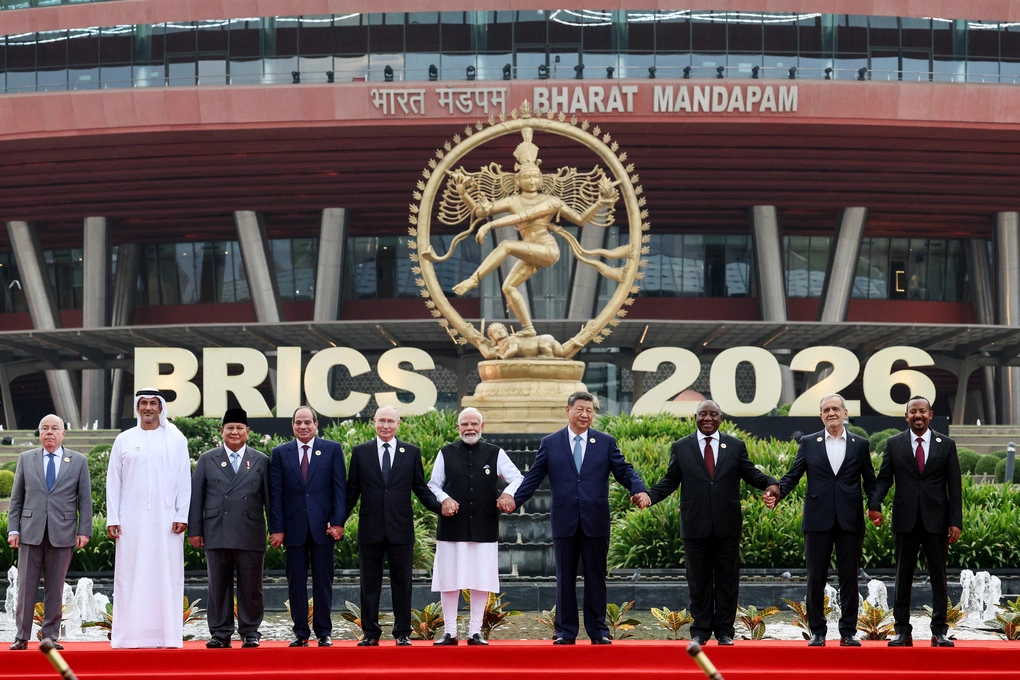
This expansion reflects a broader shift in the global economic landscape. As the bloc’s membership has grown, so has its agenda, moving beyond traditional finance and trade into cutting-edge fields like artificial intelligence, energy security, and environmental sustainability.
Fact-Based Analysis: Implications for the Global South
The New Delhi Summit signals a transition for BRICS from a peripheral economic forum to a proactive architect of international governance. By focusing on Digital Public Infrastructure and sustainable development, the bloc is positioning itself to provide an alternative model of growth that does not rely exclusively on Western-led financial systems.
However, the challenge for BRICS remains its internal diversity. The bloc encompasses a wide range of political systems, economic sizes, and regional priorities. The success of the "New Delhi Declaration" depends heavily on the ability of these nations to maintain their "point of consensus"—a principle emphasized by Secretary Dalela.
The inclusion of energy-exporting nations (Saudi Arabia, UAE, Iran) alongside major energy consumers (India, China) creates a unique intra-bloc market dynamic that could lead to significant shifts in global energy pricing and trade settlements. Furthermore, by advocating for UNSC reform, BRICS is challenging the existing global hierarchy, signaling that the "Global South" is no longer content with being a passive participant in international relations.
Conclusion
The 18th BRICS Summit has set a precedent for future collaboration by prioritizing technical and infrastructural integration over purely political posturing. As the world faces mounting pressures from economic fragmentation and geopolitical instability, the unified, albeit complex, front presented by the eleven member states at New Delhi provides a glimpse into the future of international cooperation. Whether these ambitious "four pillars" can be implemented effectively will be the true test for the bloc as it moves toward the next summit, likely shaping the global order for years to come.