Ho Chi Minh City Unveils Ambitious Plan to Elevate Cultural Tourism and Ignite Night Economy

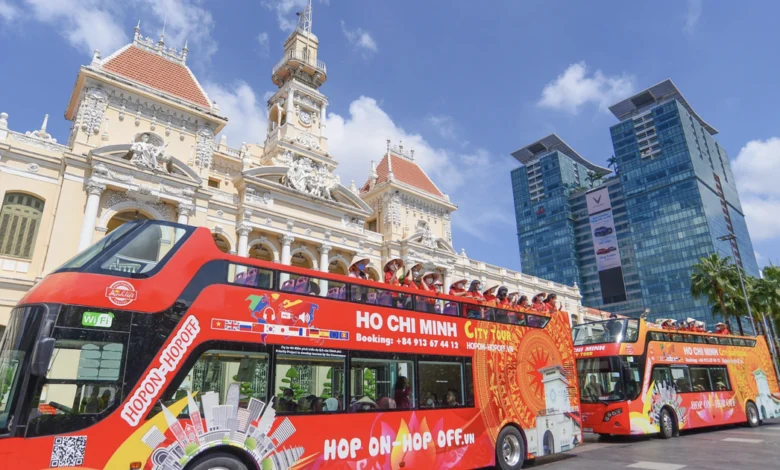
Ho Chi Minh City, Vietnam’s bustling economic and cultural heart, has embarked on an ambitious journey to redefine its tourism landscape, placing a significant emphasis on cultural heritage, performing arts, and a vibrant night economy. This strategic shift, formalized through a recent Memorandum of Understanding (MoU) signed between the Ho Chi Minh City Tourism Promotion Center and the Ho Chi Minh City Department of Culture and Arts on July 22, aims to transform the city into a premier regional destination, enticing visitors to extend their stays, increase their spending, and experience the city’s unique charm beyond conventional sightseeing. The collaborative framework, spanning the 2026-2030 period, is poised to bolster the city’s image, diversify its tourism products, and significantly contribute to its overall economic vitality, particularly after the global challenges faced by the tourism sector.
Strategic Pillars: Cultural Heritage and Performing Arts
At the core of this transformative initiative is the meticulous development of tourism products intricately linked with the city’s rich tapestry of performing arts, tangible and intangible cultural heritage, and diverse festivals. HCMC recognizes that its historical depth and artistic expressions are powerful draws, capable of offering more immersive and memorable experiences than generic attractions. The strategy seeks to move beyond passive observation, encouraging active engagement with local traditions, contemporary arts, and historical narratives. This includes, but is not limited to, transforming traditional art forms like cai luong (reformed opera), don ca tai tu (southern folk music), and water puppetry into accessible and appealing tourist offerings. Furthermore, the city plans to leverage its historical landmarks, museums, and heritage sites, not just as static exhibits but as dynamic venues for storytelling and cultural events. International case studies, such as Kyoto’s preservation of traditional arts for tourism or Edinburgh’s renowned festival scene, provide a compelling blueprint for how cultural assets can drive sustainable tourism growth and enhance a city’s global appeal.
Driving Economic Growth: The Night Economy Imperative
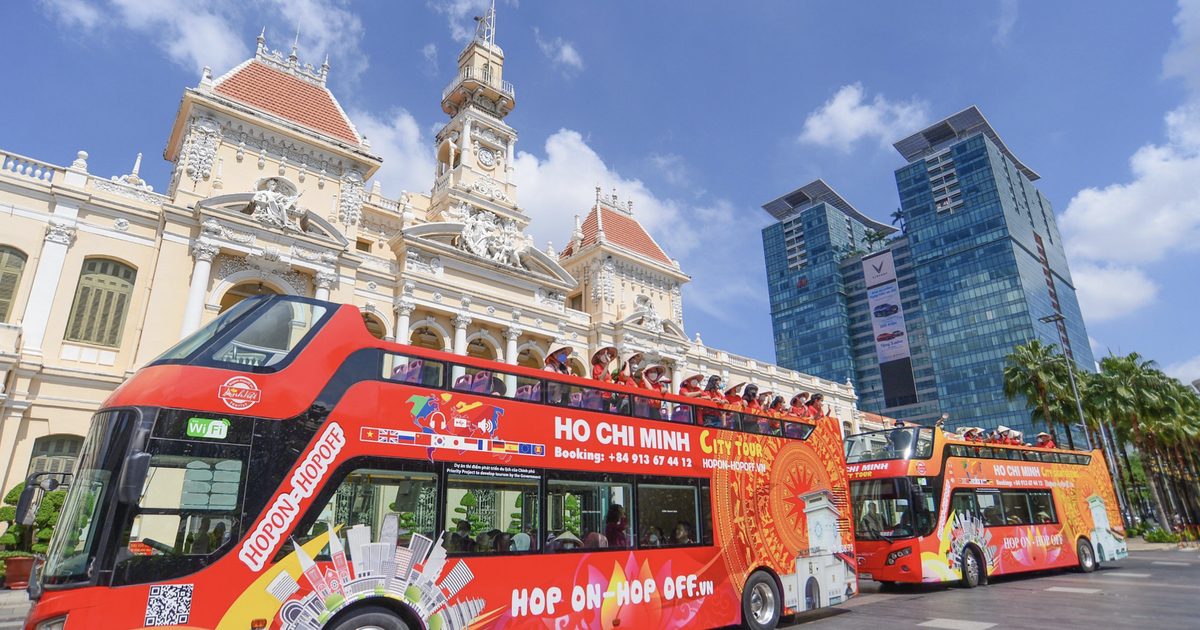
A crucial component of this new strategy is the robust development of HCMC’s night economy. Globally, vibrant night economies are recognized as significant contributors to urban prosperity, fostering job creation, stimulating local businesses, and enhancing a city’s allure. HCMC envisions a transformation of its evenings, offering a diverse array of cultural and entertainment activities that extend beyond dining and drinking. The goal is to create a safe, exciting, and culturally rich nocturnal environment that encourages tourists to linger longer, exploring everything from late-night art performances and street food tours to specialized markets and unique entertainment venues. This extension of visitor engagement into the evening hours is directly linked to increased spending across various sectors, from hospitality and retail to transportation and local services. By fostering a dynamic night economy, HCMC aims to emulate the success of cities like Bangkok or Singapore, where after-dark activities are integral to the visitor experience and contribute substantially to tourism revenue.
A Collaborative Blueprint: The 2026-2030 MoU
The signing of the MoU on July 22, 2026, marks a pivotal moment, outlining the concrete steps and collaborative efforts required to realize this vision. The Ho Chi Minh City Tourism Promotion Center, a key entity responsible for marketing and brand building, is partnering with the Ho Chi Minh City Department of Culture and Arts, the custodian of the city’s cultural assets and artistic talent. This strategic alliance for the 2026-2030 period underscores a unified governmental approach, breaking down traditional silos between administrative departments to achieve a synergistic outcome. The MoU commits both entities to jointly developing and promoting tourism products centered around performing arts, cultural heritage, creative spaces, and unique city events. This integrated approach is critical, as successful cultural tourism requires both the creation of compelling cultural products and their effective marketing to target audiences. The duration of the agreement signals a long-term commitment, allowing for phased implementation, continuous evaluation, and adaptive adjustments based on market feedback and evolving trends.
Enhancing Destination Competitiveness and Global Image
One of the primary objectives of this strategic partnership is to enhance the overall competitiveness of Ho Chi Minh City as a global tourism destination. In an increasingly crowded international travel market, differentiation is key. By focusing on its unique cultural identity and artistic expressions, HCMC aims to carve out a distinct niche that appeals to discerning travelers seeking authentic and enriching experiences. The city’s diverse history, influenced by indigenous Vietnamese traditions, Chinese immigration, and French colonial architecture, offers a compelling narrative that can be woven into unique tourism products. This includes developing specialized tours that delve into the city’s architectural heritage, culinary traditions, or vibrant street art scene. The goal is not merely to attract more visitors but to attract a higher quality of visitor – those who value cultural immersion and are willing to spend more on authentic experiences. Such a strategy ultimately elevates HCMC’s brand image, positioning it alongside other culturally significant cities worldwide.
Diversifying Tourism Offerings: Beyond Traditional Sightseeing
The plan also emphasizes the diversification of tourism offerings, moving beyond conventional sightseeing to embrace specialized segments. A key focus will be on "art tourism," where visitors are drawn specifically by the city’s artistic events, galleries, and creative workshops. This includes transforming existing artistic programs into packaged products specifically designed for tourists, offering behind-the-scenes access, interactive experiences, or participation in local art forms. The strategy also targets the MICE (Meetings, Incentives, Conferences, and Exhibitions) sector, by developing tailored cultural and artistic programs that can be integrated into corporate events, offering delegates a unique taste of HCMC’s culture. Furthermore, the city plans to roll out various "tourism stimulus programs," which might include discounted cultural packages, themed events, or special promotions designed to encourage both domestic and international travelers to explore these new offerings. By catering to a wider range of interests and visitor segments, HCMC aims to create a more resilient and dynamic tourism economy.
Promotional Outreach and Stakeholder Engagement
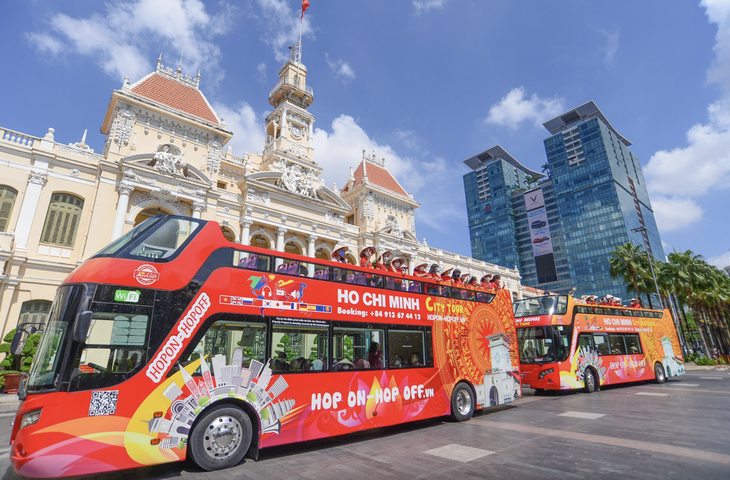
Effective promotion is paramount to the success of this initiative. The MoU outlines a comprehensive promotional strategy that includes showcasing HCMC’s artistic programs at both domestic and international tourism events. This proactive outreach will involve participating in major travel fairs, cultural expos, and digital marketing campaigns designed to reach a global audience. A crucial aspect of this promotional drive will be the organization of "fam trips" (familiarization trips) for key stakeholders, including tour operators, media representatives, influential Key Opinion Leaders (KOLs), and international partners. These trips will offer firsthand experiences of HCMC’s new cultural and artistic products, enabling these influencers to authentically convey the city’s transformed appeal to their respective audiences. By engaging a broad network of partners, HCMC aims to amplify its message and build a strong international reputation as a cultural and artistic hub.
Building a Seamless Tourism Ecosystem
Recognizing that a holistic visitor experience requires seamless integration of services, the strategic cooperation also aims to foster stronger connections among various tourism stakeholders. This includes bridging tour operators, accommodation providers (hotels, resorts), airlines, and event organizers. The objective is to form integrated "cultural-artistic tourism service chains," where visitors can easily access comprehensive packages that combine travel, lodging, and cultural experiences. This might involve preferential pricing agreements, bundled offers, or specialized itineraries that showcase the best of HCMC’s arts and heritage. For instance, an airline might partner with a hotel and a traditional theater to offer a package that includes flights, accommodation, and tickets to a cai luong performance. To further incentivize longer stays and increased expenditure, the city plans to develop attractive preferential packages, unique experiential tickets, and specially designed commemorative gifts for tourists. These initiatives aim to create a value-added proposition that enhances the overall visitor journey and encourages greater engagement with the local economy.
Official Endorsement and Vision for the Future
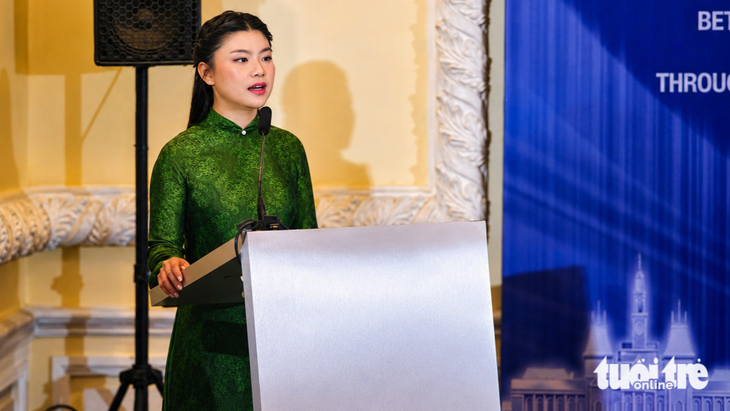
Ms. Nguyen Cam Tu, Director of the Ho Chi Minh City Tourism Promotion Center, underscored the profound synergy between tourism and arts during the MoU signing ceremony. "Tourism and arts are both creative industries," Ms. Tu remarked. "When connected seamlessly, arts not only enrich the experiences of tourists but also contribute significantly to the development of the night economy, enhance the destination’s appeal, and promote Ho Chi Minh City’s image to the world." She further emphasized that the MoU lays a crucial foundation for both entities to collaboratively develop "deeply rooted, unique, and internationally competitive cultural tourism products." This statement highlights the strategic intent to cultivate offerings that are authentic to HCMC and can stand shoulder-to-shoulder with global cultural destinations. The long-term vision articulated by city officials is to elevate Ho Chi Minh City into a leading tourism, culture, and event hub, not just within Vietnam but across the entire Southeast Asian region. This aspiration reflects a commitment to leveraging the city’s inherent strengths to achieve a prominent position on the global stage.
HCMC’s Rich Cultural Tapestry: A Foundation for Success
Ho Chi Minh City, historically known as Saigon, possesses a vibrant and complex cultural heritage that serves as a fertile ground for this new tourism strategy. The city’s architectural landscape tells tales of French colonial influence, evident in iconic structures like the Notre Dame Cathedral, the Central Post Office, and the Opera House. Intertwined with this European legacy are the enduring imprints of Vietnamese traditions, manifested in ancient pagodas, bustling markets like Ben Thanh, and the resilient spirit of its people. The presence of a significant Chinese community further enriches this cultural mosaic, particularly visible in Cho Lon, the city’s historic Chinatown, with its distinctive temples and culinary delights. This multicultural heritage provides an endless source of inspiration for developing diverse and engaging cultural tourism products. Past efforts to promote tourism have often focused on historical sites and culinary experiences. This new strategy aims to expand upon that foundation by integrating performing arts and creative industries more deeply, creating a more dynamic and interactive cultural narrative for visitors.
The Path Forward: Opportunities and Challenges
The ambitious plan presents both immense opportunities and significant challenges. Economically, success could translate into thousands of new jobs, substantial revenue growth for the hospitality, arts, and retail sectors, and increased foreign investment. Socially, it offers a chance to celebrate and preserve local heritage, foster a stronger sense of identity among residents, and promote cross-cultural understanding. However, the path is not without hurdles. Managing rapid tourism growth sustainably will require careful planning to prevent overtourism and protect the city’s authenticity. Infrastructure development, including transportation and public facilities, must keep pace with increasing visitor numbers. Nurturing a skilled workforce, from tour guides and hospitality staff to artists and event managers, will be crucial. Moreover, ensuring the safety and security of tourists, especially in a bustling night economy, will be paramount. Balancing commercialization with the preservation of artistic integrity and cultural authenticity will also require a delicate touch.
In conclusion, Ho Chi Minh City’s strategic pivot towards cultural tourism and the night economy is a forward-looking initiative that promises to unlock new potentials for growth and global recognition. By leveraging its unique heritage and vibrant artistic scene through collaborative efforts and thoughtful planning, the city aims to create an unforgettable experience for visitors and solidify its position as a leading cultural and economic powerhouse in Southeast Asia. The 2026-2030 period will be instrumental in laying the groundwork for this exciting transformation.