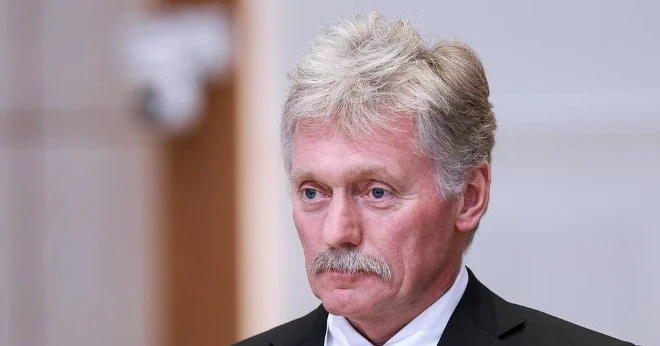
Moscow, Russia – July 20, 2026 – Dmitry Peskov, the spokesperson for the Russian Presidential Administration, announced on July 20th that there is currently no confirmed schedule for a meeting between Russian President Vladimir Putin and Iran’s Supreme Leader Mojtaba Khamenei. Despite the lack of a firm arrangement, Peskov affirmed that the Kremlin remains open to holding such discussions should the need arise.
"There is currently no concrete plan for a meeting of this nature," Peskov stated. "Therefore, we cannot specify any details at this time. However, President Putin is always ready for such contacts."
This clarification from the Kremlin comes amidst ongoing speculation following earlier reports from TASS news agency. TASS had suggested that the potential meeting between President Putin and Mojtaba Khamenei could represent the Iranian leader’s first high-profile diplomatic engagement. Furthermore, reports indicated that Mojtaba Khamenei might not appear publicly in areas experiencing conflict with the United States, a detail that adds a layer of complexity to the geopolitical undertones of any potential meeting.
Mojtaba Khamenei ascended to the position of Supreme Leader of Iran following the passing of his father, the former Supreme Leader Ali Khamenei, who died in a terrorist attack orchestrated by the United States and Israel targeting Tehran on February 28th. Since assuming his new role, Mojtaba Khamenei has maintained a low public profile, reportedly communicating with the Iranian public primarily through statements disseminated via state-controlled media channels.
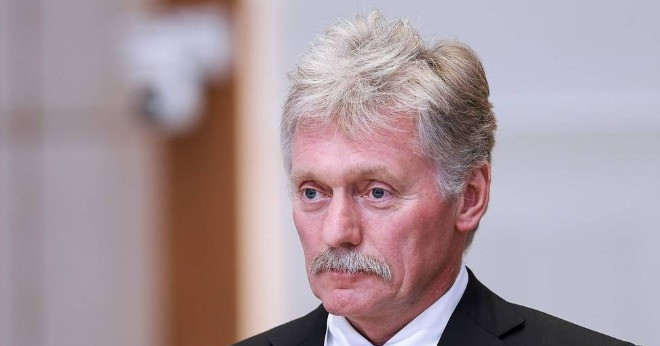
The Kremlin’s spokesperson also took the opportunity to comment on other diplomatic engagements, expressing approval for a potential meeting between Russian Foreign Minister Sergey Lavrov and a high-ranking US official, Marco Rubio. "We are always in favor of contacts at the level of foreign ministers," Peskov remarked. When questioned about the possibility of dialogue with European leaders, Peskov reiterated Russia’s consistent stance. "Russia is always in favor of dialogue. We have never been against dialogue and have always advocated for it."
Background Context: Evolving Russia-Iran Relations
The apparent lack of a pre-scheduled meeting between Putin and Khamenei, while officially stated, occurs against a backdrop of increasingly strategic ties between Russia and Iran. In recent years, both nations have found common ground in opposing Western influence and have deepened their cooperation across various sectors, including military and economic spheres. This evolving relationship is often viewed through the lens of shared challenges and a mutual desire to recalibrate the global geopolitical landscape.
The recent political transition in Iran, with the ascension of Mojtaba Khamenei, adds a new dynamic to these bilateral relations. The initial reports from TASS suggesting his first major diplomatic outing could be with President Putin underscore the perceived significance of this nascent leadership’s engagement with Moscow. The fact that such a meeting has not yet been formally announced suggests a careful and perhaps complex diplomatic dance, with both sides likely assessing the optimal timing and strategic implications.
The mention of Mojtaba Khamenei potentially avoiding conflict zones in his international engagements, particularly those involving the United States, highlights the delicate security and political environment in which such meetings would take place. Iran has been a focal point of international tension, particularly concerning its nuclear program and regional policies, leading to a complex web of alliances and rivalries.
Geopolitical Implications and Russia’s Diplomatic Posture
The Kremlin’s emphasis on readiness for dialogue, even in the absence of a concrete schedule, reflects Russia’s broader diplomatic strategy. Moscow has consistently positioned itself as an advocate for multipolar world order, often seeking to foster direct communication channels with global powers, including those with whom relations are strained. This approach aims to manage potential escalations and explore avenues for de-escalation, even amidst ongoing international crises.
The potential for a meeting between Putin and Khamenei, if realized, would carry significant weight. It would signal a continued strengthening of the Russia-Iran axis, potentially sending a message to Western powers about the growing alignment of interests between Moscow and Tehran. Such a summit could be a platform for coordinating strategies on regional security, energy markets, and international sanctions, areas where both nations have faced considerable pressure from the West.
The mention of a possible meeting between Foreign Minister Lavrov and US Senator Marco Rubio also points to Russia’s continued engagement with American political figures, even as official diplomatic channels are often fraught with tension. These interactions, whether formal or informal, can serve as crucial conduits for understanding each other’s positions and exploring potential off-ramps from conflict.
Broader Context: Global Diplomacy and Shifting Alliances

The statements from the Kremlin should also be viewed within the broader context of global diplomatic realignments. As international relations continue to shift, the strategic importance of alliances like the one between Russia and Iran is becoming increasingly pronounced. Both nations have faced extensive sanctions from the United States and its allies, leading them to seek alternative partnerships and economic cooperation.
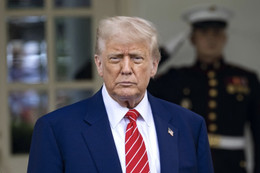
Recent developments, such as those alluded to in the linked articles, further illustrate the intricate geopolitical landscape. The mention of President Putin thanking North Korea for assistance in pushing back Ukrainian forces from the Kursk region, and former US President Donald Trump urging the Republican party to consider sanctioning Iran, highlight the interconnectedness of global conflicts and diplomatic maneuvers. These events demonstrate that while direct bilateral meetings are closely watched, the wider network of international relations and the ripple effects of individual actions are equally consequential.
The article linked regarding Russia’s stance on Western mediation in the Ukraine conflict, where Foreign Minister Lavrov expressed skepticism about the West’s sincerity in facilitating peace talks, further underscores Russia’s perception of a fractured international diplomatic environment. This skepticism likely influences Moscow’s approach to engaging with Western interlocutors and its willingness to participate in certain diplomatic initiatives.
Analysis of Implications
The Kremlin’s measured response regarding a potential Putin-Khamenei meeting suggests a deliberate and strategic approach to managing these high-stakes diplomatic engagements. The absence of a firm schedule does not necessarily indicate a lack of interest, but rather a preference for timing and preparedness. The continued emphasis on dialogue underscores Russia’s commitment to maintaining open communication channels, even with adversaries, as a tool for navigating complex international relations.
The evolving Russia-Iran relationship remains a key factor in understanding regional and global power dynamics. Any formal meeting between their leaders would be a significant event, signaling a deepened strategic partnership and potentially influencing the trajectory of ongoing geopolitical tensions. The Kremlin’s open door for such discussions, while cautious in its public pronouncements, indicates a readiness to engage on critical issues and shape the international agenda.
In conclusion, while a concrete meeting between President Vladimir Putin and Iran’s Supreme Leader Mojtaba Khamenei has not been officially scheduled, the Kremlin’s statements indicate a persistent willingness to engage in high-level dialogue. This stance, coupled with the complex geopolitical landscape and the evolving dynamics of international relations, suggests that such a meeting, if it occurs, will be a significant diplomatic event with potentially far-reaching implications. The consistent Russian emphasis on dialogue, even amidst friction, remains a defining characteristic of its foreign policy approach.