Ho Chi Minh City Economic Forum 2024 Focuses on AI Transformation and Green Transition for Vietnam’s Future


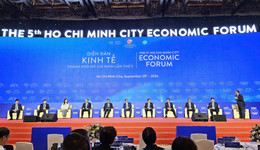
Ho Chi Minh City, Vietnam – The Ho Chi Minh City Economic Forum 2024, held on September 25th, became a pivotal platform for discussing the nation’s ambitious digital and green transformation strategies. A key highlight of the forum was the compelling presentation by Mr. Nguyen Trung Chinh, Chairman of CMC Corporation, who articulated a vision for "AI Transformation – AI.X." This initiative underscores the critical synergy between technological advancement, particularly Artificial Intelligence (AI), and the imperative for a sustainable green transition, aiming to accelerate Vietnam’s development in the digital age.
The Dual Pillars of Modern Industrial Transformation
Mr. Chinh, in his capacity as Chairman of the CMC Corporation, emphasized that the current wave of industrial transformation hinges on two primary pillars: digital transformation and green transformation. He asserted that both the government and businesses must recognize the profound role of Artificial Intelligence (AI) in this dual-pronged approach. AI, he explained, is emerging as a potent catalyst, driving rapid and comprehensive change across all sectors of the economy and society.
The current industrial revolution is characterized by a profound shift, moving beyond mere automation to a more intelligent and integrated approach. This evolution is being propelled by advancements in AI, which are not only enhancing efficiency but also creating new paradigms for economic growth and societal development. Mr. Chinh’s address positioned AI not just as a tool, but as a fundamental driver that can reshape Vietnam’s economic landscape and elevate the quality of life for its citizens.
AI’s Projected Economic Impact: A Global and National Perspective

Experts project that AI will contribute significantly to the global economy, with estimates suggesting an injection of $15.7 trillion into the global economy by 2030. Furthermore, AI is expected to boost labor productivity by a substantial 40% by 2035. For Vietnam, the implications are equally promising. Projections indicate that AI could contribute between $150 billion and $200 billion to the national GDP by 2030. These figures highlight the immense potential of AI in driving economic growth and improving living standards.
These impressive economic forecasts are not merely abstract numbers; they represent tangible improvements in efficiency, innovation, and overall prosperity. The integration of AI promises to unlock new avenues for economic development, allowing Vietnam to compete more effectively on the global stage and enhance the well-being of its population.
Charting a Course for AI Governance and Development
Recognizing this vast potential, Mr. Chinh proposed that the Vietnamese government establish a comprehensive and forward-looking AI transformation strategy, advocating for the creation of a dedicated "AI Government." This strategic imperative, he believes, is crucial for harnessing the full benefits of AI while mitigating potential risks.
He further urged Ho Chi Minh City to position itself as an "AI City," a pioneering hub for artificial intelligence. The adoption of the "AI.X" initiative—an acronym for AI Transformation—is envisioned not only as a strategic advantage for Ho Chi Minh City but also as a means for Vietnam to solidify its position on the global stage in the digital era. This ambitious vision aims to transform the city into a beacon of AI innovation and adoption.
Key Recommendations for AI Integration

Mr. Chinh’s vision for AI.X is underpinned by a series of concrete recommendations aimed at fostering a robust AI ecosystem in Vietnam:
Enhancing the Legal Framework for AI
A critical step highlighted by Mr. Chinh is the need to refine the legal and regulatory framework surrounding AI. This involves developing comprehensive and appropriate regulations to govern the development and application of AI across the nation. Such a framework is essential to ensure the safe and responsible deployment of AI, particularly in high-impact sectors such as healthcare, education, transportation, and finance. By establishing clear guidelines, Vietnam can effectively manage risks and ensure that AI adoption aligns with national interests and ethical considerations.
Cultivating AI Talent and Expertise
The development and deployment of AI technologies are heavily reliant on a skilled workforce. Mr. Chinh stressed the importance of investing in AI talent development, advocating for the integration of AI into educational curricula at all levels, from primary schools to universities. This proactive approach aims to equip future generations with the necessary knowledge and skills to thrive in an AI-driven economy.
Furthermore, he proposed specialized training programs and collaborations with international organizations to develop high-caliber AI professionals. This focus on human capital development is considered a cornerstone for Vietnam’s long-term success in the AI landscape. The goal is to not only produce AI experts but also to foster a culture of innovation and problem-solving.
Building a Thriving AI Ecosystem
For AI to flourish, a supportive ecosystem is essential. Mr. Chinh called for the establishment of a robust AI ecosystem that includes advanced data infrastructure, dedicated research centers, and platforms for connecting experts and businesses. This ecosystem would serve as a fertile ground for innovation and collaboration, driving the creation of new AI applications and solutions.
This initiative requires a strong technological foundation and incentives for industry players to participate. The aim is to foster a dynamic environment where cutting-edge technology can be developed and applied, attracting both domestic and international investment in Vietnam’s AI sector.
Implementing Supportive Government Policies
To accelerate AI adoption across various sectors, Mr. Chinh urged the government to implement targeted incentive policies. These policies should encourage the application of AI in manufacturing, healthcare, education, and public services. The objective is to ensure that AI adoption is guided by clear standards and promotes sustainable development, with human well-being at the core of all AI initiatives.
These policies are designed to create a conducive environment for AI integration, ensuring that the benefits of AI are widely distributed and contribute to the nation’s overall progress. By setting clear benchmarks and promoting responsible AI deployment, Vietnam can leverage AI to achieve its developmental goals.
Defining AI Transformation (AI.X)
Mr. Chinh further elaborated on the concept of "AI Transformation (AI.X)" as the process of leveraging AI to fundamentally change operational methods and interactions across all societal domains. This encompasses government, businesses, and individual lives. The objective of AI transformation is to harness the boundless potential of AI for innovation, improve efficiency, boost productivity, and create significant value, ultimately leading to the development of a robust digital economy.
He stressed that AI transformation must be pursued with a strong sense of social responsibility, aiming to build a green and sustainable economy. This dual focus ensures that technological advancement is aligned with environmental protection and long-term societal well-being.
The Broader Implications of AI.X

The "AI Transformation – AI.X" initiative, as championed by Mr. Chinh, presents a comprehensive roadmap for Vietnam’s engagement with artificial intelligence. By placing human and societal well-being at the forefront, coupled with a commitment to responsible development, the initiative aims to ensure that AI’s progress yields tangible benefits for the nation and its people, fostering sustainable and inclusive growth.
The forum served as a critical juncture, bringing together thought leaders, policymakers, and industry stakeholders to deliberate on the future trajectory of Vietnam’s economic development. The emphasis on AI transformation, intertwined with the green transition, signals a forward-looking approach, positioning Vietnam to navigate the complexities of the digital age and emerge as a significant player on the global economic stage. The recommendations put forth by Mr. Chinh provide a solid foundation for policy formulation and strategic investment, paving the way for a more innovative, prosperous, and sustainable future for Vietnam.
Context of the Ho Chi Minh City Economic Forum
The Ho Chi Minh City Economic Forum is an annual event that brings together government officials, business leaders, economists, and international experts to discuss pressing economic issues and propose solutions for Vietnam’s development. The 2024 edition, with its focus on AI and green transformation, reflects the nation’s strategic priorities as it seeks to leverage technological advancements and sustainable practices for long-term growth and global competitiveness. The forum serves as a crucial platform for policy dialogue, knowledge sharing, and fostering collaborations that will shape Vietnam’s economic future. The presence of high-ranking officials, including Prime Minister Pham Minh Chinh, underscores the national significance of the discussions and the government’s commitment to these transformative agendas.
Related posts: