Naval Forces Escalate Tensions in Strait of Hormuz as Iranian Forces Attack Container Ship

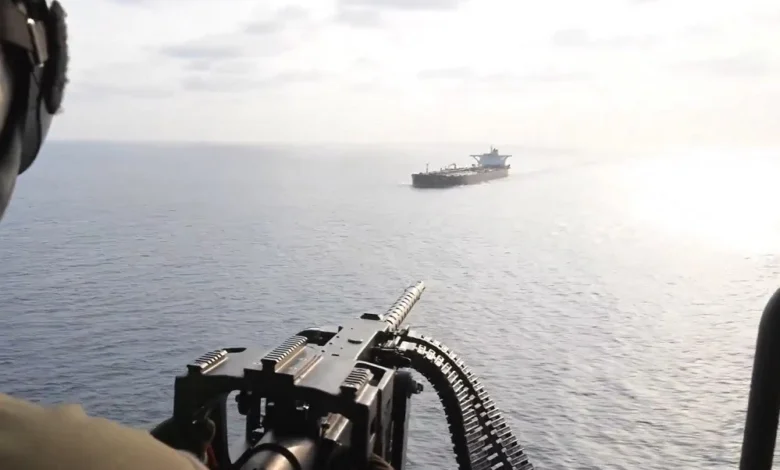
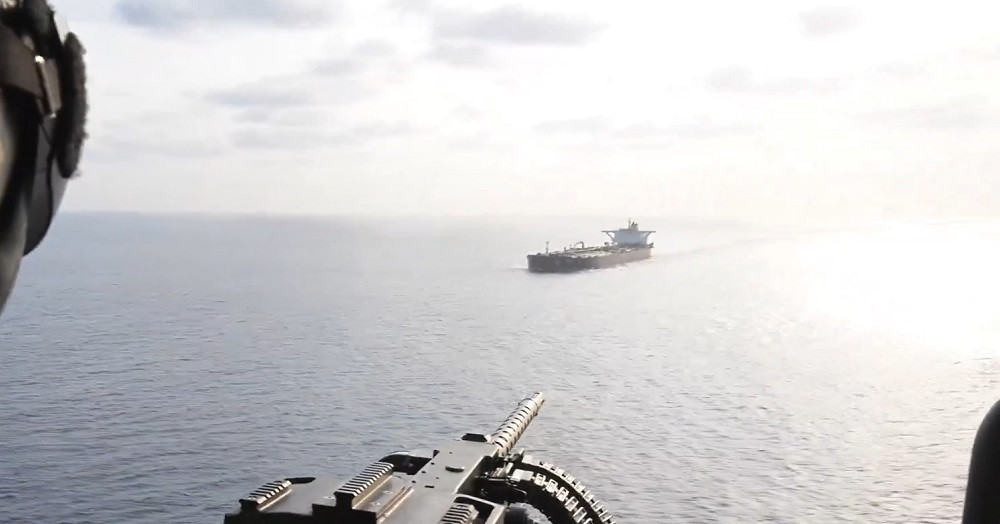
The United Kingdom Maritime Trade Operations (UKMTO) reported on April 22nd that a container ship was attacked on April 22nd while navigating near the Strait of Hormuz. The vessel reportedly came under fire from Iranian forces, specifically the Islamic Revolutionary Guard Corps (IRGC), leading to damage to the ship’s bow. This incident underscores the escalating tensions in a vital global shipping lane, with significant implications for regional stability and international maritime security.
Details of the Attack
According to the UKMTO, the container ship was subjected to an attack by the IRGC. The assault reportedly involved a missile strike that impacted the vessel’s bow. Prior to the engagement, the ship’s crew attempted to transmit distress signals and warnings via radio. The attack resulted in damage to the forward section of the ship. Fortunately, no casualties or environmental damage, such as chemical leaks or other hazardous material releases, were reported. The UKMTO confirmed that the entire crew remained safe and the ship continued its journey in a secure condition.
The Iranian news agency Tasnim corroborated the account, confirming that Iranian forces had opened fire on the container ship. The agency stated that the vessel had "repeatedly violated cautionary signals." This assertion by Iranian authorities suggests a potential justification for their actions, framing it as a response to perceived navigational infringements by the commercial vessel. However, the specific nature of these alleged violations has not been detailed, leaving room for interpretation and potential diplomatic disputes.
Background: The Strait of Hormuz and Regional Tensions
The Strait of Hormuz, a narrow waterway connecting the Persian Gulf to the Gulf of Oman, is one of the world’s most critical choke points for oil transport. An estimated 20-30% of the world’s seaborne crude oil passes through this vital strait daily, making any disruption a significant concern for global energy markets and international trade.
Tensions between Iran and Western powers, particularly the United States, have been high for years, exacerbated by issues such as Iran’s nuclear program, its regional influence, and sanctions imposed on the country. The IRGC, a branch of the Iranian armed forces, is often at the forefront of such confrontations, demonstrating its assertiveness in asserting Iran’s maritime claims and projecting its military power in the Persian Gulf.
This latest incident is not isolated. The region has witnessed a series of maritime incidents, including alleged attacks on oil tankers and disruptions to shipping, often attributed to Iran or its proxies, in response to international pressure and sanctions. These events have led to increased naval patrols by international coalitions aiming to ensure freedom of navigation.
Pakistan’s Plea to Donald Trump: Extending the Ceasefire
In a separate but related development concerning regional diplomacy, Pakistan’s Prime Minister Shehbaz Sharif on April 22nd appealed to former U.S. President Donald Trump. Sharif urged Trump to extend the ceasefire that had been brokered for the region. This appeal highlights Pakistan’s diplomatic efforts to de-escalate tensions and find a peaceful resolution to the ongoing conflict.
Prime Minister Sharif stated, "With immense trust placed in him, Pakistan will continue to strive for peace through dialogue to resolve the conflict in the region. I hope our friends will continue to adhere to the ceasefire and create a favorable environment for a comprehensive peace agreement within the broader framework of regional stability." He emphasized Pakistan’s commitment to peaceful dialogue and hoped that all parties would uphold the ceasefire to facilitate a lasting peace.
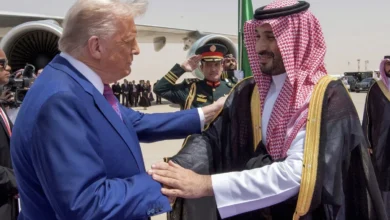
This statement from the Pakistani Prime Minister comes in the wake of former President Trump’s announcement on April 21st that he would extend the maritime ceasefire with Iran, at the request of Pakistan. Trump indicated that this extension would provide Tehran with additional time to prepare for a new round of negotiations aimed at de-escalating the conflict. The U.S. administration under Trump had previously imposed significant sanctions on Iran, and the extension of the ceasefire suggested a potential shift in diplomatic strategy, albeit initiated by a former leader.
Broader Implications and Related Events
The escalating incidents in the Strait of Hormuz have wider implications beyond immediate maritime security. The potential for a miscalculation or an accidental escalation could have severe consequences for global energy supplies and international relations.
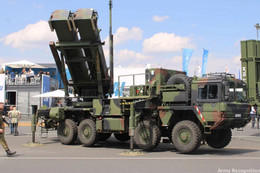
Recent reports indicate that the U.S. military’s missile stockpiles have been significantly depleted due to ongoing operations, including those related to the conflict in Iran. A report indicated that the U.S. military has used up half of its missile stockpiles in its combat operations in Iran. This depletion raises concerns about the readiness of U.S. forces and their capacity to sustain prolonged military engagements.
Furthermore, U.S. military forces have reportedly boarded and seized an oil tanker, the M/T Tifani, in the Bay of Bengal, identified as being on a list of sanctioned vessels linked to Iran. This action demonstrates the U.S.’s continued efforts to enforce sanctions and disrupt Iran’s oil trade, which it claims is being used to fund destabilizing activities in the region.
The geopolitical implications of the conflict extend to the Panama Canal as well. The increased tensions in the Strait of Hormuz have led to a surge in demand for shipping routes through the Panama Canal. This surge, while potentially beneficial for Panama’s economy, also heightens the risk of piracy and other illicit activities in the waters around the canal.
The continuous back-and-forth between Iran and international powers, particularly the U.S. and its allies, creates a volatile environment in one of the world’s most strategically important waterways. Each incident, whether a direct military engagement or a diplomatic maneuver, contributes to the complex geopolitical landscape of the Middle East, with ripple effects felt across the global economy and international security framework. The situation demands careful diplomatic engagement and a commitment to de-escalation to prevent further instability.