The Silent Crisis of Chronic Kidney Disease in Vietnam A Young Mothers Struggle for Life and the Growing Burden on National Healthcare


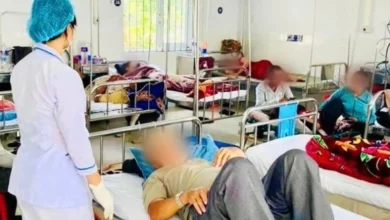
Every Monday, Wednesday, and Friday, 25-year-old Bui Thi Thuy Hien embarks on a grueling 60-kilometer journey from her home to the Nghe An Endocrine Hospital. For Hien, these trips are not merely medical appointments but a desperate lifeline in a battle against a condition that has redefined her youth and tested the limits of her physical and mental endurance. Living in a world dictated by the rhythmic hum of blood filtration machines and the strict measurement of every drop of water she consumes, Hien represents a growing and often overlooked demographic in Vietnam: young people suffering from end-stage renal disease (ESRD). Her story is a poignant reflection of a broader national health crisis, where the demand for life-saving renal care vastly outstrips the capacity of the current medical infrastructure.
For the past several years, Hien’s existence has been characterized by a level of discipline that would be daunting for even the most seasoned athlete. To prevent pulmonary edema—a life-threatening accumulation of fluid in the lungs—she must meticulously measure her fluid intake, sometimes limiting herself to tiny sips of water throughout the day. Her diet is equally restrictive; fresh green vegetables and fruits, usually hallmarks of a healthy lifestyle, are strictly limited to prevent a dangerous spike in potassium levels, which could trigger sudden cardiac arrest. "You are never allowed to be away from the hospital for more than two days," Hien explains, her voice reflecting a stoic acceptance of her reality. "This dependence on machinery is the harsh truth for those of us living with this chronic illness. Our lives are literally tethered to these tubes."
A Life Interrupted: The Chronology of a Diagnosis
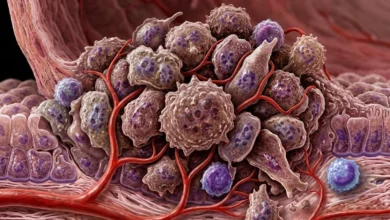
The onset of Hien’s illness was deceptively subtle. In the summer of 2018, while she was a high school junior in the 11th grade, she began noticing unusual puffiness around her eyelids in the morning. This was soon followed by a persistent, body-wide itch that refused to subside. Despite maintaining what was considered a healthy and active lifestyle for a teenager, the clinical results were devastating: Hien was diagnosed with chronic glomerulonephritis and nephrotic syndrome. These conditions involve the inflammation of the tiny filters in the kidneys (glomeruli), leading to the leakage of massive amounts of protein into the urine and a subsequent drop in blood albumin levels.
The diagnosis was not just a personal blow but a familial one. Hien carries a genetic predisposition to kidney issues; both her father and her youngest sibling are currently battling similar renal conditions. This hereditary burden added a layer of psychological complexity to her struggle, as the family faced a collective battle against their own biology. Despite the physical toll of the disease and the frequent hospitalizations, Hien remained determined to live a "normal" life. She completed her education and eventually married, refusing to let her diagnosis define her future. However, her most significant challenge arrived in 2023, when she made the courageous but high-risk decision to become pregnant.
The High-Stakes Gamble of Motherhood
For women with chronic kidney disease, pregnancy is often described by medical professionals as a "life-and-death gamble." The physiological strain of supporting a fetus can cause an irreversible decline in kidney function. To protect her developing child from the potential toxicity of her maintenance medications, Hien made the difficult choice to reduce her treatment regimen. The consequences were immediate and severe. Her blood pressure skyrocketed to dangerous levels, a condition known as pre-eclampsia, which threatened both her life and that of her baby.

At the 34th week of pregnancy, doctors at the Nghe An Endocrine Hospital were forced to perform an emergency cesarean section. While the baby was delivered safely, the toll on Hien’s body was profound. Following the birth, her condition deteriorated rapidly, progressing to Stage 3 chronic kidney disease. The necessity of resuming high-dose medications meant she could not breastfeed, a source of quiet heartbreak for the new mother who had to raise her child entirely on formula. Hien now uses her platform to urge other women in similar health situations to seek exhaustive medical counseling before embarking on pregnancy, emphasizing the need to weigh the profound risks of accelerated organ failure.
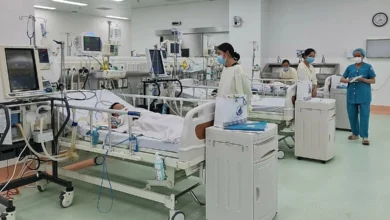
By October 2025, Hien’s kidneys had reached total exhaustion. She officially entered the final stage of renal failure, requiring hemodialysis to survive. Her first experience with the dialysis process was harrowing; she suffered from pleural and pericardial effusion—fluid buildup around the lungs and heart. "There were moments on that hospital bed when I couldn’t catch my breath, and I honestly thought about giving up," she recalls. "But then I would think of my child. That image became the only anchor keeping me tethered to life."
The National Context: A Healthcare System Under Pressure
Hien is one of more than 10 million Vietnamese citizens currently living with chronic kidney disease. According to recent health data, CKD has climbed to become the eighth leading cause of death in the country. The scale of the crisis is staggering: it is estimated that approximately 800,000 patients nationwide require regular dialysis or some form of renal replacement therapy. However, the Vietnamese healthcare system is currently equipped with only about 5,500 dialysis machines, which are sufficient to serve only 33,000 patients—barely 4% of those in need.
This massive gap in service creates an immense logistical and financial burden on patients and their families. The "Inside CKD" survey, which examined the impact of the disease across 11 countries including Vietnam, revealed that the management of chronic kidney disease accounts for a staggering 7.5% of total annual national healthcare spending. For an individual like Hien, the costs are personal and punishing. Between the 60km commute, the specialized diet, and the co-payments for medical services, she spends between 4 and 5 million VND per month—a significant sum for a young family in Nghe An.
To manage these costs, Hien had to abandon her previous career aspirations and pivot to online sales, which allows her the flexibility to work around her three-day-a-week dialysis schedule. She has also had to rent a small room near the hospital because she is often too physically exhausted to make the long trip home immediately after a three-and-a-half-hour dialysis session, which leaves her drained of energy and strength.
The Changing Face of Renal Disease in the Youth
While Hien’s case involves a genetic component, medical experts are increasingly alarmed by the rising rates of kidney failure among young Vietnamese in the working-age population. The World Nephrology Association estimates that approximately three million people worldwide are currently kept alive by renal replacement therapies, and the demographics are shifting younger.
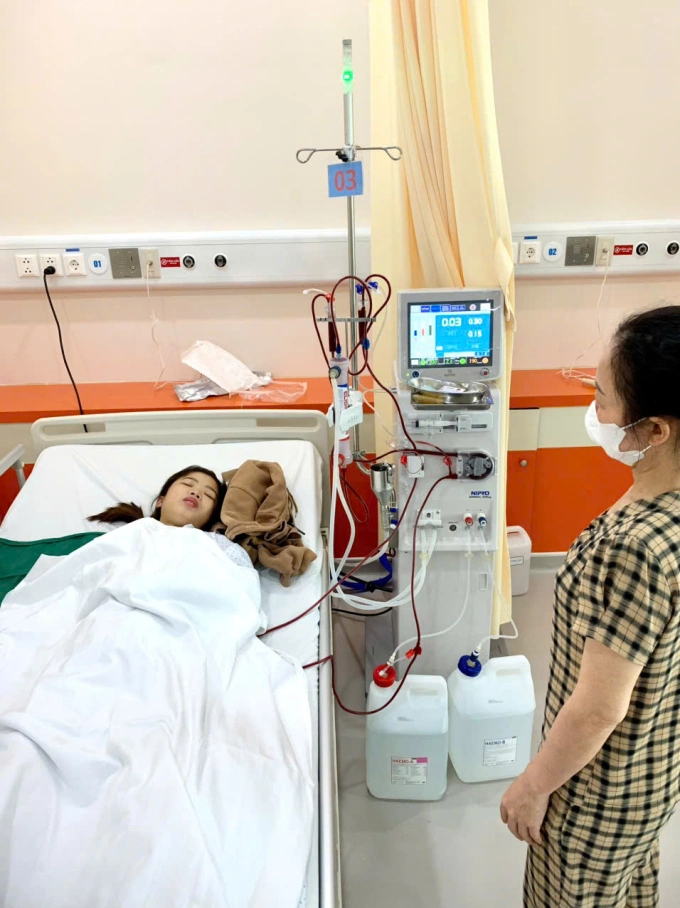
From her vantage point on the hospital bed, Hien observes a disturbing trend. "It’s not just genetics anymore," she notes. "I see so many young people here. Many of them have lived on a diet of processed convenience foods, they stay up far too late, and they simply don’t drink enough water. These habits are quietly destroying the health of a whole generation." Public health experts agree, citing high salt intake, the prevalence of untreated hypertension, and the over-consumption of sugary beverages as primary drivers of the CKD epidemic in developing urban centers.
Looking Forward: The Dream of a New Beginning
Despite the hardships, Hien remains a beacon of resilience. Her daily routine now includes gentle walking exercises to improve blood circulation, supported by her family who remains her primary emotional pillar. Her ultimate goal is to undergo a kidney transplant, a procedure that would free her from the "three-times-a-week" schedule and allow her to live a life less dictated by the constraints of medical technology.
"Fate didn’t give me a choice in this illness, but I do have a choice in how I face it," Hien says. Her optimism is tempered by the reality of the organ donation landscape in Vietnam, where the waiting list for kidneys is long and the number of voluntary donors remains low. Nevertheless, she continues to fight, driven by the desire to see her child grow up and to regain the health she once took for granted.
As she prepares for her next dialysis session, Hien offers a sobering piece of advice to the younger generation who may feel invincible: "When we are healthy, we have a thousand dreams. But when we are sick, we have only one dream: to be healthy again." Her story serves as both a tragic warning and an inspiring testament to the human spirit, highlighting the urgent need for better public health awareness, expanded medical infrastructure, and a national conversation about the growing shadow of chronic kidney disease in Vietnam.