The Nutritional and Medicinal Potential of Chili Leaves in Modern Diets and Traditional Asian Medicine

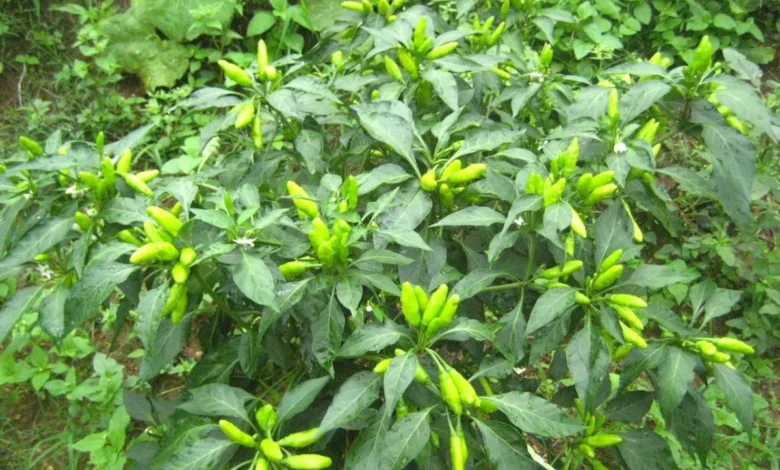
The consumption of chili leaves, derived from various species of the Capsicum genus, represents a long-standing culinary and medicinal tradition across several Asian nations, offering a potent yet often overlooked source of essential nutrients and bioactive compounds. Dr. Ngo Duc Phuong, Director of the Institute of Southern Medicinal Science, recently highlighted that while the chili fruit is globally renowned for its heat and spice, the leaves of the plant have been utilized as a staple vegetable in the Philippines, Japan, and South Korea for generations. In Vietnam, this practice is deeply rooted in local gastronomy, particularly in rural regions where young chili leaves are harvested to enhance the flavor and nutritional value of traditional dishes. From the delicate balance of a crab soup to the aromatic complexity of meat and fish stews, chili leaves provide a unique sensory experience, characterized by a mild, peppery flavor and a distinct fragrance that lacks the intense pungency of the fruit itself.
The Botanical Context and Cultural Heritage of Capsicum Consumption
The chili plant, belonging to the Solanaceae or nightshade family, was introduced to Asia centuries ago and has since become indispensable to the continent’s food identity. While most commercial attention is focused on the capsaicin-rich pods, the vegetative parts of the plant, specifically the tender shoots and leaves, hold a significant place in the "food as medicine" philosophy prevalent in Eastern cultures. In the Philippines, for instance, chili leaves are a primary ingredient in tinola, a traditional chicken ginger soup, where they are valued for their ability to balance the warmth of ginger with a refreshing, leafy finish. Similarly, in Korean cuisine, these leaves are often preserved through pickling or used in side dishes (banchan), showcasing their versatility beyond a mere garnish.
In the Vietnamese context, Dr. Phuong notes that the use of chili leaves is particularly prevalent in home-cooked meals. The leaves are frequently paired with freshwater crabs to create a cooling soup, or added to hotpots to provide a layer of herbal complexity. Unlike the fruit, which can be irritating to the gastrointestinal tract if consumed in excess, the leaves offer a gentle way to incorporate the plant’s benefits into a daily diet. This cultural integration serves as a foundation for modern nutritional analysis, which increasingly validates the wisdom of these ancestral dietary habits.
A Detailed Nutritional Profile: Vitamins, Minerals, and Antioxidants
Under scientific scrutiny, chili leaves emerge as a nutrient-dense "super-green" that rivals more common vegetables like spinach or kale. Research conducted by nutritional scientists indicates that these leaves are exceptionally rich in Vitamin A and Vitamin C. Vitamin A, primarily in the form of beta-carotene, is essential for maintaining ocular health, supporting the immune system, and ensuring proper cellular communication. Vitamin C, a powerful water-soluble antioxidant, plays a critical role in collagen synthesis, wound healing, and protecting the body against the oxidative stress caused by free radicals.
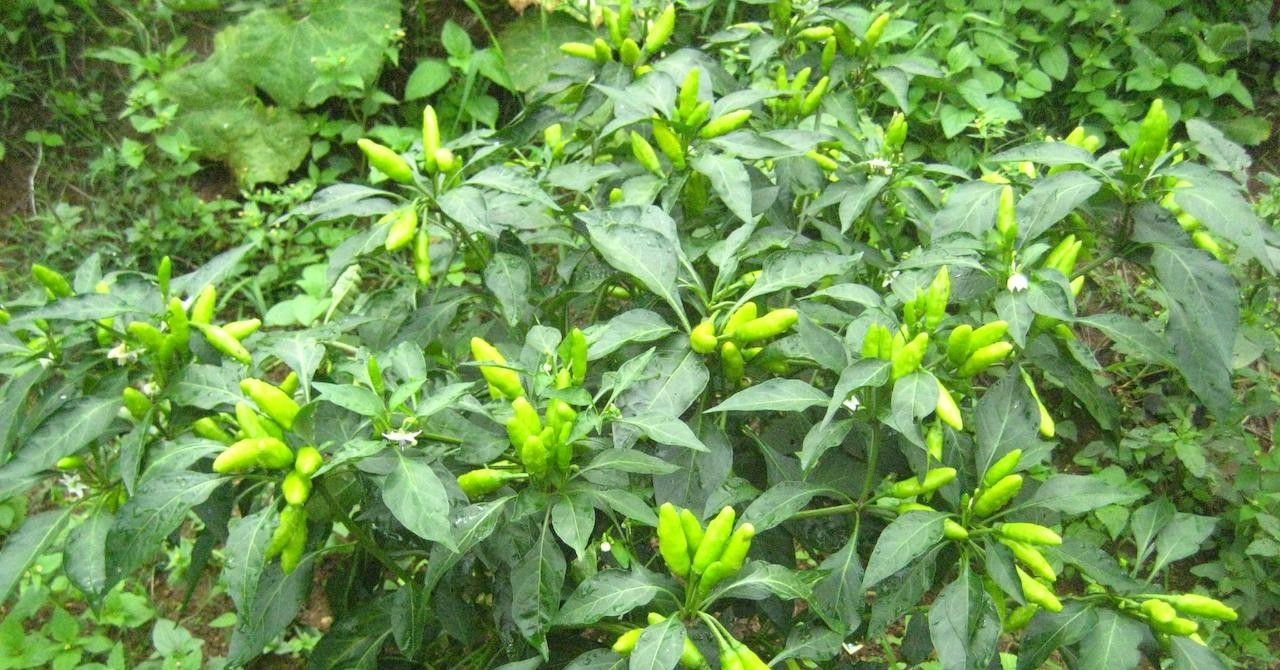
Beyond basic vitamins, chili leaves are a significant source of secondary metabolites, including carotenoids, flavonoids, and polyphenols. These bioactive compounds are the subject of intense study due to their potential to mitigate chronic inflammation and reduce the risk of degenerative diseases. Dr. Phuong emphasizes that these antioxidants work synergistically to bolster the body’s natural defense mechanisms. Furthermore, the leaves provide dietary fiber, which is crucial for digestive health, and essential minerals such as calcium, iron, and potassium, which are often lacking in processed modern diets. By incorporating chili leaves into meals, individuals can supplement their intake of these vital micronutrients through a natural, whole-food source.
Experimental Evidence and Pharmacological Properties
The medicinal value of chili leaves extends into the realm of pharmacology, where laboratory and animal studies have begun to document their therapeutic potential. Dr. Phuong points out that extracts from chili leaves have demonstrated notable antioxidant, anti-inflammatory, and antibacterial activities in controlled settings. These properties are largely attributed to the presence of phenolic compounds that can neutralize harmful molecules within the body.
Specifically, the anti-inflammatory effects observed in experimental models suggest that chili leaf extracts might one day contribute to the management of inflammatory conditions. Additionally, the antibacterial properties found in some studies indicate that the leaves may harbor compounds capable of inhibiting the growth of certain pathogens, although more research is needed to determine how these effects translate to human health. However, Dr. Phuong urges caution in interpreting these findings, noting that the vast majority of current evidence is derived from in-vitro (laboratory) or in-vivo (animal) research. While the results are promising, comprehensive clinical trials on humans are necessary to establish standardized dosages and definitive therapeutic protocols.
Traditional Applications in Folk Medicine
In the absence of modern pharmaceuticals, many Asian communities have historically relied on chili leaves to treat a variety of ailments. Traditional medicine practitioners often prescribe these leaves to support recovery after illness, citing their "warming" properties in the context of traditional energetics, despite their lack of physical heat. They are commonly used in decoctions to alleviate symptoms of the common cold, reduce body aches, and soothe joint pain.
One of the most notable traditional uses of chili leaves is in postpartum care. In several Southeast Asian cultures, the leaves are believed to stimulate milk production in nursing mothers, a condition known as galactagogue activity. While this use is primarily based on anecdotal evidence passed down through generations, it reflects the high level of trust placed in the plant’s safety and efficacy. Furthermore, the leaves are often used in topical applications or as part of a medicated bath to help the body regain strength and vitality following a period of physical exhaustion or fever.
The Role of Capsaicin and Flavor Chemistry
A common misconception regarding chili leaves is that they carry the same burning sensation as chili peppers. This is not the case. While the leaves do contain capsaicin—the compound responsible for the heat in peppers—the concentration is significantly lower. This trace amount of capsaicin is sufficient to provide the metabolic benefits associated with the compound, such as improved blood circulation and mild thermogenesis, without causing the discomfort of a scorched palate.
This unique chemical composition allows chili leaves to function effectively as a vegetable. The subtle "the" (a Vietnamese term for a mild, tingly pungency) adds a sophisticated flavor profile to broths and stir-fries. This makes the leaves an excellent entry point for individuals who wish to enjoy the health benefits of the Capsicum plant but have a low tolerance for spicy foods. The aromatic compounds released during cooking further enhance the palatability of simple ingredients, making chili leaves a valuable tool for culinary innovation.
Safety Considerations, Selection, and Environmental Risks
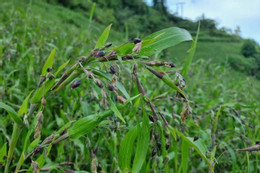
Despite their benefits, the consumption of chili leaves requires a degree of discernment. Dr. Phuong highlights several critical precautions for consumers and foragers. First and foremost is the issue of plant identification and sourcing. Not all varieties of chili are suitable for consumption. Many chili plants grown for aesthetic purposes—known as ornamental chilies—may contain higher levels of certain alkaloids that are not intended for ingestion. Furthermore, ornamental plants are often treated with systemic pesticides and fertilizers that are not food-safe.
The risk of chemical contamination is a significant concern in commercial agriculture. Chili plants are susceptible to various pests, leading some farmers to use heavy applications of plant protection chemicals. Dr. Phuong advises that leaves should only be harvested from plants specifically grown as food crops, ideally from home gardens or organic farms where chemical inputs are strictly monitored. Young, tender leaves are preferred for their texture and lower fiber content, making them easier to digest.
Additionally, individuals with a history of allergies to the Solanaceae family—which includes tomatoes, potatoes, and eggplants—should exercise caution. While rare, allergic reactions to chili leaves can occur. Those with acute digestive disorders, such as gastric ulcers or severe irritable bowel syndrome, should also limit their intake, as even the low levels of capsaicin and the high fiber content might cause irritation during a flare-up.
Broader Implications for Food Security and Sustainability
The promotion of chili leaves as a viable food source carries significant implications for global food security and sustainable agriculture. In many agricultural systems, the leaves of the chili plant are considered a byproduct or agricultural waste, left in the field after the peppers are harvested. By recognizing the nutritional value of these leaves, we can move toward a "whole-plant" utilization model, reducing waste and providing additional food sources without requiring extra land or water.
As the global population grows and the demand for nutrient-dense food increases, rediscovering traditional "famine foods" or underutilized plant parts becomes essential. Chili leaves are easy to grow, resilient in various climates, and provide a high return on nutritional investment. Integrating them into the mainstream market could provide a low-cost solution to micronutrient deficiencies in developing regions while offering a gourmet, health-conscious ingredient for international cuisines.
Conclusion: Reclaiming a Hidden Superfood
The insights provided by Dr. Ngo Duc Phuong and the body of existing nutritional research suggest that chili leaves are far more than a simple garden green. They represent a bridge between ancient cultural traditions and modern nutritional science. With their rich array of vitamins, powerful antioxidants, and unique flavor profile, they offer a multifaceted approach to health and wellness.
However, as with any botanical supplement or dietary change, the key lies in informed and moderate consumption. By selecting clean, safely grown leaves and understanding the balance between traditional use and scientific evidence, consumers can unlock the hidden potential of the chili plant. As we continue to explore the pharmacological properties of these leaves, it is likely that their status will evolve from a humble local vegetable to a recognized component of a health-optimized diet. The journey of the chili leaf—from the rural kitchen to the scientific laboratory—underscores the enduring value of nature’s pharmacy and the importance of preserving the botanical knowledge of the past for the benefit of the future.