Colorectal cancer rates are on a significant upward trend in Ho Chi Minh City, with a nearly 1.7-fold increase observed over the past two decades. This alarming rise, which mirrors broader national trends, has prompted medical professionals and public health officials to intensify awareness and prevention efforts, particularly focusing on early detection and lifestyle modifications.
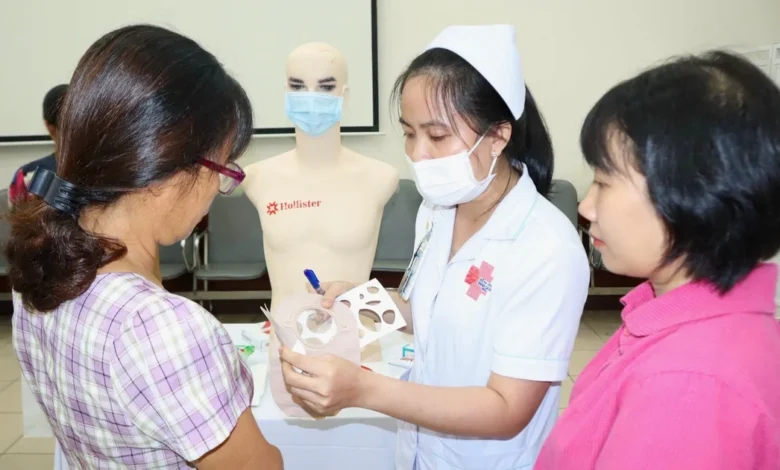
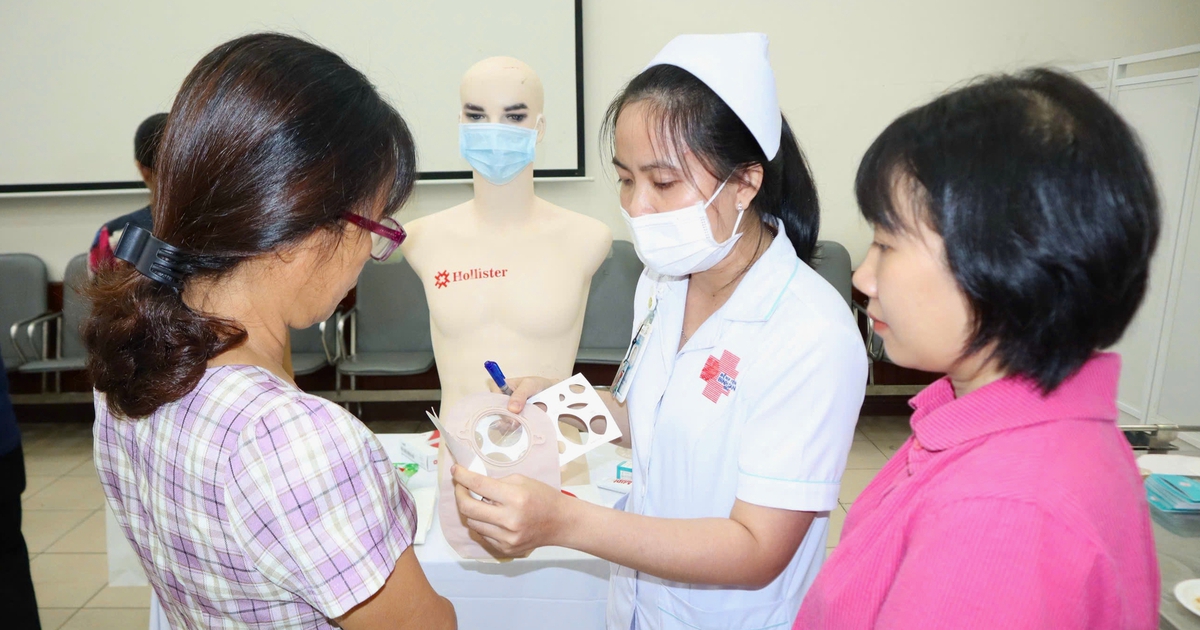
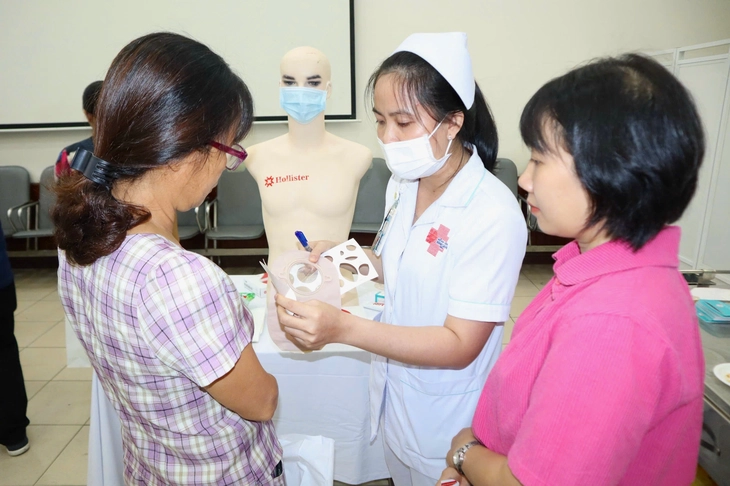
The Khoa Phẫu thuật Đại trực tràng (Colorectal Surgery Department) at Bệnh viện Bình Dân (Binh Dan Hospital) in Ho Chi Minh City recently hosted a significant event, marking the 2026th meeting of the "Artificial Anus Club." Themed "Nutritional Care and Support for Colorectal Cancer Patients with Stomas," the event underscored the growing prevalence of the disease and the critical need for comprehensive patient support systems.
Understanding the Growing Threat of Colorectal Cancer
Colorectal cancer is currently classified as one of the five most common types of cancer in Vietnam, with approximately one in ten diagnosed cancer cases attributed to this disease. The escalating incidence in Ho Chi Minh City, specifically, is strongly linked to evolving lifestyle patterns.
"Colorectal cancer is a highly prevalent and increasingly common malignancy in Vietnam," stated BS CKII Võ Khả Đăng An, Deputy Head of the Colorectal Surgery Department at Binh Dan Hospital. "The near 1.7-fold increase in Ho Chi Minh City over the last twenty years is a stark indicator of the changes in our living habits. We are seeing a shift towards less consumption of green vegetables and a greater reliance on processed foods and foods containing artificial additives."
The department’s observation aligns with global trends where sedentary lifestyles, reduced physical activity, and diets high in red and processed meats, coupled with a lack of fiber, are identified as significant risk factors for colorectal cancer. The increasing consumption of fast food, sugary drinks, and alcohol, alongside a decline in fresh produce intake, contributes to a metabolic environment that can promote cancer development.
Key Risk Factors and Early Warning Signs
A major challenge in combating colorectal cancer is the often-silent progression of the disease in its early stages. Many patients are unaware of their condition until it has advanced, making early detection through regular screening paramount. Dr. An emphasized that nearly half of the patients presenting with advanced stages of the disease had not undergone regular check-ups, highlighting a critical gap in preventative healthcare.
"This is a complex disease that is showing a clear upward trend, directly correlating with modern lifestyles," Dr. An explained. "The shift towards convenience foods, high-fat diets, increased intake of processed meats, alcohol, and smoking are all contributing factors."
One of the most significant obstacles in diagnosing and treating colorectal cancer is the frequent co-occurrence of the disease with hemorrhoids. Many individuals experiencing symptoms like rectal bleeding, which can be an early indicator of colorectal cancer, often dismiss it as a symptom of hemorrhoids, delaying crucial medical consultations. This self-misdiagnosis can have severe consequences, allowing the cancer to progress undetected.
The Development of Colorectal Cancer: A Gradual Process
Colorectal cancer typically does not manifest suddenly. The development of malignant tumors is a gradual process, often beginning with small polyps in the colon or rectum. These polyps, initially benign, can take anywhere from 10 to 15 years to potentially transform into cancerous growths.
"The formation of polyps is a slow process, typically starting from small growths within the colorectal lining," Dr. An elaborated. "Initially, these polyps may not cause any symptoms, leading individuals to remain unaware of their presence. However, over time, some of these polyps can undergo cellular changes and develop into cancerous tumors."
This lengthy development period makes endoscopic screening a critical tool for prevention. Colonoscopies and sigmoidoscopies allow medical professionals to visualize the interior of the colon and rectum, identify polyps, and remove them before they can become cancerous. Early detection through these procedures significantly improves treatment outcomes and survival rates.
Recognizing the Red Flags: When to Seek Medical Attention
Dr. An stressed the importance of recognizing specific warning signs that should prompt immediate medical attention. He identified five key symptoms that individuals should not ignore:
- Persistent Change in Bowel Habits: This includes experiencing diarrhea, constipation, or a change in the consistency of stool that lasts for more than a few weeks.
- Rectal Bleeding or Blood in the Stool: While often associated with hemorrhoids, persistent rectal bleeding, even in small amounts, can be a sign of polyps or cancer. It’s crucial to determine the cause of bleeding with a medical professional.
- Persistent Abdominal Discomfort: Symptoms such as cramping, gas, pain, or bloating that do not resolve can indicate an underlying issue.
- Unexplained Weight Loss: A significant and unintentional drop in body weight can be a serious warning sign of various cancers, including colorectal cancer.
- Weakness or Fatigue: Persistent feelings of tiredness and weakness, especially when accompanied by other symptoms, may signal anemia caused by chronic blood loss from the tumor, or the general impact of the disease on the body.
The Role of Screening and Prevention
Regular screening is the most effective strategy for preventing colorectal cancer or detecting it at an early, treatable stage. Medical guidelines recommend that individuals, starting from the age of 45, undergo regular screening tests. For those with a family history of colorectal cancer or polyps, or individuals with certain genetic predispositions, screening may need to begin at an earlier age.
"The availability of screening tests is crucial," Dr. An stated. "Colonoscopies, for instance, not only help in diagnosing cancer but also allow for the removal of precancerous polyps, thereby preventing cancer from developing in the first place. This proactive approach is key to reducing the burden of this disease."
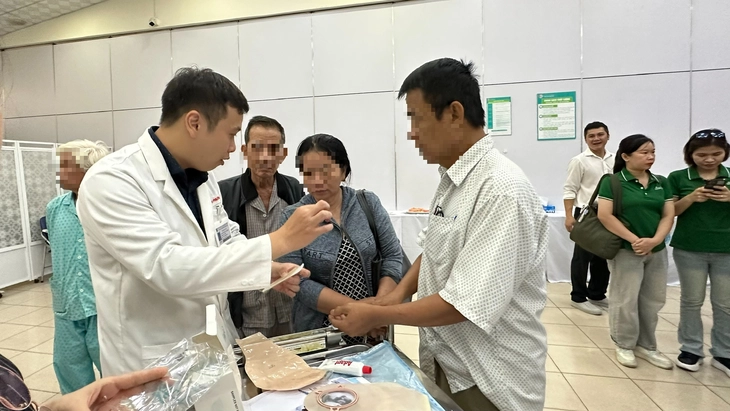
The event also highlighted the importance of a supportive ecosystem for patients who have undergone surgery, particularly those who require a stoma (an artificial opening in the abdomen to divert waste). The "Artificial Anus Club" provides a vital platform for patients to share experiences, receive practical advice on managing their stoma, and access nutritional guidance to maintain their health and quality of life. Proper stoma care and nutritional support are essential for healing, preventing complications, and enabling patients to lead active lives post-surgery.
Broader Implications and Public Health Initiatives
The increasing incidence of colorectal cancer in Ho Chi Minh City necessitates a multi-pronged approach involving public health campaigns, accessible screening programs, and improved patient education. The trend underscores the need for greater public awareness about the link between lifestyle choices and cancer risk.
Health authorities are urged to consider expanding outreach programs to encourage regular health check-ups, particularly for individuals in high-risk groups. Furthermore, promoting healthy dietary habits, encouraging regular physical activity, and discouraging smoking and excessive alcohol consumption are critical public health objectives that can significantly impact the future trajectory of colorectal cancer rates.
The Binh Dan Hospital’s initiative to support stoma patients reflects a growing understanding of the holistic needs of cancer survivors. Beyond medical treatment, psychological and social support, coupled with practical advice on daily living, plays a crucial role in their recovery and integration back into society. As the city grapples with this escalating health challenge, continued collaboration between healthcare providers, policymakers, and the community will be vital in mitigating the impact of colorectal cancer.