Thanh Hoa, Vietnam – A somber cloud has descended upon Thach Quang commune in Thanh Hoa province following a devastating industrial accident at the Dabaco pig farm. Three contract workers have lost their lives, and several others remain in critical condition after a severe gas leak occurred within the facility’s waste treatment area. The incident, which unfolded late in the afternoon of July 18th, has sent shockwaves through the local community and raised urgent questions about workplace safety standards in the agricultural sector.
The gravity of the situation was underscored by statements from local authorities. Mr. Le Huy Duong, Chairman of the Thach Quang Commune People’s Committee, confirmed the initial details of the tragedy. Around 5:30 PM on July 18th, Mr. Bui Van Vu, an employee of Dabaco Thanh Hoa Co., Ltd., was reportedly working in the Truong Giang hamlet within the commune. While performing maintenance on the farm’s biogas system, Mr. Vu began to exhibit signs of suffocation and distress. His alarming condition was quickly noticed by another contract worker, Mr. Truong Van Lam, who was in close proximity.
Upon witnessing Mr. Vu’s distress, Mr. Lam, along with other contract workers nearby, rushed to his aid. Tragically, as they attempted to assist their colleague, they too began to experience symptoms of gas inhalation, including difficulty breathing. The rapid onset of these symptoms created a chaotic and desperate scene as multiple workers succumbed to the toxic fumes.
In total, seven contract workers were affected by the incident and were immediately transported to Cam Thuy General Hospital for emergency medical treatment. Despite the best efforts of medical professionals, the severity of the gas poisoning proved fatal for three of the workers. By the morning of July 19th, the deceased were identified as Bui Van Vu, Truong Van Lam, and Bui Van Tuyen. The identities of the remaining four workers underscore the interconnectedness of the tragedy, with many of them being colleagues and friends.
The immediate aftermath saw the surviving workers experiencing severe health complications. Two of the four remaining affected individuals were transferred to higher-level provincial hospitals due to the critical nature of their condition, indicating the pervasive and damaging effects of the gas leak. The other two are continuing their recovery at Cam Thuy General Hospital, with their progress being closely monitored.
Unfolding Tragedy: A Chronology of the Incident
The events that led to this fatal gas leak at the Dabaco pig farm can be pieced together through initial reports and official statements, painting a grim picture of how the tragedy unfolded.
- Late Afternoon, July 18th: The incident begins around 5:30 PM in the Truong Giang hamlet of Thach Quang commune. Bui Van Vu, a contract worker for Dabaco Thanh Hoa Co., Ltd., is performing maintenance on the farm’s biogas system. He begins to experience severe respiratory distress, a clear indicator of exposure to toxic gases.
- Immediate Response and Escalation: Mr. Truong Van Lam, another contract worker in the vicinity, observes Mr. Vu’s distress and rushes to his assistance. Other contract workers also present at the scene join the rescue effort.
- Widespread Inhalation: As the workers attempt to help Mr. Vu, they are also exposed to the leaked gas, leading to a rapid escalation of the crisis. Several workers begin showing symptoms of suffocation and difficulty breathing.
- Emergency Evacuation: Seven affected workers are identified and immediately transported to Cam Thuy General Hospital for urgent medical intervention.
- Morning, July 19th: The tragic toll of the incident becomes clear as three workers – Bui Van Vu, Truong Van Lam, and Bui Van Tuyen – are pronounced dead.
- Continued Medical Care: The four surviving workers remain under medical care. Two are transferred to provincial-level hospitals due to their critical condition, while the other two continue to receive treatment at Cam Thuy General Hospital.
This timeline highlights the swift and devastating progression of the event, emphasizing the critical need for immediate investigation into the root causes and preventative measures.
Background and Context: The Dabaco Pig Farm Operations
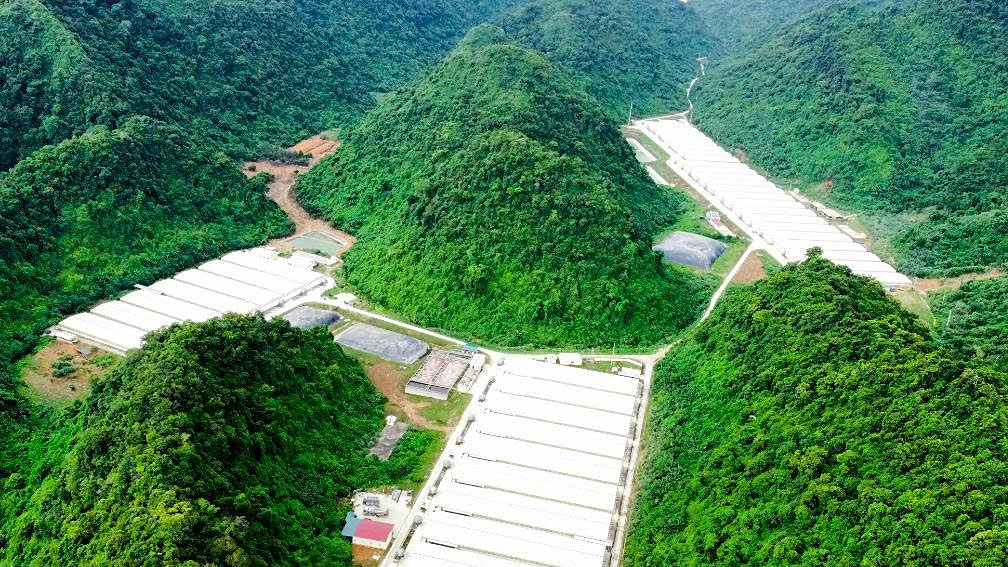
The Dabaco pig farm, operated by Dabaco Thanh Hoa Co., Ltd., is a significant agricultural enterprise in the region. The company is a subsidiary of the larger Dabaco Vietnam Group, a well-established entity in Vietnam’s agricultural and livestock sector. The specific farm in Thach Quang commune is part of the group’s extensive investment in large-scale pig farming and pork processing.
The project was approved by the Thanh Hoa Provincial People’s Committee, with investment commencement in 2021. The farm boasts a considerable scale, with a registered capital exceeding 770 billion VND (approximately $30 million USD) and spanning an area of 50 hectares. Its production capacity is designed to house 5,600 breeding sows and over 150,000 fattening pigs annually. The farm officially began its operations, receiving pigs for breeding, in October 2022.
The farm’s waste treatment system, particularly its biogas component, is crucial for managing the large volume of organic waste generated by thousands of pigs. Biogas systems, while environmentally beneficial by capturing methane for energy, also pose inherent risks if not properly maintained and monitored. The decomposition of animal waste in enclosed environments can produce a cocktail of gases, including hydrogen sulfide (H2S), methane (CH4), and carbon dioxide (CO2). Hydrogen sulfide, in particular, is highly toxic, colorless, and possesses a characteristic rotten egg smell at low concentrations, but can quickly overwhelm the sense of smell at higher, more dangerous levels, leading to rapid incapacitation and death.
The presence of such a large-scale operation necessitates stringent safety protocols, regular inspections, and comprehensive training for all personnel involved in its operation and maintenance. The incident at Dabaco raises critical concerns about whether these protocols were adequately implemented and enforced at the time of the accident.
Official Responses and Investigation
Local authorities have responded with urgency to the fatal incident. Mr. Duong, Chairman of the Thach Quang Commune People’s Committee, has described the event as a particularly serious labor accident. He indicated that a thorough investigation will be conducted to identify both the direct causes and contributing factors, including the potential negligence of responsible parties.
"The direct cause, along with risk factors present at the scene and the responsibility of relevant leaders and individuals, will be determined after functional agencies complete their intensive inspection and investigation," Mr. Duong stated.
In light of the tragedy, the commune’s leadership has taken immediate action. They have requested that Dabaco Thanh Hoa Co., Ltd. temporarily suspend operations at the affected site. This suspension is intended to allow for a comprehensive safety assessment, ensure the preservation of evidence, and prevent further incidents. Authorities have also emphasized the need for stringent environmental protection measures and the diligent preservation of all materials relevant to the ongoing investigation. Furthermore, they are committed to ensuring the rights and interests of the victims and their families are fully protected.
The Thanh Hoa Provincial Police have already initiated a formal investigation into the incident. Their primary objective is to meticulously examine the scene, gather evidence, and interview witnesses to establish the precise sequence of events and identify any breaches of safety regulations or criminal negligence. The involvement of law enforcement underscores the seriousness with which the authorities are treating this fatal accident.
Broader Implications and Analysis
The tragic loss of life at the Dabaco pig farm is more than just an isolated industrial accident; it serves as a stark reminder of the inherent risks associated with large-scale agricultural operations, particularly those involving waste management and biogas production.
Workplace Safety in the Agricultural Sector: This incident highlights a persistent concern regarding worker safety in Vietnam’s rapidly expanding agricultural sector. While industrial and construction sectors often receive significant attention for their safety risks, agricultural operations, especially large-scale ones, can harbor equally, if not more, dangerous conditions. The reliance on contract workers, who may have less formal training and fewer protections, can exacerbate these risks.
Environmental and Health Hazards of Biogas Systems: The increasing adoption of biogas technology for waste management in livestock farms, while commendable for its environmental benefits, demands a heightened awareness of the associated gas hazards. The potential for leaks of highly toxic gases like hydrogen sulfide necessitates robust engineering controls, regular maintenance, and continuous monitoring systems. A failure in any of these areas can have catastrophic consequences, as tragically demonstrated in this case.
Corporate Responsibility and Oversight: The incident places a spotlight on the corporate responsibility of Dabaco Vietnam Group and its subsidiary, Dabaco Thanh Hoa Co., Ltd. While the company is a major player in the agricultural industry, this accident raises questions about the adequacy of their safety management systems, risk assessments, and emergency preparedness plans. The investigation will be crucial in determining whether existing safety standards were met and if there were any lapses in oversight.
Community Impact: The loss of three lives has deeply affected the local community of Thach Quang commune. The fear and uncertainty generated by such a serious accident can have long-lasting psychological impacts on residents, especially those living in close proximity to large industrial facilities. The incident also underscores the need for transparent communication between industries and local communities regarding safety measures and potential risks.
Economic and Regulatory Landscape: The incident may prompt a review of existing regulations governing industrial safety in agricultural enterprises in Vietnam. Authorities may consider implementing stricter guidelines for biogas system operation, waste management protocols, and worker training. The temporary suspension of operations at the Dabaco farm also has economic implications, highlighting the interconnectedness of production, safety, and regulatory compliance.
Moving forward, the thoroughness and transparency of the investigation will be paramount. The findings will not only determine accountability for this specific tragedy but also inform future safety practices and regulations across Vietnam’s agricultural industry, aiming to prevent such devastating loss of life from occurring again. The focus must be on ensuring that economic development does not come at the unacceptable cost of human lives and worker well-being.