Tesla Cybertruck Power Failure Incident Raises Questions Regarding Electric Vehicle Long Term Battery Maintenance Protocols

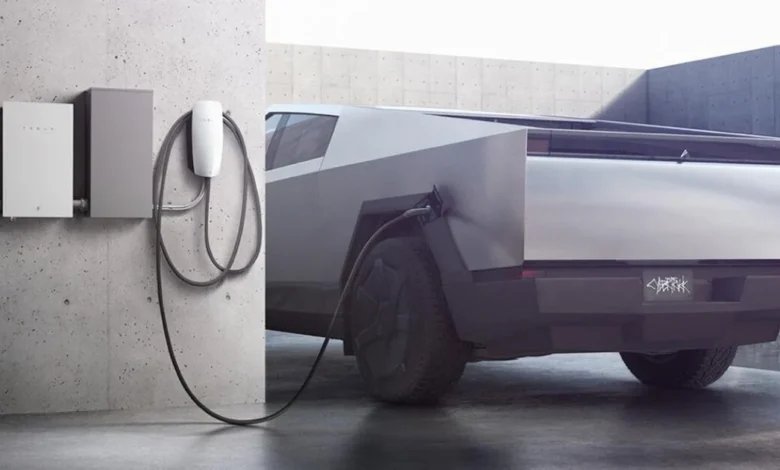
The ownership experience of the Tesla Cybertruck, the highly anticipated and polarizing stainless steel pickup, has been a journey of discovery for early adopters, ranging from off-road triumphs to unexpected technical hurdles. A recent incident involving an owner in Arizona has brought a specific technical concern to the forefront: the reliability of the vehicle’s power conversion systems when following the manufacturer’s own long-term storage recommendations. While Tesla famously advises its users to keep their vehicles plugged in during extended periods of non-use to maintain battery health, one owner discovered that even the most diligent adherence to official protocols does not always guarantee a functional vehicle upon return.
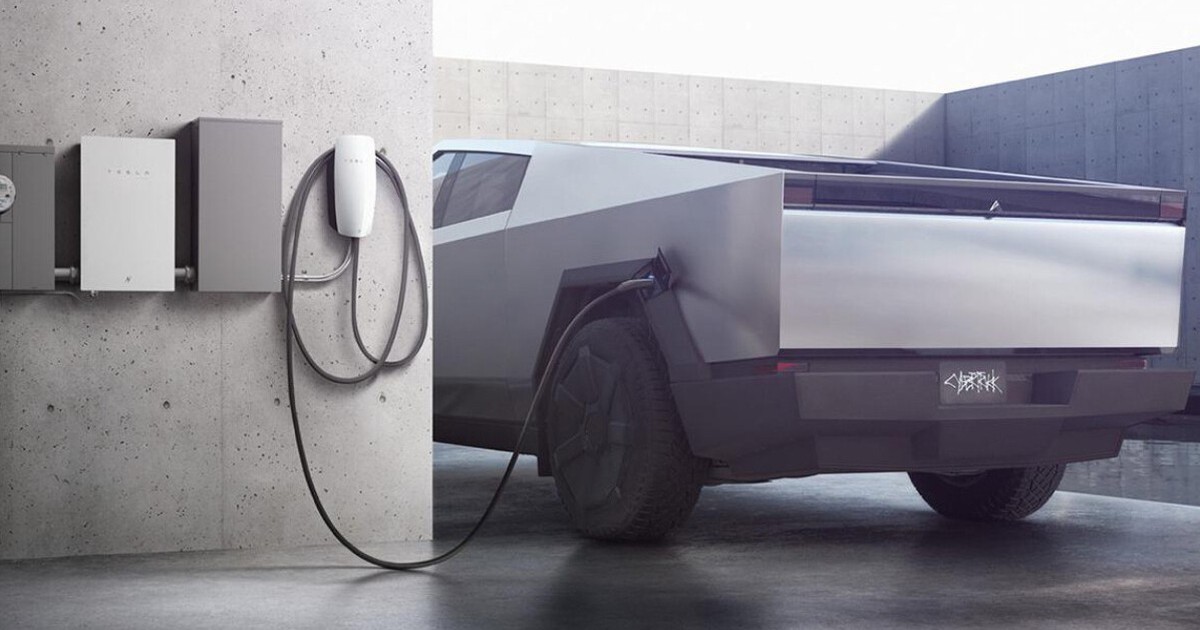
AJ Esguerra, a resident of the heat-prone state of Arizona and an owner of the Tesla Cybertruck, recently shared a cautionary tale within a dedicated community of enthusiasts on social media. Before departing for a two-week vacation, Esguerra followed Tesla’s standard guidance by leaving his electric truck connected to its home charging station. This practice is intended to ensure that the vehicle’s thermal management systems can operate without depleting the main battery pack and to counteract "vampire drain"—the small but steady loss of energy caused by the vehicle’s onboard computers, security systems, and remote connectivity features. However, when Esguerra returned, he found his futuristic vehicle completely unresponsive, effectively "bricked" in his own driveway.
The Chronology of a Technical Failure
The failure did not appear to be a sudden event that occurred upon the owner’s return. According to data retrieved from the Tesla mobile application, the Cybertruck had lost all communication with the Tesla network approximately 11 days prior to Esguerra’s arrival back home. This indicated that the vehicle had suffered a critical system failure early into his vacation, despite being connected to a stable power source.
For many electric vehicle (EV) owners, the sight of a non-responsive car is particularly jarring because of the lack of traditional mechanical indicators. In Esguerra’s case, the vehicle could not be "started," nor would the electronic door actuators or the infotainment system respond. This total loss of functionality suggested that the issue extended beyond a simple depletion of the high-voltage battery. In modern Teslas, including the Cybertruck, a secondary low-voltage system (now utilizing a 48-volt architecture in the Cybertruck) is responsible for powering the lights, sensors, and computers. If the link between the high-voltage pack and the low-voltage system is severed, the car becomes a high-tech paperweight.
The Role of Environmental Stressors
Initial speculation regarding the cause of the failure centered on the geographic location of the incident. Arizona is notorious for its extreme summer temperatures, which frequently soar above 110 degrees Fahrenheit (43 degrees Celsius). Extreme heat is a known enemy of both battery chemistry and sensitive power electronics. While Tesla’s active cooling systems are designed to mitigate these risks, they require a functional power conversion system to pump coolant and manage heat exchange.
Heat stress can accelerate the degradation of capacitors and semiconductors within the vehicle’s power management hardware. In an environment like Arizona, the vehicle’s internal systems must work harder even when parked to keep the battery cells within a safe temperature range. If a component is already borderline defective from the factory, the constant thermal cycling of an Arizona summer can provide the final push toward total failure.
Official Diagnosis: The Power Conversion System
Upon reporting the incident to Tesla’s service department, the vehicle was transported to a service center for a thorough diagnostic evaluation. Tesla’s technicians eventually identified the culprit: a faulty component within the Power Conversion System (PCS).
The PCS is a vital "gatekeeper" in an electric vehicle. Its primary function is to manage the flow of electricity between the high-voltage battery pack and various other systems. This includes converting the high-voltage Direct Current (DC) from the battery into the Alternating Current (AC) required to drive the electric motors, as well as stepping down the voltage to power the vehicle’s accessory systems. Furthermore, when the car is plugged into a wall outlet or a Level 2 charger, the PCS (specifically the onboard charger component) converts the AC from the grid back into DC to charge the battery.
A failure in this unit means the vehicle can neither move nor maintain its own internal power health. In Esguerra’s case, the failure of this system meant that even though the truck was physically plugged into the wall, the energy was not being processed or distributed correctly, leading to the eventual shutdown of all vehicle functions. Fortunately for the owner, the repair was fully covered under Tesla’s New Vehicle Limited Warranty, which for the Cybertruck includes a significant period of bumper-to-bumper and powertrain protection.
Analyzing Tesla’s Long-Term Storage Recommendations
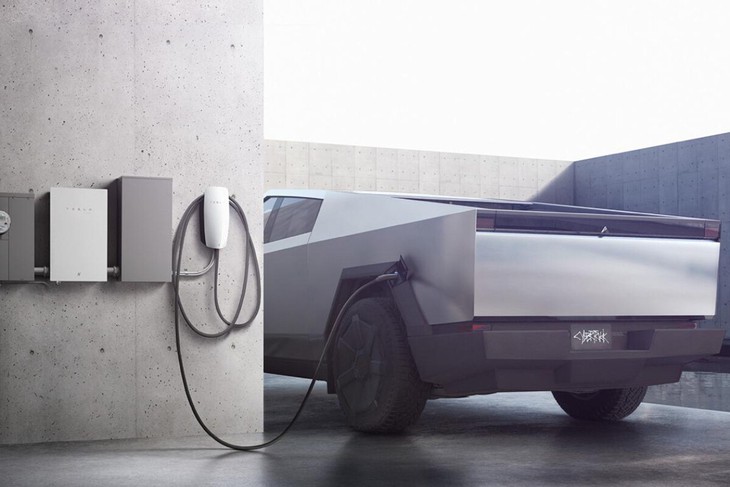
This incident has prompted a deeper look into how EV owners should manage their vehicles during long absences. Tesla’s user manuals and support documents generally state: "The most important way to preserve the Battery is to LEAVE YOUR VEHICLE PLUGGED IN when you are not using it." However, there is a crucial nuance that many owners might overlook: the State of Charge (SoC).
While the car should be plugged in, it should not necessarily be charged to 100%. For long-term storage, experts and manufacturers suggest setting the charge limit to somewhere between 50% and 60%. Lithium-ion batteries, particularly the 4680 cells used in the Cybertruck, experience the least amount of chemical stress when they are at a middle-range state of charge. Keeping a battery at 100% for weeks at a time can lead to accelerated degradation of the cathode and anode, while letting it drop to 0% can permanently damage the cells.
Esguerra noted that he usually followed a schedule to charge his vehicle at night to avoid the peak heat of the day, but in the rush of preparing for his trip, he may not have optimized the settings for a two-week stationary period. This serves as a reminder that the "plug it in and forget it" mantra requires a secondary step of "limit the charge" to ensure maximum longevity and safety.
Broader Implications for the Cybertruck and First-Generation Products
The Cybertruck is a "First Generation" product in the truest sense, featuring a 48-volt architecture, steer-by-wire technology, and a unique stainless steel exoskeleton. Historically, the first year of any radically new automotive platform is plagued by "infant mortality" of components—parts that fail early in their life cycle due to manufacturing defects that were not caught during initial testing.
Esguerra’s experience is not necessarily an indictment of the Cybertruck’s overall design, but it does highlight the complexities of its new electrical system. The power conversion systems in the Cybertruck are handling higher loads and managing more complex distributions than those in the Model 3 or Model Y. As Tesla gathers more data from these real-world failures, they typically iterate on the hardware, leading to more robust components in subsequent production runs.
Expert Advice for EV Owners in Extreme Climates
For those living in regions with extreme weather, the AJ Esguerra incident provides several key takeaways:
- Monitor via App Regularly: Had the owner checked the app during his vacation, he might have noticed the vehicle went offline 11 days early. While he couldn’t have fixed it from afar, it would have allowed him to alert Tesla Service sooner.
- Verify the State of Charge: Before leaving, ensure the charge limit is set to 50-60%. This reduces the internal pressure on the battery cells.
- Ensure a Stable Connection: Use a high-quality, hardwired home charging station rather than a mobile connector if possible, as these provide more stable communication between the grid and the vehicle’s PCS.
- Secondary Systems: Be aware that the low-voltage battery is just as important as the large traction battery. If the car is going to be sitting in 110-degree heat, the cooling system will be active, and any fault in the conversion of power to that cooling system will result in a shutdown.
Conclusion
The resolution of AJ Esguerra’s Cybertruck saga was a positive one, with Tesla standing behind its product and restoring the vehicle to full health. However, the event underscores the fact that electric vehicles are sophisticated computers on wheels, subject to the same electronic glitches and hardware failures as any other high-end technology.
As the automotive world transitions from internal combustion to electrification, the definitions of "maintenance" are changing. We are moving away from oil changes and spark plugs toward the management of thermal cycles and power conversion efficiency. For Tesla and the owners of its flagship Cybertruck, incidents like these are the growing pains of a technological revolution—a process of refining the machines that will eventually define the future of transport. For now, the best advice for any EV owner remains: follow the manual, but keep a close eye on the app, especially when the mercury rises.