Da Nang Commits Up to 2 Billion VND for Startup Acceleration, Building a Robust Innovation Ecosystem, Targeting Double-Digit Economic Growth

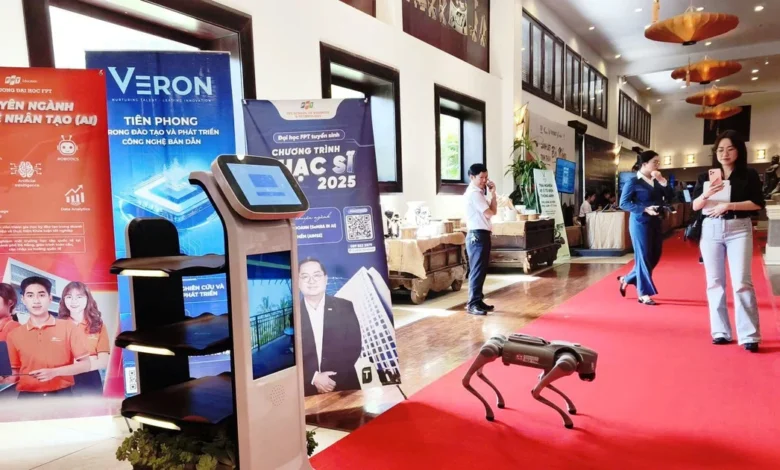
The central Vietnamese city of Da Nang has recently enacted a progressive policy to provide substantial, non-refundable financial support for creative startup projects, simultaneously intensifying efforts to cultivate a dynamic innovation ecosystem. This strategic move is designed to inject new impetus into the local economy, aiming for sustained double-digit growth powered by knowledge, technology, and innovation. The initiative, spearheaded by the Da Nang People’s Council, signals a profound shift in the city’s economic development paradigm, moving away from traditional resource exploitation towards a future-proof, technology-driven model.
A Landmark Policy for Innovation
In a significant development for its burgeoning tech landscape, the Da Nang People’s Council, at the end of May, officially promulgated Resolution No. 19. This pivotal resolution meticulously outlines the procedures, conditions, content, and the scale of non-refundable support available from the state budget for creative startup projects operating within the city’s administrative boundaries. The policy is widely regarded as one of the most substantial direct support mechanisms ever introduced by Da Nang for its innovation and startup ecosystem, underscoring a clear commitment to positioning science, technology, and creative innovation as the city’s primary engine for future growth.
The scope of eligibility for this comprehensive support extends to individuals, groups of individuals, organizations, and enterprises that are actively pursuing creative startup projects in Da Nang. To qualify, projects must meet specific criteria: they should not have previously received financial assistance from the city budget for the same content during the current proposed support phase. Furthermore, applicant businesses are required to demonstrate full compliance with tax obligations and social insurance contributions, and their main headquarters must be officially registered and located within Da Nang. These conditions are designed to ensure responsible allocation of public funds and to foster a stable, compliant business environment.
Staged Financial Backing for Startup Evolution
The financial support outlined in Resolution No. 19 is meticulously structured to cater to the distinct development stages of startup projects, acknowledging the varying needs and challenges faced by ventures at different points in their lifecycle.
For projects in the early phases – specifically, pre-incubation, incubation, and acceleration – where support is typically channeled through intermediate organizations, the policy provides a crucial lifeline. Direct labor costs for these projects are eligible for support ranging from 10 million to 30 million VND per project. This initial funding is vital for covering the foundational expenses associated with developing core ideas and initial prototypes. Additionally, these projects can receive between 20 million and 50 million VND per project to cover operational costs, engage expert consultation services, and utilize specialized support services essential for early-stage growth and validation. This tiered approach aims to de-risk the initial exploration phase for innovators, encouraging more individuals and teams to pursue their creative ideas.
As projects mature and transition into the enterprise development stage, the level of support escalates significantly, reflecting the increased capital requirements for scaling and market penetration. At this critical juncture, the Department of Science and Technology (DOST) provides direct financial assistance, with a maximum allocation of up to 2 billion VND (approximately 80,000 USD) per project. This substantial sum is earmarked for a diverse range of activities crucial for enterprise growth. It includes covering direct labor costs, procuring specialized innovation services, funding pilot production runs, developing market-ready product prototypes, and addressing other specific expenditure categories as defined by the resolution. The provision of such significant, non-refundable capital at this stage is a powerful catalyst, designed to help startups overcome the notorious "valley of death" – the challenging period between initial development and sustainable market entry. This level of investment is particularly noteworthy in the Vietnamese startup landscape, where early-stage funding can often be fragmented. It positions Da Nang as a highly attractive destination for serious tech and innovation ventures seeking governmental backing to commercialize and scale.
The overarching aim of this progressive financial policy is to empower startups to navigate the most challenging phases of their formation, accelerate the commercialization of their products and services, enhance their competitive edge in dynamic markets, and ultimately evolve into robust, innovative enterprises. By mitigating financial risks and providing strategic capital, Da Nang seeks to cultivate a resilient and high-growth startup ecosystem.
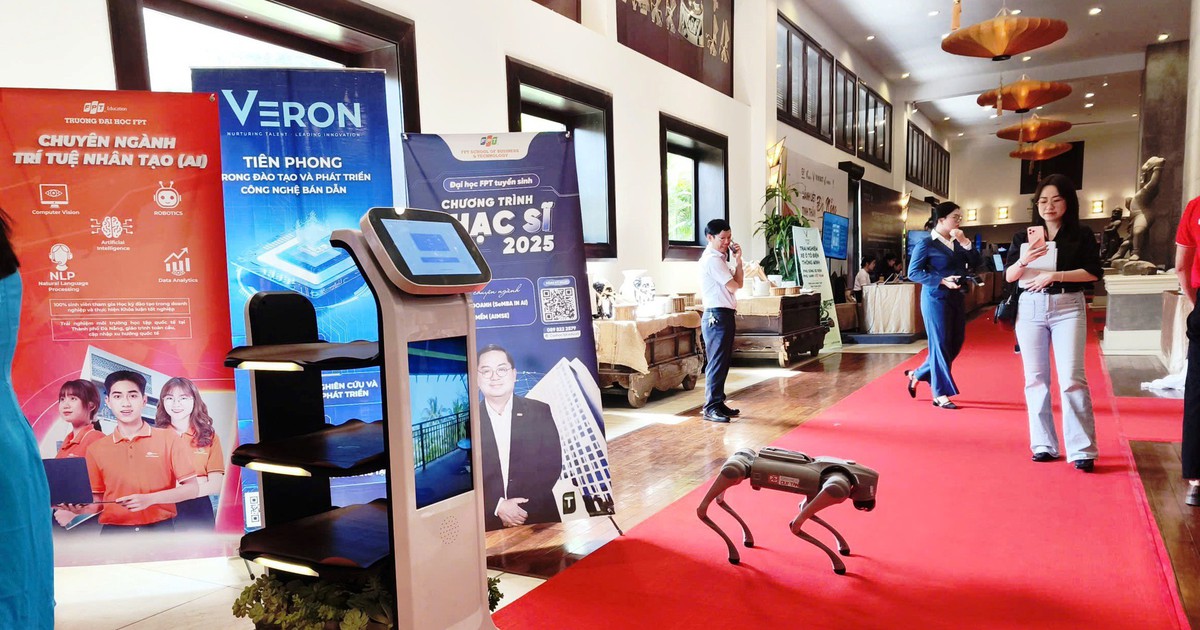
Strategic Vision: Beyond Funding
Da Nang’s ambition extends far beyond mere financial injections. The city has articulated a long-term strategic objective to construct an innovation ecosystem capable of competing on an international scale. This vision is deeply intertwined with a broader national strategy to develop Vietnam into a knowledge-based economy.
According to the city’s Department of Science and Technology, the science and technology sector will concentrate its efforts on five critical mission groups. These pillars form the bedrock of Da Nang’s innovation strategy:
- Mechanism and Policy Refinement: Continuously improving and adapting regulatory frameworks and policies to create an agile, supportive, and predictable environment for innovation and startup activities. This includes streamlining administrative procedures and ensuring that policies remain relevant to evolving technological trends.
- Innovation Infrastructure Investment: Committing significant resources to develop state-of-the-art infrastructure specifically tailored for innovation. This encompasses technology parks, co-working spaces, research labs, and digital platforms that facilitate collaboration and resource sharing among startups, academia, and industry.
- Prioritized Support for Key Technology Sectors: Directing targeted support towards technology enterprises operating in strategically important fields. These include Artificial Intelligence (AI), robotics, industrial automation, and microchip design and manufacturing. By focusing on these high-growth, high-impact sectors, Da Nang aims to cultivate specialized expertise and foster a competitive advantage.
- Expanded International Cooperation: Actively seeking and fostering partnerships with international organizations, research institutions, and foreign companies. This includes facilitating knowledge transfer, joint research and development projects, and attracting foreign direct investment (FDI) into the innovation sector, thereby integrating Da Nang into the global innovation network.
- High-Quality Human Resource Development: Investing heavily in education, training, and talent attraction programs to build a skilled workforce, particularly in critical areas like AI and semiconductor technology. This involves collaboration with universities and vocational schools to ensure that graduates possess the competencies demanded by the innovation economy.
These initiatives reflect a holistic understanding that a thriving innovation ecosystem requires more than just capital; it demands an enabling environment, cutting-edge infrastructure, strategic focus, global connectivity, and a pipeline of highly skilled talent.
Ambitious Targets for a Thriving Ecosystem
The ambitious nature of Da Nang’s innovation agenda is further underscored by its concrete targets for the period spanning 2026 to 2030, as articulated by the Da Nang People’s Committee. The city aims to:
- Global Recognition: Break into the top 300 global startup ecosystems, a benchmark that would signify its emergence as a recognized international hub for innovation. This goal implies a significant increase in the volume and quality of startups, as well as a robust support infrastructure.
- Project Support: Provide support to a minimum of 600 startup projects, demonstrating a commitment to nurturing a broad base of innovative ventures across various sectors.
- Startup Formation: Facilitate the formation of 500 new creative startup enterprises. This figure includes encouraging foreign entrepreneurs to establish their ventures in Da Nang, fostering a diverse and globally-minded startup community.
- Unicorn Ambition: Critically, Da Nang has set a goal to witness the emergence of its first "unicorn" enterprise – a privately held startup company valued at over $1 billion – by the year 2030. This aspirational target reflects the city’s confidence in its ability to foster truly disruptive and rapidly scaling businesses. Achieving this would not only bring significant economic benefits but also elevate Da Nang’s profile on the global innovation map.
These targets are not merely quantitative; they represent a qualitative leap in Da Nang’s economic aspirations, positioning it as a dynamic center of innovation within Vietnam and the broader Southeast Asian region.
Activating the Innovation Engine: The "4-House" Model
While Resolution No. 19 provides a crucial financial "lever" for creative startup projects, Da Nang is simultaneously implementing a broader strategy to realize its innovation ecosystem goals through active networking and collaboration. The recent "Hoa Khanh 2026 National Startup Forum" served as a powerful platform to operationalize this vision, highlighting how Da Nang is progressively actualizing its objective of building a comprehensive innovation ecosystem.
During the forum, Mr. Ho Quang Buu, Deputy Chairman of the Da Nang People’s Committee, delivered a keynote address emphasizing the critical need for a paradigm shift in economic growth drivers. He unequivocally stated that the city can no longer sustain growth primarily through traditional capital investment and the exploitation of conventional resources. Instead, Mr. Buu asserted that the new growth impetus must originate from knowledge, science and technology, creative innovation, digital transformation, enhanced labor productivity, and the cultivation of high-quality human resources. This statement reflects a forward-looking perspective, acknowledging global economic trends and the imperative for sustainable, value-added growth.
To effectively realize the ambitious goals of achieving double-digit economic growth and establishing Da Nang as a regional innovation hub, Mr. Buu stressed the imperative of forging a tightly integrated network. This network, he explained, must connect various stakeholders: government, universities, businesses, industry associations, and investors. The synergy among these "houses" is deemed essential to drive technology transfer, facilitate the commercialization of research outcomes, develop a skilled workforce through targeted training, and provide robust support for innovative enterprises.
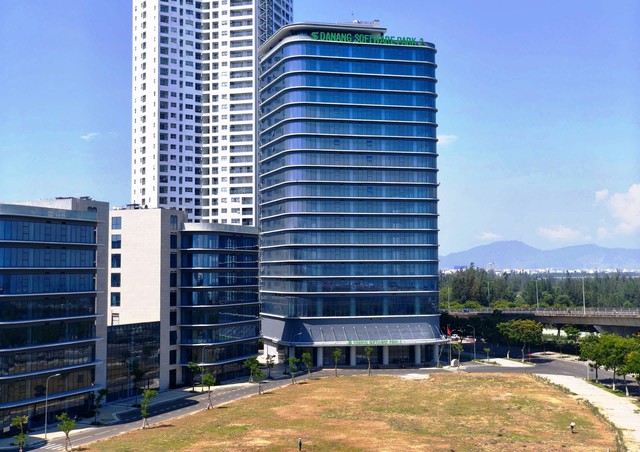
The Hoa Khanh 2026 Forum itself was a concrete manifestation of this strategic direction. During the event, multiple parties formally signed cooperation agreements based on the "4-house" linkage model: "State – University – Enterprise – International." This framework is designed to foster seamless collaboration, ensuring that policy support (State), academic research and talent (University), market demand and commercialization capabilities (Enterprise), and global best practices and investment (International) are all harmonized. Furthermore, the forum saw a consensus on implementing programs to support the startup ecosystem, connect investment opportunities, and facilitate technology transfer, all underpinned by a robust digital platform. This digital integration aims to enhance efficiency, transparency, and accessibility for all participants in the ecosystem.
Expert Perspectives and Future Outlook
Dr. Dinh Viet Hoa, Chairman of the National Startup Association, provided valuable insights at the forum, underscoring the intrinsic link between national development and the emergence of high-growth startup enterprises. He observed that while Vietnam’s startup ecosystem is vibrant, it still faces challenges in bridging crucial gaps. Specifically, Dr. Hoa pointed to the disparity between innovative ideas and market realization, between scientific research and successful commercialization, and between the aspirations of entrepreneurs and the available resources for development. These gaps represent critical areas where concerted efforts are needed to unlock the full potential of the ecosystem.
Dr. Hoa expressed optimism and strong expectations for Da Nang’s future role. He articulated his hope that Da Nang will transform into a highly favorable destination for the development of the startup ecosystem, innovation, and the incubation of high-growth enterprises. He envisions the city making significant contributions to the broader national objective of establishing itself as a leading innovation center within the Central region and across Vietnam. This sentiment is shared by many in the national innovation community, who view Da Nang’s proactive stance as a beacon for other localities.
Broader Context and Regional Impact
Da Nang’s concentrated efforts to foster innovation and support startups are not isolated but fit within a broader national strategy to transform Vietnam into a developed, high-income country by 2045, with science, technology, and innovation as key drivers. While Hanoi and Ho Chi Minh City have historically been the primary hubs for startup activity due to their larger economic scale and population, Da Nang’s strategic location, growing IT sector, and now, this substantial policy support, position it as a formidable contender for regional leadership in innovation.
The city’s focus on AI, robotics, automation, and microchips is particularly strategic, aligning with global technological trends and Vietnam’s ambition to move up the global value chain from manufacturing to high-tech industries. By cultivating expertise in these areas, Da Nang aims to attract specialized talent and foreign investment, further solidifying its position as a smart city. The commitment to developing high-quality human resources, especially in AI and semiconductors, addresses a critical bottleneck often faced by emerging tech hubs: the shortage of skilled labor.
This robust policy framework is expected to have several positive implications beyond just economic growth. It could stimulate job creation in high-value sectors, attract intellectual capital back to the region, and foster a culture of entrepreneurship among its youth. The "4-house" model, with its emphasis on international collaboration, also opens avenues for Da Nang-based startups to access global markets and integrate into international supply chains, thereby enhancing their scalability and impact.
Challenges and Opportunities
While the vision and policies are robust, Da Nang will undoubtedly face challenges in execution. Ensuring the transparent and efficient allocation of the 2 billion VND support, fostering a truly collaborative environment among the "4 houses," retaining top talent amidst global competition, and continuously adapting policies to the rapid pace of technological change will be crucial. The city will also need to ensure that its innovation ecosystem is inclusive, supporting a diverse range of entrepreneurs and ideas, not just those in the prioritized tech sectors.
However, the opportunities are immense. By strategically investing in its innovation ecosystem, Da Nang is not only laying the groundwork for sustainable economic prosperity but also building a resilient, future-ready economy. The ambition to achieve double-digit growth and produce a unicorn by 2030, supported by concrete policy actions and collaborative frameworks, firmly establishes Da Nang as a dynamic and forward-thinking city in Vietnam’s journey towards a knowledge-based future. The city’s bold moves are set to inspire and empower a new generation of innovators, solidifying its reputation as a magnet for creativity and technological advancement in Southeast Asia.
Related posts: