BYD Sealion 5 arrives in Vietnam with a plug-in hybrid powertrain capable of over 1,200 kilometers of range

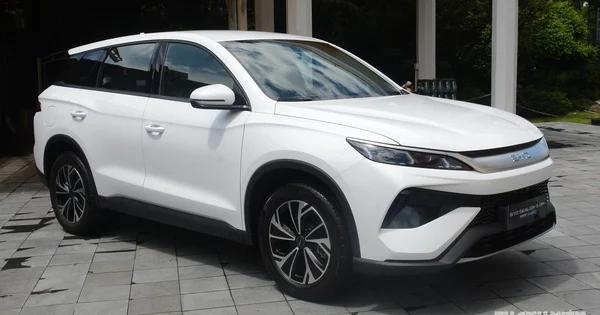
The automotive landscape in Vietnam is undergoing a significant transformation as BYD, the global leader in new energy vehicles (NEVs), continues to expand its local footprint. The latest addition to its lineup is the BYD Sealion 5, a C-segment plug-in hybrid SUV that has officially arrived in the country, marking another strategic step in the company’s push to capture market share from traditional internal combustion engine (ICE) competitors. As BYD Vietnam begins accepting pre-orders, the arrival of the Sealion 5 signals an aggressive effort to target families and professionals seeking a blend of high-end technology, utility, and fuel efficiency.
Chronology and Market Entry
The introduction of the Sealion 5 follows months of speculation and a calculated rollout strategy by BYD. Since entering the Vietnamese market in mid-2024, the brand has focused on establishing a presence with a diverse portfolio. The Sealion 5 arrives as the fourth plug-in hybrid model in the company’s local catalog, joining the Sealion 6, the Seal 5 sedan, and the M9 MPV.
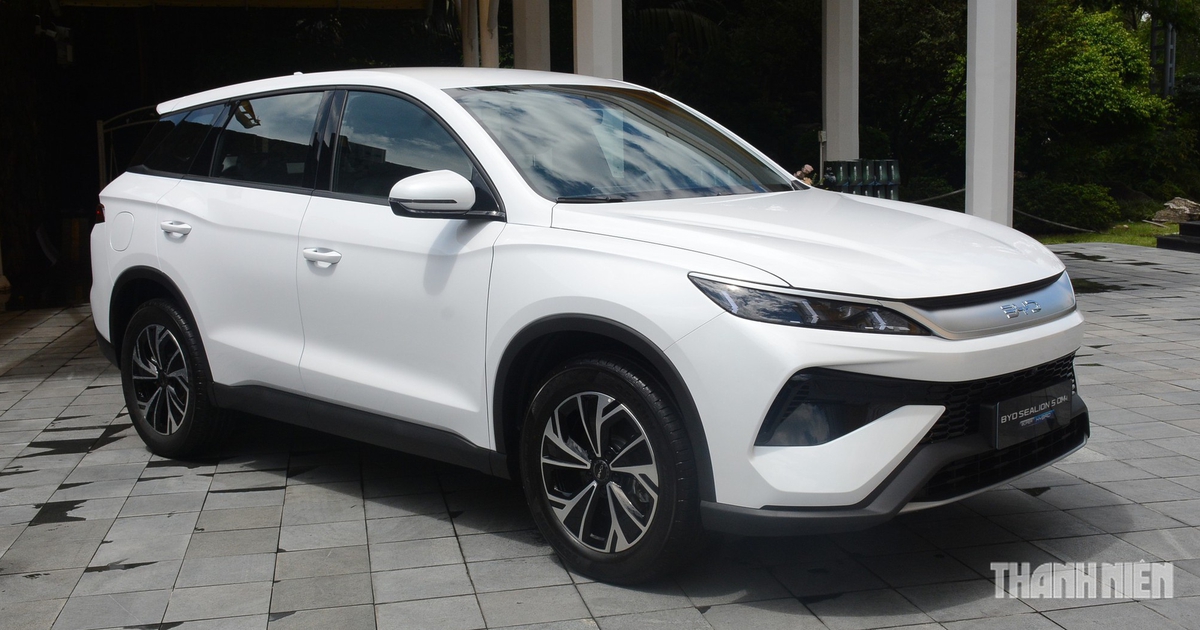
The vehicles are currently being imported from BYD’s manufacturing facility in Thailand, a strategic logistics hub that allows the company to maintain a steady supply chain for the Southeast Asian region. With dealerships across the country now beginning the formal booking process, the vehicle is positioned as a direct competitor to popular C-segment SUVs, including the Mazda CX-5, Hyundai Tucson Hybrid, Kia Sportage Hybrid, Toyota Corolla Cross, and the Ford Territory.
Technical Prowess: The DM-i Super Hybrid System
At the heart of the Sealion 5’s appeal is BYD’s proprietary DM-i Super Hybrid technology. This system, which has been the cornerstone of the company’s global sales success, combines a 1.5-liter gasoline engine with a high-performance electric motor and BYD’s signature Blade Battery.
The vehicle delivers a combined output of 214 horsepower and 210 Nm of torque, allowing for a 0-100 km/h acceleration time of approximately 8.5 seconds. However, the most compelling figure for prospective buyers is the range. By leveraging both the 52-liter fuel tank and a fully charged battery, the Sealion 5 is capable of traveling over 1,200 kilometers. This "full tank, full charge" capability directly addresses the "range anxiety" often associated with pure battery-electric vehicles, offering a practical bridge for consumers transitioning from gasoline to electrified mobility.
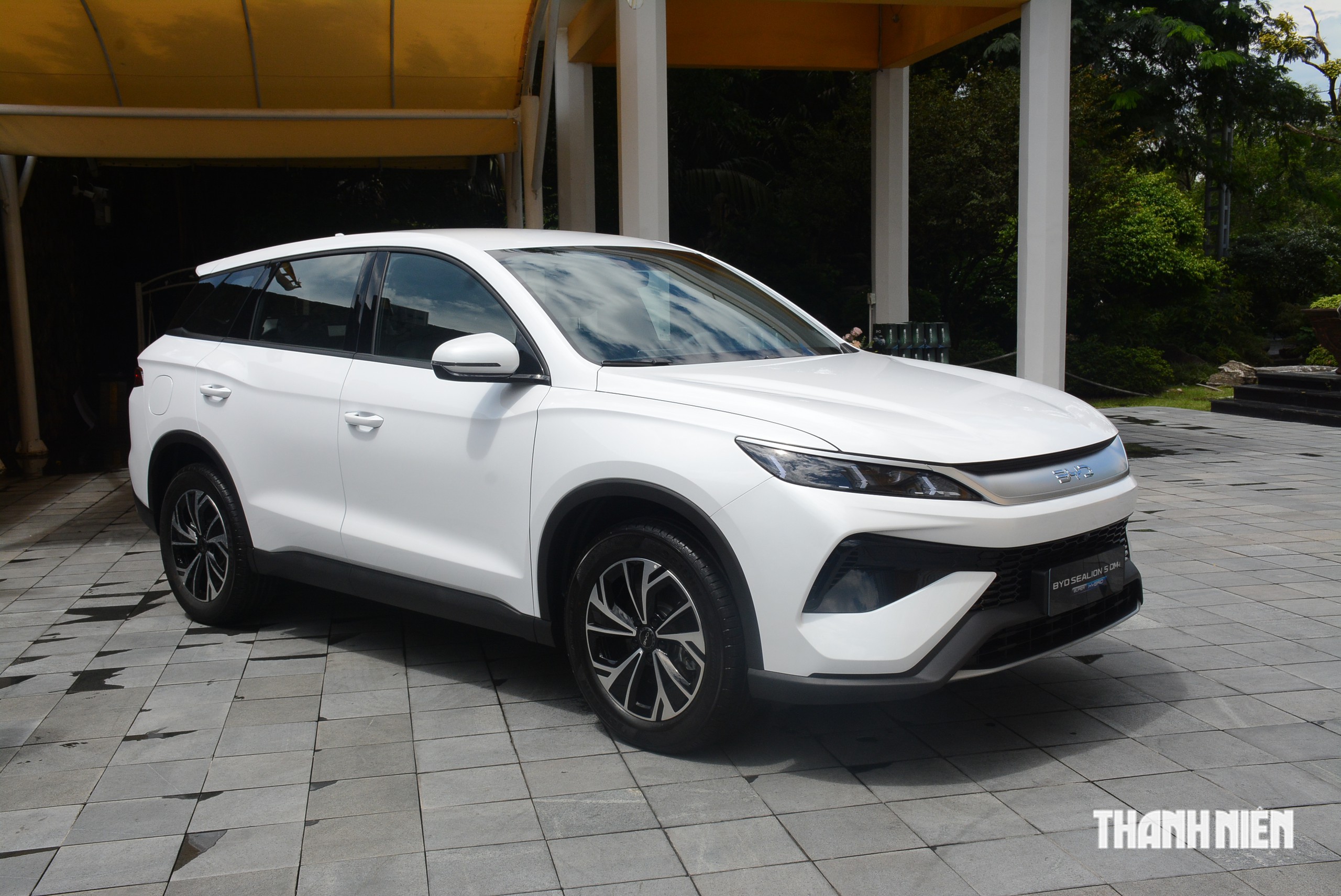
The vehicle utilizes an 18.3 kWh LFP battery, which supports 18 kW DC fast charging and 3.3 kW AC charging. Furthermore, the Sealion 5 includes Vehicle-to-Load (V2L) functionality, outputting up to 3,300W, which allows the car to power external electrical appliances—a feature that resonates well with the growing trend of outdoor lifestyle activities among Vietnamese consumers.
Design and Interior Utility
The Sealion 5 is designed to offer maximum interior space, a critical factor in the competitive C-segment SUV market. It features a wheelbase of 2,712 mm and an overall length of 4,735 mm, placing it at the forefront of its class in terms of dimensions. This generous footprint translates into a spacious cabin, complemented by a standard trunk capacity of 530 liters, which expands to 1,482 liters when the rear seats are folded flat.
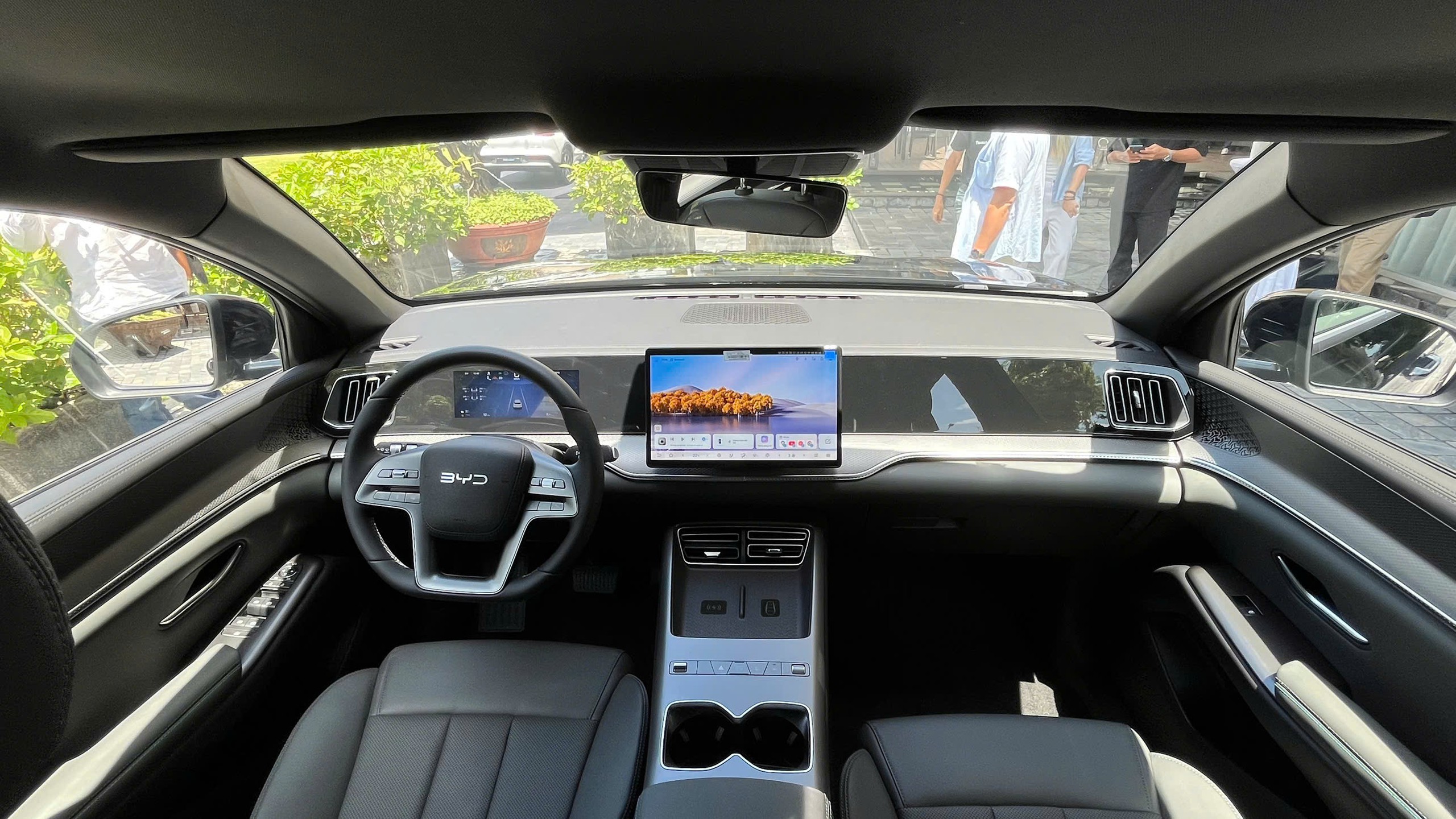
The interior reflects a minimalist and tech-forward aesthetic. Depending on the trim level, the vehicle features a rotating touchscreen ranging from 10.1 to 12.8 inches, serving as the central hub for the vehicle’s intelligent cockpit system. Key creature comforts include NFC digital key technology, Bluetooth key integration, and the BYD mobile application for remote control. For those who prioritize entertainment, the vehicle is equipped with a high-quality 8-speaker audio system that includes a karaoke function, along with a PM2.5 air filtration system to maintain cabin air quality.
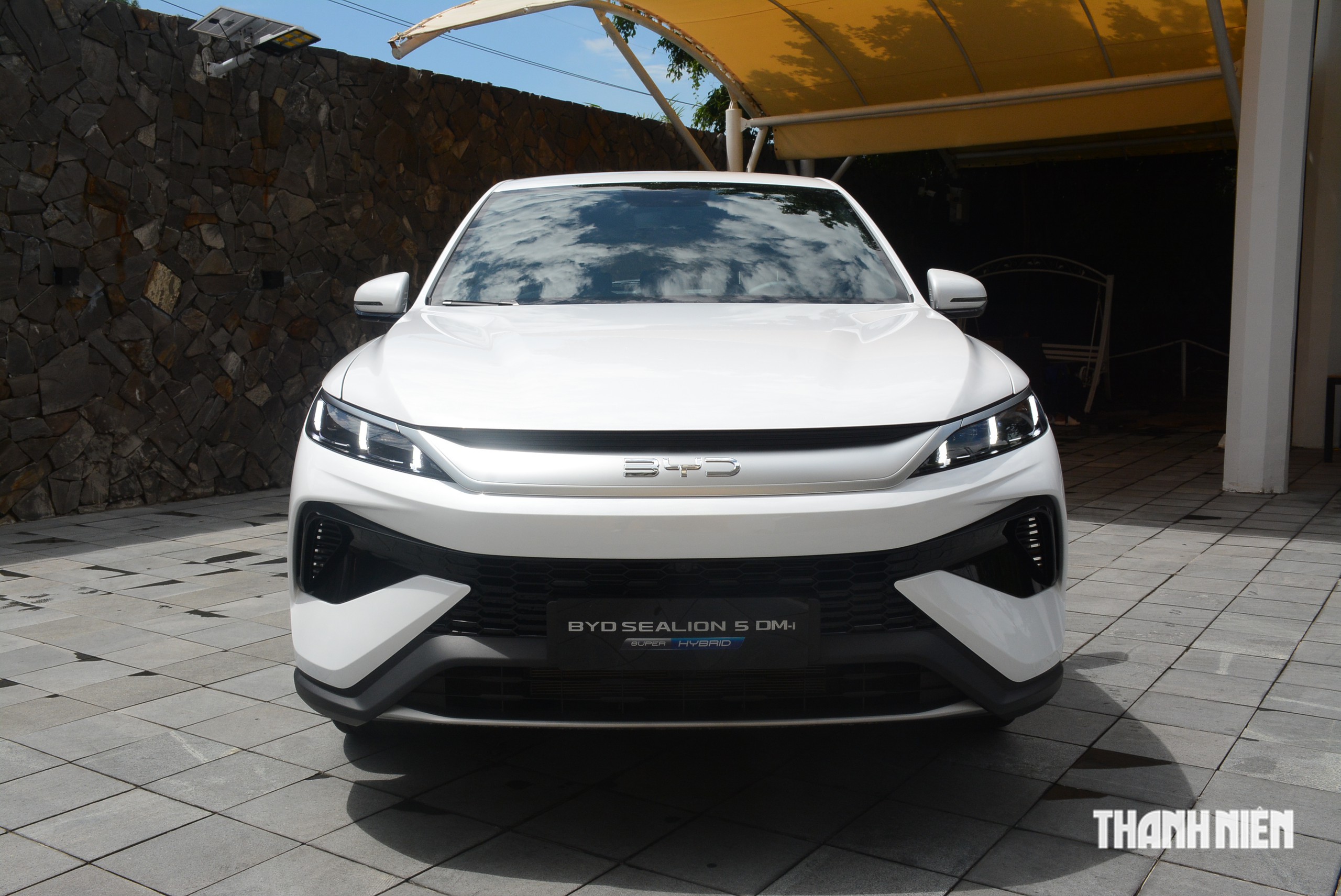
Safety and Driver Assistance
In an era where safety technology is a primary buying consideration, the Sealion 5 is equipped with the advanced driving assistance system (ADAS) L2. This suite integrates 20 active safety features designed to enhance driver awareness and mitigate risks. Key safety components include a 360-degree transparent camera system that provides a comprehensive view of the vehicle’s surroundings, advanced parking sensors, and a real-time tire pressure monitoring system.
Market Implications and Official Perspectives
The C-segment SUV market currently accounts for nearly 50% of the total vehicle sales in Vietnam, making it the most vital battleground for manufacturers. According to Vo Minh Luc, Executive Director of BYD Vietnam, the Sealion 5 is not merely another product launch; it is a strategic asset.
"The C-segment is highly competitive with a multitude of models, yet it remains the heart of the Vietnamese automotive market," Luc noted. "The Sealion 5, with its distinctive design, cutting-edge technology, and performance capabilities, is a crucial product in our mission to drive sales growth for BYD Vietnam through the end of the year and into the future."
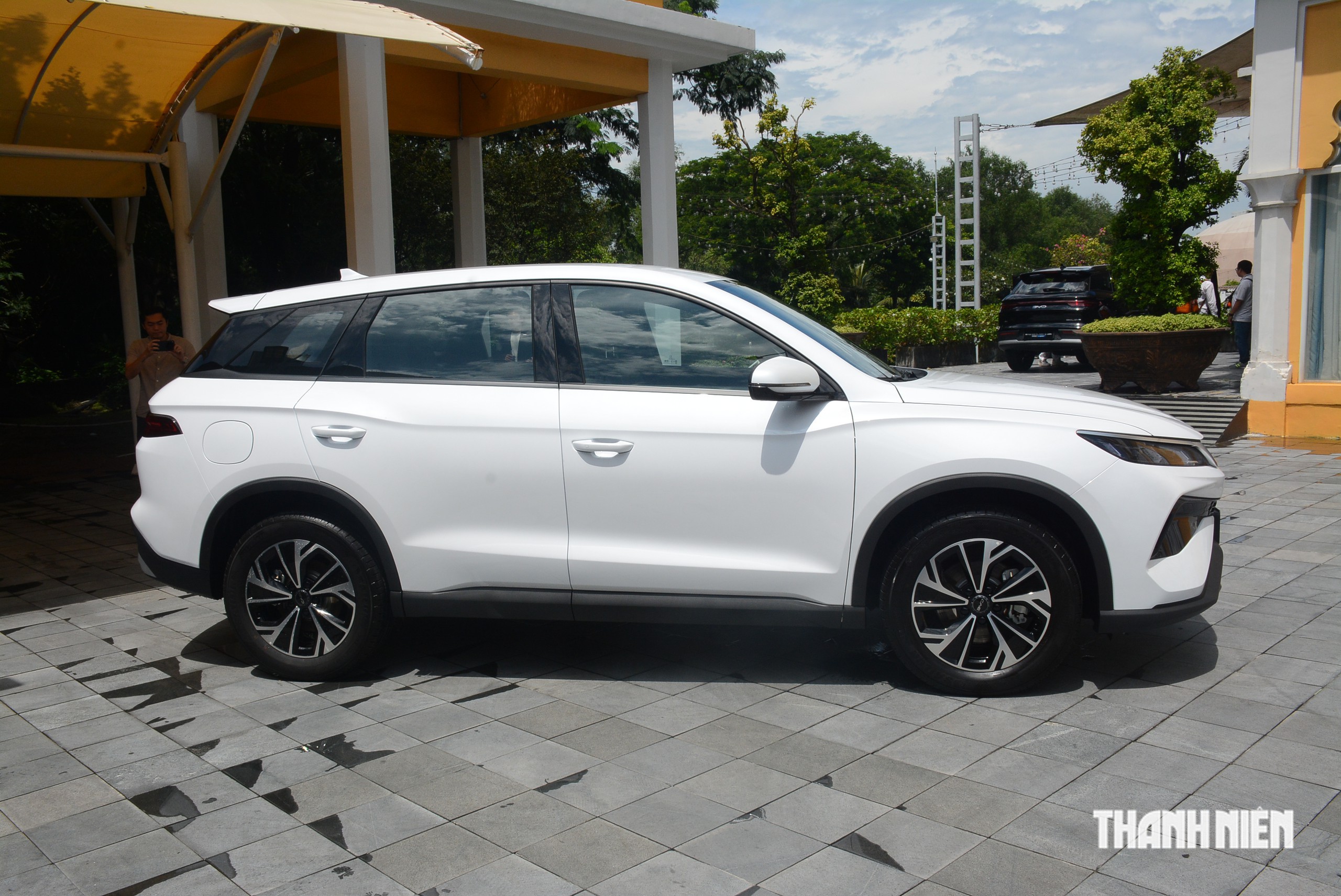
The arrival of the Sealion 5 creates a significant ripple effect in the market. By offering a plug-in hybrid option, BYD is challenging the dominance of traditional ICE vehicles and mild-hybrid alternatives. The company’s focus on providing a comprehensive "eco-system" of support, including home charging solutions and service networks, is intended to build long-term consumer trust.
Pricing and Strategic Incentives
While BYD has not yet announced the final official pricing for the Sealion 5, company representatives have indicated that it will be positioned within the 600 million to 790 million VND range. This pricing strategy places it in a highly competitive bracket, forcing rivals to re-evaluate their own value propositions.
To accelerate initial adoption, BYD has introduced an aggressive incentive program. Customers who place a 20 million VND deposit between September 21 and the official market launch will receive an 80 million VND incentive, effectively totaling a 100 million VND package for early adopters. This type of high-value promotion is a classic market-penetration tactic, designed to secure a loyal customer base early in the product lifecycle.
Conclusion: A New Contender
The BYD Sealion 5 represents a convergence of efficiency, space, and modern technology. As Vietnamese consumers become increasingly sophisticated in their vehicle preferences—prioritizing fuel economy, smart features, and safety—the Sealion 5 arrives at an opportune moment.
The success of the Sealion 5 will likely hinge on the brand’s ability to demonstrate the long-term reliability of its hybrid system and the efficacy of its after-sales service network in Vietnam. As the company continues to scale its operations, the Sealion 5 serves as a testament to BYD’s global strategy: delivering advanced, sustainable mobility solutions that are accessible to the mass market. Whether it can effectively dismantle the dominance of established players like Mazda or Hyundai will be the key narrative to watch in the coming months, as the first units hit the streets of Vietnam.