Long-term Life Expectancy and Health Management Following Coronary Artery Bypass Grafting Surgery in Older Adults


Coronary Artery Bypass Grafting (CABG) remains one of the most effective and established surgical interventions for patients suffering from complex coronary artery disease, particularly those with multi-vessel blockages or significant narrowing of the left main coronary artery. For a 63-year-old patient who has recently undergone this procedure and is currently in stable health, the primary concern often revolves around long-term prognosis and whether the surgery itself diminishes life expectancy. On the contrary, medical consensus and clinical data suggest that a successful bypass surgery, combined with rigorous post-operative management, can significantly extend a patient’s life, often allowing them to reach a life expectancy comparable to that of the general population in their age group.
Understanding the Mechanics and Goals of CABG
The fundamental objective of CABG is to restore adequate blood flow to the heart muscle, which has been compromised by the buildup of plaque in the coronary arteries—a condition known as atherosclerosis. By using healthy blood vessels harvested from other parts of the patient’s body, such as the internal mammary artery in the chest, the radial artery in the arm, or the saphenous vein in the leg, surgeons create a "bypass" around the obstructed segment. This revascularization ensures that the myocardium receives the oxygen and nutrients necessary to function efficiently, thereby reducing the risk of myocardial infarction (heart attack) and alleviating symptoms like angina (chest pain) and shortness of breath.
For patients in their early 60s, this procedure is often a turning point. At this stage of life, the heart’s resilience is still relatively high, and the goal of surgery shifts from mere survival to the preservation of a high quality of life for the next two to three decades. According to MSc. Dr. Huynh Hoang Khang, Head of the Cardiovascular Surgery Department at the Interventional Cardiovascular Center, Tam Anh General Hospital in Ho Chi Minh City, many patients can live an additional 15 to 20 years or even longer following a successful CABG procedure.
Factors Influencing Post-Surgical Longevity
The prognosis for a post-CABG patient is not determined by the surgery alone but by a constellation of clinical and lifestyle factors. Understanding these variables is crucial for both the patient and their caregivers to navigate the recovery process effectively.
Pre-operative Cardiac Function
The state of the heart before the patient reaches the operating table is perhaps the most significant predictor of long-term survival. Patients who undergo surgery while their heart’s pumping capacity (ejection fraction) is still within a healthy range generally have a much more favorable outlook. Conversely, if the heart muscle has already been extensively damaged by previous silent heart attacks or chronic ischemia, the recovery may be more complex. Therefore, early intervention is always prioritized over a "wait and see" approach when significant blockages are detected.
The Quality and Type of Grafts
Medical research has consistently shown that the choice of conduit used for the bypass matters. The internal thoracic (mammary) artery is considered the "gold standard" because it is highly resistant to developing new blockages over time. When surgeons use high-quality arterial grafts, the long-term patency—the likelihood that the bypass remains open—is significantly higher compared to using venous grafts alone.
Management of Comorbidities
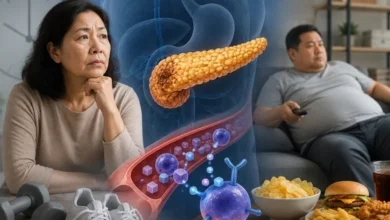
A 63-year-old patient often manages other chronic conditions such as Type 2 diabetes, hypertension (high blood pressure), or dyslipidemia (high cholesterol). These conditions are the underlying drivers of atherosclerosis. If these are not tightly controlled after surgery, the new bypass grafts, as well as the remaining original arteries, can become clogged. Maintaining LDL-cholesterol at target levels through medication and diet is a non-negotiable aspect of post-operative care.
Innovations in Surgical Technique: The "Off-Pump" Advantage
The evolution of cardiac surgery has introduced methods that minimize the physiological stress on the body. Traditionally, CABG was performed "on-pump," meaning the patient’s heart was stopped, and a heart-lung machine took over the circulation. While effective, this can sometimes lead to complications, particularly in older patients or those with fragile renal or neurological systems.
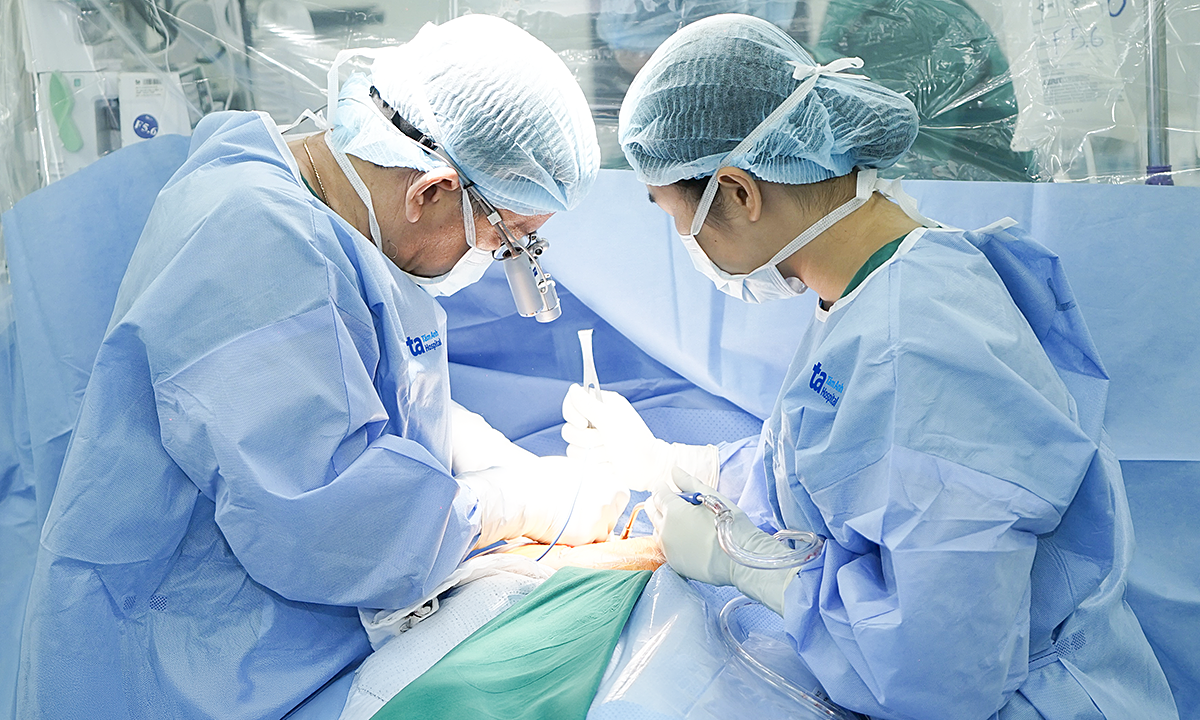
The "off-pump" or "beating heart" surgery is a sophisticated alternative where the surgeon performs the bypass while the heart continues to pump. This technique is particularly beneficial for older patients as it reduces the risk of systemic inflammation, minimizes the chance of a post-operative stroke, and often leads to a faster recovery of kidney and lung function. For a patient in their 60s with multiple underlying health issues, the off-pump approach can be a decisive factor in ensuring a smooth transition back to daily life.
A Chronology of Recovery: What to Expect
The journey following a bypass surgery can be divided into three critical phases: the immediate hospital recovery, the sub-acute healing phase, and long-term maintenance.
- Immediate Hospital Phase (Days 1-7): The focus is on stabilizing vital signs, managing pain, and preventing immediate complications like pneumonia or wound infections. Patients are encouraged to begin light movements and breathing exercises almost immediately to prevent blood clots and clear the lungs.
- The Healing Phase (Weeks 2-12): This is when the breastbone (sternum) begins to fuse back together if a traditional open-chest approach was used. Patients must avoid heavy lifting and strenuous upper-body movements. This is also the period where cardiac rehabilitation typically begins—a supervised program of exercise and education that is vital for strengthening the heart.
- The Maintenance Phase (Month 4 and Beyond): By this stage, the patient should be returning to their normal activities. The focus shifts entirely to secondary prevention—preventing the recurrence of arterial blockages through a combination of pharmacological therapy and lifestyle modifications.
The Role of Secondary Prevention and Lifestyle
It is a common misconception that bypass surgery "cures" heart disease. In reality, CABG is a mechanical fix for a systemic biological problem. The underlying process of atherosclerosis continues unless the patient makes significant changes.
Nutritional Guidelines
A heart-healthy diet is foundational. Experts recommend shifting toward a Mediterranean or DASH-style eating pattern. This includes:
- High Fiber: Increased intake of leafy greens, legumes, and whole grains to help manage cholesterol and blood sugar.
- Healthy Fats: Prioritizing monounsaturated and polyunsaturated fats found in olive oil, nuts, and fatty fish, while strictly limiting saturated fats from red meat and full-fat dairy.
- Sodium Reduction: Minimizing salt intake is essential for managing blood pressure and reducing the workload on the heart.
Physical Activity and Weight Management
Maintaining a healthy Body Mass Index (BMI) reduces the strain on the cardiovascular system. For a 63-year-old, low-impact aerobic exercises such as brisk walking, cycling, or swimming are ideal. Consistency is more important than intensity; thirty minutes of moderate activity most days of the week can drastically improve cardiovascular efficiency and mental well-being.
Smoking Cessation and Alcohol Moderation
Smoking is perhaps the single greatest risk factor for bypass graft failure. The toxins in tobacco smoke cause inflammation and constriction of the blood vessels, leading to rapid graft occlusion. Total cessation is mandatory for anyone looking to maximize their life expectancy post-surgery. Similarly, alcohol should be limited, as excessive consumption can raise blood pressure and contribute to heart failure.
Psychological Impact and Mental Health
Undergoing major heart surgery is a significant life event that can have a profound psychological impact. It is not uncommon for patients to experience "post-bypass blues" or symptoms of anxiety and depression. Stress triggers the release of cortisol and adrenaline, which can increase heart rate and blood pressure. Addressing mental health through counseling, support groups, or relaxation techniques is just as important as physical therapy. A positive mental outlook and strong social support systems are statistically linked to better surgical outcomes and longer life expectancy.
Broader Implications for Public Health
The success of CABG in patients in their 60s highlights the importance of robust geriatric cardiac care. As the global population ages, the prevalence of multi-vessel coronary artery disease is expected to rise. The ability to offer safe, effective surgical interventions followed by comprehensive long-term care is a cornerstone of modern medicine.
In countries like Vietnam, where the healthcare infrastructure is rapidly evolving, the availability of advanced centers like the Tam Anh General Hospital ensures that patients have access to world-class surgical techniques. However, the broader challenge remains in public education—ensuring that patients understand that the surgery is a "new lease on life" that must be protected through diligent self-care.
Conclusion and Expert Advice
For the 63-year-old patient in question, the outlook is overwhelmingly positive. If the surgery was successful and the heart’s pumping function remains stable, there is every reason to expect a long and active life. The "reduction in life expectancy" feared by many is usually a result of untreated disease, not the surgical intervention intended to fix it.
Dr. Huynh Hoang Khang emphasizes that the key to longevity lies in the partnership between the patient and the medical team. Regular follow-up appointments are essential to monitor graft patency and adjust medications. By adhering to prescribed therapies—including antiplatelet agents, statins, and blood pressure medications—and embracing a heart-healthy lifestyle, patients can look forward to many years of quality time with their families, often forgetting they ever had a heart condition in the first place. The bypass is not a limitation; it is a bridge to a healthier future.