The Silent Epidemic of Revenge Bedtime Procrastination Why Millions Sacrifice Sleep to Reclaim Their Lives


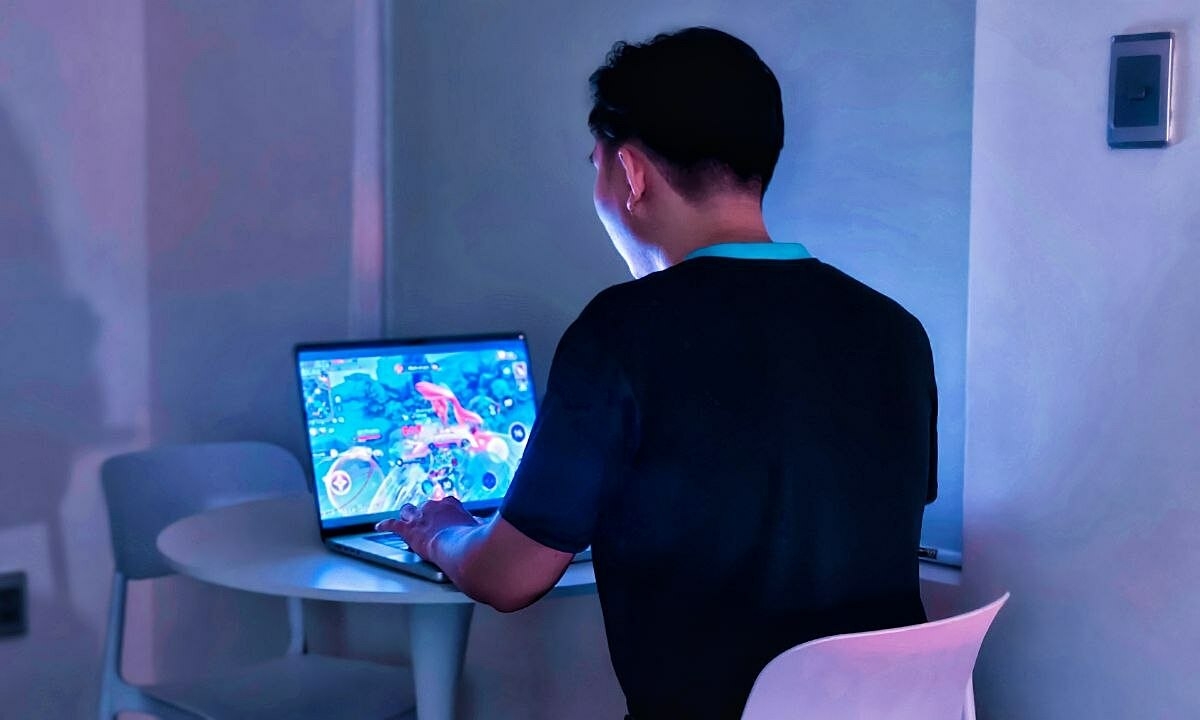
At 2:00 AM in the bustling heart of Ho Chi Minh City, the world outside Minh Anh’s window is silent, but his apartment remains illuminated by the cold, blue glow of a computer monitor. Minh Anh, a 28-year-old communications specialist, sits hunched over his desk, his hand gripping a mouse as he navigates a high-stakes online battle. In exactly six hours, he is expected to be at his office, sharp and ready for a new day of corporate demands. However, at this moment, the consequences of tomorrow feel distant and irrelevant. For the past 13 hours, Minh Anh’s life has not belonged to him; it was consumed by a relentless cycle of back-to-back meetings, client messages, pressing KPIs, and the constant firefighting of public relations crises.
His day began in a blur. Lunch was a rushed affair, eaten while staring at a spreadsheet. He didn’t cross the threshold of his home until 9:00 PM. By the time he had showered and finished a meager dinner, it was past 10:30 PM. His body was heavy with exhaustion, his eyes stinging from a day of digital strain, yet he refused to go to bed. "Is it possible that after a whole day of exhaustion, I don’t even have a little time for myself?" he whispered to the empty room. With that thought, he powered on his computer, initiating a ritual that millions of young professionals across the globe now recognize as "Revenge Bedtime Procrastination" (RBP).
Minh Anh is far from alone in this cycle of self-sabotage. In Tay Ninh, 32-year-old Mai experiences a different version of the same struggle. As a stay-at-home mother, her "workday" begins at 6:00 AM and does not pause until 7:30 PM. Her hours are measured in diapers, meal prep, cleaning, and the emotional labor of soothing two young children. It is only at 9:30 PM, once her husband and children are asleep, that she feels her life truly begins. Tucked into the corner of her sofa with a cup of milk tea, she scrolls through e-commerce sites or binges television dramas until 1:30 AM. "During these hours, the world belongs only to me," Mai explains. "No one is bothering me, and no one is demanding anything from me."
Understanding the Psychology of "Revenge" Sleep
Master of Clinical Psychology Vuong Nguyen Toan Thien, Professional Director of the Lumos Psychological Counseling and Therapy Center, identifies the behavior exhibited by Minh Anh and Mai as "Revenge Bedtime Procrastination." The term, which gained global prominence after going viral on social media, describes the deliberate decision to sacrifice sleep in order to reclaim personal time after a day where one feels they had little to no control over their schedule.
The core differentiator between RBP and standard insomnia or simple night-owl behavior is the element of awareness. Individuals suffering from RBP are acutely aware that their lack of sleep will result in negative consequences—fatigue, irritability, and decreased productivity—the following day. Yet, the psychological need for autonomy and self-directed activity overrides the basic biological necessity for rest. For many, staying up late is the only way to "get back" at a day that stole their freedom.
While not yet officially classified as a mental disorder in the DSM-5-TR or by the World Health Organization (WHO), the prevalence of RBP is reaching what experts call "alarming proportions." Recent surveys among young adults and students indicate that approximately 40% to 50% of respondents report high levels of RBP. There is a statistically significant correlation between daytime stress levels, technology addiction, and the frequency of sleep procrastination.
The Socio-Economic Drivers of the "Always-On" Culture
The rise of RBP is inextricably linked to the modern work environment, particularly for Gen Z and Millennials. In an era of hyper-connectivity, the boundaries between professional and personal life have become increasingly porous. With the advent of remote work and instant messaging platforms, employees are often expected to be "on-call" long after traditional office hours have ended.
A study published in the International Journal of Environmental Research and Public Health highlights that individuals with lower self-control capacities at the end of the day are the most vulnerable. When a person feels that their daytime hours "do not belong to them," they fall into the trap of trying to extend the day into the night. This is particularly prevalent in urban centers like Ho Chi Minh City or Hanoi, where the culture of "hustle" is celebrated, and taking time for oneself during daylight hours is often viewed as a lack of ambition.
For professionals like Minh Anh, the pressure is doubled: the need to meet performance targets and the social pressure to remain digitally connected. For parents like Mai, the pressure is domestic, where the labor of caregiving is often undervalued and relentless. In both cases, the night becomes the only "unclaimed territory" available for self-cultivation or simple relaxation.
The Physiological and Mental Toll of Chronic Sleep Debt
The "freedom" reclaimed at 2:00 AM comes at a staggering price. Research from 2023 published in Sleep Medicine Reviews provides a grim outlook for those who consistently sleep fewer than six hours per night. Chronic sleep deprivation increases the risk of cardiovascular disease by 48% and the risk of developing clinical depression by 35%.
Beyond long-term diseases, the immediate cognitive effects are devastating. When the brain is deprived of sleep, the prefrontal cortex—the area responsible for executive function, emotional regulation, and complex decision-making—begins to lose its agility. Reflexes slow down, and the threshold for emotional control is lowered. This explains why individuals like Mai find themselves increasingly irritable and forgetful during the day.
"I know my skin is getting dull, and I’m constantly snapping at my kids," Mai admits. "I see the damage, but when night comes, the urge to have those few hours of peace is stronger than the fear of being tired tomorrow."
This creates a "vicious cycle." A person stays up late to reclaim their life, wakes up exhausted, performs poorly at work or home, has to work longer or harder to catch up, feels even more drained and resentful by evening, and stays up even later to "compensate" for the miserable day. It is a feedback loop that erodes both physical health and mental well-being.
Breaking the Cycle: Strategies for Reclaiming the Day
Master Thien emphasizes that the solution to RBP is not found in simply "trying harder" to go to bed or using sheer willpower. Because the root cause is a lack of autonomy during the day, the solution must involve restructuring one’s relationship with time while the sun is still up.
-
Establishing Hard Boundaries: Experts suggest that the most effective way to combat RBP is to set firm boundaries between work and personal life. This may involve turning off work notifications at a specific hour or learning to say "no" to non-essential tasks that bleed into the evening. By protecting daytime "pockets" of peace, the psychological urge for "revenge" at night is diminished.
-
Scheduled Leisure: Instead of letting relaxation "leak" into sleep hours, individuals should proactively schedule 30 to 60 minutes of high-quality leisure during the day or early evening. When the brain perceives that it has already had its "me-time," the desperate need to stay awake past midnight loses its grip.
-
Digital Hygiene: The role of technology in RBP cannot be overstated. The "infinite scroll" of social media and the dopamine hits from gaming make it easy to lose track of time. Experts recommend a "digital sunset"—disconnecting from all electronic devices at least 30 to 60 minutes before the intended sleep time.
-
Consistency Over Intensity: Maintaining a fixed wake-up and sleep time, even on weekends, helps stabilize the body’s circadian rhythm. This biological consistency makes it easier for the brain to transition into sleep mode naturally, rather than fighting against a state of "tired but wired" hyper-arousal.
A Broader Societal Challenge
The struggle of Minh Anh and Mai is a microcosm of a larger societal shift. As the global economy demands higher productivity and constant availability, the human biological need for rest is being pushed to the margins. The phenomenon of Revenge Bedtime Procrastination is a silent protest against a lifestyle that many find unsustainable.
Minh Anh acknowledges that he needs to change, but he remains trapped in the immediacy of his schedule. "I don’t know where to start when my workday doesn’t end until 8:00 PM," he says. His sentiment echoes the paradox Master Thien describes: "People suffering from RBP don’t stay up late because they don’t want to sleep. They stay up late because they haven’t truly felt alive during the day."
As long as the "day" remains a space of obligation and external pressure, the "night" will continue to be a battlefield where millions fight to reclaim their humanity, one hour of lost sleep at a time. The true solution may lie not just in better sleep hygiene, but in a fundamental re-evaluation of how we value time, labor, and the right to rest in a modern world.