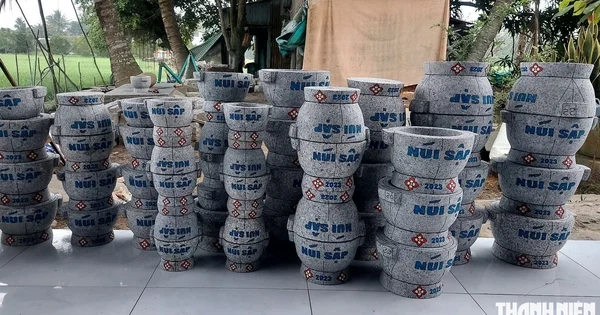
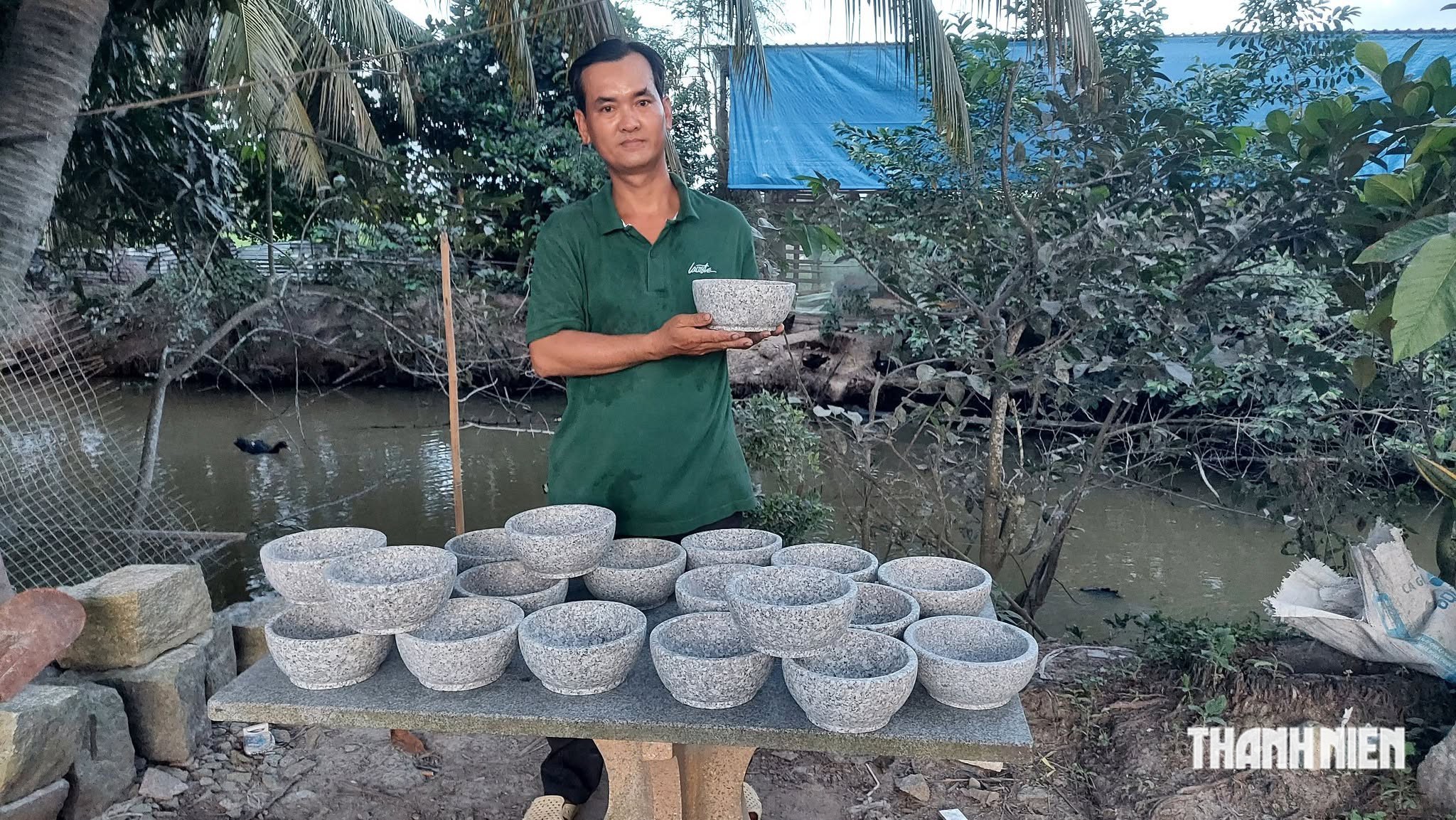
In the quiet, winding rural roads of Thoai Son District, An Giang Province, the rhythmic, metallic clatter of hammers hitting stone serves as a poignant reminder of a dying era. For decades, the region surrounding the Sap Mountain range was synonymous with the production of stone mortars, an essential kitchen implement for generations of Vietnamese families. Today, that legacy rests in the hands of a dwindling few, including Nguyen Ngoc Se, a 42-year-old artisan who has dedicated his life to preserving a craft that modernization nearly rendered extinct.
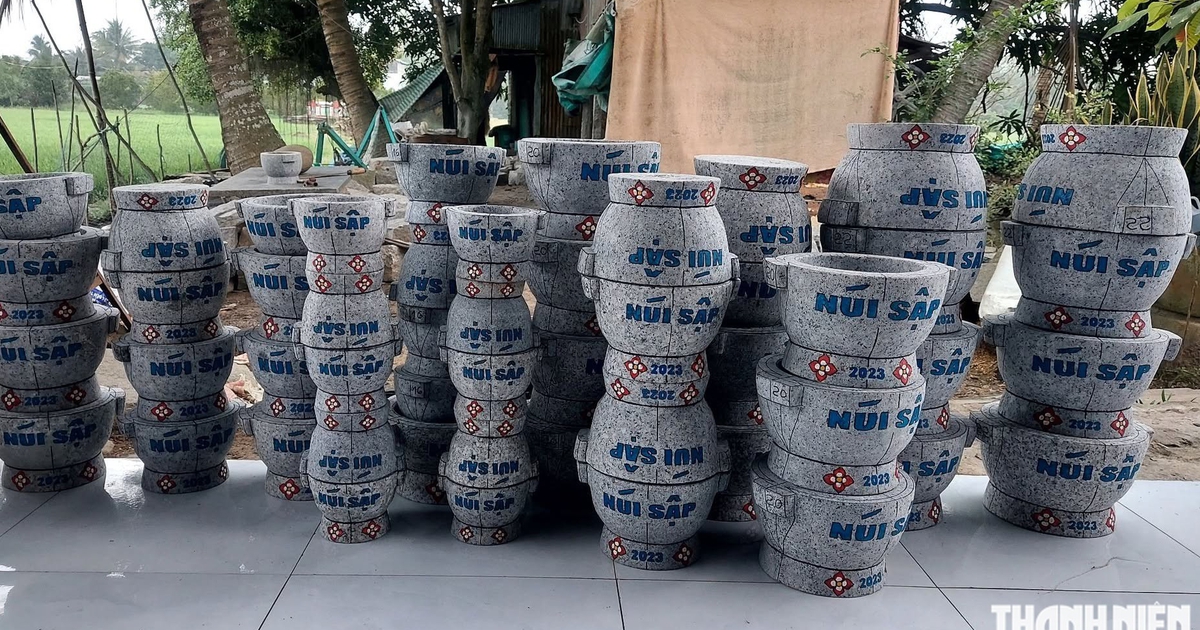
The evolution of household technology in Vietnam has been rapid. With the proliferation of electric blenders, food processors, and mass-produced kitchenware, the heavy, hand-carved stone mortar—once the heart of every rural kitchen—has been pushed to the periphery. Yet, in Thoai Son, a small but resilient community of stone workers continues to defy the march of time, transforming raw, jagged boulders into polished, functional art.
A Legacy Carved in Stone: The Historical Context
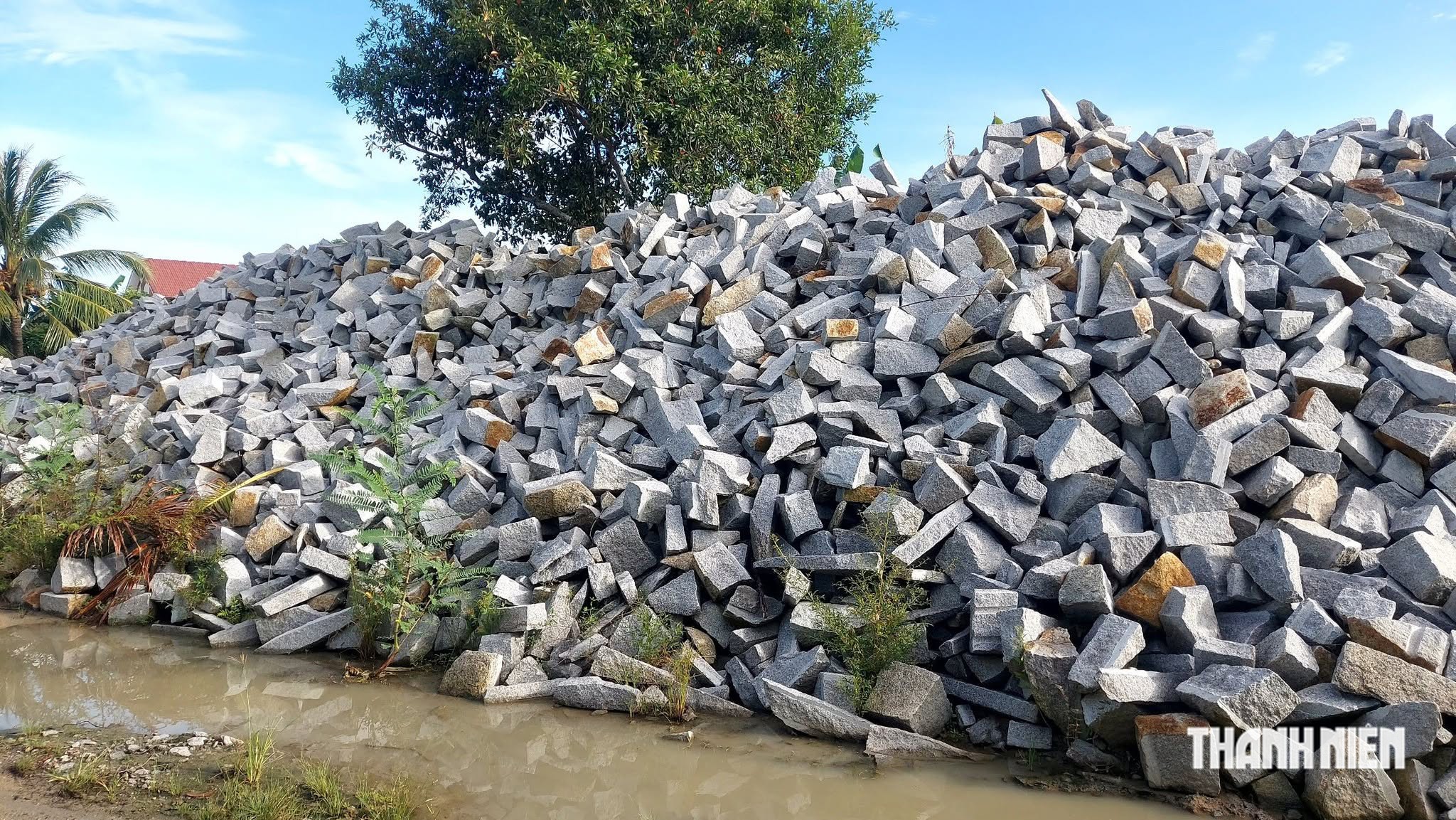
The tradition of stone mortar making in An Giang dates back over half a century. In the late 20th century, the Sap Mountain area was a bustling hub of activity. Local families carved stone into mortars to grind spices, process rice, and prepare traditional medicinal herbs. At its peak, the craft supported hundreds of households, providing a sustainable livelihood and a distinct cultural identity to the region.
However, the late 1990s marked a period of significant decline. The exhaustion of local mineral resources and the industrialization of food preparation meant that demand for manual stone tools plummeted. By 2001, in a bid to preserve the local environment, authorities officially halted stone quarrying operations at Sap Mountain. This regulatory shift acted as a final blow to many local workshops, forcing the majority of artisans to abandon their heritage in favor of more modern, stable professions.
The Journey of Nguyen Ngoc Se: From Exile to Revival
Nguyen Ngoc Se’s personal narrative mirrors the broader trajectory of the industry. Born into a family of stone carvers, he learned the trade from his father during his childhood. As the industry faltered in the mid-1990s, Se, like many of his peers, was forced to leave his home in search of employment. He spent two decades working various odd jobs in Vung Tau and Ho Chi Minh City.
It was not until 2016 that Se returned to his hometown. By sheer coincidence, he learned from a friend that there was a burgeoning niche market for traditional stone mortars. Consumers, nostalgic for the authentic taste of ingredients ground in stone, were beginning to seek out these artisanal tools. Sensing a chance to prevent his family’s trade from fading into history, Se made the calculated decision to restart the workshop.
“There were moments when I thought this craft was dead,” Se recalls. “But when I saw that there were still people searching for these mortars, I realized that if I didn’t step up, my father’s legacy would vanish forever.”
The Production Process: Where Precision Meets Physicality
Crafting a stone mortar is a labor-intensive process that demands both brute strength and a surgical eye for detail. The process begins with the procurement of high-quality stone, which is now sourced from the Hon Soc area in neighboring Kien Giang Province, as local extraction is no longer permitted.
The workflow involves several distinct stages:
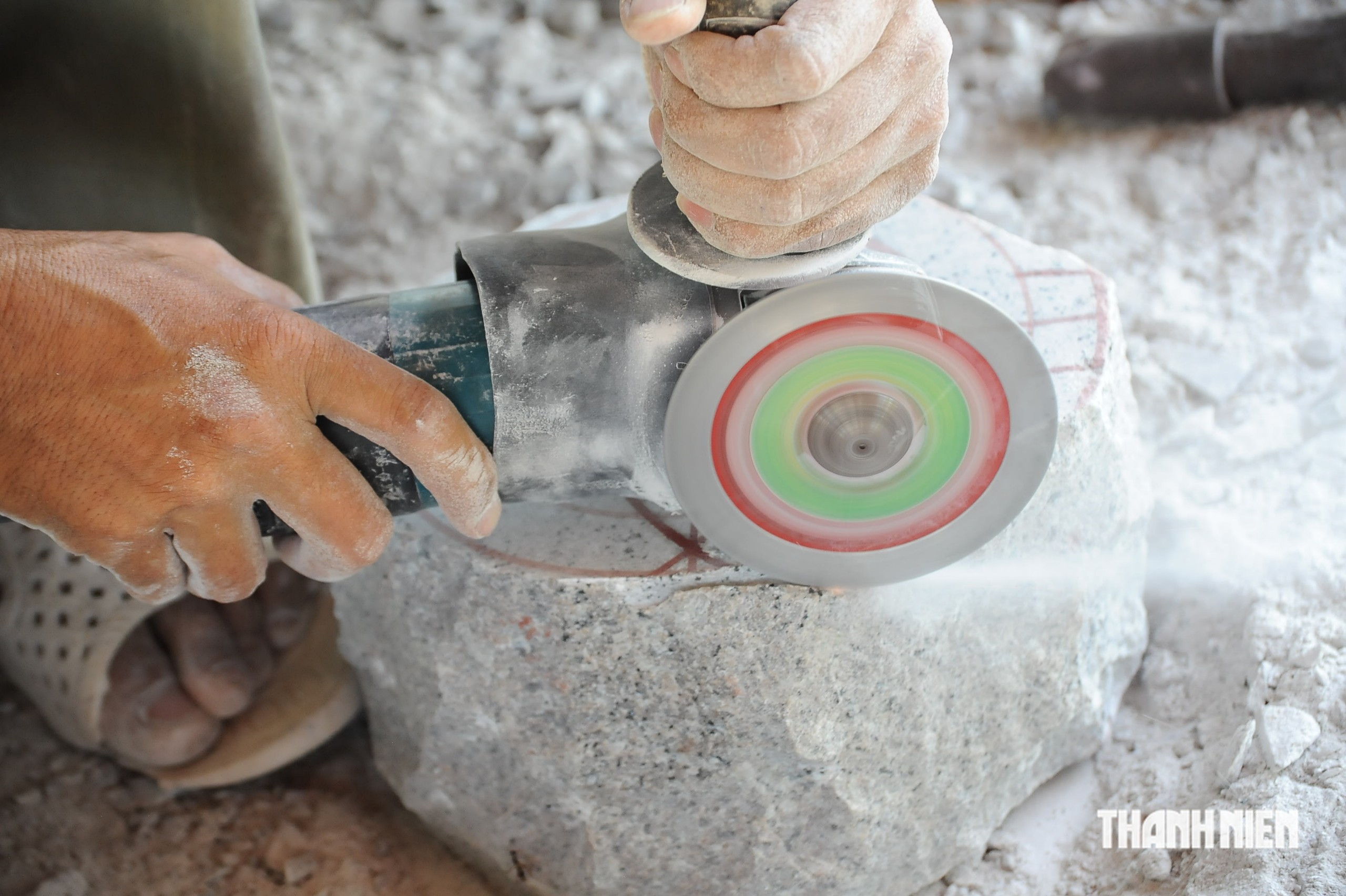
- Selection and Cutting: The artisan selects a block of stone, ensuring it is free of fractures or internal weaknesses.
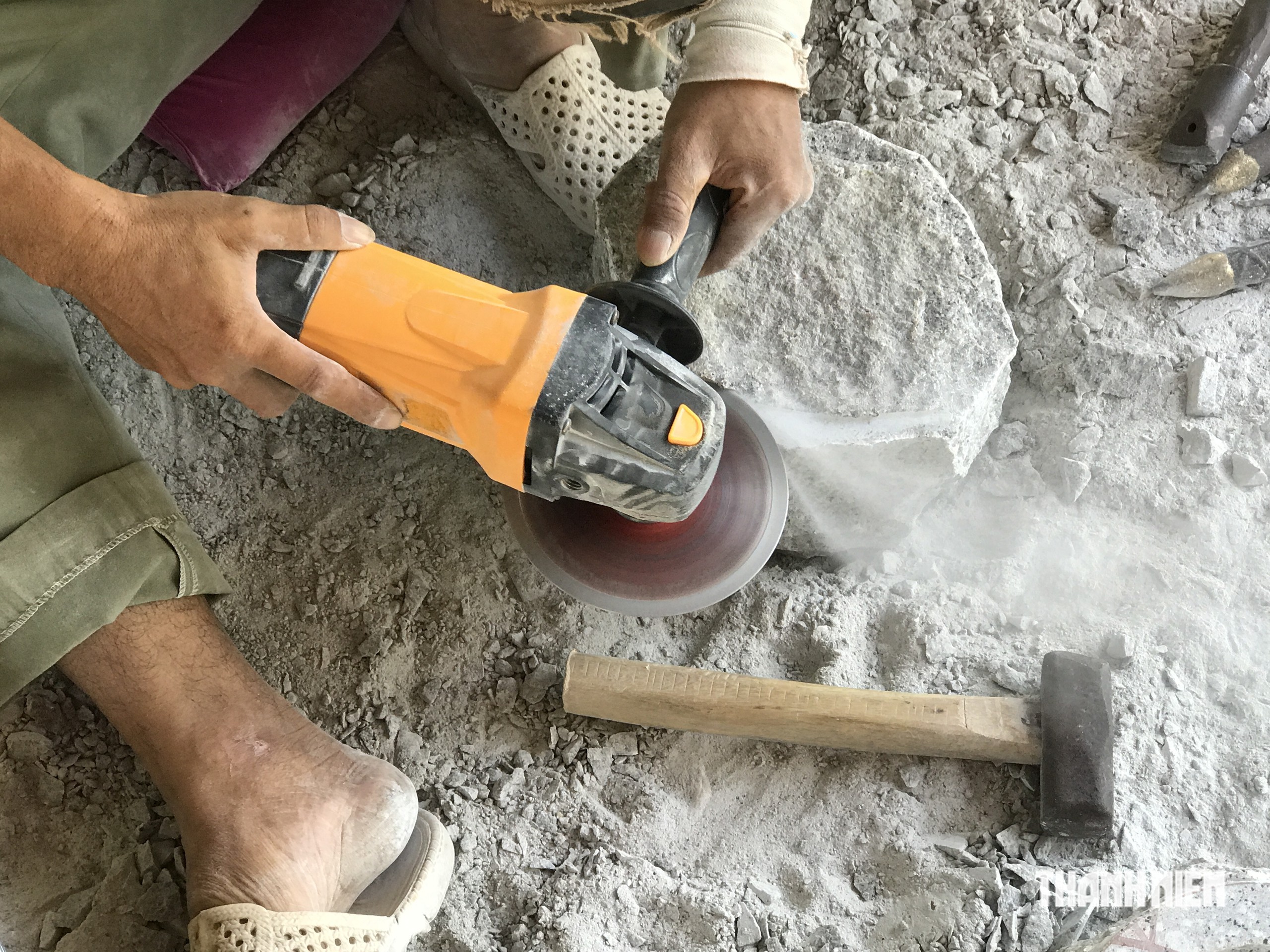
- Rough Shaping: Using heavy-duty power tools, the artisan cuts the block into a cylindrical form.
- Core Excavation: The center is hollowed out to create the bowl, a delicate phase that requires constant checking to ensure the depth and walls are consistent.
- Surface Finishing: This is the most critical stage. The interior and exterior surfaces are ground until they are smooth. According to Nguyen Thi Dieu, Se’s wife and business partner, the grinding process determines the quality of the product. If the surface is not perfectly uniform, the mortar will be difficult to clean and may harbor food particles.
- Polishing: A final polish brings out the natural luster of the stone, often revealing intricate veins and colors.
Technological Integration and Economic Realities
While the core techniques remain rooted in tradition, Se has embraced modern efficiency. Two years ago, he invested approximately 60 million VND (roughly $2,400 USD) in a suite of 12 specialized machines, including high-speed cutters, grinders, and drills.
This investment has significantly altered the output of his workshop. Previously, an artisan working manually could produce only one or two mortars per day. Today, with the help of machinery, Se’s facility can output eight to nine units daily, depending on the complexity of the design. These products are distributed to local grocery markets in the Sap Mountain area and shipped to provinces across the Mekong Delta, including Dong Thap and Can Tho.
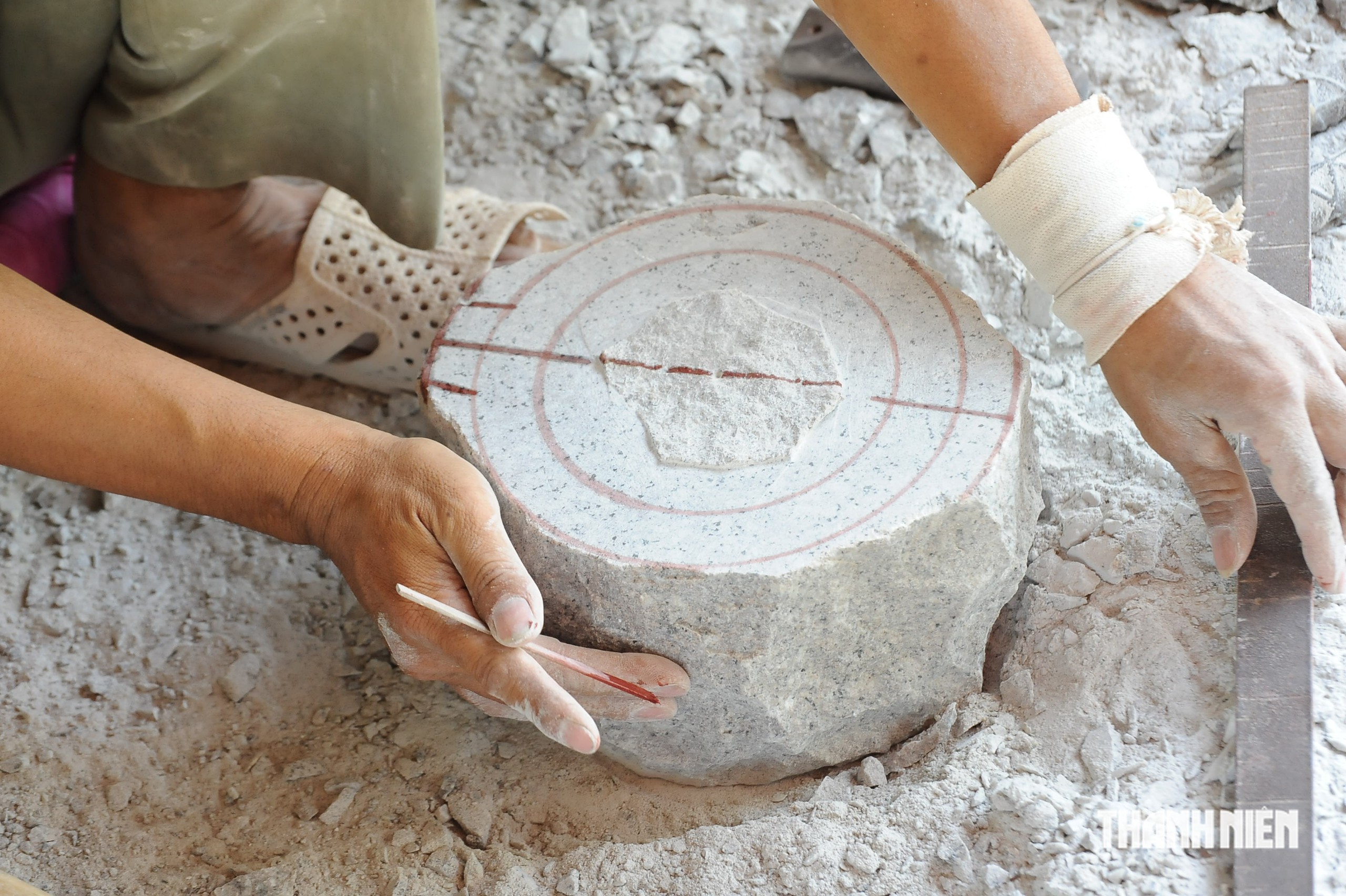
Despite the modernization of the tools, the human element remains irreplaceable. “Machines reduce the physical strain, but the skill—the ‘feel’ of the stone—remains entirely dependent on the artisan,” says Dieu. A single mistake during the carving process can render a stone block useless, highlighting the high risk inherent in the trade. Se himself bears the physical scars of the profession, having suffered injuries from flying shards during his years of manual labor.
Market Trends and Cultural Implications
The market for stone mortars has shifted from a necessity-driven demand to one rooted in aesthetics and culinary tradition. Sizes range from small 16-22 cm mortars for household spice grinding, priced at a few hundred thousand VND, to massive 60-cm, 300-kg decorative pieces that can cost upwards of 6 million VND.
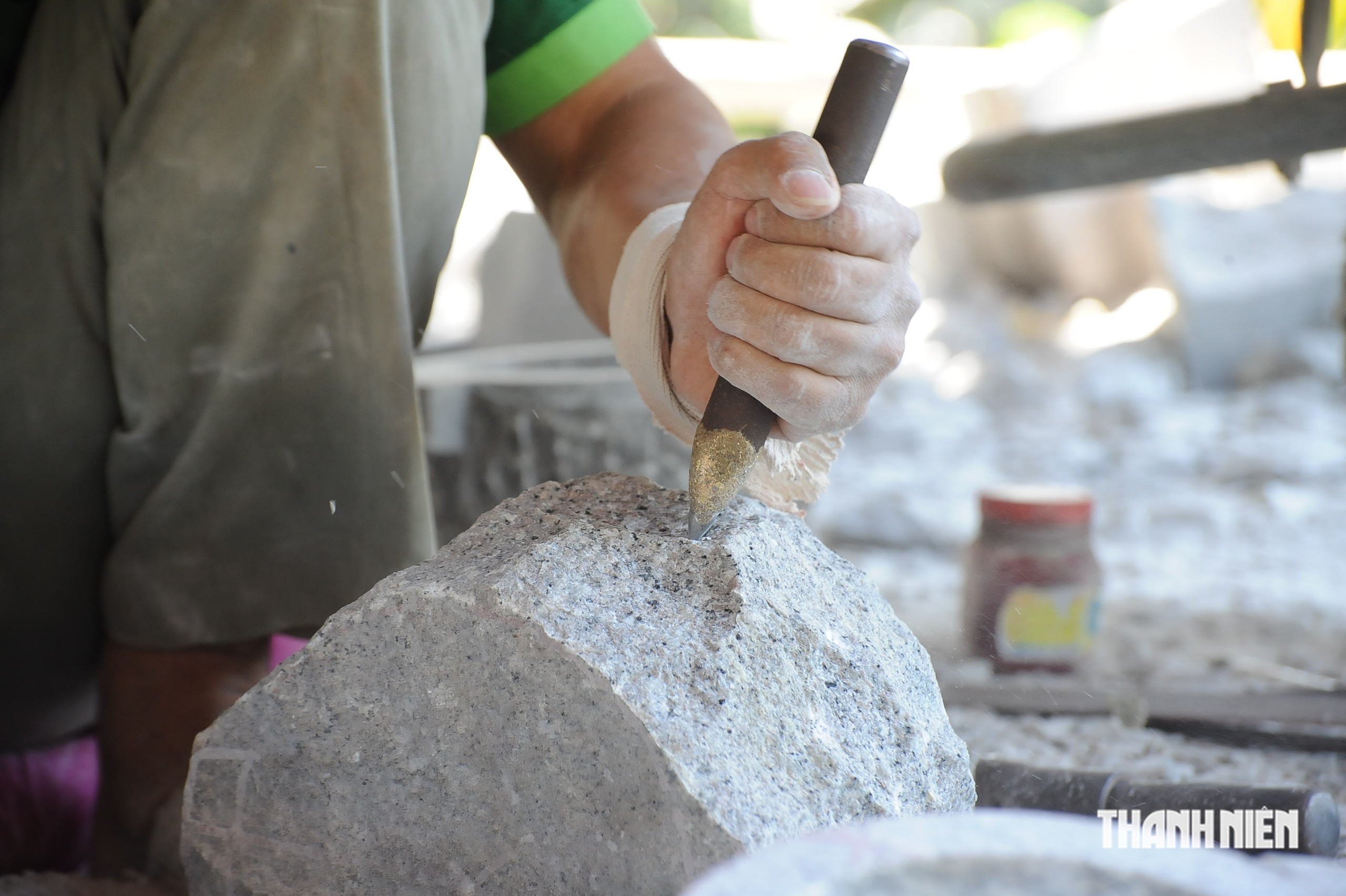
The largest mortars produced at the workshop have reached nearly one meter in diameter, weighing over 700 kilograms and commanding prices near 10 million VND. Beyond the kitchen, these large-scale pieces are increasingly commissioned as architectural accents in modern homes, with some clients pairing circular and square-shaped mortars to symbolize balance and prosperity—a concept deeply embedded in Vietnamese cultural philosophy.
Sustainability and the Future of the Craft
The economic viability of the craft is currently stable, with the workshop generating over 1 million VND per day during peak periods. More importantly, the craft is seeing a generational transfer. Se’s younger brother, Nguyen Phuc Huu, has spent the last two years learning the trade, effectively becoming a master artisan in his own right.
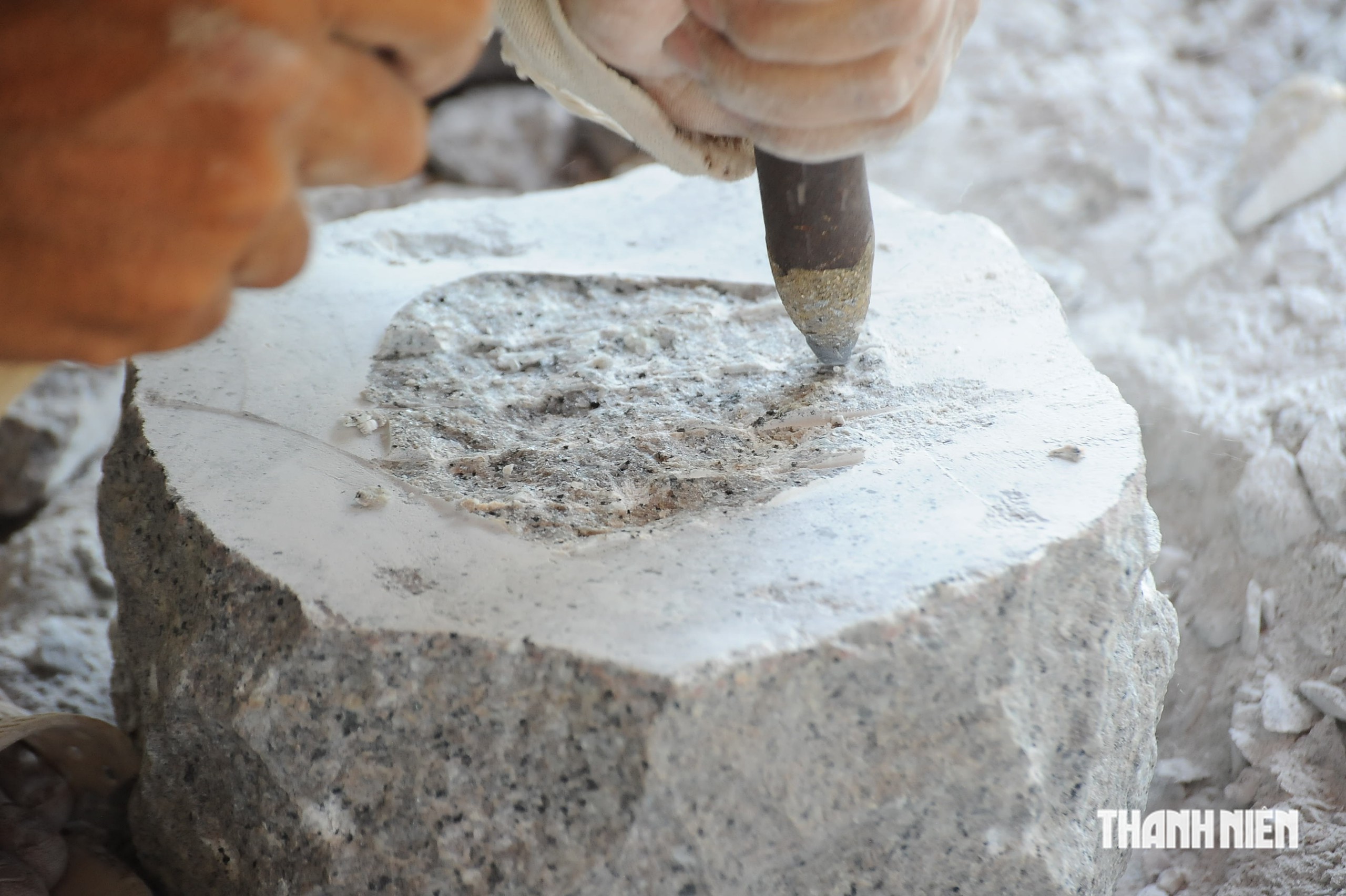
From a sociological perspective, the revival of the stone mortar industry in Thoai Son serves as a microcosm of how traditional crafts can survive in a modern economy. By identifying a niche market—those who value the authenticity of stone-ground food—and integrating modern technology to improve efficiency, these artisans have managed to preserve a cultural marker that connects the present generation to the rural life of their ancestors.
While the "clack-clack" sound of the mortar may no longer echo through every home, its survival ensures that the culinary heritage of the Mekong Delta remains tangible. As long as there is a demand for the distinct quality of stone-ground ingredients, the hammers of Thoai Son will continue to ring out, carving history into the landscape of the future.