Chi Chi Em Em 3 – A Critical Analysis of Director Nguyen Huu Hoang’s Latest 18+ Feature Film

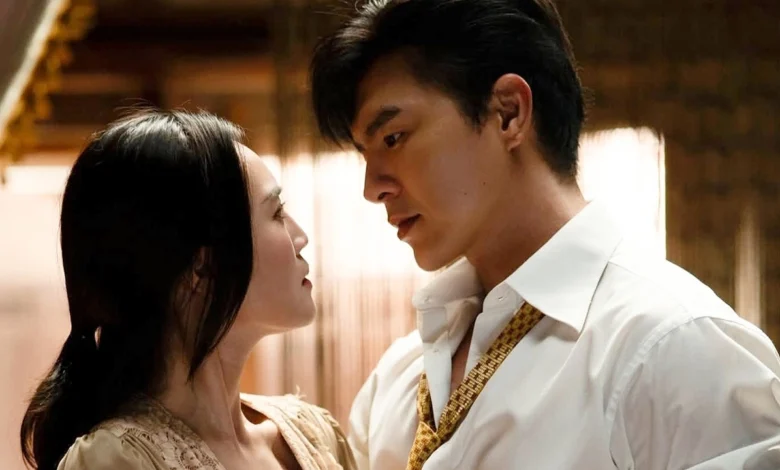
The Vietnamese cinema landscape has seen the release of the third installment in the prominent "Chi Chi Em Em" franchise, a series known for its exploration of complex female relationships, psychological tension, and high-stakes melodrama. Directed by Nguyen Huu Hoang, the latest entry, currently screening in theaters nationwide since October 30, has ignited a polarized conversation among film critics and audiences alike. Despite a strong commercial start, with box office data from Box Office Vietnam reporting approximately 65 billion VND in revenue within the first three days of release, the film has faced significant scrutiny regarding its narrative structure, character development, and the stylistic choices behind its 18+ classification.
The film serves as the latest expansion of a brand that has become synonymous with the "femme fatale" archetype in Vietnamese contemporary cinema. While the franchise’s previous iterations—the 2019 original directed by Kathy Uyen and the 2023 sequel by Vu Ngoc Dang—established a reputation for sleek production and intense interpersonal dynamics, this third chapter attempts to pivot toward a period-piece aesthetic, set against the backdrop of historical North Vietnam.
Plot Synopsis and Character Dynamics
The narrative follows the return of Thu Lieu (played by Lan Ngoc) to her hometown after a 15-year absence. Accompanied by her husband, Van Cuong (Steven Nguyen), Lieu arrives with a hidden agenda that slowly unravels. The plot centers on her reunion with a childhood friend, Van Tai (Quoc Anh), who is currently betrothed to her younger sister, Thu Mau (Ku Duyien).

What follows is a dense web of clandestine affairs, marital fractures, and power struggles. A secondary character, Thu Nuong (Chi Pu), is introduced as an individual harboring deep, unrequited feelings for Van Tai, creating a multi-layered conflict. Throughout the 122-minute runtime, the film attempts to deconstruct themes of social duty, traditional gender roles, and the restrictive nature of feudal morality. However, the execution of these themes has been a primary point of contention. Critics argue that while the premise holds promise, the film frequently collapses under the weight of its own ambition, leading to a screenplay that feels disjointed and lacking in emotional depth.
Chronology and Franchise Evolution
The "Chi Chi Em Em" franchise has followed a specific trajectory over the past several years, often serving as a barometer for the evolving tastes of the Vietnamese audience regarding mature-themed dramas:
- 2019: The original Chi Chi Em Em, directed by Kathy Uyen and starring Thanh Hang and Lanh Thanh, set the standard by focusing on a dark, psychological thriller narrative.
- 2023: Chi Chi Em Em 2, directed by Vu Ngoc Dang, took a historical turn, featuring Ngoc Trinh and Minh Hang in a narrative centered on the lives of famous beauties in the early 20th century.
- 2026 (October): Chi Chi Em Em 3 continues the brand’s exploration of female-centric narratives but moves into a more experimental, albeit criticized, stylistic territory.
The shift in tone between these films suggests a director-led approach to the franchise, where each installment functions more as a thematic exploration rather than a direct sequel in a continuous timeline. However, this third installment is unique in its attempt to synthesize traditional cultural aesthetics with a modern, high-octane 18+ narrative structure.
Box Office Performance and Audience Reception
According to industry trackers at Box Office Vietnam, the film’s financial performance has been robust, indicating that the brand name retains significant pull among the domestic audience. During its opening weekend, the film dominated the local box office, a testament to the star power of its lead cast and the anticipation generated by its marketing campaign.
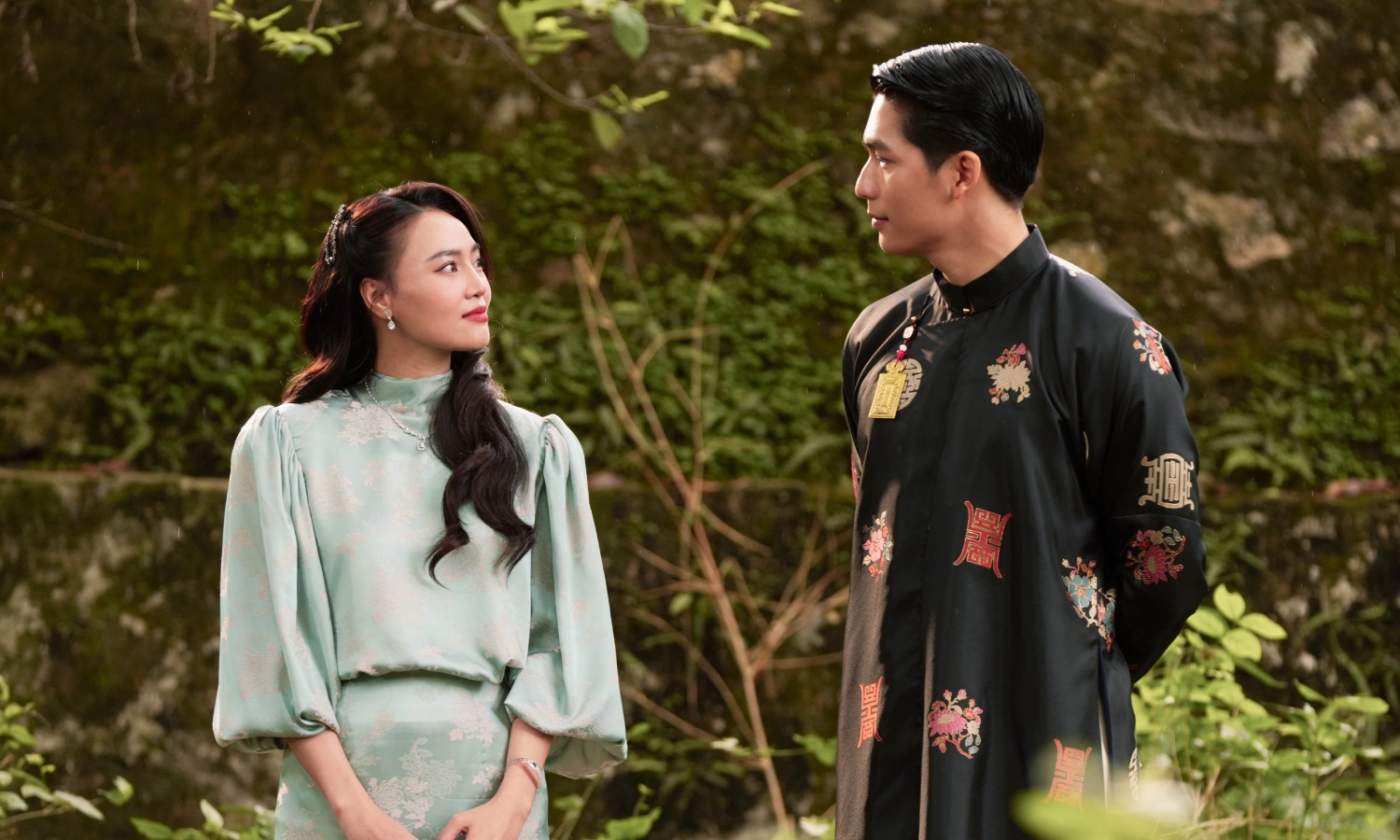
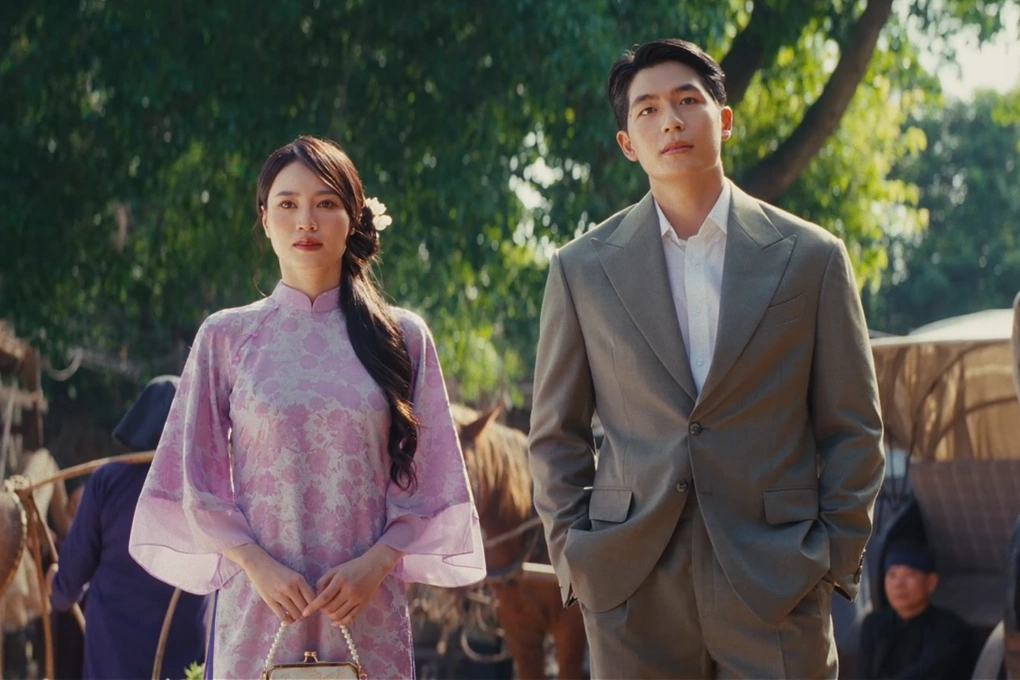
However, the disparity between commercial success and critical reception is notable. On social media platforms and film forums, viewers have expressed mixed reactions. While the cinematography and art direction—specifically the attention to period-accurate architecture, traditional costumes (from the ancient yem to early 20th-century dresses), and cultural motifs—have been lauded, the dialogue and pacing have drawn criticism.
Journalist Phong Viet, who has tracked the film’s release, noted that many of the character arcs feel underdeveloped. "The audience is rarely given a chance to witness a genuine evolution of the characters," Viet remarked. "Instead, we are presented with a series of frantic, often illogical choices that feel engineered to serve the plot rather than the internal logic of the individuals on screen."
Critical Analysis: The 18+ Dilemma
The film’s 18+ classification has become a focal point of the critical discourse. While the rating is ostensibly intended to protect younger audiences from mature content, many critics have argued that the inclusion of "steamy" or explicit scenes feels gratuitous rather than integral to the narrative.
Film critic Phuc Tran highlighted that several of these scenes, particularly those involving the characters Van Cuong and Thu Nuong, could have been excised entirely without impacting the core plot or character motivations. This leads to the broader implication that the film’s reliance on explicit imagery may be a stylistic crutch used to compensate for a lack of narrative cohesion. The film often pivots abruptly from moments of high psychological stakes to scenes of intimate, yet emotionally detached, interaction, which serves to jar the viewer rather than immerse them in the character’s internal conflict.
Technical and Performative Shortcomings
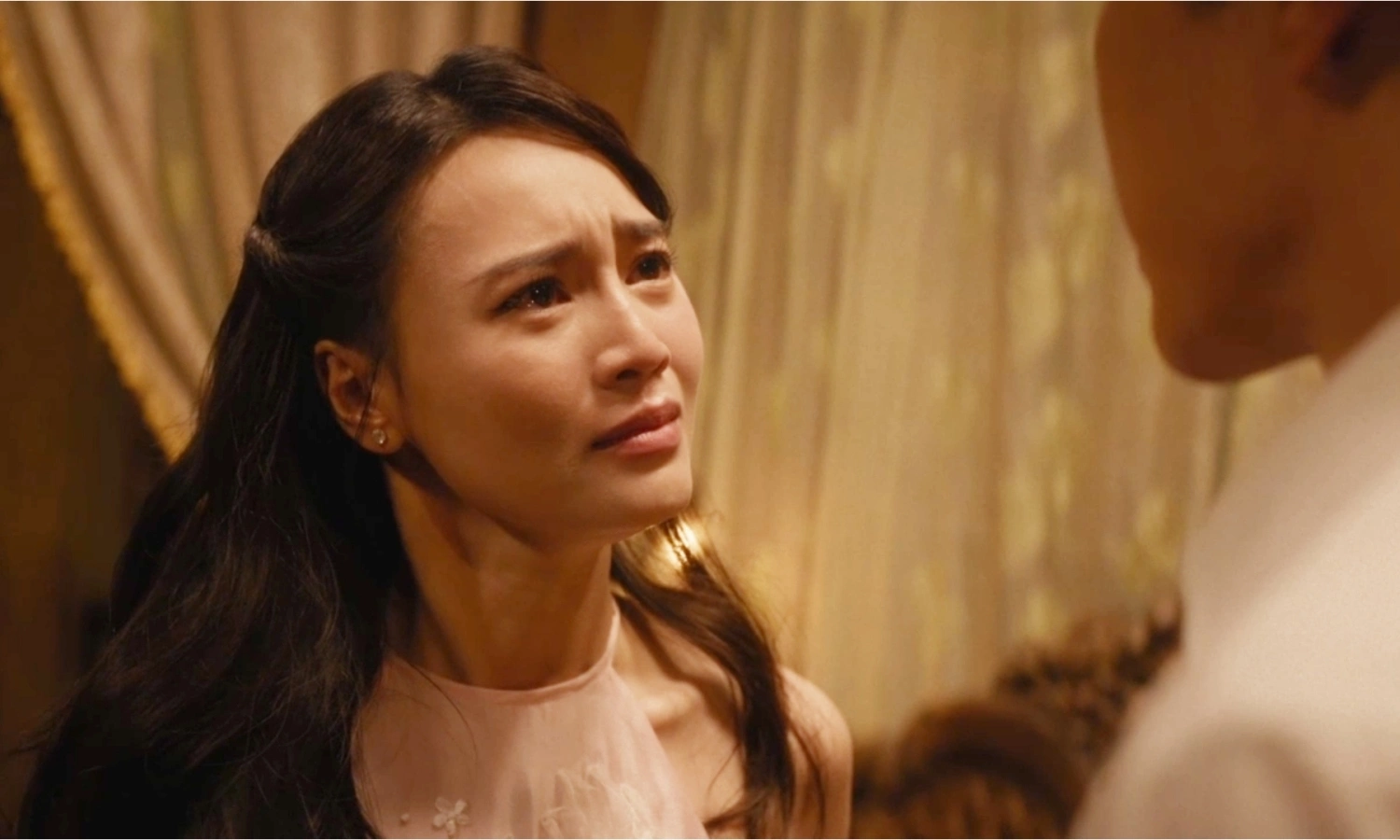
The acting performances have also been a subject of rigorous debate. Lan Ngoc, playing the central role of Thu Lieu, is widely considered the film’s anchor. Her performance, characterized by an emphasis on subtle facial expressions and ocular focus, provides a necessary grounding for the otherwise chaotic script. She successfully portrays the duality of a woman who is both a victim of her past and a perpetrator of her own machinations.
Conversely, the supporting cast has struggled to maintain the same level of consistency. Critics have noted that Ku Duyien’s dialogue delivery often feels stiff or unnatural, lacking the necessary emotional range required for the film’s climactic moments. Similarly, the male leads, Quoc Anh and Steven Nguyen, have been described as delivering "functional" performances that do not necessarily elevate the material they are given. The reliance on melodramatic tropes, such as sudden shifts in character loyalty and unexplained changes in motivation, has left many viewers feeling disconnected from the ultimate resolution of the story.
Broader Implications for Vietnamese Cinema
The reception of Chi Chi Em Em 3 raises important questions about the direction of genre-based filmmaking in Vietnam. The industry is currently in a phase where high-budget, star-studded productions are common, yet there remains a significant gap between technical production quality and screenwriting standards.
The success of the "Chi Chi Em Em" series suggests that there is a massive appetite for films that explore the darker, more complex facets of human relationships. However, the critical failure of the third installment to provide a coherent, compelling narrative suggests that aesthetic beauty and star power are insufficient to sustain a franchise. If future installments are to succeed, there may need to be a shift in focus toward tighter, more character-driven screenplays that respect the audience’s intelligence and emotional investment.
Conclusion
As the film continues its theatrical run, its legacy will likely be defined by the tension between its commercial success and the artistic shortcomings identified by critics. While it stands as a testament to the high production values now possible within the Vietnamese film industry, it also serves as a cautionary tale regarding the necessity of a well-structured narrative. For the producers, the challenge lies in reconciling the franchise’s commercial viability with the need for authentic storytelling that transcends the superficial requirements of its 18+ rating. Ultimately, Chi Chi Em Em 3 is a visual triumph that serves as a reminder that even the most compelling premise requires a solid foundation of character growth and logical pacing to truly resonate with a discerning audience.