Navigating Organ Donation Protocols in Vietnam: Consent Requirements, Legal Frameworks, and Rising Public Awareness

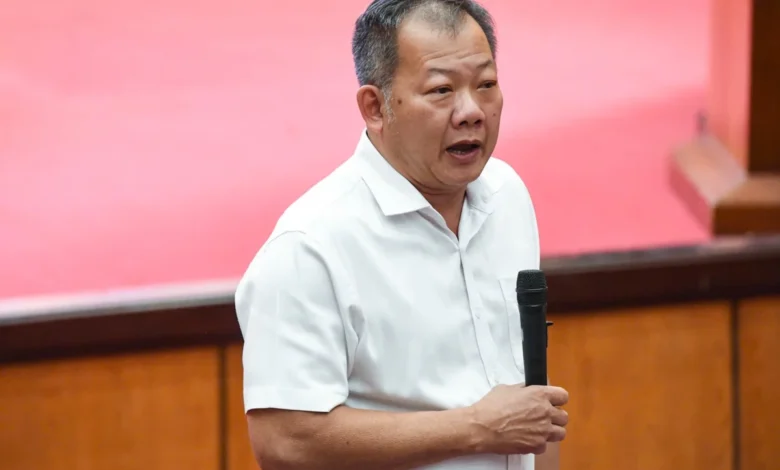
The landscape of organ donation and transplantation in Vietnam has faced renewed public scrutiny following viral social media discussions regarding registration procedures, prompting leading medical experts to clarify the strict legal prerequisites required for harvesting organs from deceased donors. Speaking on the matter, PGS.TS Duong Duc Hung, Director of Viet Duc Friendship Hospital in Hanoi, emphasized that the fundamental and non-negotiable prerequisite for acquiring organs from a brain-dead individual is the explicit, written consent of the patient’s family. While individual expressions of intent or online registrations made during a person’s lifetime serve as valuable emotional compasses for grieving relatives, they cannot legally substitute for formal family authorization at the time of tragedy.
The clarification comes in response to unverified information circulating widely on social platforms, which suggested that simply possessing a digital citizen identification card coupled with a registration to donate organs would suffice for procurement. Such rumors caused widespread confusion and anxiety among citizens regarding the exact procedural requirements mandated by Vietnamese law. Medical professionals have stepped forward to demystify these protocols, highlighting the intricate balance between honoring a deceased individual’s altruistic wishes and respecting the emotional and legal rights of surviving family members.
The Role of Lifetime Registration and Family Consent
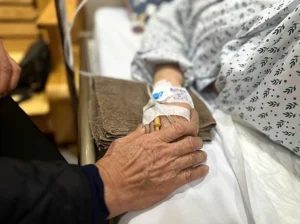
According to physicians directly involved in counseling families during moments of profound crisis, prior registration significantly eases the complex psychological burden placed upon relatives. In Vietnamese culture, deeply rooted values of filial piety and the ethical imperative to honor a departed loved one’s final wishes heavily influence decision-making. When a deceased individual has previously expressed or registered a clear desire to donate their organs, families exhibit a much higher tendency to respect that legacy of generosity.
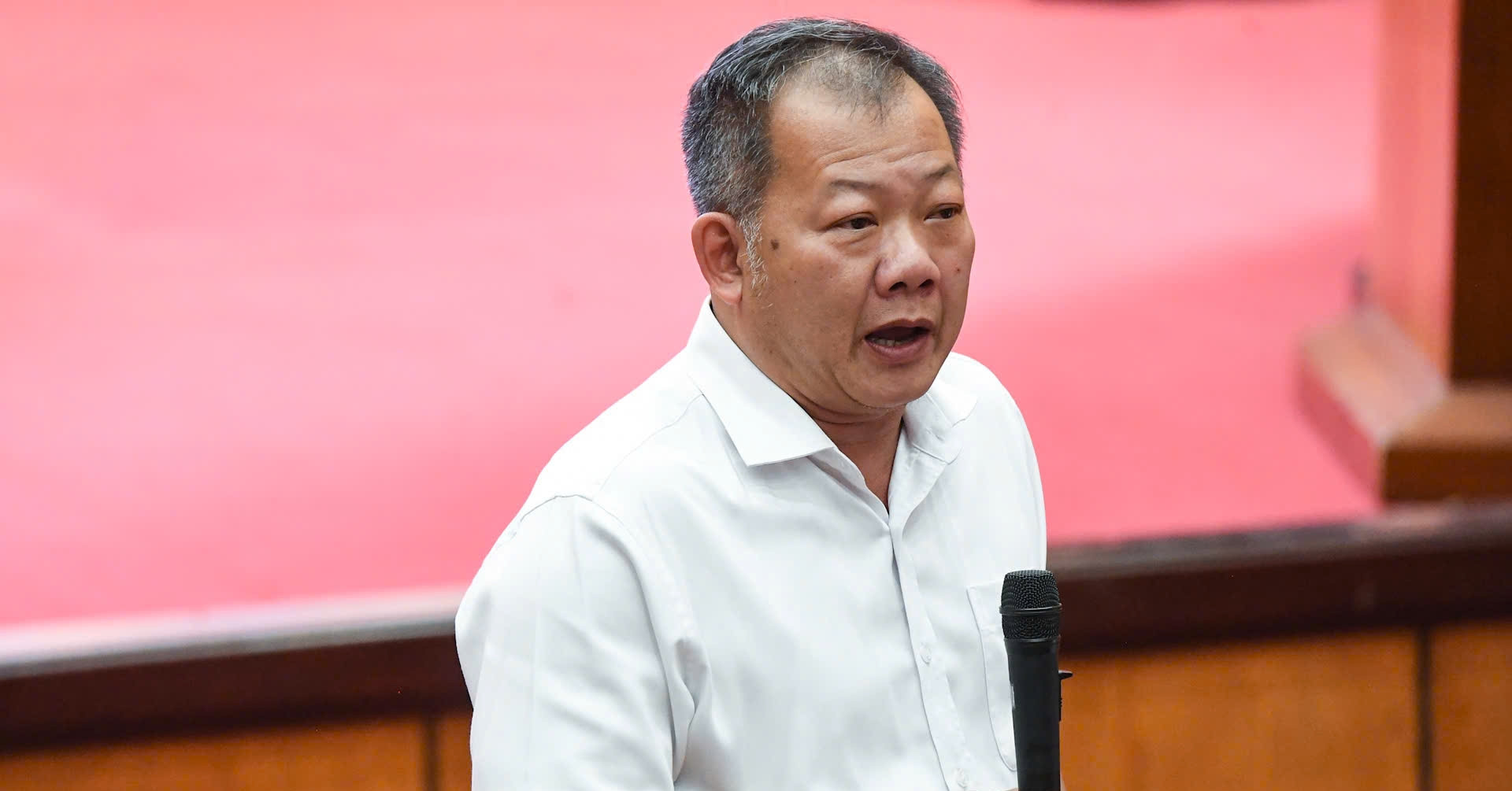
Nevertheless, the legal framework strictly mandates that the final decision rests with the immediate family in the form of signed, documented consent. Doctors note that even when an individual carries a donor card or has openly discussed their intentions, medical teams dedicate substantial time and empathy to guiding the family through the grief process. Rather than acting as a legally binding standalone contract, a lifetime registration functions as a powerful moral testament that reassures relatives, often transforming initial hesitation into a profound act of community solidarity.
Three Decades of Progress: Statistics and Growth in Cadaveric Donation
Vietnam’s organ transplantation journey spans over three decades, marked by remarkable surgical milestones but historically hampered by a severe shortage of available donors. Since the inception of the national transplant program, the country has successfully performed roughly 11,000 transplantation procedures. However, the overwhelming majority of these surgeries have relied on living donors—individuals willing to part with a kidney or a portion of their liver to save a relative.
Data from the National Coordinating Center for Human Organ Transplantation reveals that until recently, cadaveric donations accounted for an extremely modest fraction of overall procedures, hovering consistently below 5 percent prior to 2023. A transformative shift has since begun to unfold. By 2024, the proportion of organ donations originating from brain-dead patients climbed to 12.9 percent, and preliminary data for 2025 indicates a further rise to 18.9 percent. This represents a nearly fourfold increase compared to historical baselines, reflecting intensive public awareness campaigns, enhanced hospital coordination, and a gradual cultural evolution regarding end-of-life decisions.
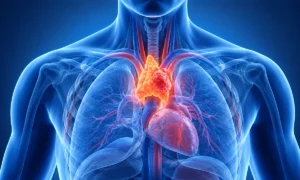
Despite this encouraging momentum, Vietnam’s cadaveric donation rate remains low relative to global standards and the immense domestic demand. Medical authorities estimate that a single brain-dead donor can save or dramatically improve the lives of eight to ten recipients through the provision of hearts, livers, kidneys, lungs, and tissue structures. With thousands of patients lingering on waiting lists, expanding the pool of deceased donors remains an urgent public health imperative to alleviate the crushing societal and economic burdens associated with end-stage organ failure.
The Catalyst of National Leadership and Community Mobilization
A significant turning point in public engagement occurred following high-level appeals from national leadership, most notably a prominent national call to action issued by Prime Minister Pham Minh Chinh in May 2024. The personal involvement of high-ranking government officials, including Minister of Health Dao Hong Lan and various prominent cultural figures who publicly registered as organ donors, catalyzed a powerful grassroots movement across Vietnamese society.
Minister Dao Hong Lan has repeatedly underscored that upcoming legislative updates are being meticulously designed to dismantle systemic bottlenecks that have persisted after two decades of enforcing the initial organ donation laws. Crucially, the foundational ethos of these reforms remains anchored in absolute voluntary participation—ensuring that organ donation is framed purely as an act of profound humanitarian grace, devoid of coercion, administrative pressure, or financial incentives.
Viet Duc Friendship Hospital stands at the forefront of this national movement, managing the highest volume of brain-dead donor cases in the country. Hospital leadership notes that the visible surge in registrations reflects a profound shift in societal consciousness, where altruism and communal responsibility are increasingly prized. To date, approximately 170,000 Vietnamese citizens have officially registered their intent to donate organs following their passing, establishing a robust foundation for future medical interventions.
Rigorous Protocols for Brain Death Determination
To safeguard public trust and ensure absolute transparency, the medical procedures governing brain death diagnosis and organ procurement in Vietnam adhere strictly to rigorous, standardized protocols dictated by national law. The evaluation process is neither hasty nor arbitrary; it requires a systematic multidisciplinary approach designed to eliminate any margin of error.
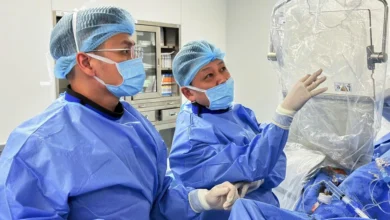
At facilities like Viet Duc Friendship Hospital, the determination of brain death requires a cumulative series of three independent clinical evaluations conducted by specialized medical boards. These examinations are spaced at mandatory six-hour intervals and must correlate seamlessly with relevant neurological and physiological clinical markers. Following the third and final evaluation, if the clinical metrics conclusively meet the statutory definition of brain death, the medical team proceeds to perform advanced cerebral angiography.
Imaging diagnostics must definitively confirm the complete cessation of intracranial blood circulation, ensuring that no oxygenated blood is nourishing the brain tissue. This conclusive imaging serves as the definitive empirical foundation for an independent professional medical council to issue a formal certification of brain death. Throughout this delicate window, hospitals are legally mandated to meticulously archive comprehensive medical records, ensuring readiness for internal audits, regulatory inspections, and transparent information sharing with the donor’s family.
Broader Implications and Future Outlook
The evolving narrative around organ donation in Vietnam highlights a critical intersection between modern medical science, legal integrity, and cultural traditions. As legislative bodies deliberate on refining the legal frameworks governing tissue and organ harvesting, the primary challenge no longer lies solely in overcoming legislative voids, but rather in nurturing a sustainable ecosystem of trust between healthcare institutions and the public.
By maintaining uncompromising standards in clinical diagnosis, championing transparent communication with grieving families, and reinforcing the principle of absolute voluntarism, Vietnamese medicine is steadily bridging the gap between life-saving potential and societal readiness. The rising donation statistics from 2024 and 2025 offer a hopeful glimpse into the future—a future where the tragic loss of a single life can reliably blossom into multiple stories of renewal, fundamentally transforming the landscape of modern healthcare in Vietnam.