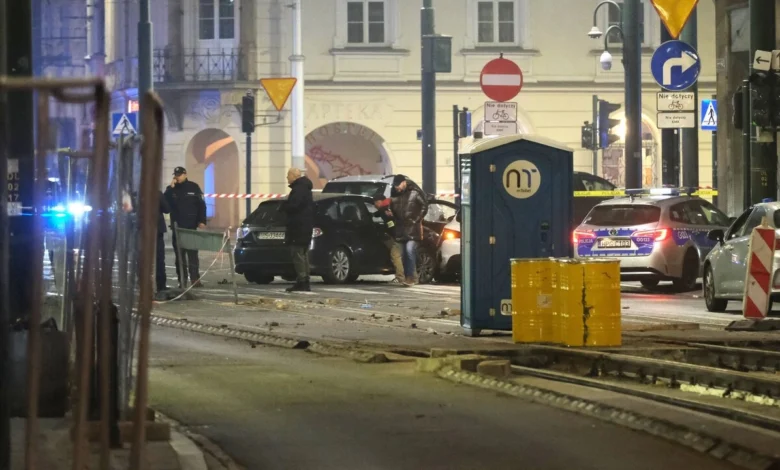
Krakow, the historic cultural capital and second-largest city in Poland, was plunged into a state of shock and mourning on November 7 following a horrific shooting rampage in its bustling city center. The incident, which unfolded in the mid-afternoon, left at least five people dead and more than ten injured, marking one of the most violent episodes in the nation’s recent history. Authorities have launched an extensive investigation into the motive behind the attack, which has prompted immediate national concern regarding public security in a country that has historically maintained low rates of violent crime.
Chronology of the Tragedy
The security services in Krakow received the first reports of the incident at approximately 3:00 PM local time. According to preliminary reports, a lone suspect, dressed in tactical-style clothing, arrived at a primary central square and began firing indiscriminately at bystanders. The chaos that ensued prompted an immediate lockdown of the surrounding areas as local police and tactical units converged on the scene.
The response from law enforcement was rapid. As police attempted to neutralize the threat, the gunman engaged officers in a firefight, resulting in injuries to two police personnel. The suspect, having sustained gunshot wounds during the exchange, was eventually subdued and taken into custody. He was subsequently transported to a local hospital under heavy guard. As of the time of reporting, the identity of the assailant remains under investigation, and police have not yet released details regarding his background or potential affiliations.
The Scale of the Incident
While the death toll currently stands at five, medical facilities in Krakow have been overwhelmed as they treat more than ten victims who sustained various injuries, ranging from gunshot wounds to trauma caused by the ensuing panic. Local hospitals have issued urgent appeals for blood donations, and emergency services remain on high alert.
The choice of location—a central square frequently visited by tourists and residents alike—has exacerbated the psychological impact of the event. Security cordons remain in place across the city center as forensic experts continue to process the scene, collecting evidence and interviewing witnesses who were present when the gunfire erupted.
Official Responses and Government Action
Prime Minister Donald Tusk addressed the nation shortly after the event, describing the shooting as a “tragic and incomprehensible act.” Tusk confirmed that he is in constant communication with the Minister of the Interior and Administration, who is personally overseeing the investigation. The Prime Minister underscored that the government is treating the situation with the highest level of priority, emphasizing that every effort is being made to determine the circumstances that led to the violence.
Waldemar Zurek, a senior representative within the justice system, echoed these sentiments, promising a thorough and transparent legal process. "We will ensure that the perpetrator faces the full force of the law," Zurek stated during a press briefing. "The safety of our citizens is paramount, and we will do everything in our power to hold those responsible for this atrocity accountable."
While there has been no immediate claim of responsibility from any domestic or international group, intelligence agencies are currently reviewing the suspect’s digital footprint and personal history to determine if this was a premeditated act of terror or an isolated incident of extreme violence.
Contextualizing Violence in Poland
Poland has long been considered one of the safer countries within the European Union, characterized by low levels of gun violence and public disorder. Unlike several other Western nations, Poland maintains strict gun control laws, making firearm-related fatalities a rare occurrence. This makes the Krakow shooting particularly jarring for the Polish public.
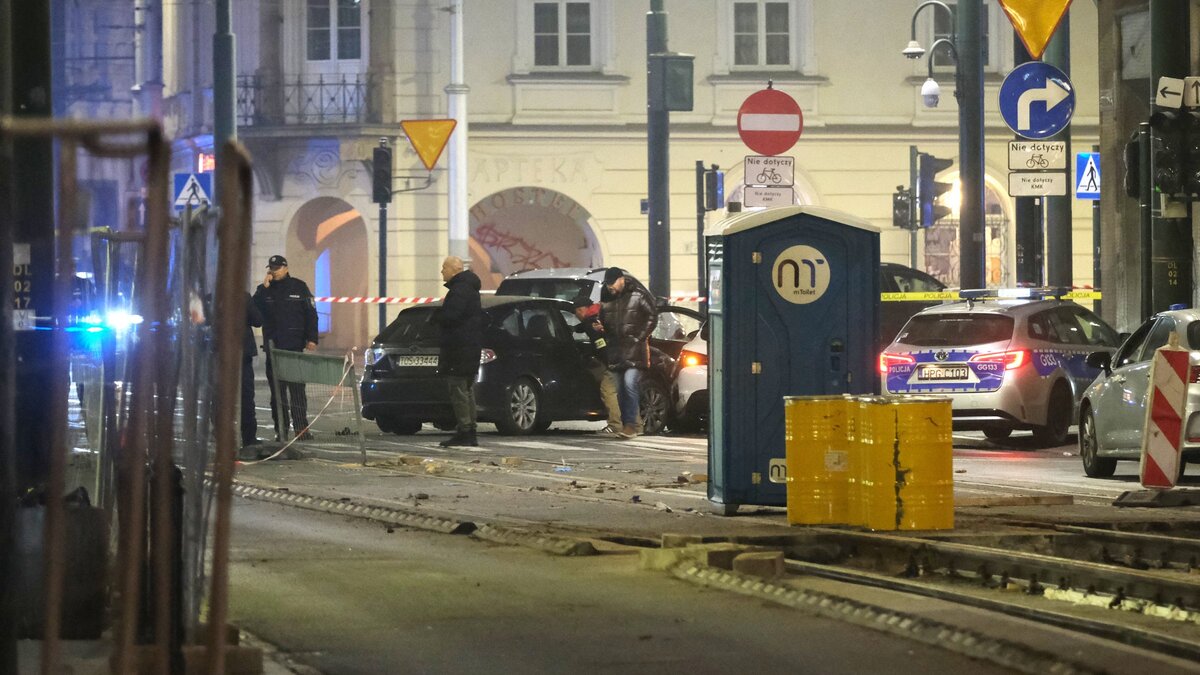
However, the event follows a period of heightened social and political tension. In October, the country experienced a series of stabbing incidents that prompted Prime Minister Tusk to warn against the rise of what he termed "militant ideologies." These prior incidents had already led to a state of high alert among security forces, with increased patrols in major metropolitan areas. The shooting in Krakow now raises difficult questions about whether these isolated acts are symptomatic of a broader societal shift or an emerging trend of localized radicalization.
Implications for Public Security and Policy
The implications of the Krakow tragedy are likely to be far-reaching. The government is expected to face intense pressure to review and potentially tighten security protocols in public spaces. Debate is already brewing within the Polish Parliament regarding the necessity of increased surveillance and the presence of armed security in city centers.
Furthermore, the incident occurs at a sensitive time for Poland, which serves as a key NATO member and a frontline state in the current geopolitical climate of Eastern Europe. While there is no current evidence linking this shooting to external national security threats, the psychological vulnerability of the population is a significant concern for the current administration.
Security analysts point out that the ease with which the perpetrator accessed the central square—and the equipment he was wearing—will form the core of the government’s post-incident review. There is also a focus on the mental health aspect, as investigations into mass shootings often reveal histories of systemic isolation or psychological distress.
Societal Impact and Mourning
As the city of Krakow begins to process the trauma, the national mood is one of profound grief. Public vigils are being organized, and local leaders have called for unity in the face of what is being viewed as an attack on the fabric of Polish society. Schools and businesses near the site of the shooting have suspended operations, and many residents have expressed a newfound anxiety regarding public gatherings.
The international community has also begun to weigh in, with various EU leaders expressing their condolences and offering assistance in the investigation. The European Commission has signaled its support for the Polish authorities, acknowledging the severity of the challenge the government faces in maintaining order while preserving the open nature of Polish public life.
Future Outlook
As the investigation progresses, the focus will shift from the immediate containment of the site to the long-term legal and social repercussions. The identity and potential motive of the suspect are the most critical pieces of information awaited by the public. Should the investigation reveal links to organized extremism or political motivations, it could trigger a significant shift in Polish internal policy and policing strategies.
For now, the priority remains the recovery of the survivors and the provision of support to the families of the victims. The government’s ability to handle the aftermath of this tragedy will be a test of its stability and its capacity to protect its citizens from the changing nature of public violence in the 21st century.
The tragedy in Krakow serves as a somber reminder that no society is entirely immune to the specter of sudden, senseless violence. As Poland navigates this difficult chapter, the resilience of its institutions and the unity of its people will be the primary defenses against further erosion of the peace that the nation has worked so hard to maintain. The coming days will likely bring more details to light, but the memory of this day will undoubtedly leave a lasting mark on the cultural and political landscape of Krakow and the nation as a whole.