Understanding HDL Cholesterol: Why Low Levels of "Good" Cholesterol Pose Health Risks and How to Improve Them

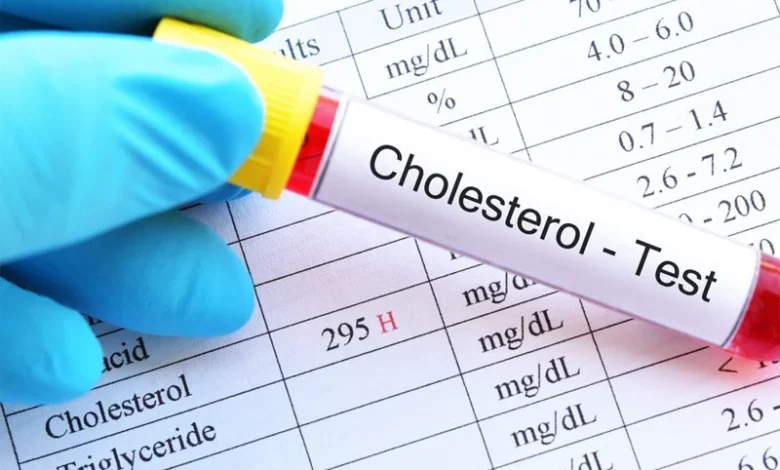
In routine lipid panel blood tests, public attention is almost exclusively hijacked by metrics associated with cardiovascular danger: total cholesterol, Low-Density Lipoprotein Cholesterol (LDL-C), and triglycerides. Medical awareness campaigns have spent decades warning populations about the perils of high cholesterol, anchoring the belief that any elevated fat molecule in the bloodstream spells trouble for the heart. However, cardiovascular health is a delicate balancing act of opposing physiological forces, and focusing solely on lowering harmful lipids offers an incomplete picture. Hidden within the standard lipid profile is a vital metric that often flies under the radar until a routine checkup reveals an alarming anomaly: High-Density Lipoprotein Cholesterol (HDL-C), widely known as the "good" cholesterol. While elevated levels of other lipids accelerate arterial plaque accumulation, a starkly low HDL-C count introduces its own hidden cascade of cardiovascular vulnerabilities.
The clinical realization that low HDL-C can be just as damaging as high LDL-C has shifted modern preventive cardiology. To explore the implications of this finding, patients frequently turn to medical specialists for clarification. A recent case highlights this common clinical scenario: a patient undergoing a routine health examination was informed by their physician that their HDL-C index was significantly below the optimal threshold. Seeking professional insight, the patient consulted Dr. Bui Thi Yen Nhi from the University Hospital of Ho Chi Minh City (Facility 3), asking a pivotal question that echoes across clinics worldwide: What are the health ramifications of having a low "good" cholesterol level, and how can it be safely managed?
The Physiological Role of HDL-C: The Body’s Clean-Up Crew
To comprehend why a low HDL-C reading is hazardous, one must first understand the fundamental mechanics of lipid transport within the human body. Lipids are insoluble in blood plasma and must bind to specialized proteins called lipoproteins to travel through the circulatory system. LDL-C acts primarily as a delivery vehicle, transporting cholesterol from the liver to peripheral tissues and arterial walls where it is needed for cellular maintenance. However, when LDL-C is present in excess, it infiltrates the arterial endothelium, undergoes oxidation, and forms hardened plaques—a pathological process known as atherosclerosis that underpins heart attacks and strokes.
HDL-C serves as the body’s counterbalance and metabolic sanitation crew. Its primary function is reverse cholesterol transport. High-Density Lipoproteins actively scavenge excess, unused cholesterol deposited in peripheral tissues, arterial walls, and organs, packaging them up and ferrying them back to the liver. Once returned to the liver, this excess cholesterol is processed, broken down, and safely eliminated from the body via bile and digestive waste. By preventing the systemic accumulation of arterial plaque, HDL-C acts as a biological shield for the cardiovascular system.
Consequently, when HDL-C levels drop below protective thresholds, the body’s capacity to clear out dangerous lipid residues diminishes significantly. Even if an individual maintains normal LDL-C and triglyceride levels, a deficient HDL-C count means the self-cleaning mechanism of the vascular network is compromised, leaving arteries vulnerable to cumulative damage over time.
Defining the Thresholds: When Does HDL-C Become Too Low?
Medical guidelines establish clear quantitative parameters to differentiate between protective and hazardous concentrations of HDL-C in the bloodstream. These reference ranges are determined through extensive epidemiological studies tracking cardiovascular outcomes across diverse demographic cohorts over decades.
For adult males, the optimal reference range for HDL-C generally falls between 40 and 60 milligrams per deciliter (mg/dL), which translates to approximately 1.0 to 1.6 millimoles per liter (mmol/L). For adult females, the physiological baseline is slightly higher due to hormonal differences, with an optimal range spanning 50 to 60 mg/dL (1.3 to 1.6 mmol/L).
A clinical threshold is crossed when these numbers drop. Specifically, an HDL-C measurement below 40 mg/dL for men and below 50 mg/dL for women is formally classified as low HDL-cholesterolemia. Clinicians view these sub-optimal readings as an independent risk factor for coronary artery disease, ischemic stroke, and peripheral vascular complications. Data from long-term cardiovascular studies indicate that for every 1 mg/dL decrease in HDL-C below the optimal baseline, the relative risk of developing heart disease increases incrementally, underscoring the necessity of clinical vigilance.
Etiology and Risk Factors: Why Does HDL-C Decline?
Unlike high LDL-C, which is frequently driven by excessive dietary saturated fats and cholesterol consumption, low HDL-C is often a complex metabolic byproduct influenced by a combination of genetics, lifestyle habits, and underlying chronic conditions. Understanding the root causes of suppressed HDL-C requires looking at the broader picture of modern human physiology.

Genetics plays a profound foundational role. Familial hypoalphalipoproteinemia is an inherited genetic condition characterized by abnormally low levels of HDL-C due to mutations in genes responsible for apolipoprotein synthesis or reverse cholesterol transport proteins. Individuals with a strong family history of premature heart disease often exhibit genetically suppressed HDL-C regardless of how impeccably clean their diet is.
Beyond genetics, lifestyle choices heavily dictate HDL-C expression. Chronic tobacco use is one of the most potent environmental suppressors of HDL-C; chemicals found in cigarette smoke alter lipid metabolism, accelerating the clearance of HDL particles from the bloodstream while promoting arterial inflammation. Physical inactivity is another major culprit. Sedentary lifestyles—typified by prolonged desk sitting, lack of structured exercise, and general bodily sluggishness—depress the activity of lipoprotein lipase, an enzyme critical for the maturation and optimal function of HDL particles.
Furthermore, metabolic disorders are inextricably linked to low HDL-C. Excess weight, central adiposity (belly fat), and obesity alter lipid profiles by increasing triglyceride synthesis, which in turn triggers a metabolic cascade that reduces HDL concentrations. Poor glycemic control, frequently observed in patients with insulin resistance, pre-diabetes, and type 2 diabetes mellitus, significantly impairs lipid metabolism, leading to the classic dyslipidemia triad: high triglycerides, low HDL-C, and small, dense LDL particles.
Medical Consensus and Diagnostic Implications
Medical societies worldwide, including cardiology associations in the United States and Europe, emphasize that lipid panels should never be interpreted in isolation. A physician analyzing a patient’s lab results evaluates the total cardiovascular risk profile rather than hyper-focusing on a single aberrant value. This holistic evaluation incorporates age, biological sex, smoking status, blood pressure readings, glycemic control, and family medical history.
When a patient presents with isolated low HDL-C, the clinical protocol focuses on identifying secondary causes. Physicians typically order comprehensive metabolic panels, fasting blood glucose tests, and HbA1c assays to rule out undiagnosed metabolic syndrome or diabetes. If lifestyle factors are identified as the primary driver, pharmacological interventions are rarely the first line of defense; instead, structured lifestyle modification programs are prescribed. Interestingly, while numerous pharmaceutical agents have been developed historically to raise HDL-C levels—such as niacin and cholesteryl ester transfer protein (CETP) inhibitors—clinical trials have consistently demonstrated that artificially raising HDL-C through medications does not always translate to a proportional reduction in cardiovascular events. This nuance has led modern medicine to prioritize functional, lifestyle-driven improvements in HDL quality and quantity rather than chasing arbitrary pharmacological metrics.
Four Evidence-Based Strategies to Optimize HDL-C Levels
Fortunately, unlike fixed genetic traits, lifestyle-induced suppression of HDL-C is highly responsive to deliberate, sustained behavioral modifications. Clinical guidelines outline four primary pillars for individuals seeking to elevate their "good" cholesterol and protect their cardiovascular system.
1. Dietary Adjustments and Targeted Nutrition
Nutritional strategies for improving HDL-C center on reducing systemic inflammation and upgrading the types of fats consumed. Clinical nutritionists recommend prioritizing foods rich in antioxidants and monounsaturated fats. Extra virgin olive oil, avocados, and raw nuts (such as almonds and walnuts) provide healthy fats that support optimal lipoprotein synthesis. Incorporating fatty fish rich in omega-3 fatty acids—such as salmon, mackerel, sardines, and herring—at least twice a week helps modulate lipid metabolism and reduce inflammatory markers.
Antioxidant-dense plant foods also play an indirect supporting role. Berries, dark leafy greens like kale, purple cabbage, red grapes, and bell peppers supply phytochemicals that protect endothelial function. Conversely, individuals must actively restrict the intake of trans fats and high amounts of saturated fats found in processed baked goods, pastries, fast foods, and fatty cuts of red meat, as these dietary components degrade lipid profiles.
2. Rigorous Glycemic Control
For individuals grappling with insulin resistance, pre-diabetes, or full-blown type 2 diabetes, stabilizing blood glucose levels is paramount. Elevated circulating glucose interacts with lipoproteins in a process called non-enzymatic glycation, rendering HDL particles structurally deformed and functionally inefficient. By adopting low-glycemic eating patterns, monitoring carbohydrate intake, and complying with prescribed medical regimens, patients can significantly improve their metabolic milieu, which naturally fosters a rebound in HDL-C efficacy.
3. Commitment to Regular Physical Activity
Exercise is arguably the most reliable non-pharmacological stimulus for raising HDL-C. Aerobic exercise—such as brisk walking, running, swimming, cycling, or rowing—directly increases the activity of enzymes responsible for building high-density lipoproteins. Health authorities recommend accumulating 30 to 40 minutes of moderate-intensity aerobic exercise per day, at least five days a week. Resistance training, when combined with cardio, provides additive metabolic benefits by improving overall body composition and insulin sensitivity.
4. Cultivating a Heart-Healthy Lifestyle
Broad lifestyle overhauls are non-negotiable for lasting cardiovascular health. Kicking the smoking habit is mandatory, as former smokers experience a notable recovery in HDL-C levels within months of cessation. Limiting alcohol consumption is also advised, as excessive drinking disrupts liver function and lipid synthesis. Finally, achieving and maintaining a healthy body weight through caloric awareness and avoiding prolonged sedentary behavior rounds out the multi-pronged approach required to protect the vascular network from long-term degradation.
Broader Public Health Implications and Preventive Screening
The clinical focus on lipid abnormalities underscores the ongoing evolution of preventive medicine. As non-communicable diseases—particularly cardiovascular disorders—remain the leading cause of morbidity and mortality globally, routine diagnostic screenings like lipid panels serve as the first line of defense. Public health campaigns increasingly emphasize that health literacy regarding blood tests must extend beyond simply knowing whether total cholesterol is high or low.
Moreover, the diagnostic landscape of preventative health extends well into gender-specific and specialized screenings. For instance, just as routine lipid testing catches silent cardiovascular risks in middle-aged adults, parallel screening protocols are vital for other demographics. Medical guidelines mandate that men beginning around age 40 to 45 undergo regular prostate-specific antigen (PSA) blood tests for early prostate cancer detection, and similarly advocate for genetic counseling and BRCA gene testing for individuals with a family history of aggressive breast or ovarian malignancies. Integrating these diverse preventative screenings into primary care visits ensures that silent pathologies—whether an insidious drop in HDL-C or early-stage cellular mutations—are intercepted long before they manifest into catastrophic clinical emergencies.
Ultimately, a low HDL-C reading should not be viewed as an immediate death sentence, but rather as an urgent biological yellow card. It serves as an early warning system, prompting individuals to audit their daily habits, collaborate closely with healthcare providers, and implement targeted lifestyle corrections. By respecting the intricate balance of the body’s lipid transport mechanisms, patients can reclaim control over their metabolic destiny and safeguard their long-term cardiovascular vitality.