Manchester United and Aston Villa share points in a chaotic 4-4 draw at Old Trafford

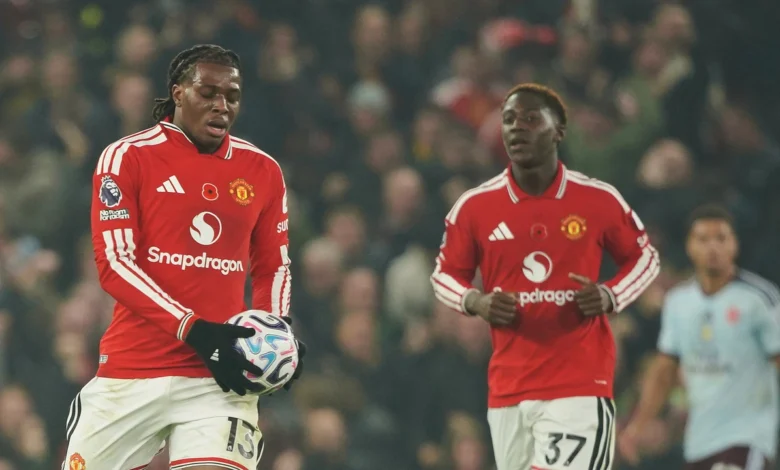
The atmosphere at Old Trafford on November 8, 2026, was a microcosm of the current volatility surrounding Manchester United. In a pulsating encounter during the 10th round of the Premier League, Michael Carrick’s side produced a dramatic comeback to secure a 4-4 draw against Aston Villa. Despite falling two goals behind within the first four minutes and later trailing 4-2, late strikes from Joshua Zirkzee and Patrick Dorgu salvaged a point for the hosts. The result, while resilient, leaves United languishing in 18th place, underscoring the deep-seated structural issues that continue to plague the club.
A Disastrous Start and Early Defensive Collapse
The match began in the worst possible fashion for the home side. Aston Villa, managed by Unai Emery, exploited the high line and defensive hesitation of United’s backline almost immediately. In the opening minute, a fluid exchange between John McGinn and Alysson Edward allowed the latter to slide a precise finish past goalkeeper Senne Lammens. Before the Old Trafford faithful could even settle, the lead was doubled. In the fourth minute, Lammens failed to handle a strike from Alysson, leaving Nicolas Jackson with a simple tap-in to make it 2-0.
This marked the fastest 0-2 deficit in Manchester United’s Premier League history, coming in at just three minutes and 40 seconds. The silence in the stadium was palpable, punctuated only by the jubilant chants of the visiting supporters, who mocked the home side’s predicament with chants calling for the immediate dismissal of the 45-year-old manager.
The Tactical Tug-of-War
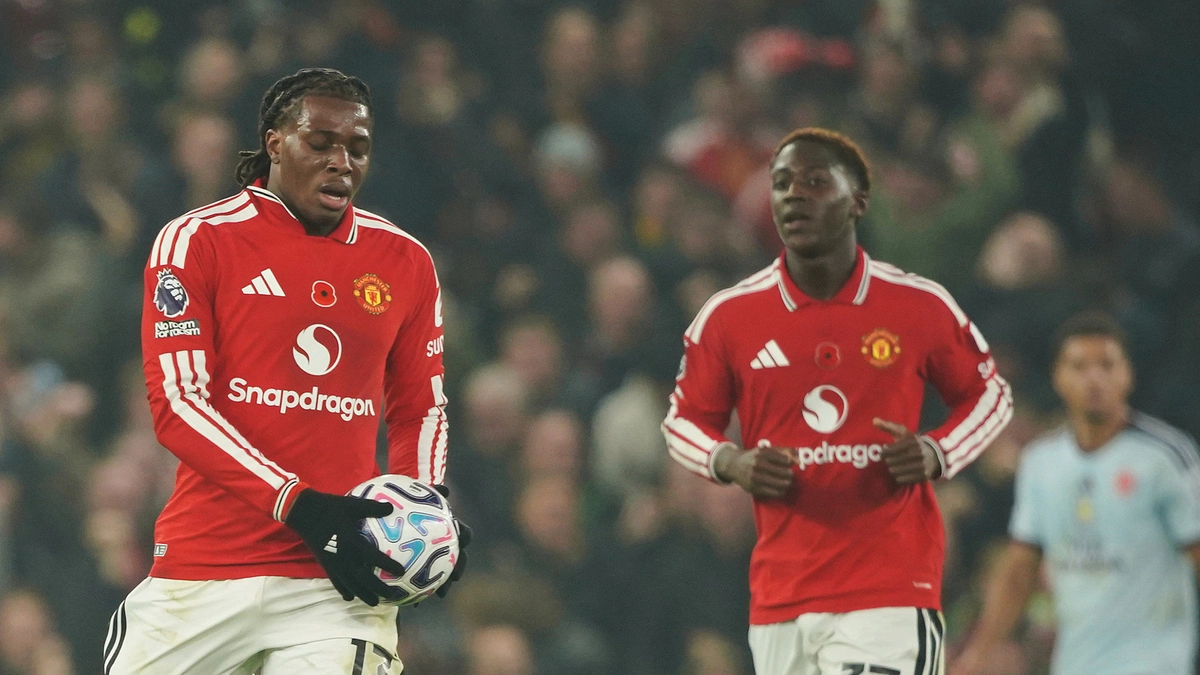
Manchester United’s initial response was fueled more by desperation than tactical discipline. However, they found a lifeline in the 16th minute when Boubacar Kamara fouled Matheus Cunha inside the box. Bruno Fernandes, typically composed from the spot, slotted the penalty home to give the home side a glimmer of hope.
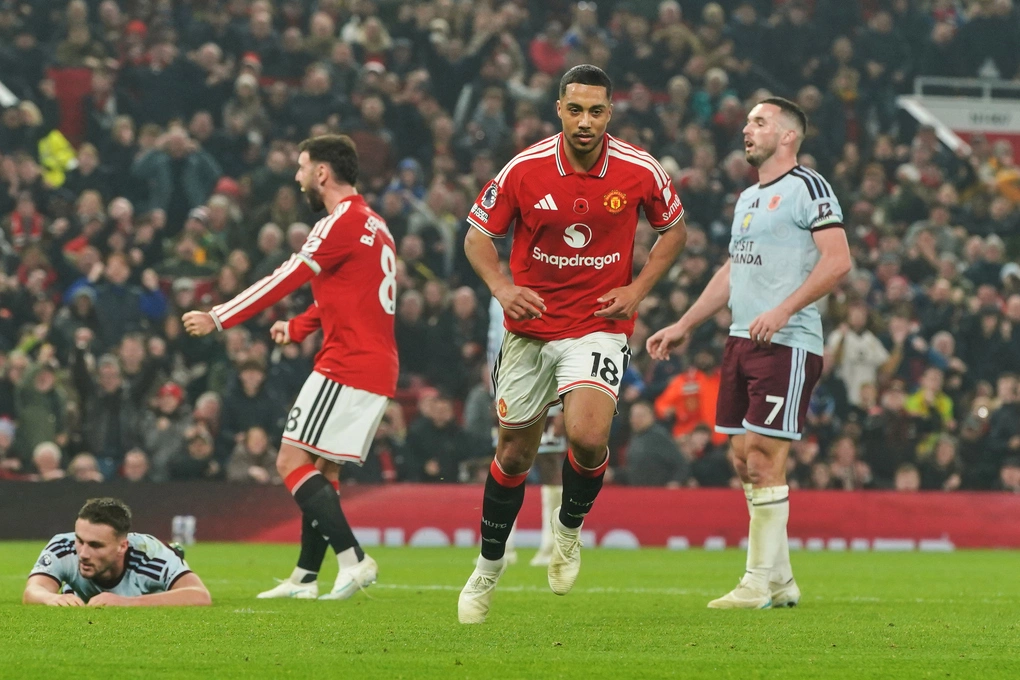
The goal energized the team, and they began to pin Aston Villa back. The pressure finally told in the 44th minute when Noussair Mazraoui escaped down the left flank. His cut-back found Youri Tielemans, who buried the ball into the corner to level the score at 2-2. Tielemans, who previously played for Villa, notably refrained from celebrating, a sign of respect for his former employers.
Second Half Turmoil and Defensive Fragility
If the first half ended with optimism for United, the start of the second half proved that their defensive frailties were far from resolved. Just three minutes after the restart, Diogo Dalot committed a clumsy foul on Alysson, conceding another penalty. John McGinn stepped up and drilled the ball into the top corner, restoring Villa’s lead.
The chaos continued in the 53rd minute. Following a set-piece, Leny Yoro’s header rattled the crossbar. While the defense failed to clear the rebound, Leon Goretzka was on hand to pounce, extending Villa’s lead to 4-2. At this point, the game appeared beyond United, with commentators describing the defense as having "lost its soul."
The Late Rally and Tactical Shifts
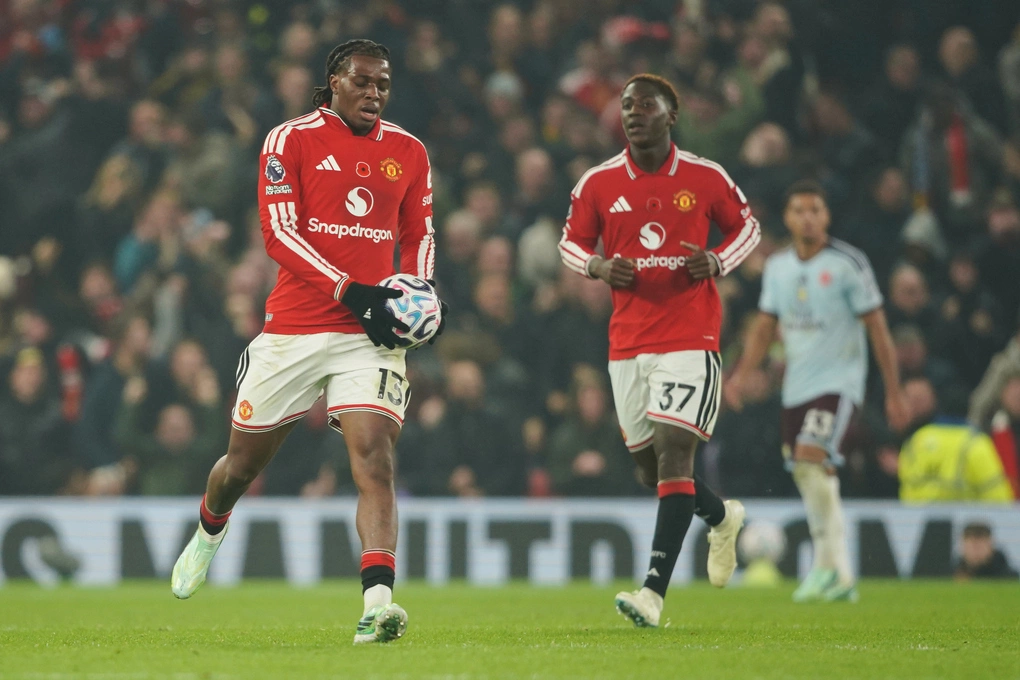
In the 66th minute, Michael Carrick made a triple substitution, introducing Mason Mount, Patrick Dorgu, and academy talent Shea Lacey. The decision to withdraw Diogo Dalot—who had been responsible for the penalty and looked overwhelmed throughout—was met with resounding cheers from the home crowd, reflecting the growing frustration with the Portuguese defender’s recent form.
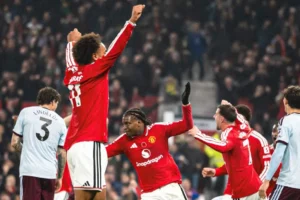
As the match entered the final ten minutes, a significant portion of the Old Trafford crowd began to file out of the stadium. However, those who remained were treated to an improbable finish. In the 90+2 minute, Patrick Dorgu broke down the wing and delivered a perfect cross for Joshua Zirkzee, who struck a clinical left-footed volley to make it 3-4.
The goal shifted the momentum entirely. Moments later, after forcing a corner, Bruno Fernandes delivered a teasing ball into the box. Patrick Dorgu, displaying remarkable athleticism, soared to head the ball home, catching goalkeeper Zion Suzuki off guard. The final whistle blew shortly after, with the scoreline locked at 4-4.
Statistical Analysis and Broader Implications
The statistics from the match highlight the paradoxical nature of United’s current form. The hosts accumulated an Expected Goals (xG) of 3.55 from 25 shots, compared to Aston Villa’s 2.88 from 12 attempts. These figures indicate that while United’s attacking output is sufficient to win matches, their defensive output remains among the poorest in the league.
Manchester United has failed to keep a clean sheet in any of their domestic fixtures this season. The team sits in the relegation zone with only eight points from ten matches. This form is a stark departure from the club’s traditional expectations and has placed immense pressure on the hierarchy to address the squad’s inconsistencies.
Expert Perspectives
Following the match, former United captain Roy Keane noted that while the team deserves credit for fighting back from the brink of defeat, the overall level of performance remains "miles away" from what is expected of a club of United’s stature. Ashley Young, appearing as a pundit for Sky Sports, highlighted a lack of leadership and communication on the pitch. "The players seem to be on different pages at crucial moments," Young remarked. "They are crying out for a figurehead on the grass who can organize the defensive structure during high-pressure situations."
Critics have also questioned Aston Villa’s failure to secure the win after holding a two-goal cushion twice. However, the focus remains firmly on the crisis at Old Trafford. Journalists such as Ian Ladyman have suggested that the current issues at the club are systemic rather than individual, and that the fan protests—visible through the sea of green and yellow balloons inside the stadium—reflect a deeper dissatisfaction with the ownership and the long-term direction of the club.
Looking Ahead
As the Premier League heads into the international break, Manchester United finds itself at a crossroads. Despite the late-game heroics, the reality of the league table cannot be ignored. With only one win in their last ten matches, the team faces an uphill battle to climb back toward the European qualification spots.

For Michael Carrick, the draw provides a temporary reprieve from the immediate calls for his departure. The support from the fans after the final whistle suggests that the manager still retains a degree of goodwill, but the club’s leadership, including CEO Omar Berrada and Sporting Director Jason Wilcox, face mounting pressure to deliver a concrete plan to rectify the club’s downward trajectory. Whether this performance serves as a turning point or merely a stay of execution remains to be seen. As the club enters the hiatus, the question remains whether the current management can stabilize a squad that, while capable of moments of brilliance, continues to struggle with fundamental consistency.