The automotive landscape has undergone a dramatic transformation over the past decade, with manufacturers increasingly positioning panoramic sunroofs as a defining hallmark of luxury, modernity, and high-end design. Once restricted to ultra-luxury flagship sedans, large glass roofs now stretch across the cabins of mainstream crossovers, compact SUVs, and family haulers. By flooding interiors with natural sunlight, expanding perceived spatial dimensions, and offering occupants unobstructed views of the sky, these expansive glass panels have won over millions of buyers worldwide. However, the Vietnamese automotive market presents a stark contrast to global adoption trends. In Southeast Asia’s rapidly growing tropical climate, where intense solar radiation, high humidity, and torrential monsoon rains define the driving environment, the panoramic sunroof remains a polarizing feature. A significant number of prospective car owners in Vietnam actively hesitate to purchase vehicles equipped with glass roofs, with many even opting for lower trim levels or competing models specifically to avoid what they view as a high-maintenance luxury rather than an essential utility.
Understanding the root causes of consumer resistance toward panoramic sunroofs requires an examination of the unique environmental, mechanical, and economic factors at play in Vietnam. While automotive dealerships frequently market these features as premium upgrades that enhance resale value and lifestyle appeal, seasoned motorists and industry analysts point to a series of recurring ownership challenges. These include severe cabin heat accumulation, heightened psychological and physical risks associated with glass breakage, complex water leakage vulnerabilities, and substantial long-term maintenance costs. As the Vietnamese car market matures and more consumers transition from first-time buyers to experienced motorists, practical considerations are increasingly overshadowing aesthetic appeal.
Intense Tropical Heat and Thermal Management Challenges
The most immediate and pervasive grievance reported by Vietnamese drivers utilizing vehicles with panoramic sunroofs is thermal discomfort. Vietnam experiences extended periods of intense sunshine, with ambient temperatures in major urban centers and open highways frequently reaching between 35 and 45 degrees Celsius during the peak dry and summer months. Because a panoramic sunroof replaces several square meters of insulated metal roof framing with laminated or tempered glass, solar radiation penetrates the cabin directly.
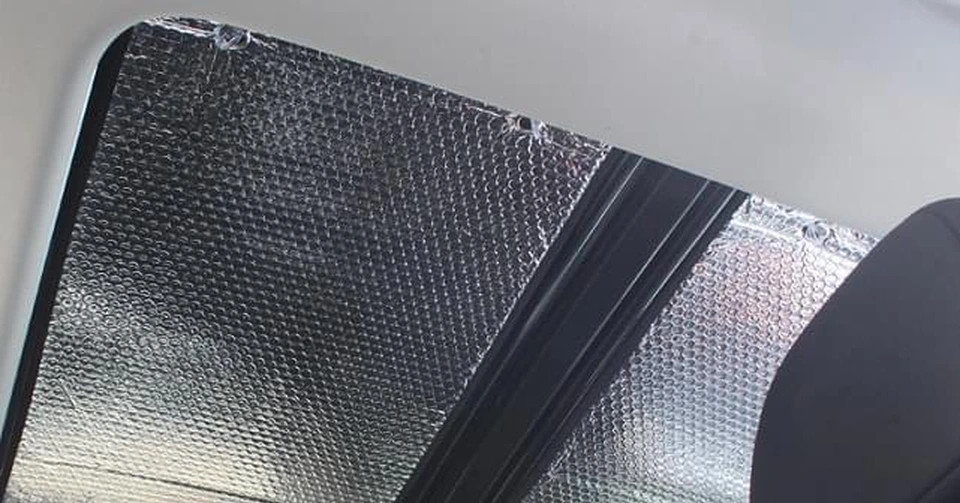
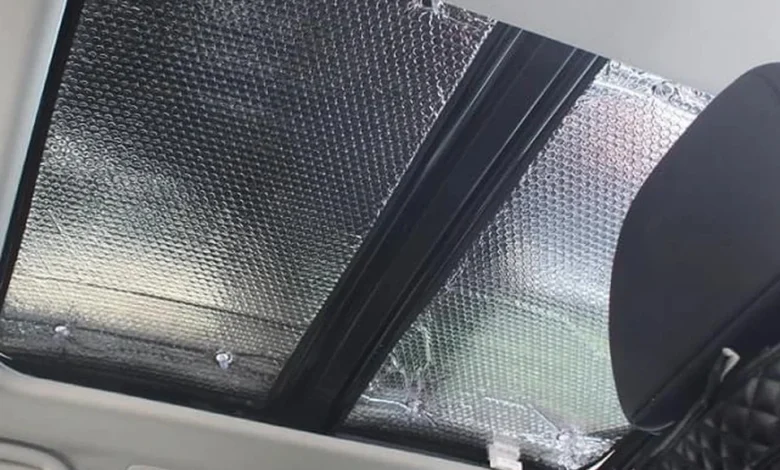
Even when equipped with internal fabric or mesh retractable sunshades, the greenhouse effect inside the vehicle is amplified significantly. The trapped heat radiates downward onto the heads of front and rear passengers, forcing the vehicle’s air conditioning system to work continuously at maximum capacity just to maintain a baseline level of comfort. While aftermarket solutions such as high-grade ceramic window tints, specialized UV-blocking films, or custom insulated roof pads can mitigate the issue, these remedies represent additional out-of-pocket expenses for vehicle owners. In prolonged hot weather conditions, many local drivers conclude that a traditional, fully insulated metal roof offers superior thermal efficiency and climate control than a sprawling glass canopy.
Structural Vulnerability and Anxiety Over Glass Fracture
Unlike conventional steel roofs that can absorb minor impacts from falling debris, hail, or accidental drops during maintenance without catastrophic failure, panoramic sunroofs consist of expansive sheets of glass situated directly above the heads of the driver and passengers. Although modern automotive glass undergoes rigorous safety testing and is engineered to withstand standard driving vibrations and nominal external forces, the sheer surface area of a panoramic roof introduces inherent structural vulnerabilities.
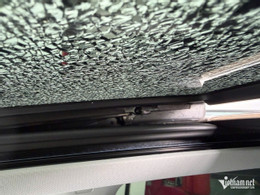
In the event of an impact from a stray object, severe thermal shock, or undetected manufacturing stress points, large glass panels can shatter. Depending on the specific engineering and chemical tempering of the glass, a fracture can cause the entire roof panel to disintegrate into thousands of granular pieces or fracture across structural lines. For drivers navigating rough road conditions, construction zones, or areas prone to falling tree branches, the psychological anxiety of driving beneath a vast expanse of glass is palpable. Furthermore, when a panoramic glass roof breaks, finding an immediate temporary fix is exceptionally difficult. Driving a vehicle with a shattered roof panel through torrential tropical rainstorms can lead to immediate interior flooding, while sourcing replacement glass tailored to specific vehicle imports often involves extended waiting periods and exceptionally high repair bills.
Water Leakage Risks and Maintenance Complexity
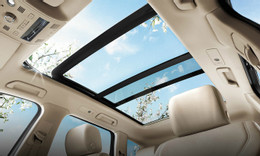
The engineering behind a panoramic sunroof is vastly more complicated than that of a standard fixed metal roof. A functional panoramic system relies on a delicate assembly of moving glass panels, motorized actuators, sliding tracks, complex electronic control modules, heavy-duty rubber weatherstripping, and specialized internal drainage channels designed to catch and divert moisture away from the cabin.
Over time, exposure to Vietnam’s heavy monsoon rains, high humidity, airborne dust, and falling tree leaves can degrade these mechanical and rubber components. Rubber seals naturally harden, crack, and lose their elasticity due to prolonged ultraviolet exposure, while dust and organic debris frequently accumulate within the drainage troughs. If these drain tubes become clogged and go uncleaned, rainwater can overflow into the headliner, soaking the upholstery, creating unpleasant mold and mildew odors, and potentially wreaking havoc on sensitive electronic wiring harnesses and safety curtain airbags. Addressing these water intrusion issues requires meticulous, specialized maintenance that many everyday vehicle owners find burdensome, prompting a strong preference for simpler, maintenance-free metal roofing structures.
Disproportionate Financial Burden and Upfront Costs
Beyond the physical and environmental drawbacks, panoramic sunroofs carry a significant financial footprint that influences purchasing decisions. In current automotive pricing structures, panoramic glass roofs are almost universally reserved for top-tier, fully loaded trim variants. Consumers who desire specific powertrain performance, advanced driver-assistance systems (ADAS), or upgraded safety suites are frequently forced to purchase the highest specification tier—paying an inflated price differential of tens to hundreds of millions of Vietnamese đồng—even if they have little to no personal interest in utilizing a glass roof.
The long-term cost of ownership further compounds this hesitation. Because the system comprises numerous delicate moving parts, any mechanical failure of the motor, track alignment issues, or seal degradation can result in costly dealership service visits. Replacing a damaged sunroof motor, realigning jammed tracks, or replacing degraded weatherstripping involves labor-intensive dismantling of the vehicle’s interior ceiling panels. For motorists prioritizing financial efficiency and low upkeep, paying a premium to acquire and maintain a complex glass roof system does not align with practical financial planning.
Market Outlook and Consumer Perspectives
Despite the notable reservations held by a substantial segment of the Vietnamese car-buying public, panoramic sunroofs continue to hold a secure place in the upper tiers of the automotive market. For buyers who frequently embark on scenic cross-country road trips, value premium interior aesthetics, or appreciate the open, airy ambiance during cooler evening drives, the feature remains a desirable luxury. However, market analysts emphasize that the evolving preferences of Vietnamese consumers are pushing automakers to reconsider standard equipment bundling. As buyers demand greater transparency in vehicle pricing and customization, understanding regional climate realities will remain crucial for manufacturers seeking to capture market share in Southeast Asia’s dynamic automotive landscape.