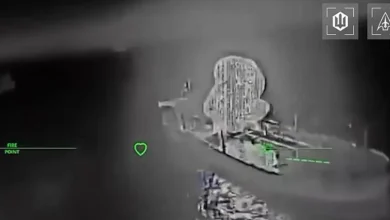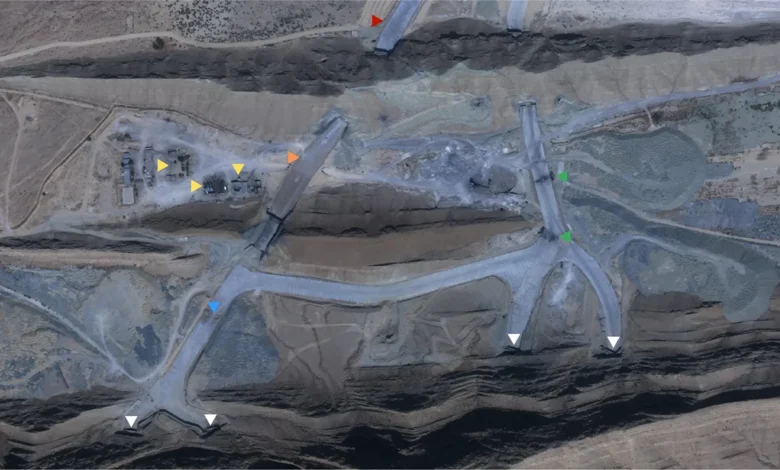
Satellite imagery obtained and analyzed in late September reveals that Iran is aggressively pursuing the reconstruction and maintenance of the Oghab 44 (Eagle 44) underground airbase, despite the facility having sustained multiple precision strikes throughout the recent regional escalation. The persistent efforts to restore operational viability to this subterranean site, located deep beneath the Zagros Mountains in Hormozgan province, underscore its critical strategic importance to the Iranian military apparatus.
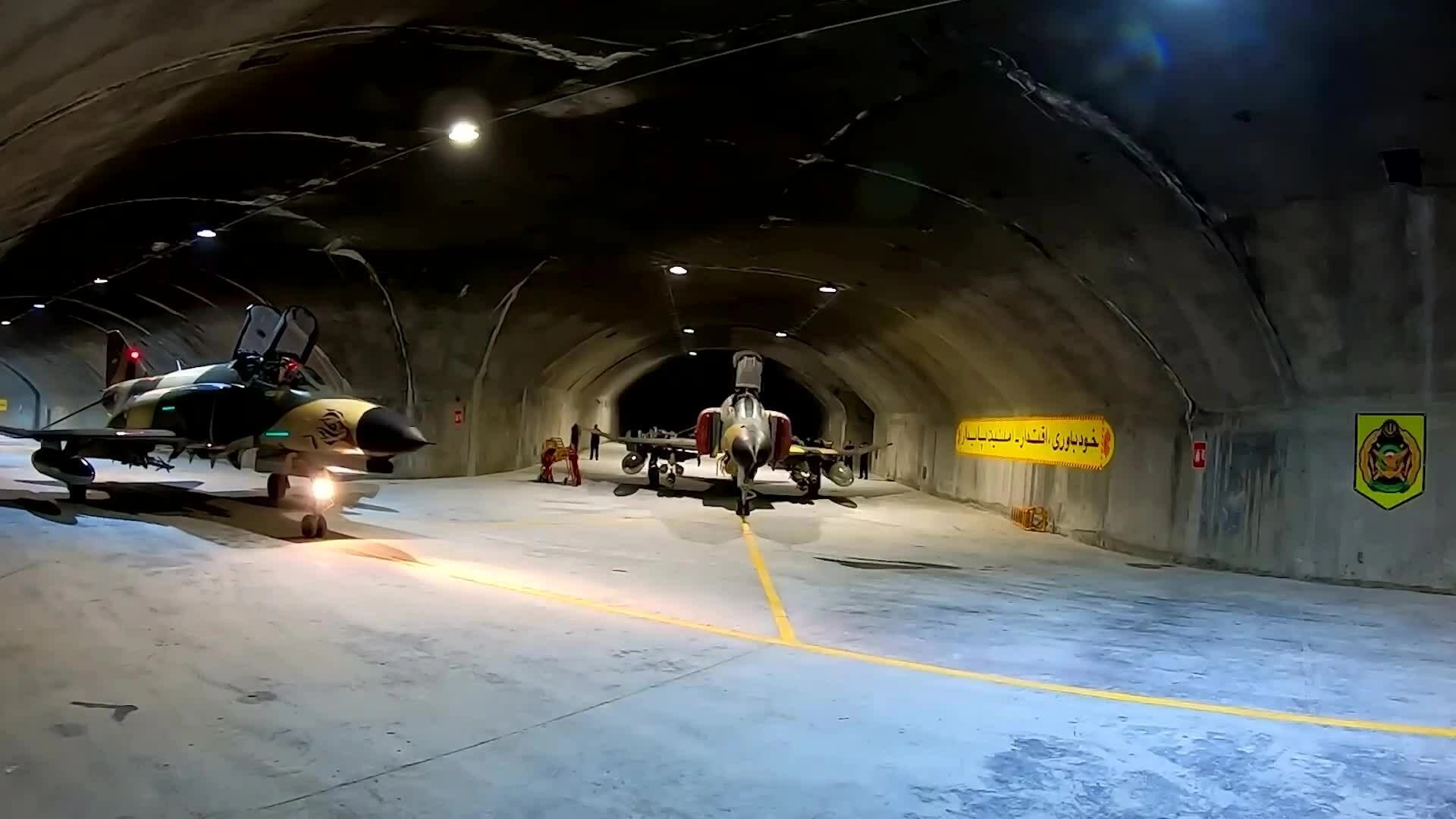
The facility, which was formally unveiled to the public in early 2023, represents a significant evolution in Iran’s defensive architecture. Designed to protect high-value assets—specifically the aging F-4E Phantom II fleet and various unmanned aerial vehicle (UAV) squadrons—from preemptive airstrikes, the base has become a primary focal point in the shadow war between Tehran and its regional adversaries.
Strategic Anatomy of Oghab 44
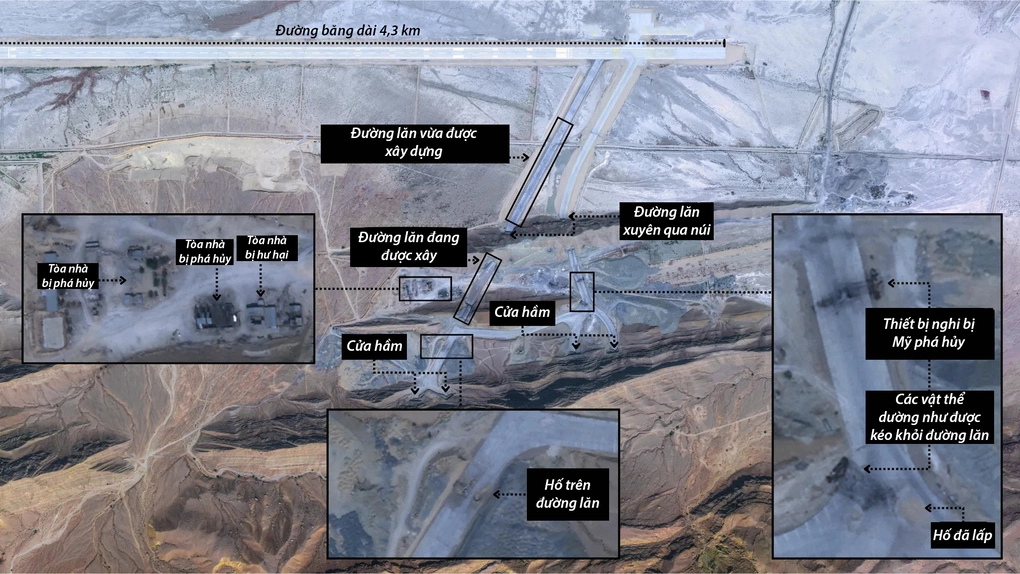
Oghab 44 is situated approximately 160 kilometers northwest of the strategic Strait of Hormuz, a chokepoint that facilitates the movement of roughly 20 percent of the world’s daily oil supply. The base consists of an extensive network of hardened tunnels capable of shielding aircraft from bunker-busting munitions, complemented by a 4,300-meter-long main runway designed to accommodate large-scale flight operations.
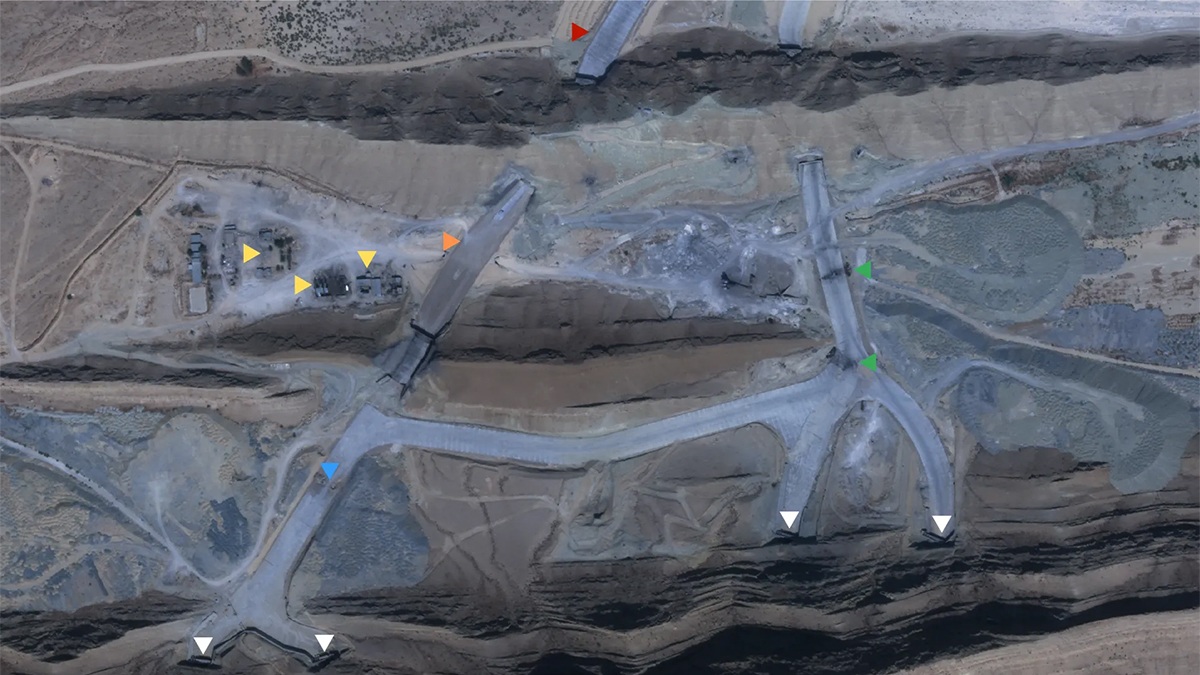
The site’s architecture is specifically engineered to mitigate the vulnerabilities of traditional, exposed airfields. By housing maintenance facilities, fueling stations, and munitions storage within the mountain, Iran can facilitate rapid sortie generation while keeping its aerial assets shielded from reconnaissance and initial bombardment. The layout includes multiple tunnel entrances, configured in pairs, which allow for the discreet deployment of aircraft directly onto the flight line.
A Chronology of Conflict and Damage
The Oghab 44 facility has been a recurring target since the escalation of hostilities between Iran and an Israel-U.S.-led coalition beginning in February. Military analysts note that while the base was intended to be an impenetrable fortress, it has proven susceptible to persistent and evolving targeting strategies.
In mid-March, a series of precision strikes hit the facility. While initial reports suggested limited damage, subsequent analysis by military experts confirmed that the strikes successfully incapacitated key infrastructure, including critical taxiways and portions of the support facilities near the tunnel entrances. By late March, the damage appeared more severe, with satellite imagery showing the total destruction of several support buildings and significant craters obstructing the entrance to the subterranean hangars.
The conflict reached another peak in July, when a new wave of attacks targeted the base. Imagery captured shortly after these strikes revealed at least four distinct "black marks" on the runways, consistent with the impact signatures of heavy-duty guided munitions. Additionally, debris and structural damage were observed near the tunnel portals, suggesting that the strike was intended to seal or obstruct the primary exit points for the aircraft housed within.
Iran’s Resilient Reconstruction Efforts
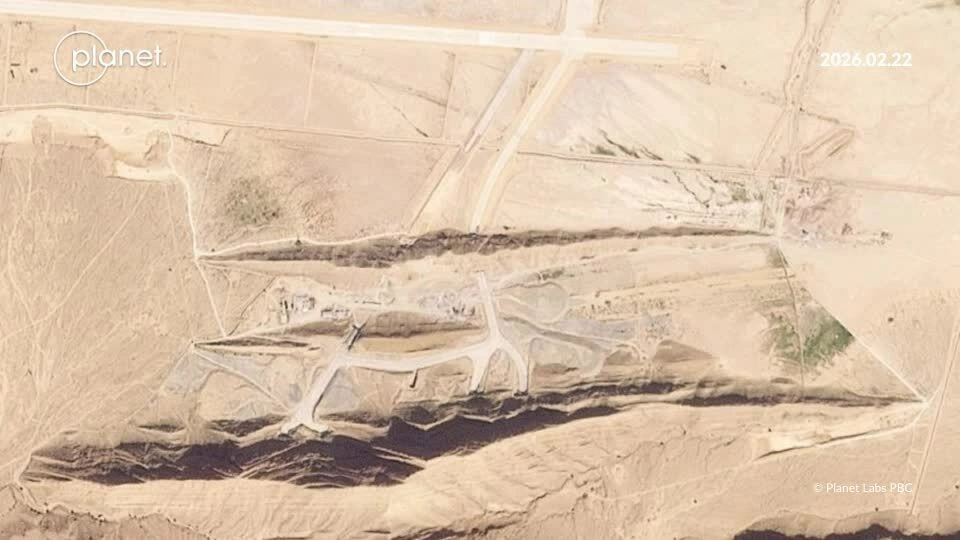
Despite the repeated tactical successes of the airstrikes, the pace of Iran’s recovery operations has been notable. Satellite data indicates that within weeks of each major bombardment, repair crews are deployed to clear the debris, fill craters, and resurface the runways.
The most recent analysis from late September shows that the main runway has been largely cleared of the damage sustained in the July raids. Construction activity is currently focused on the western taxiway, where sections of the path leading into the mountainside have been reinforced. While it remains unclear whether the internal tunnel doors were breached during the most recent attacks, the speed with which Iran restores the external flight surfaces suggests a high-priority logistical commitment to keeping the base operational.
According to military analysts, such as those at the War Zone, the Iranians appear to be prioritizing the restoration of flight surfaces over the rebuilding of administrative or secondary support structures. This tactical decision emphasizes the necessity of maintaining the capability to launch and recover aircraft, regardless of the degradation of the surface-level base facilities.
Broader Context and Regional Implications
The reliance on subterranean bases like Oghab 44 is a direct response to the aerial superiority of potential adversaries. By "burying" its air force, Tehran aims to maintain a credible deterrent force that cannot be entirely neutralized in a single surprise attack.
Data from organizations monitoring the conflict, such as the Center for Strategic and International Studies (CSIS), indicates that Oghab 44 is part of a much broader network. By the end of May, reports suggested that Iran had reactivated more than 50 of the 69 entrance points across 18 separate underground bases that had been previously targeted or compromised. These facilities, often dubbed "missile cities" or "underground airfields," are critical to the Islamic Revolutionary Guard Corps (IRGC) Aerospace Force’s strategy of attrition.
Major General Ran Kochav, a spokesperson for the Israeli Defense Forces, has previously acknowledged the resilience of these facilities, noting that Iran possesses an "incredibly deep" industrial and engineering capacity for rapid reconstruction. The ability to replenish stockpiles and repair infrastructure under active combat conditions poses a unique challenge to any military force attempting to suppress Iran’s regional power projection.
Tactical Assessments and Future Outlook
The recurring targeting of Oghab 44 serves as a microcosm of the current regional tension. Experts observe that the U.S. and Israel appear to have divided their efforts, with American assets often providing intelligence and logistical support, while Israeli forces focus on high-value strikes against specific Iranian infrastructure.
Ian Ellis-Jones, a defense analyst specializing in Middle Eastern military affairs, notes that the uncertainty surrounding the base’s current internal state remains a tactical dilemma. "We don’t know exactly what is happening deep inside the mountain, nor how many flyable aircraft remain in their inventory," Ellis-Jones explains. "However, the sheer effort expended to keep this base open, despite the repeated failures of its hardened defenses, confirms its role as a cornerstone of Iran’s defensive posture."
The implications of this cycle—strike, damage, repair, and repeat—are twofold. First, it demonstrates that the effectiveness of modern bunker-busting munitions is limited by the enemy’s ability to perform rapid civil engineering repairs. Second, it highlights the transition of the airbase from a hidden strategic asset to a heavily contested tactical battlefield.
As the conflict continues, the endurance of the Oghab 44 base will likely remain a bellwether for the broader effectiveness of aerial suppression campaigns in the region. Should the facility remain functional, it will continue to provide the IRGC with a critical staging ground for UAVs, cruise missiles, and strike aircraft, ensuring that the threat of Iranian air power remains an active variable in the regional security calculus.
Ultimately, the ongoing saga of Oghab 44 proves that in the age of precision warfare, the traditional concept of an "unsinkable aircraft carrier" has been replaced by the "indestructible mountain base," where the ability to rebuild is just as vital as the ability to strike.