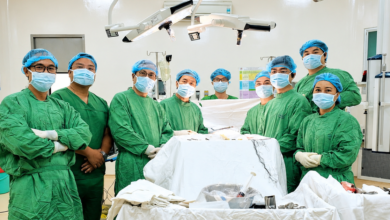
Preterm birth remains one of the most formidable challenges in modern obstetrics, affecting millions of pregnancies globally and serving as the leading cause of neonatal morbidity and mortality. Recently, a team of researchers from the Vietnam Medical Genetics Institute and Gene Solutions, in collaboration with several major hospitals and universities, has unveiled a groundbreaking approach that could revolutionize early pregnancy monitoring. By leveraging deep analysis of cell-free DNA (cfDNA) already collected for Non-Invasive Prenatal Testing (NIPT), the research team has identified specific biomarkers that correlate with a high risk of preterm birth, potentially allowing for medical intervention long before physical symptoms manifest.
The Clinical Challenge of Preterm Birth
Preterm birth is defined by the World Health Organization (WHO) as any birth occurring before 37 weeks of gestation. The clinical implications are profound. Infants born prematurely often face significant health complications, including neurodevelopmental delays, cerebral palsy, epilepsy, visual and hearing impairments, and chronic respiratory issues such as bronchopulmonary dysplasia. Their immune systems are often underdeveloped, leaving them highly susceptible to sepsis, necrotizing enterocolitis, and severe temperature regulation issues.
Current diagnostic tools for predicting preterm birth are limited. Physicians typically rely on obstetric history, transvaginal ultrasound measurements of cervical length, and specific clinical markers. However, these methods are often reactive rather than proactive, and they possess limited predictive power for low-risk women or those experiencing their first pregnancy. The inability to accurately identify high-risk cases early in the first trimester prevents the timely administration of preventative treatments, such as progesterone therapy or cerclage.
A New Frontier: Fragmentomics and NIPT
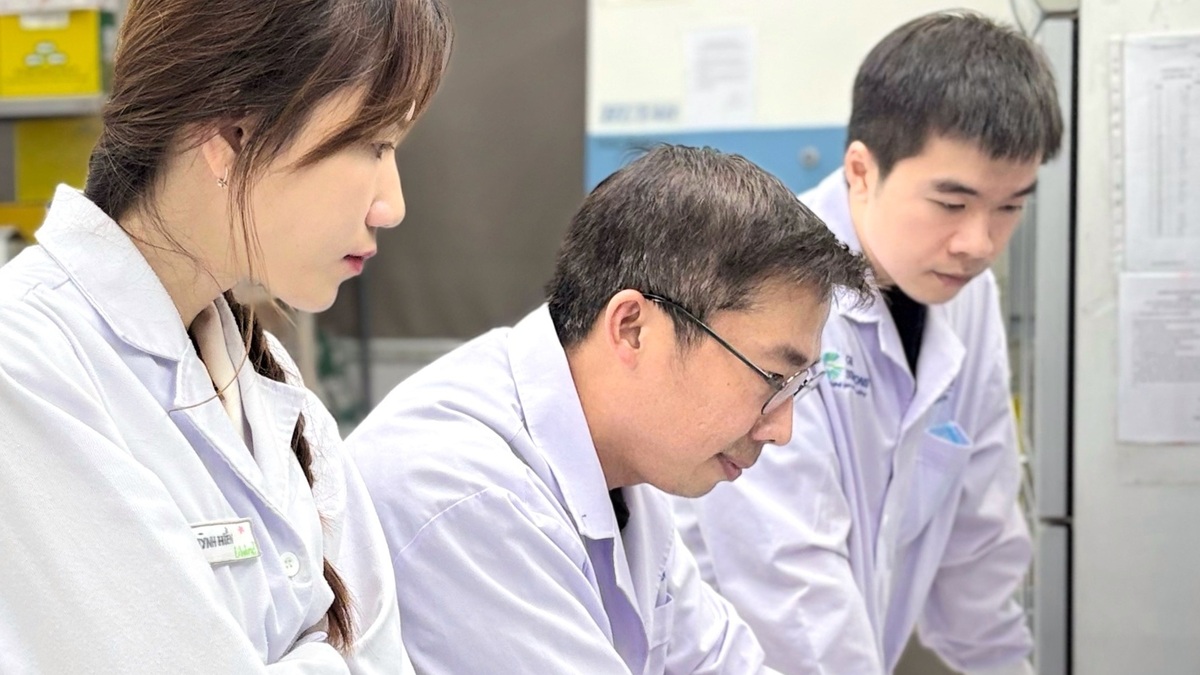
The research, published in the AJOG Global Reports in September, explores a technique known as "fragmentomics." NIPT has long been the gold standard for screening chromosomal abnormalities by analyzing cell-free DNA fragments in the maternal bloodstream. Traditionally, laboratories focus on the sequence of these DNA fragments. The Vietnamese research team, led by Dr. Nguyen Thach Cuong, shifted the focus toward the physical characteristics of the DNA itself—specifically, how the DNA strands are broken into segments and the distribution of these fragments, particularly at the 5-prime ends.
By extracting this "extra layer of information" from the same blood samples already collected for routine NIPT at approximately 12 weeks of gestation, the researchers sought to uncover hidden patterns. This method does not require additional blood draws, making it a highly efficient and non-invasive secondary screening tool for expecting mothers.
Study Methodology and Findings
The multi-center study analyzed 286 pregnancies, consisting of 82 cases of spontaneous preterm birth and 204 full-term control cases. By applying the fragmentomics model to these samples, researchers observed distinct patterns in the DNA fragmentation profiles between the two groups.
When the model was validated on a separate cohort of 58 pregnancies, it successfully identified 94% of the preterm birth cases within that specific group. While the sample size is modest, the results provide a compelling proof-of-concept that maternal blood samples collected at the end of the first trimester carry molecular "signatures" of a pending preterm delivery, months before the onset of clinical labor.
Global Context and Prior Research
The scientific community has been moving toward this objective for several years. In 2025, a study published in PLOS Medicine analyzed NIPT data from 2,590 pregnancies in China, establishing a predictive model based on cfDNA features. That study, much like the recent Vietnamese endeavor, demonstrated the potential for distinguishing between preterm and full-term outcomes using cfDNA fragmentation patterns.
The Vietnam-based research acts as a critical step in localizing these findings and expanding the application of genomic technology beyond standard chromosomal screening. However, the researchers emphasize that this is a preliminary step. The study design, while robust in its methodology, must be followed by large-scale, prospective studies across diverse populations to confirm the model’s generalizability.
Implications for Clinical Practice
If confirmed through larger, longitudinal trials, this methodology could significantly shift the standard of care. Early identification allows for:
- Enhanced Surveillance: Patients flagged by the model can be placed on a more rigorous monitoring schedule, including more frequent cervical length assessments.
- Proactive Intervention: Doctors may initiate preventative measures, such as the use of progesterone or lifestyle modifications, earlier in the pregnancy.
- Optimized Resource Allocation: Healthcare providers can allocate specialized neonatal care resources more effectively by identifying high-risk pregnancies well in advance.
Understanding the Etiology of Preterm Birth
The underlying causes of preterm birth remain complex and often multifactorial. Current medical literature suggests that several mechanisms may trigger early labor, including placental abruption, uterine overdistension, cervical insufficiency, and hormonal shifts resulting from maternal or fetal stress. Furthermore, systemic inflammation—often originating from infections of the cervix or vagina—has been identified as a major risk factor.
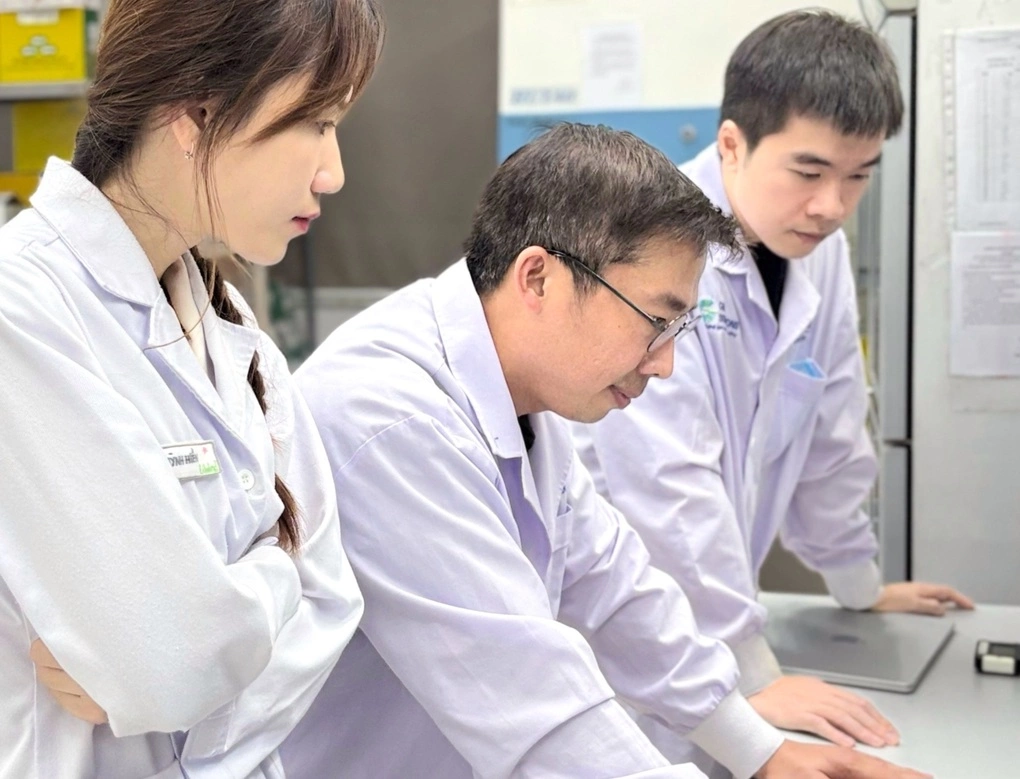
Because the causes are so varied, no single test has yet been able to provide a comprehensive answer. The integration of fragmentomics into existing NIPT workflows represents a shift toward "precision obstetrics," where a patient’s unique genetic and molecular profile informs the management of their pregnancy.
The Road Ahead
As Dr. Nguyen Thach Cuong and his team continue their research, the focus will shift to validating the model in larger, multi-ethnic populations. The team acknowledges that while the 94% detection rate in their small cohort is promising, real-world application requires rigorous validation to minimize false positives and ensure clinical safety.
"The goal is not to replace existing diagnostic methods, but to provide an additional, highly sensitive layer of information," noted a spokesperson for the research group. "By combining the existing knowledge of cervical anatomy with this new molecular insight, we hope to provide a more holistic picture of pregnancy risk."
As biotechnology continues to advance, the ability to read the "molecular diary" of a pregnancy will likely become a cornerstone of prenatal care. The work being done by these researchers marks a significant milestone in the ongoing effort to reduce the global burden of preterm birth, offering hope for safer pregnancies and healthier outcomes for mothers and infants alike. With continued funding and collaborative efforts, this non-invasive tool could become a routine component of prenatal care within the next decade, fundamentally changing the landscape of reproductive health.