SK Group Chairman Chey Tae-won has issued a stark warning regarding the current state of the semiconductor market, asserting that the prevailing high prices for memory chips are unsustainable and could exacerbate an impending supply crunch. His comments, made during a recent industry forum on Jeju Island, signal growing concerns within the tech giant about the long-term health of the global chip industry. The chairman indicated that SK Group is considering significant investments in expanding its chip manufacturing capabilities in the United States to address these challenges.
The HBM Gold Rush and its Ripple Effect
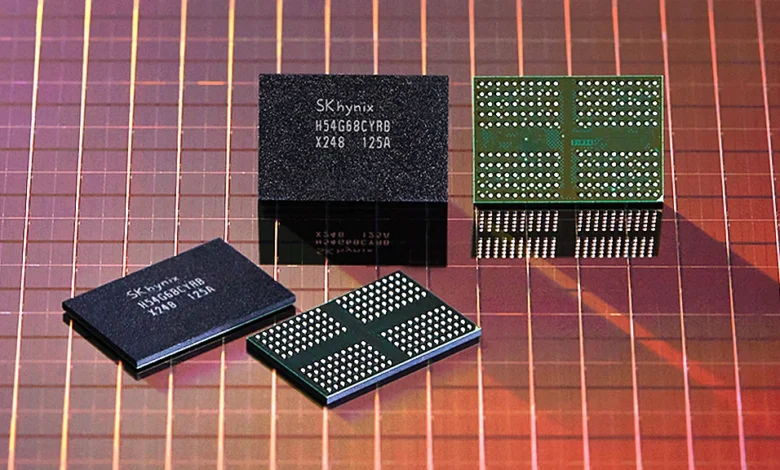
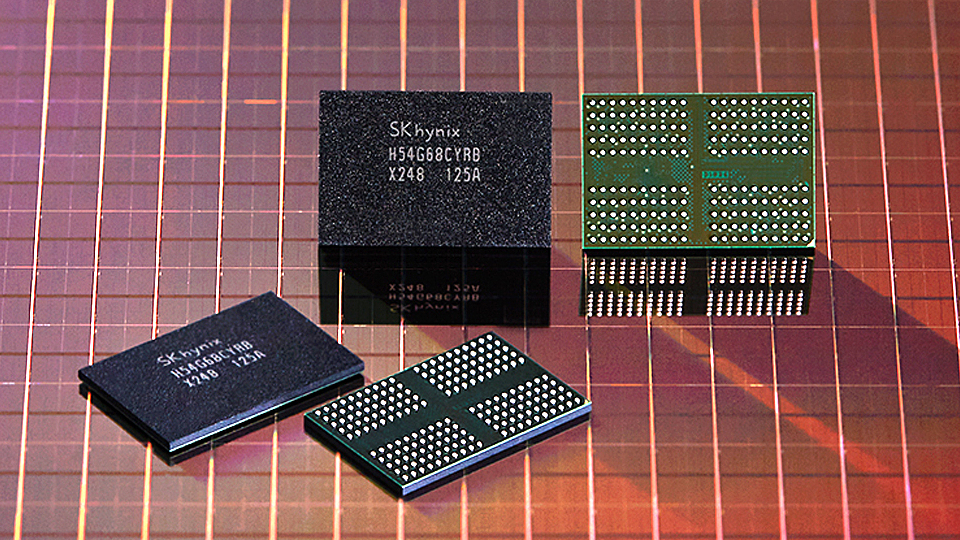
The current surge in memory chip prices is largely attributed to the unprecedented demand for High Bandwidth Memory (HBM), a specialized type of DRAM essential for artificial intelligence (AI) and high-performance computing applications. This insatiable appetite for HBM has compelled manufacturers like SK Hynix, a key subsidiary of SK Group, to reallocate significant production capacity away from traditional DRAM. This strategic shift, while necessary to meet the immediate needs of AI development, has inadvertently led to a tightening of the supply for standard DRAM chips, which are crucial for consumer electronics such as smartphones and personal computers.
"AI companies are willing to pay premium prices for the latest generation of memory chips," Chey explained. "However, manufacturers of computers and smartphones have no choice but to pass these increased costs onto their consumers by raising the prices of their finished products. This creates a cascading effect, where the end-consumer bears the brunt of the elevated chip prices. To mitigate the risk of further price hikes and the potential for a sustained chip shortage, expanding supply is an absolute necessity."
The ramifications of this production reallocation are far-reaching. As leading chipmakers prioritize HBM, the availability of conventional DRAM dwindles, driving up prices for devices that rely on these more standard components. This situation creates a paradox: while the cutting-edge of AI technology is being fueled, the more ubiquitous consumer electronics market faces inflation and potential scarcity.
SK Group’s Strategic Response: A US Manufacturing Push
In direct response to these market dynamics, SK Group is actively exploring the construction of new manufacturing facilities in the United States. This strategic move is not only aimed at capitalizing on the burgeoning demand for advanced memory chips but also at diversifying its global production footprint and mitigating geopolitical risks. The company’s commitment to expanding its presence in the US underscores the growing importance of the North American market for semiconductor manufacturing and innovation.
This potential expansion is part of a broader trend of global semiconductor companies investing heavily in US-based production. The US government has also been actively encouraging such investments through incentives like the CHIPS and Science Act, aiming to bolster domestic semiconductor manufacturing capabilities and reduce reliance on overseas supply chains. For SK Group, establishing a significant manufacturing presence in the US would represent a major strategic pivot, allowing it to be closer to key customers and research hubs in the region.
A Forecasted Prolonged Shortage
The outlook for the memory chip shortage is far from optimistic. SK Hynix CEO Kwak Noh-jung recently projected that the scarcity of memory chips could persist well into the next decade, potentially extending to 2030. This forecast is based on the sustained and accelerating demand from AI and data center sectors, which are expected to continue outstripping current production capacities.
"We anticipate that the current supply crunch will be the most significant in the history of the memory chip industry," Kwak stated in a recent interview with Reuters. "Customer demand continues to exceed our production capabilities, and this situation is likely to persist even beyond 2030." His remarks followed SK Hynix’s successful initial public offering (IPO) on the US stock market on July 10th, a move that raised a substantial $26.5 billion, marking one of the largest public offerings by a foreign company in the US.
The IPO itself was a resounding success, with SK Hynix shares surging 13.3% on their first day of trading on the Nasdaq, closing at $168.85. This strong market reception reflects investor confidence in the company’s growth prospects, particularly its dominant position in the high-demand HBM market.
Navigating the Volatile Semiconductor Landscape
While the high prices of memory chips are currently a boon for major players like Samsung, SK Hynix, and Micron, Chairman Chey Tae-won cautioned that this favorable market condition might be fleeting. The allure of high profits could incentivize new entrants or lead existing manufacturers to create new production lines, potentially flooding the market and leading to a price correction.
"High profits can certainly attract new competitors or encourage existing players to ramp up production," Chey noted. "However, the semiconductor industry is characterized by its cyclical nature. We must be mindful of the potential for oversupply once these new capacities come online, which could then lead to a sharp decline in prices, impacting the profitability of all involved."
Emerging Domestic Competition and Shifting Alliances
Adding another layer of complexity to the global chip market is the rise of domestic semiconductor manufacturers in China. Several Chinese customers have reportedly begun shifting their procurement from South Korean and US chip giants to domestically produced chips from companies like CXMT and YMTC. This trend extends to multinational corporations, with some brands, including Corsair and Lenovo, also reportedly sourcing chips from Chinese suppliers. Furthermore, Apple has reportedly sought permission from the US government to procure chips from CXMT, signaling a potential diversification of its supply chain.
This growing competition from Chinese manufacturers, while currently focused on more conventional memory types, poses a long-term challenge to established players. As these Chinese companies mature and their technological capabilities advance, they could begin to challenge the dominance of South Korean and US firms in higher-end memory segments as well.
The Inevitable Cycle: Boom and Bust
Despite the current robust demand, the memory chip market remains notoriously volatile, prone to cyclical booms and busts. The history of the industry is marked by periods of intense demand, followed by rapid capacity expansion, which in turn leads to oversupply and significant price drops. This cycle is often exacerbated by global economic fluctuations and shifts in technological trends.
"The memory market is inherently cyclical," observed a market analyst. "When demand is high, as it is now driven by AI, companies understandably invest in expanding production. However, the lead times for building new fabs are significant. By the time these new facilities come online, market conditions may have changed, leading to a glut and a price crash. This is a challenge that all major semiconductor players must navigate carefully."
The current AI boom has created a strong upward pressure on chip prices. However, the long-term sustainability of these elevated prices hinges on a delicate balance between supply and demand. If production capacity expands too rapidly in response to current demand, it could trigger a significant downturn, impacting the profitability and investment strategies of major semiconductor corporations. The industry’s ability to manage this cycle effectively will be crucial for its sustained growth and stability in the coming years.
Broader Implications for the Global Economy
The dynamics within the memory chip market have significant implications for the broader global economy. As semiconductors are foundational components for nearly all modern technologies, fluctuations in their supply and price directly impact the cost and availability of a wide range of consumer and industrial goods. The current shortage and rising prices for memory chips contribute to inflation across various sectors, affecting everything from personal electronics to automotive manufacturing and data center operations.
The strategic decisions made by companies like SK Group, including their substantial investments in expanding manufacturing capabilities, will shape the future landscape of the semiconductor industry. The geopolitical implications are also considerable, with nations vying for leadership in semiconductor production and technological innovation. The ongoing global race for chip dominance highlights the strategic importance of this sector in national security and economic competitiveness.
The future trajectory of the memory chip market will likely be defined by a complex interplay of technological advancements, geopolitical considerations, and the inherent cyclical nature of the industry. Chairman Chey Tae-won’s warning serves as a timely reminder that while the current market conditions may be favorable for some, a sustained period of unsustainable pricing could sow the seeds of future instability. The industry’s ability to adapt to evolving demand, manage production capacities prudently, and navigate the complexities of global supply chains will be critical in ensuring a more stable and predictable future for semiconductor markets worldwide.
Huy Duc, contributing reporter.
Related posts: